Is Maple Syrup Gluten-Free? Dive into everything you need to know about gluten-free syrup, pancake syrup, and how to enjoy your favorite breakfast treats safely!
Hello, gluten-free community! Today, we’re serving up another essential gluten-free tip, and it’s all about that golden elixir: syrup! Whether you’re a connoisseur of authentic pure maple syrup or a fan of classic pancake syrup, understanding its gluten-free status is crucial for anyone managing celiac disease or gluten sensitivity.
From drizzling over a delightful stack of fluffy gluten-free Belgian waffles or a warm batch of French toast casserole to adding a touch of sweetness to a muffin glaze or enriching a maple-flavored dessert, syrup is a beloved staple in many kitchens. But for those on a gluten-free diet, questions often arise about its safety.
We’re here to eliminate any confusion surrounding gluten-free maple syrup and pancake syrup. This comprehensive guide will answer your most pressing questions, including:
- Is Maple Syrup Naturally Gluten-Free?
- What’s the Difference Between Pure Maple Syrup and Pancake Syrup?
- Are Common Pancake Syrup Brands Gluten-Free?
- Which Maple Syrup Brands Are Safe for a Gluten-Free Diet?
…and much more. Let’s pour into the details!
Are Maple Syrup And Pancake Syrup The Same Thing?
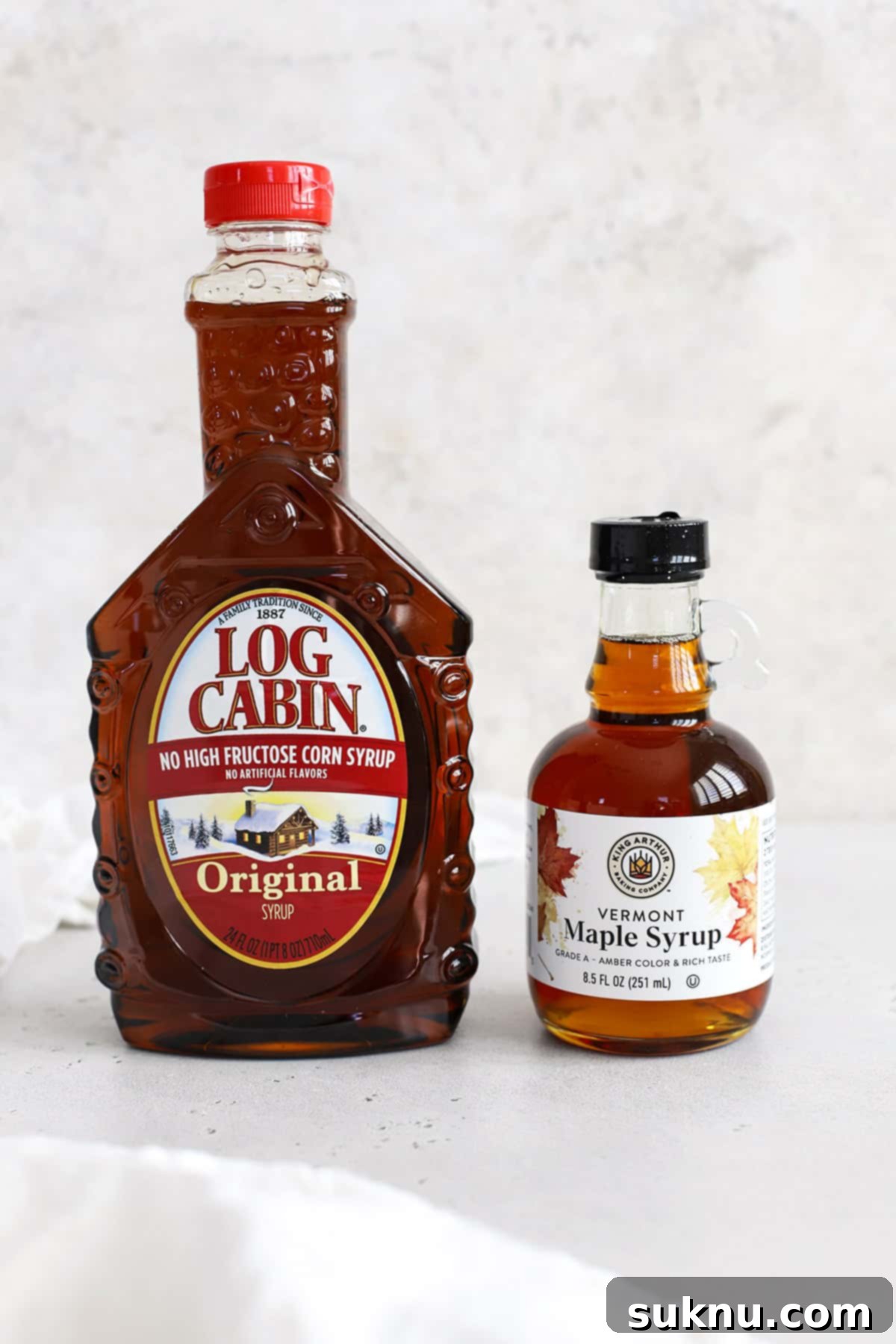
This is a common question, and it’s important to clarify: pure maple syrup and pancake syrup are distinctly different products and are not always interchangeable, especially in recipes. Understanding these differences is key to making informed choices for your gluten-free diet.
Pure Maple Syrup, At A Glance
Pure maple syrup is a natural, single-ingredient sweetener, derived directly from the sap of maple trees. Its production involves tapping maple trees, collecting their sap during the “sugaring season” (typically late winter to early spring), and then boiling it down until much of the water evaporates, leaving behind a concentrated, amber-colored syrup. The only ingredient you should see listed on a bottle of pure maple syrup is “maple syrup” or “organic maple syrup.”
Naturally gluten-free, pure maple syrup is a safe choice for individuals with celiac disease or gluten sensitivity. Beyond its delightful sweetness, it contains beneficial trace minerals and antioxidants, offering a more wholesome option than refined sugars. Its flavor is complex and nuanced, often described with notes of caramel, vanilla, and sometimes even a hint of woody earthiness. While excellent on pancakes, waffles, and French toast, its unique profile also makes it a versatile ingredient for both sweet and savory dishes, from baking to marinades.
Pancake Syrup, At A Glance
Pancake syrup, often referred to as artificial or imitation maple syrup, was developed as a more budget-friendly alternative to genuine maple syrup. It typically contains little to no actual maple syrup. Instead, it aims to mimic the flavor of maple through artificial flavorings and other ingredients.
Common ingredients in pancake syrups in the United States include various forms of sugar like corn syrup, high-fructose corn syrup, or regular sugar, along with water, artificial maple flavoring, caramel coloring (for that signature brown hue), salt, and various additives or preservatives such as sodium hexametaphosphate, sodium benzoate, and sorbic acid to maintain shelf life and consistency. Its flavor is generally much stronger and more artificial than pure maple syrup.
While pancake syrup is primarily intended as a condiment for breakfast foods like pancakes, waffles, and French toast, its composition makes it unsuitable for most cooking and baking applications where pure maple syrup is specified. The high sugar content and artificial flavors can significantly alter the taste, texture, and chemical reactions of a recipe.
In summary, both can be enjoyed as a topping, but their distinct compositions mean they are NOT interchangeable when a recipe specifically calls for pure maple syrup in baking or cooking.
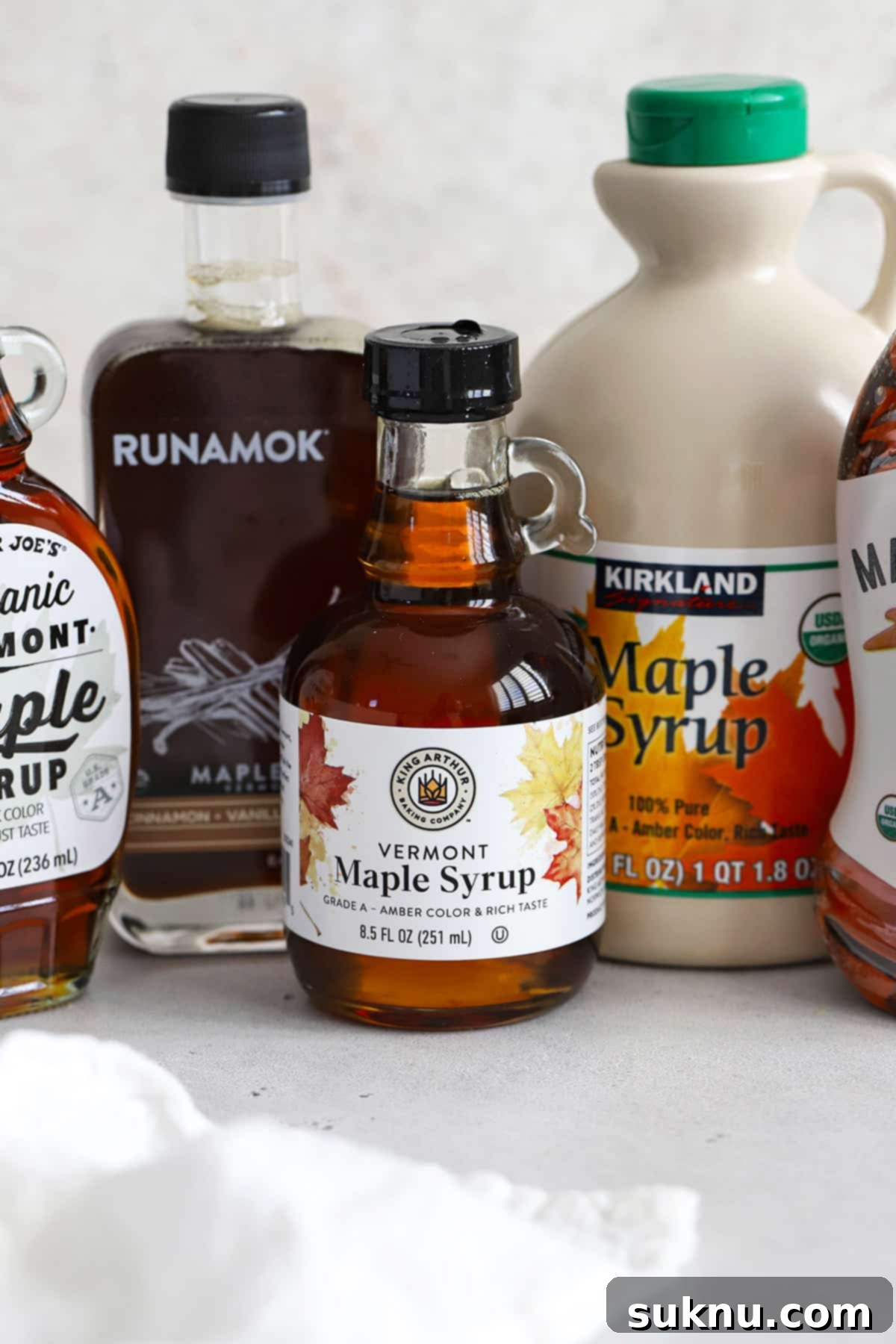
Is Pure Maple Syrup Gluten-Free?
Yes, absolutely! Pure maple syrup is inherently gluten-free. This natural sweetener is made solely from the boiled sap of maple trees, a process that contains no wheat, barley, rye, or any other gluten-containing grains. Thus, it is completely safe for individuals following a gluten-free diet, including those with celiac disease or non-celiac gluten sensitivity.
To ensure you’re getting the genuine article, look for product labels that explicitly state “real maple syrup,” “pure maple syrup,” or “100% maple syrup.” The ingredient list should be remarkably simple, ideally listing only “maple syrup” as its sole component. This purity is your best assurance of its gluten-free status.
It’s important to exercise caution, however, when considering “infused” or “flavored” maple syrups. While pure maple syrup itself is safe, additional flavorings or ingredients introduced during processing could potentially contain gluten or be exposed to cross-contamination. For example, some infused syrups might list maple syrup and vanilla bean, or maple syrup and cinnamon. These are generally still considered pure and safe, provided the added ingredients are also gluten-free. Always scrutinize the ingredient list for any unexpected components like cane sugar, artificial flavors, artificial colors (such as caramel color which can sometimes be derived from barley malt, though less common in modern food production in the US for ‘gluten-free’ claims), or preservatives, as these could signal a deviation from a truly pure product or introduce potential gluten sources. When in doubt, stick to plain, pure maple syrup or verify with the manufacturer.
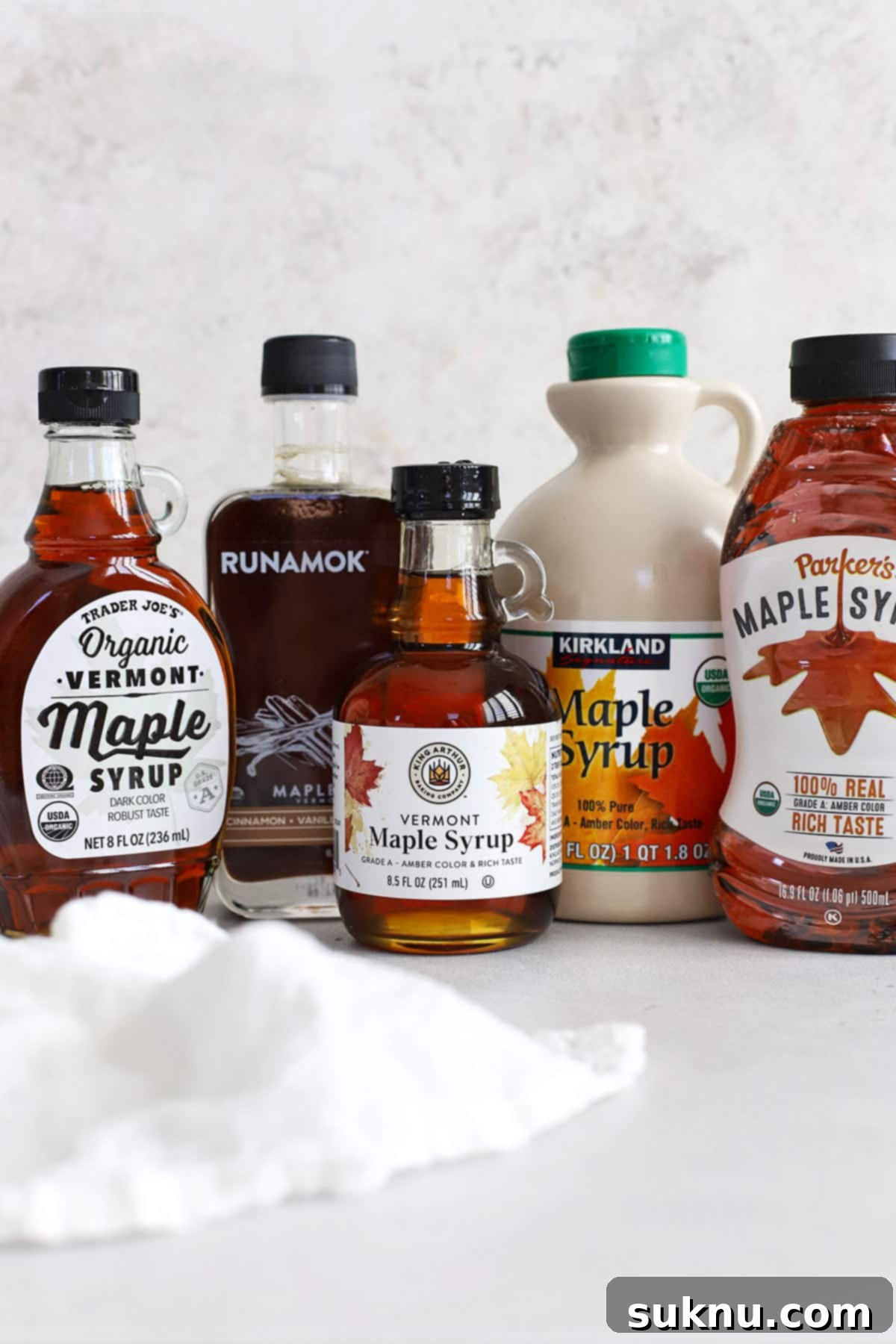
Which Brands Of Pure Maple Syrup Are Gluten-Free?
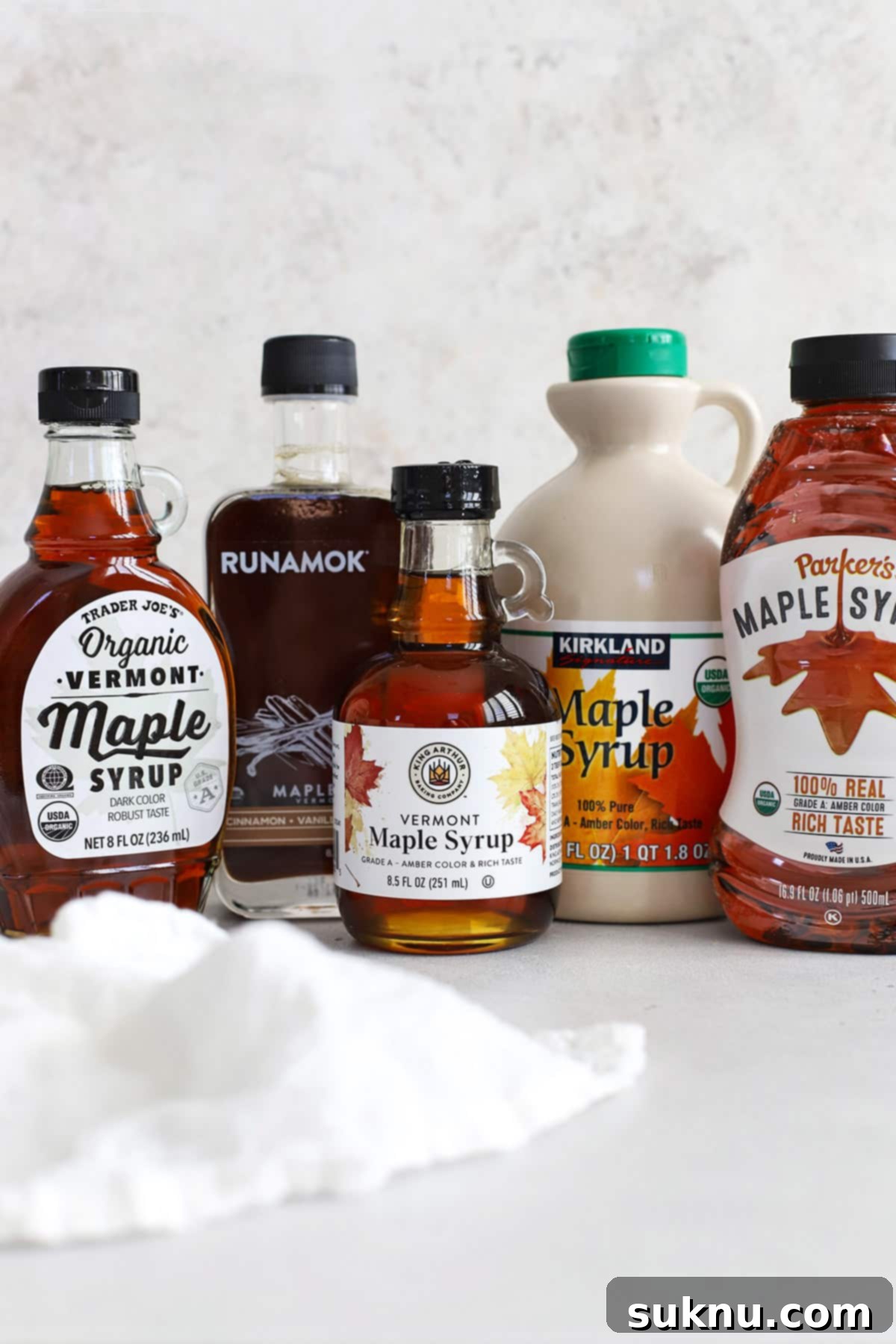
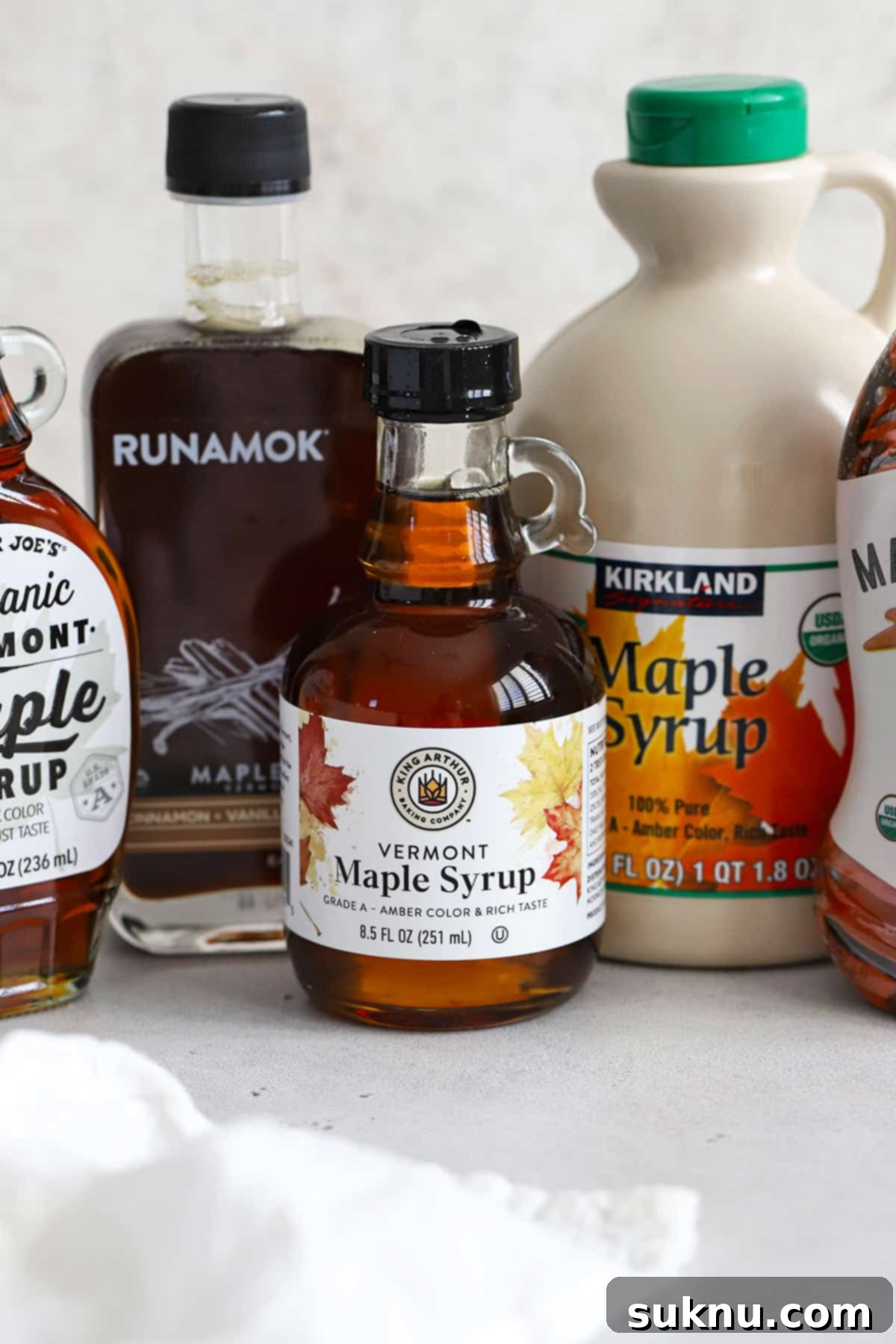
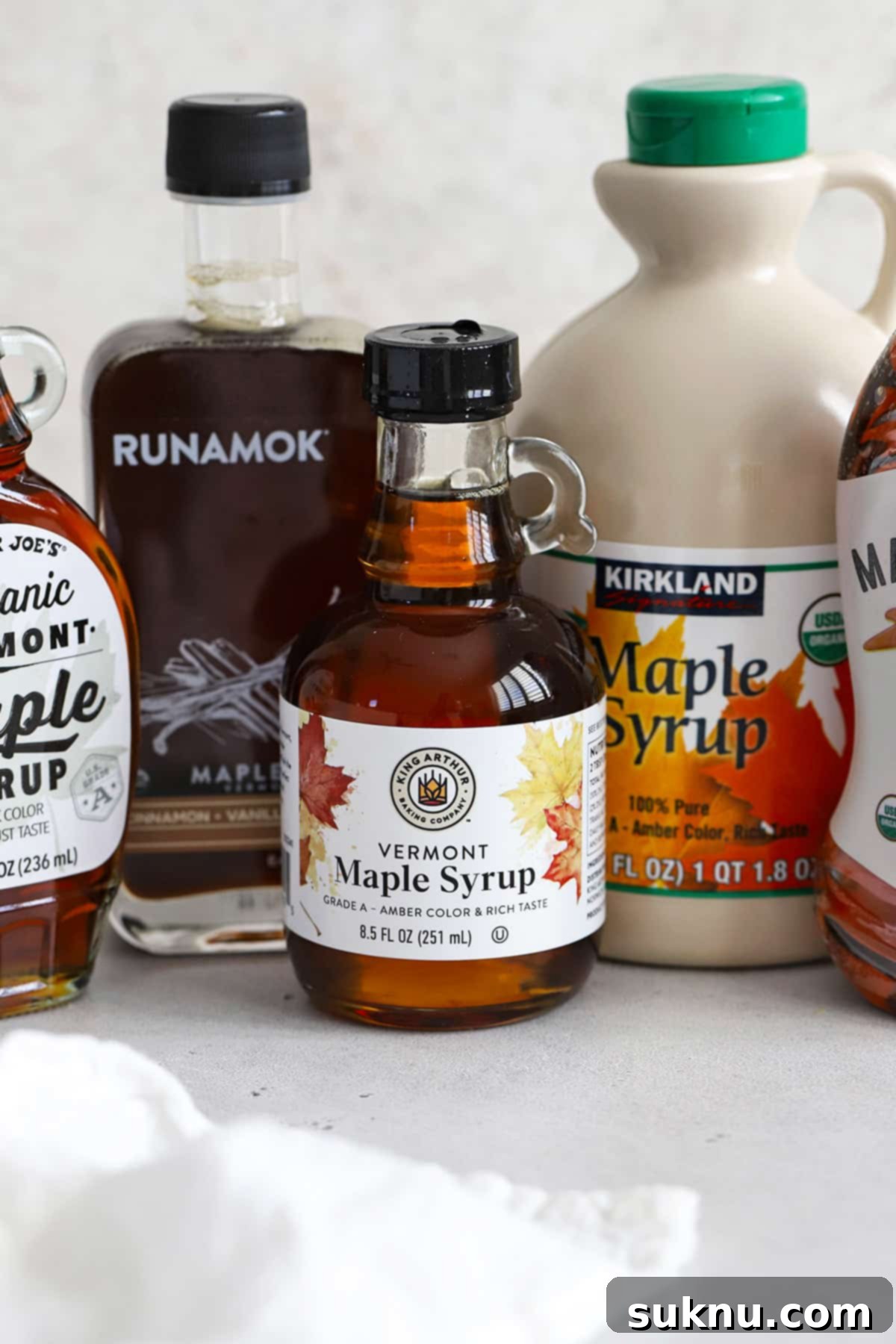
The excellent news for gluten-free consumers is that nearly all brands of pure maple syrup are inherently gluten-free, as their only ingredient is maple syrup. This makes finding a safe option straightforward. Many brands prioritize purity, ensuring their products are safe for those avoiding gluten. Here are a few reliable and widely available brands of gluten-free pure maple syrup:
- Kirkland Signature – Known for its quality and often a great value.
- Spring Tree – A long-standing name in maple syrup.
- Parker’s – Offers various grades of pure maple syrup.
- Shady Maple Farms – Specializes in organic maple products.
- Maple Grove Farms – A popular brand offering authentic maple flavors.
- Butternut Mountain Farm – A Vermont-based producer known for quality.
- Coombs Family Farms – Offers organic and ethically sourced maple syrup.
- 365 By Whole Foods – Whole Foods’ organic house brand, reliable for its purity.
- Runamok – Famous for its unique infused and barrel-aged maple syrups, all of which are gluten-free.
- Simple Truth Organic – Kroger’s organic house brand, typically a safe bet.
- Private Selection – Another store brand that generally offers pure maple syrup.
- Trader Joe’s – Their pure maple syrup is a consistent favorite.
- Good & Gather – Target’s house brand, widely accessible.
- King Arthur Baking – A trusted name in baking, their maple syrup is pure.
- Thrive Market – Offers a range of organic and natural products, including their own pure and infused maple syrups.
When purchasing, always perform a quick check of the label to confirm “100% pure maple syrup” and a minimal ingredient list, just to be extra cautious with any unexpected changes or rare flavored varieties.
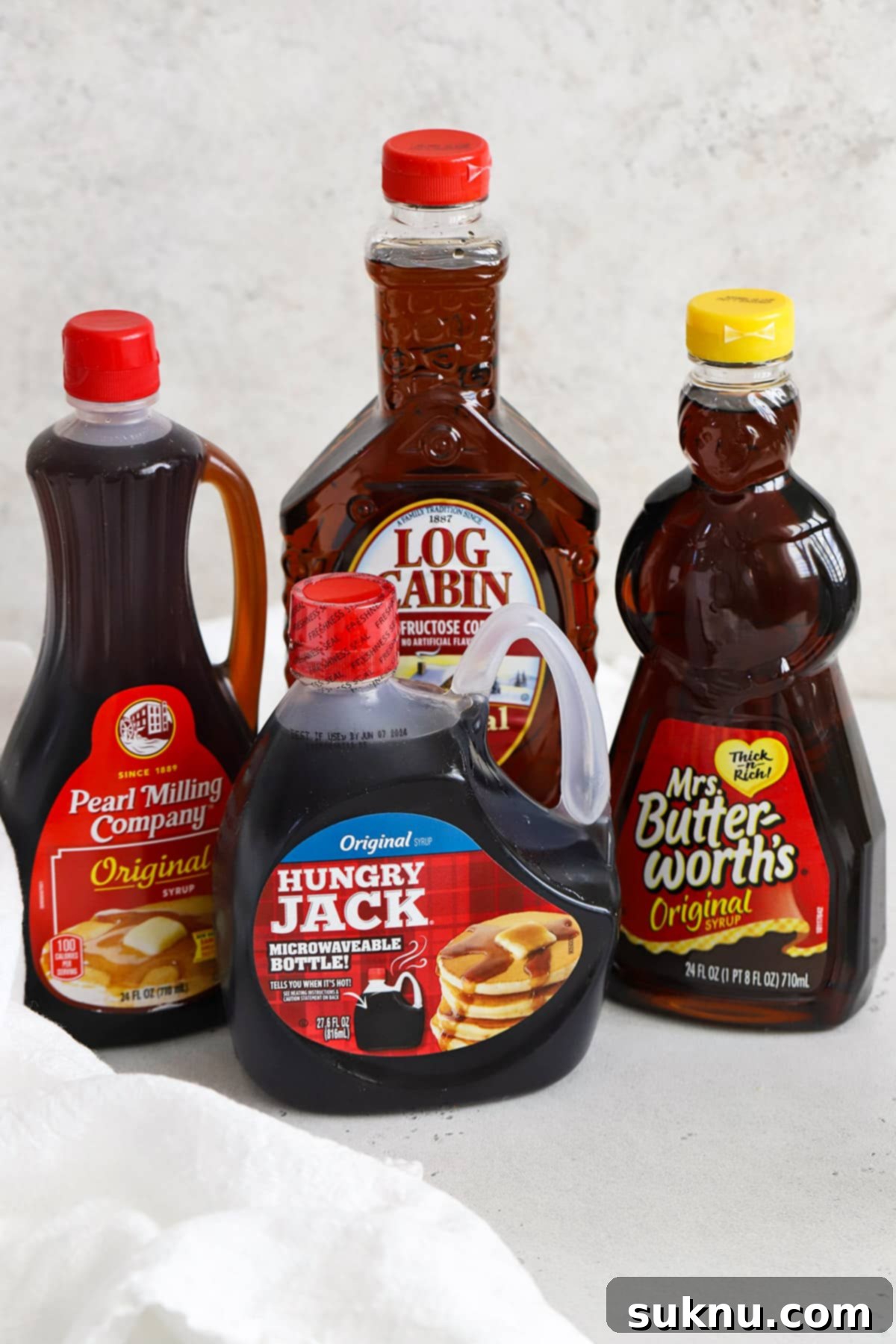
Is Pancake Syrup Gluten-Free?
Generally, yes, most pancake syrups found on grocery store shelves are considered gluten-free and are safe for individuals with celiac disease, gluten intolerance, or those following a gluten-free diet. The primary ingredients in standard pancake syrup typically include corn syrup, high-fructose corn syrup, sugar, water, and artificial flavorings, none of which traditionally contain gluten.
However, vigilance is always recommended when checking labels. There are a few key ingredients to watch out for:
- Malt or Malt Syrup: This is the most significant potential gluten-containing ingredient in syrup products. Malt is derived from barley, which is a gluten-containing grain. If you see “malt” or “malt syrup” in the ingredient list, the product is NOT gluten-free.
- Certain Colorants or Flavorings: While rare, some specialized colorings or natural/artificial flavorings could potentially contain wheat or gluten-derived components. Always check the ingredient list thoroughly.
- Cross-Contamination Warnings: Even if a product doesn’t contain gluten ingredients, manufacturing processes can introduce gluten. Look for explicit statements like “contains: wheat” or “may contain wheat” (or other gluten-containing grains) usually found near or below the ingredient list. These warnings indicate a risk of cross-contamination due to shared equipment or facilities, which can be a concern for those with severe gluten allergies or celiac disease.
For most common, mass-produced pancake syrups, you’ll find them free of gluten ingredients. But remember, reading the label every time is your best defense against accidental gluten exposure.
Which Brands Of Pancake Syrup Are Gluten-Free?
Navigating the grocery aisles for gluten-free options can be challenging, but when it comes to pancake syrup, many popular brands are safe bets. Here’s a detailed look at some common pancake syrup brands and their gluten-free status:
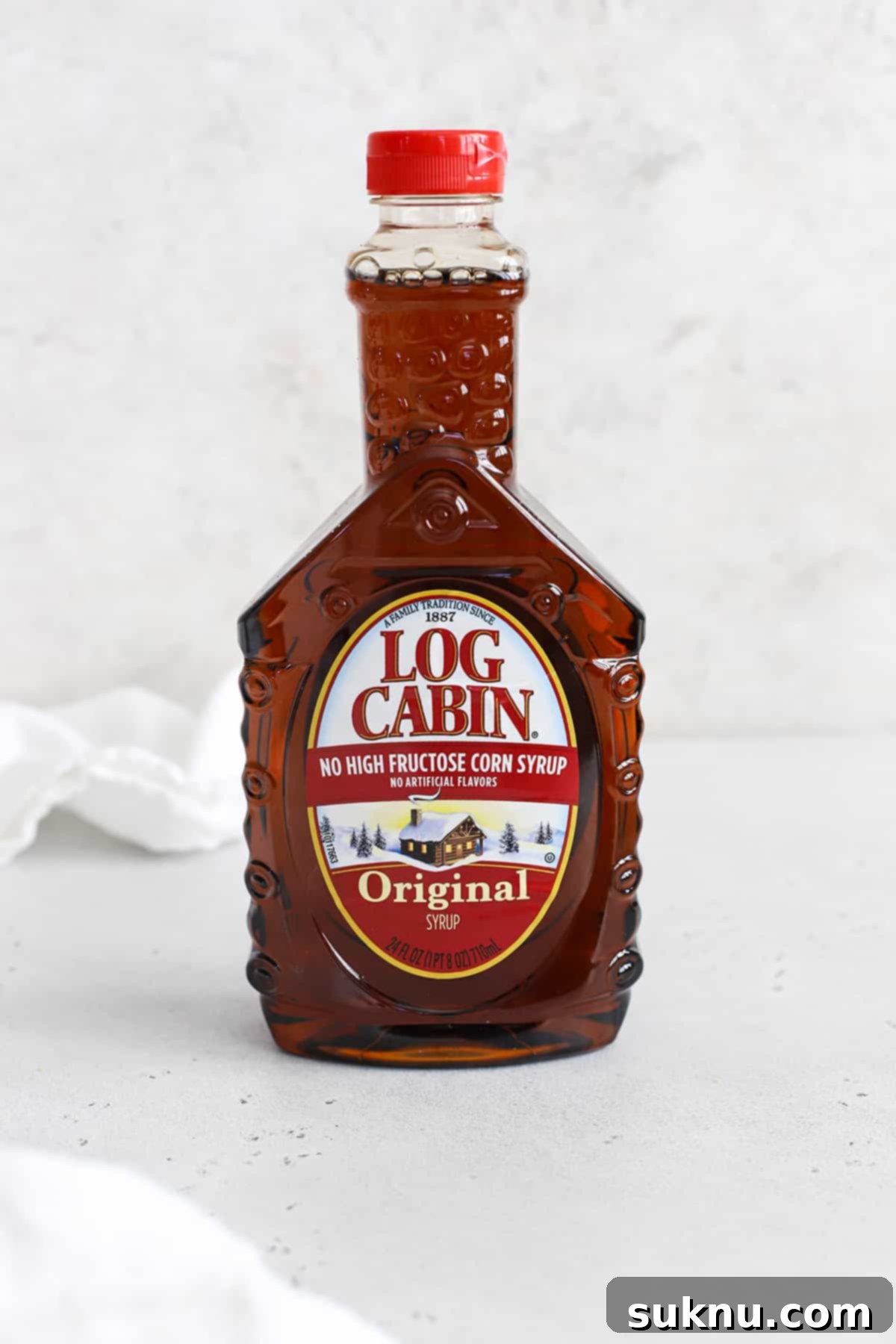
Is Log Cabin Syrup Gluten-Free?
Yes, Log Cabin pancake syrup is considered gluten-free. It contains no gluten-containing ingredients. While it may not carry a “certified gluten-free” label, Log Cabin products, owned by ConAgra Brands, adhere to a strict allergen labeling policy.
ConAgra Brands’ gluten-free policy clearly states that “All major food allergens are shown on the ingredient list of our products and/or will be noted in a ‘Contains’ statement just after the ingredient list.” Since Log Cabin syrup typically has no “contains” or “may contain wheat” statement, it indicates the absence of gluten ingredients and minimal risk of cross-contamination based on their internal standards. Log Cabin also produces a “natural maple syrup” variety, often made with brown rice syrup, which is also gluten-free.
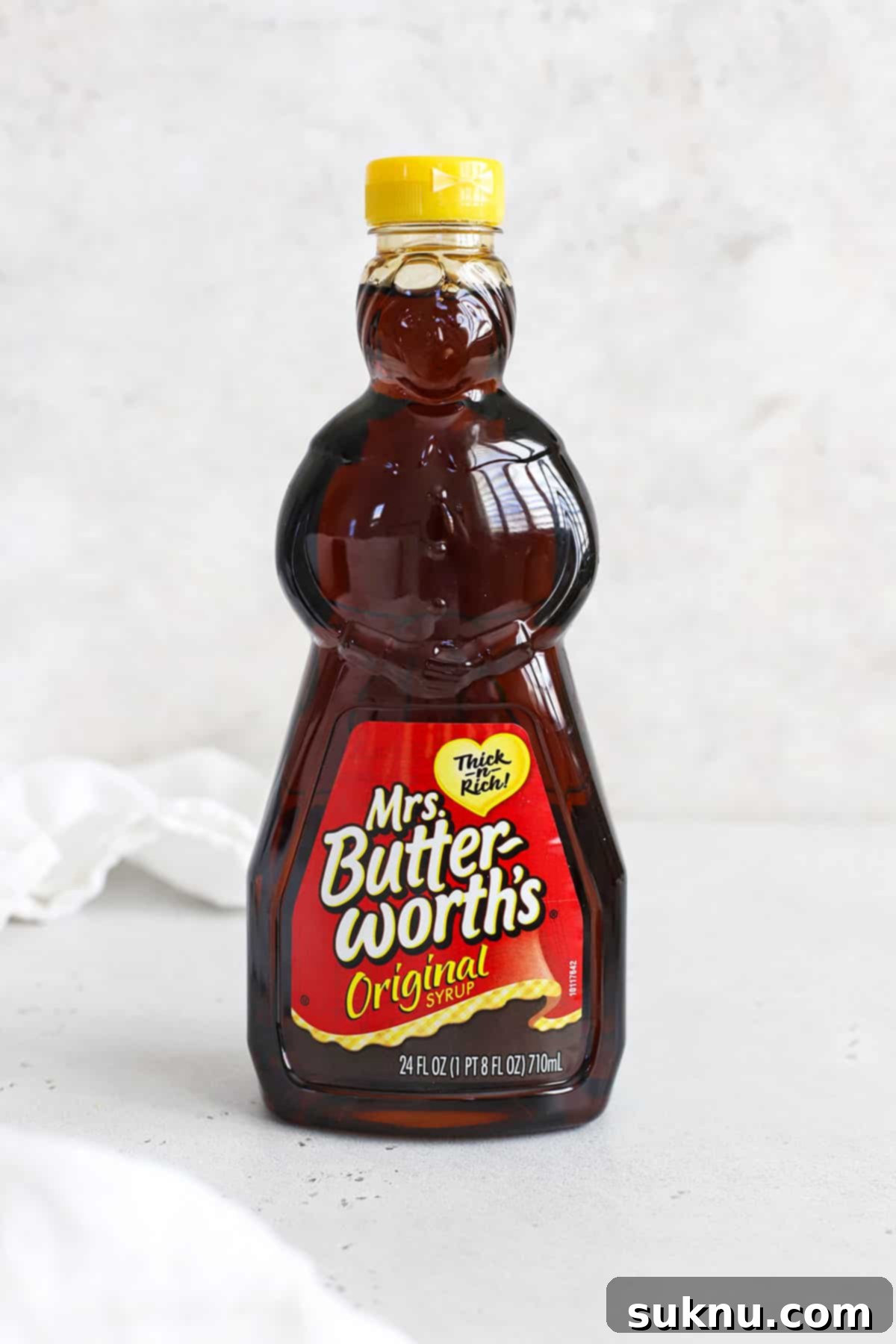
Is Mrs. Butterworth Syrup Gluten-Free?
Yes, Mrs. Butterworth’s syrup is gluten-free. It does not contain any of the top 8 major food allergens, which include wheat. While it may not be officially certified gluten-free, its ingredient list is free from gluten-containing components.
The Mrs. Butterworth’s website confirms, “According to the FDA, the most common food allergens are milk, peanuts, eggs, fish, crustacean shellfish, soy, tree nuts, and wheat. This product does not contain any of these common food allergens.” This assurance extends to its gluten-free status, making it a safe choice for many.
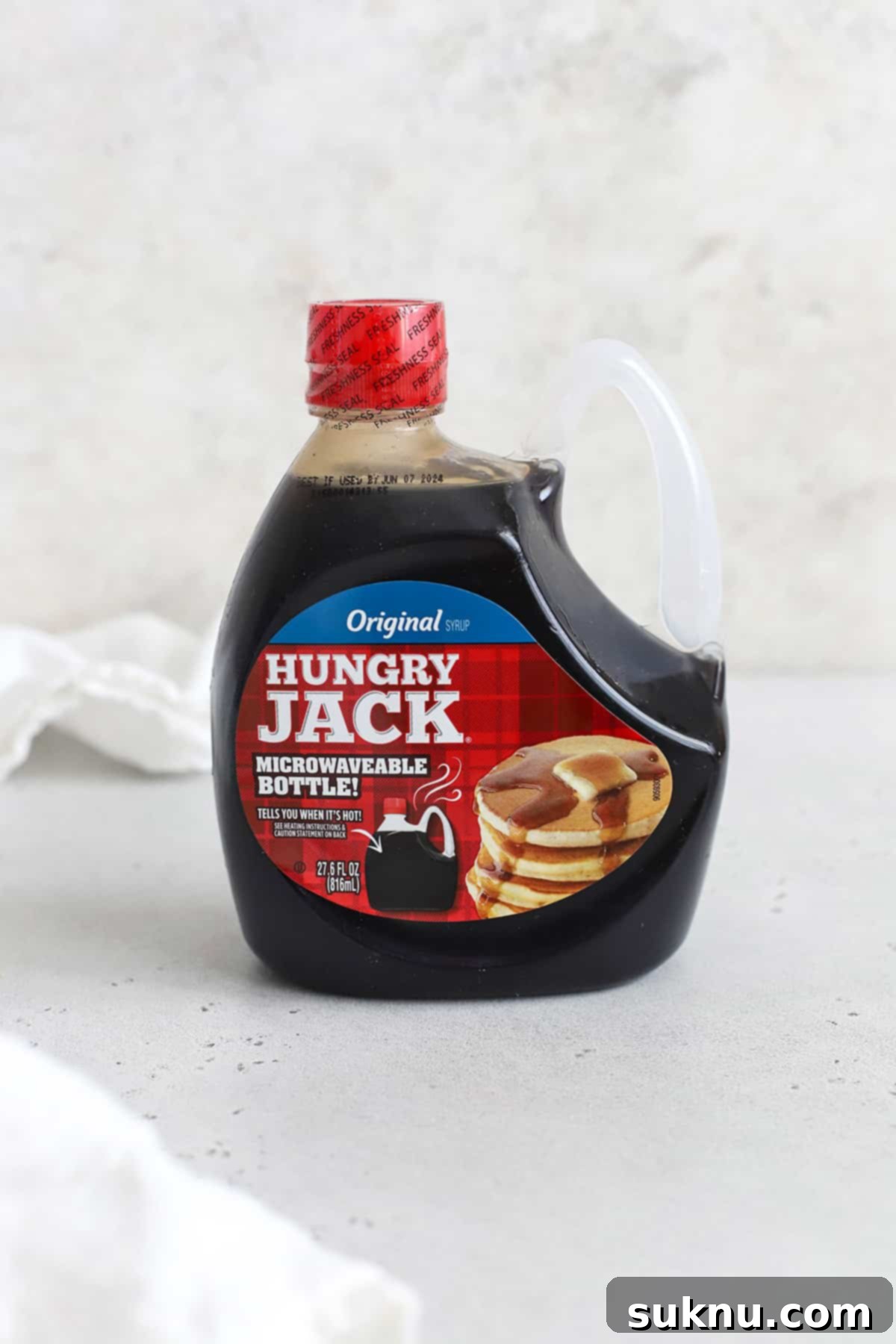
Is Hungry Jack Syrup Gluten-Free?
Yes, Hungry Jack pancake syrup contains no gluten ingredients and is also Kosher Pareve, indicating no dairy or meat components.
Their official website states that “Hungry Jack syrup does not contain ingredients derived from gluten.” They further elaborate that while their products are thoroughly screened for gluten ingredients and tested to meet gluten-free standards (<20 parts per million), they may not carry a “certified gluten-free” label based on their internal company criteria, which includes stringent manufacturing procedures and dedicated facilities. This still positions Hungry Jack as a safe and reliable option for gluten-free individuals.
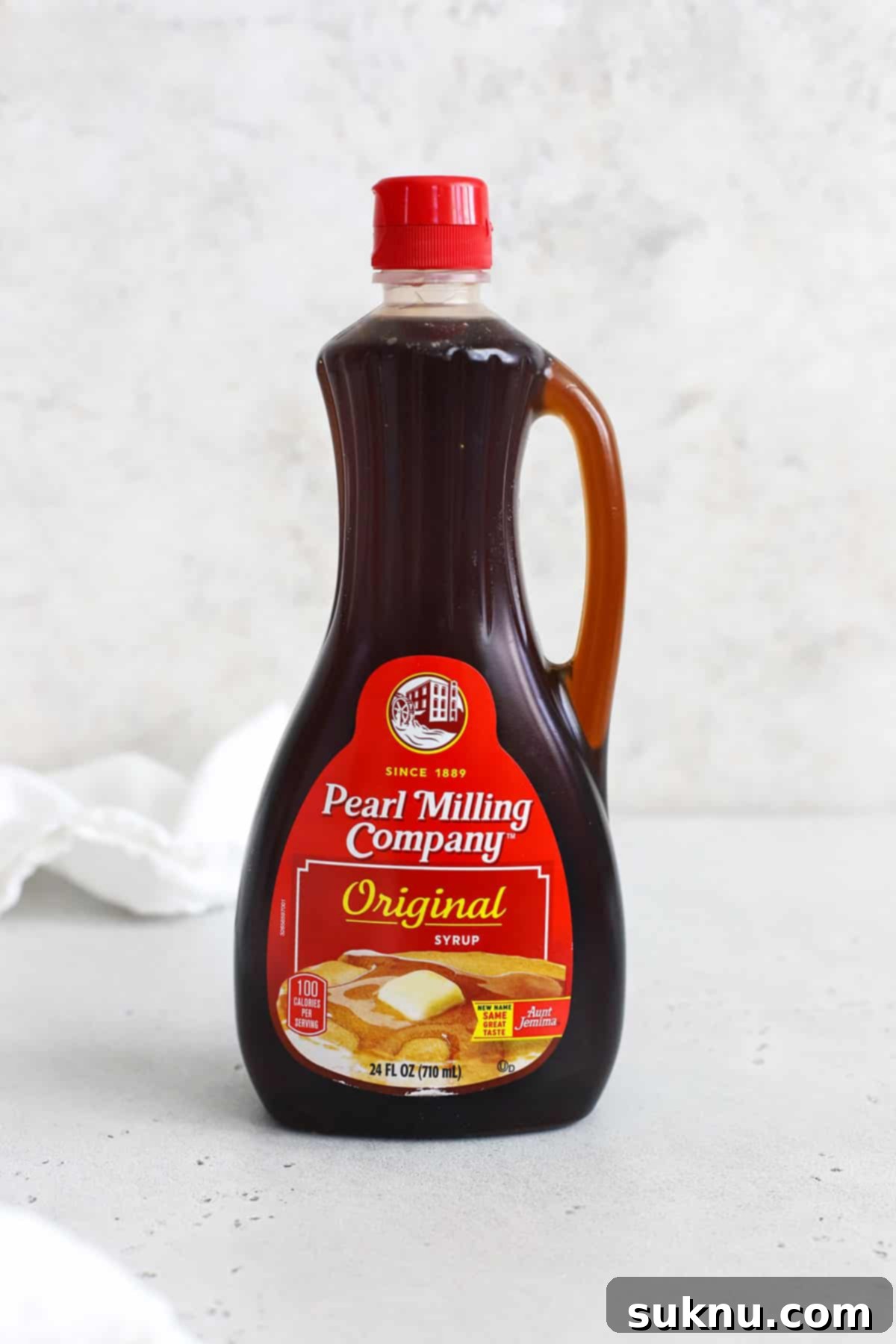
Is Pearl Milling Company Syrup Gluten-Free?
Yes. Pearl Milling Company syrup is considered gluten-free. Based on the ingredient information available on their website, their syrup does not list any gluten-containing ingredients and their labeling practices indicate the absence of major allergens.
The Pearl Milling Company’s allergen statement provides clear guidance: “Any of our food products that contain the most commonly allergenic foods (peanuts, tree nuts, shellfish, fish, egg, wheat, milk and soy) will include these allergens in the ingredient statement…We also highlight any of these allergens in bold letters following the ingredient list with a ‘contains’ statement to assist all consumers in identifying products containing known allergens.” Since no such warning for wheat is present on their syrup labels, it is safe to assume it’s gluten-free. (For reference: Pearl Milling Company is the re-branded name of the previous Aunt Jemima syrup, ensuring continuity in its gluten-free status).
Is Aunt Jemima Syrup Gluten-Free?
Aunt Jemima syrup was a long-standing brand that was rebranded to Pearl Milling Company syrup in 2020, named after the original company that produced the pancake mix. Prior to the rebranding, Aunt Jemima syrup was considered gluten-free, and this status has been maintained with the new Pearl Milling Company syrup, which is also confirmed to be gluten-free. Consumers who previously enjoyed Aunt Jemima can continue to enjoy Pearl Milling Company syrup without gluten concerns.
FAQ: Gluten-Free Syrup Explained
Here are answers to some frequently asked questions about gluten-free syrup to help you make confident choices for your diet:
How Can You Tell If Syrup Is Gluten-Free? The easiest way to determine if syrup is gluten-free is by carefully reading the ingredient list. For pure maple syrup, simply look for “100% pure maple syrup” as the only ingredient. If any additional flavorings are present, ensure those too are naturally gluten-free or explicitly stated as such. For pancake syrup and other flavored syrups, meticulously check the label for any mention of wheat, barley, rye, or derivatives like malt/malt syrup. Also, be on the lookout for a “contains” or “may contain” statement near the ingredients list (e.g., “may contain wheat”), which signals a potential cross-contamination risk that should be avoided by those with celiac disease or severe gluten sensitivity.
Can I Use Pancake Syrup Instead Of Maple Syrup For Baking? It is generally NOT recommended to substitute pancake syrup for pure maple syrup in recipes that call for baking or cooking. Pure maple syrup offers a unique, complex flavor profile and specific chemical properties that pancake syrup cannot replicate. Pancake syrup is typically much sweeter, often contains artificial flavors that can overpower a dish, and has a different viscosity and sugar composition that can negatively impact the taste, texture, and structure of your baked goods. The subtle, rich notes of real maple syrup are integral to many recipes, and using an imitation syrup will result in a noticeably different, and often inferior, outcome.
Can You Make Homemade Gluten-Free Syrup? Absolutely! If you’re looking for a homemade option, you can easily create gluten-free pancake syrup from scratch using common pantry ingredients like sugar (white or brown), water, vanilla extract, and a touch of maple extract for flavor. This allows you to control the sweetness and ingredients precisely. For a delightful, naturally gluten-free and fruity alternative, consider trying a homemade raspberry sauce or other fruit-based syrups.
What Are The Different Grades Of Pure Maple Syrup? The grading system for maple syrup was revised in recent years, and now all pure maple syrup falls under “Grade A,” with further distinctions based on color and taste intensity. These grades reflect the time of harvest and the sugar concentration:
- Grade A Golden Color With Delicate Taste: This syrup is typically harvested early in the season. It has the lightest color and the most subtle, delicate maple flavor, often described as sweet and buttery. It’s perfect when you want a hint of maple without overwhelming other flavors.
- Grade A Amber Color With Rich Taste: This is the most popular and widely recognized grade, often considered the “classic” maple syrup taste. It has a medium amber color and a well-balanced, rich maple flavor that is distinct but not overpowering. Versatile for most uses.
- Grade A Dark Color With Robust Taste: Harvested later in the season, this syrup is darker in color and boasts a more intense, pronounced maple flavor. It’s excellent for cooking, baking, or glazes where you want the maple taste to really shine through.
- Grade A Very Dark Color With Strong Taste: This grade is produced at the very end of the season and has the darkest color and strongest, most concentrated maple flavor. It’s often used in commercial baking, savory recipes, or as a strong flavoring agent where a powerful maple punch is desired.
Does It Matter Which Grade Of Maple Syrup I Use? For most general uses, such as topping pancakes or waffles, the different grades of maple syrup are largely interchangeable and come down to personal preference for flavor intensity. However, for specific recipes, the grade can make a difference. Lighter grades (Golden) are best for delicate desserts or beverages where a subtle sweetness is desired. Amber is versatile for almost anything. Darker grades (Dark and Very Dark) are ideal for baked goods, glazes, marinades, or savory dishes where a robust, pronounced maple flavor is a key component. Experimenting with different grades can open up new culinary possibilities!
The Bottom Line:
For individuals adhering to a gluten-free diet, the world of syrup is largely open and welcoming! The key takeaway is simple: **all pure maple syrup is naturally gluten-free,** making it a safe and delicious choice. When it comes to **pancake syrups, most commercially available brands are also gluten-free,** as their core ingredients do not contain gluten. However, always exercise caution by thoroughly reading ingredient labels and checking for “malt” or “contains wheat” statements, especially for flavored varieties or for those with severe sensitivities to cross-contamination.
You can confidently enjoy either pure maple syrup or most pancake syrups on your gluten-free pancakes, French toast casserole, waffles, and other breakfast favorites. For cooking and baking, however, we highly recommend sticking to pure maple syrup to ensure the best flavor and texture outcomes in your recipes. With this knowledge, you can sweeten your meals with peace of mind!
Gluten-Free Recipes To Try With Syrup
- Fluffy Gluten-Free Belgian Waffles
- Gluten-Free Banana Crumb Muffins
- Blender Pumpkin Oatmeal Pancakes – One Lovely Life
- Gluten-Free Pumpkin Streusel Bread With Maple Glaze
- Gluten-Free Eggnog French Toast Casserole
More Gluten-Free Baking & Food Tips To Try:
Are Rice Krispies Gluten-Free?
Are Graham Crackers Gluten-Free?
Are M&M’s Gluten-Free?
Are Marshmallows Gluten-Free?
Are Corn Flakes Gluten-Free?