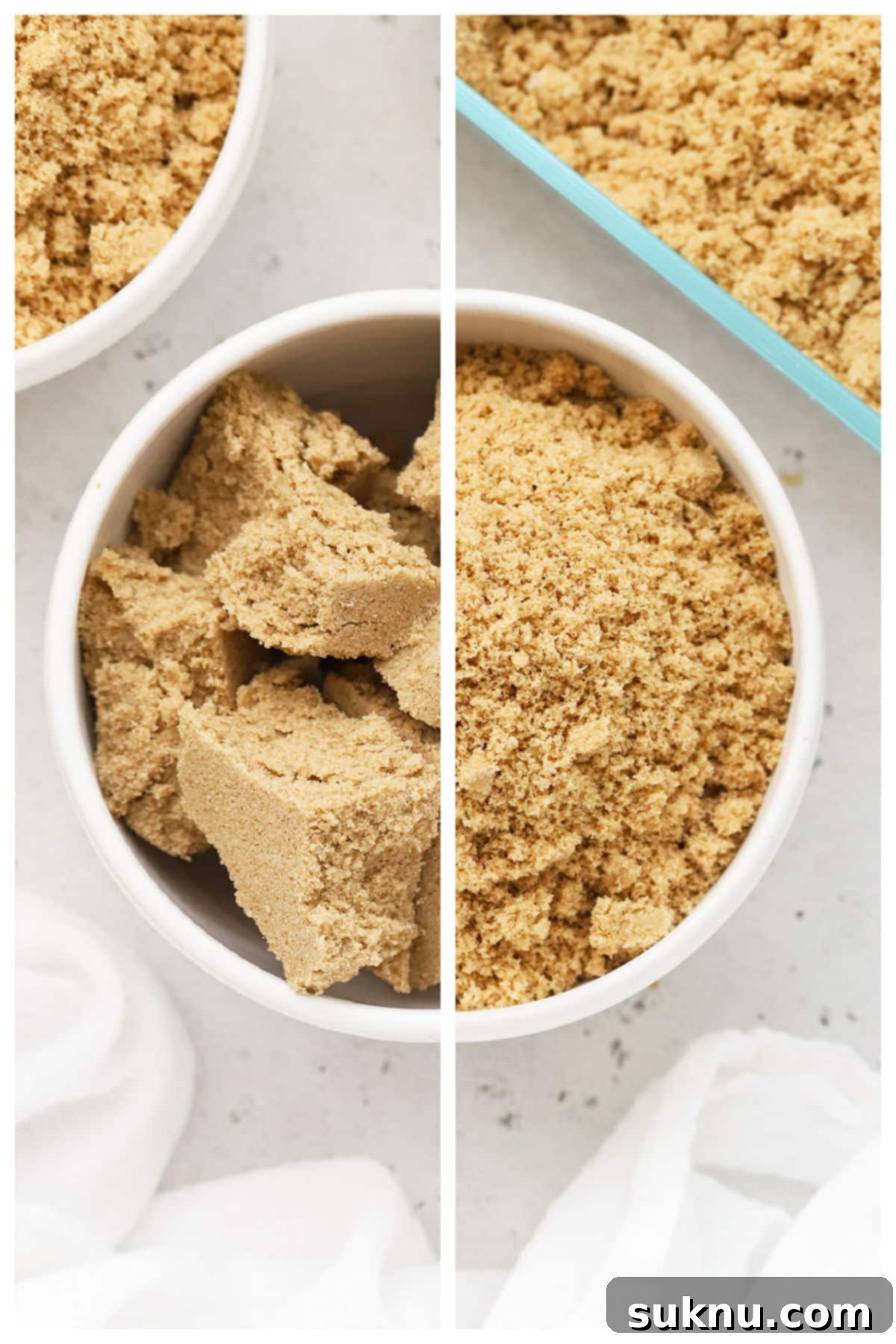
Revive Your Recipes: The Ultimate Guide to Softening Hard Brown Sugar (5 Effective Methods!)
Don’t let rock-hard brown sugar ruin your baking! Discover 5 tried-and-true methods to soften brown sugar quickly, plus essential tricks to keep it perfectly soft for future use.
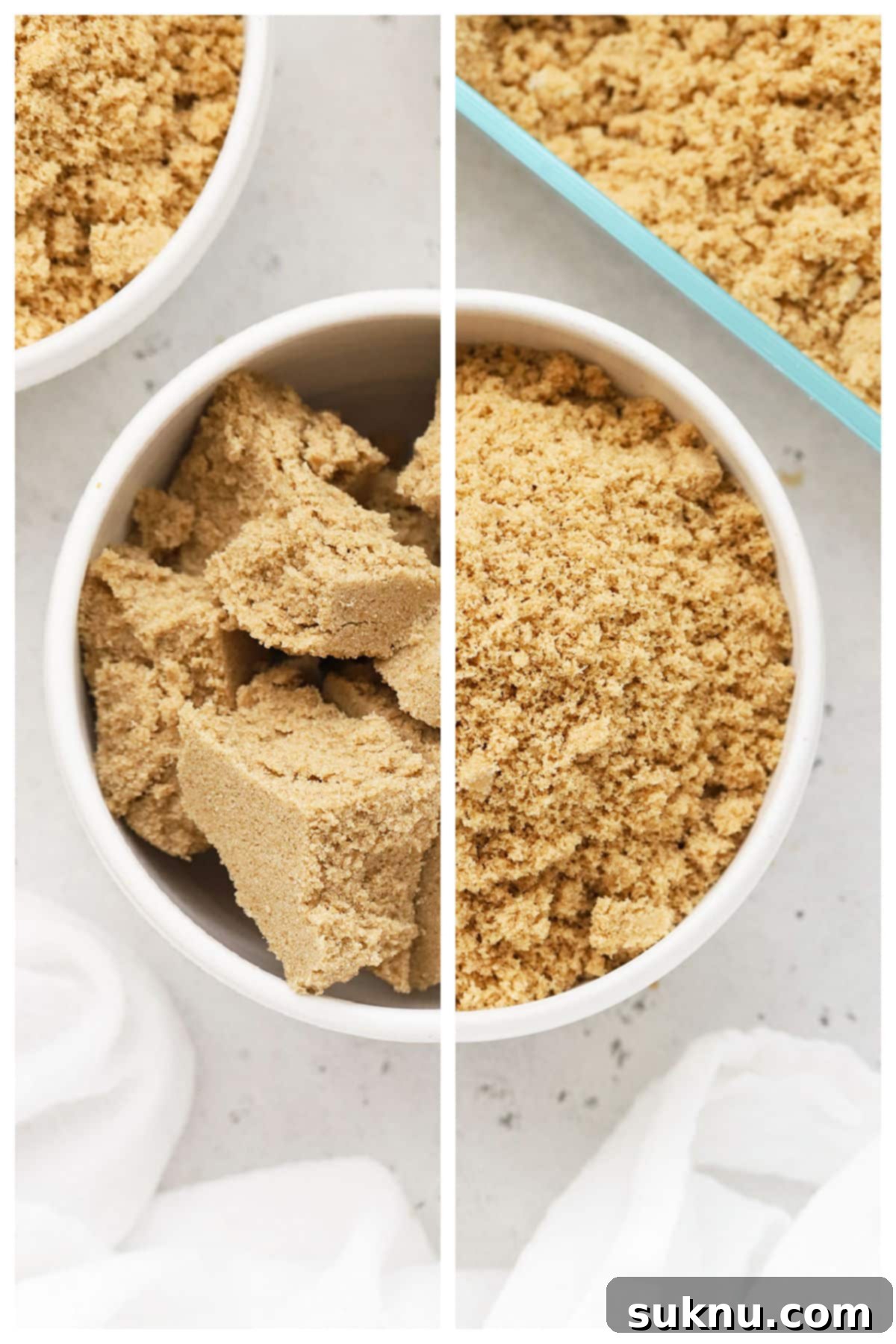
Brown sugar is a star ingredient in countless recipes, celebrated for its unique caramel notes, rich flavor, and moist texture. From making chewy cookies and fudgy brownies to delightful bars, fluffy cakes, savory dips, crunchy caramel corn, and silky frostings, its versatility is unmatched. As a recipe developer and food blogger, I appreciate how this distinctive type of sugar elevates any creation. However, every baker eventually faces a common dilemma: reaching for the brown sugar only to find it’s solidified into a dense, unyielding lump.
Before you despair and consider tossing that rock-hard block, know that this is a perfectly normal occurrence and entirely fixable! There are numerous effective ways to bring your brown sugar back to its soft, pliable state, ensuring your baking plans stay on track. This comprehensive guide will equip you with the best techniques for softening brown sugar, whether you need it in a hurry or prefer a more hands-off approach. We’ll explore rapid solutions for immediate baking needs, discover clever tricks for maintaining its softness long-term, and even uncover the science behind why it hardens in the first place. Get ready to transform your hard brown sugar into a dreamy, scoopable delight!
Why Does Brown Sugar Get Hard? The Science Behind the Solid Sugar
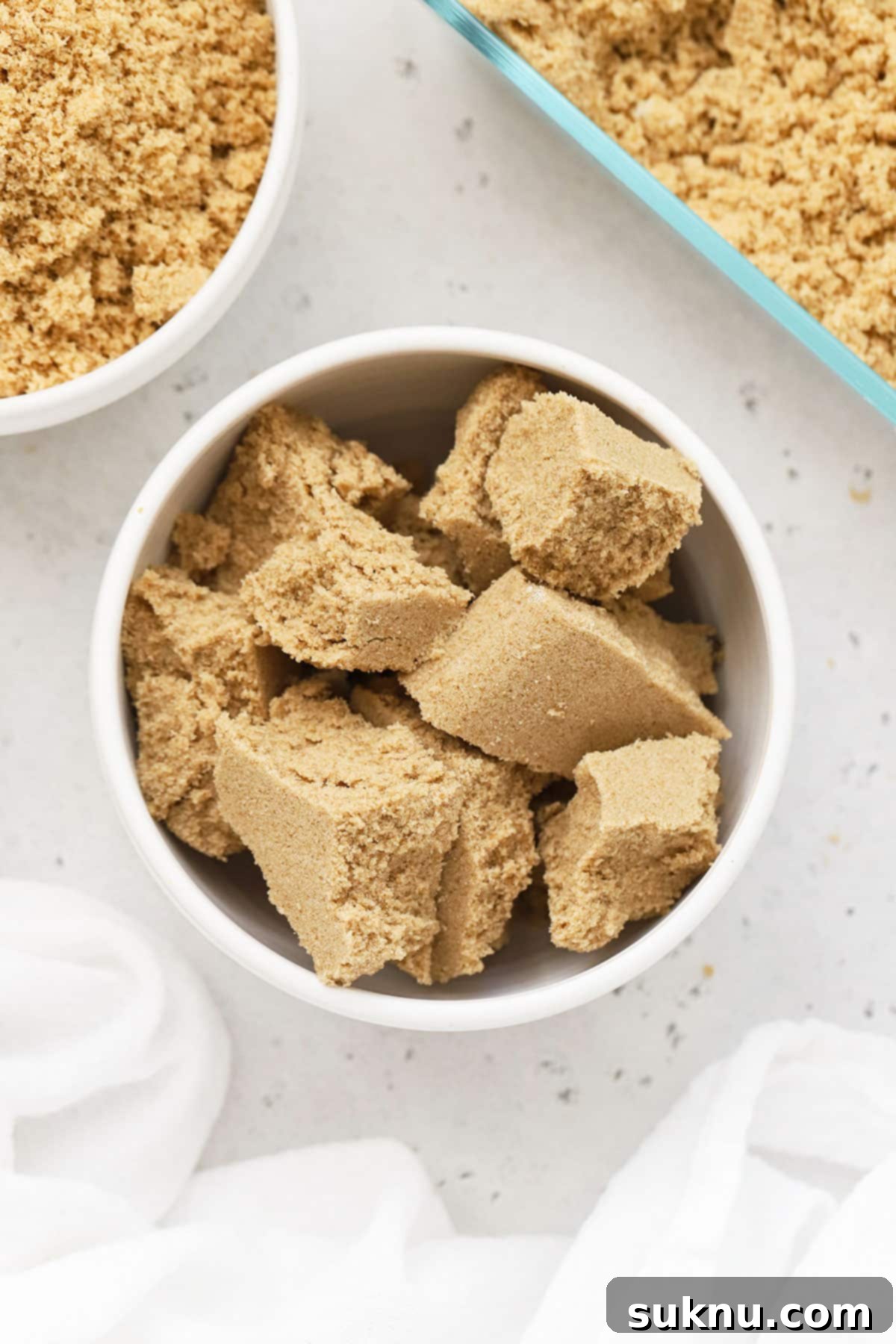
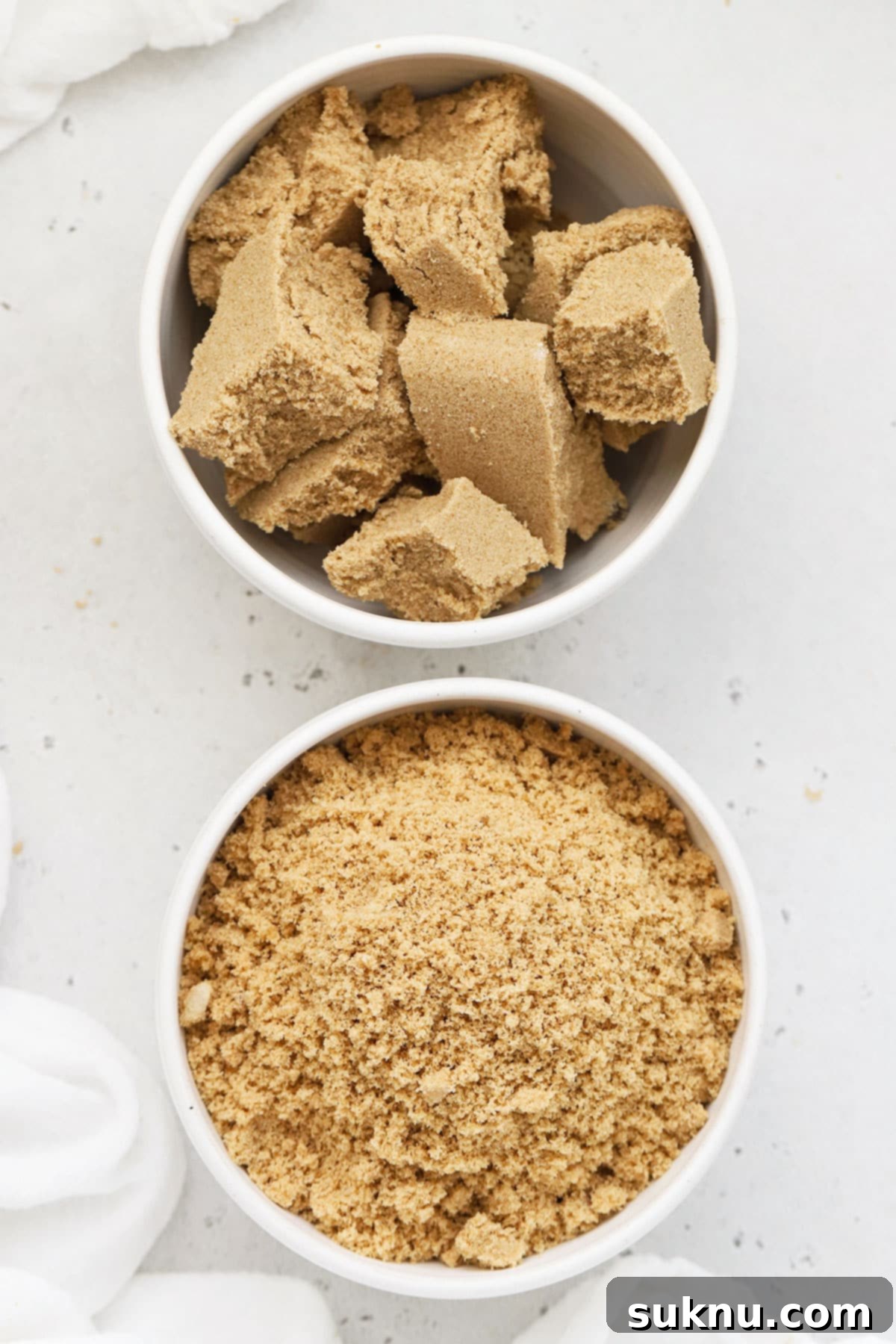
Understanding why brown sugar hardens is the first step to effectively softening and preventing it. Unlike white granulated sugar, brown sugar gets its characteristic color and moist texture from molasses. Light brown sugar contains less molasses than dark brown sugar, but both varieties share this crucial component. Molasses is hygroscopic, meaning it readily attracts and holds onto moisture. However, when brown sugar is exposed to air, the water molecules within the molasses begin to evaporate. As this essential moisture disappears, the sugar crystals bind tightly together, forming that familiar, rock-hard lump or several stubborn clumps.
The good news is that hardened brown sugar is not spoiled; it’s simply dehydrated. This means its flavor and sweetness are perfectly intact, making it safe and desirable for baking once re-softened. There’s no need to throw it away! Below, we’ll dive into five practical and easy methods to revive your brown sugar, ensuring it’s ready for all your culinary adventures.
5 Best Ways to Soften Brown Sugar for Perfect Baking
1. Microwave Method: Instant Softness for Urgent Baking!
Materials Needed: Microwave, microwave-safe bowl, damp paper towel.
When you’re in the middle of a recipe and realize your brown sugar is a solid brick, the microwave method is your fastest friend. This technique rapidly reintroduces moisture through steam, transforming hard sugar into soft, crumbly goodness in mere minutes. It’s truly the quickest and most straightforward way to get your brown sugar ready for action.
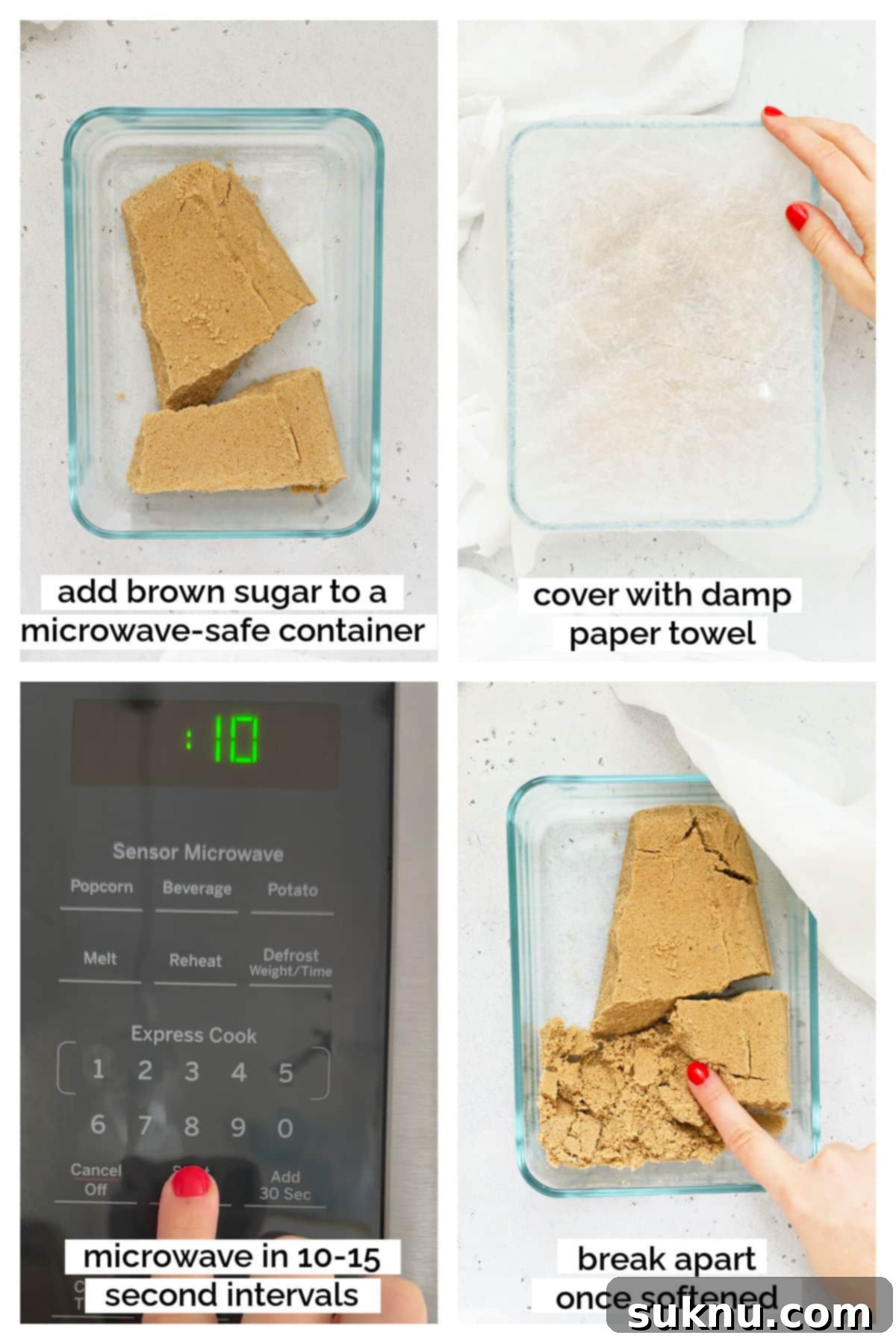
Step-by-Step Instructions:
- Prepare the Sugar: Place the hard brown sugar into a large microwave-safe bowl. If it’s one very large chunk, you can try to break it into smaller pieces first, but it’s not strictly necessary.
- Dampen Paper Towels: Get a few sheets of paper towel wet under the tap, then squeeze out all excess water until they are damp but not dripping. The goal is to create steam, not to add liquid directly to the sugar.
- Microwave in Intervals: Cover the bowl of brown sugar with the damp paper towels. Microwave on high for 10-15 second intervals. After each interval, remove the bowl, carefully lift the paper towels (watch out for steam!), and use a fork to gently poke and stir the sugar. You’ll notice it gradually becoming softer and easier to break apart.
- Repeat Until Soft: Continue microwaving in short bursts and stirring until the sugar reaches your desired soft and crumbly consistency. This process usually takes anywhere from 30 seconds to a couple of minutes, depending on the hardness of your sugar. Be patient, and it will feel like magic!
Expert Tip: Always microwave in short intervals and stir frequently to prevent the sugar from melting or getting too hot. Overheating can cause the sugar to crystallize and become even harder once cooled, or worse, turn into a sticky syrup. Gentle heating is key.
2. Oven Method: Gentle Warmth for Revived Brown Sugar
Materials Needed: Oven, oven-safe container (baking dish, pie pan, or sheet pan).
If you prefer not to use a microwave or are dealing with a larger quantity of hard brown sugar, the oven offers a fantastic alternative. This method works on the same principle as the microwave – using gentle heat to reintroduce moisture and soften the sugar crystals. It’s a slightly slower approach but equally effective, yielding beautifully soft brown sugar.
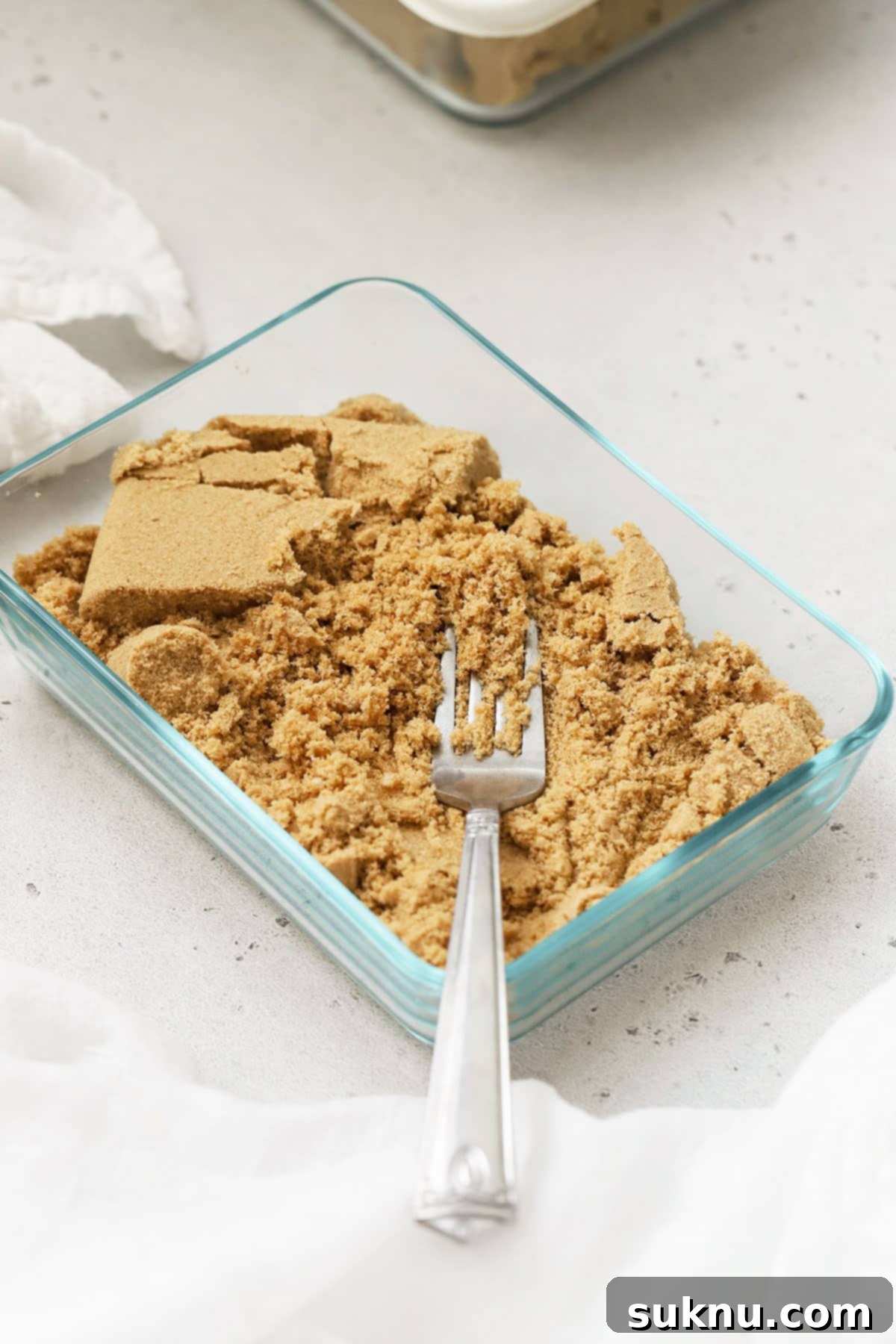
Step-by-Step Instructions:
- Preheat Oven & Prepare Sugar: Preheat your oven to a low temperature, around 250 degrees F (120 degrees C). Place the hard brown sugar in an oven-safe container such as a pie pan, a small baking dish, or a rimmed sheet pan. Spread it out as much as possible for even heating.
- Heat Gently: Place the container with the sugar into the preheated oven. Heat for approximately 3-5 minutes. During this time, the residual moisture in the sugar will begin to warm up, making the crystals more pliable.
- Stir and Check: After 3 minutes, carefully remove the container from the oven. Use a fork to stir and break up any large pieces of sugar. If it’s still too hard, return it to the oven for another 1-2 minutes, then check again.
- Monitor Carefully: It’s crucial to watch the sugar closely. You want it to soften, not melt. Once it becomes soft and crumbly, remove it immediately from the oven. If left too long, the sugar can melt, then re-harden into an even more impenetrable block when cooled.
Expert Tip: For exceptionally hard sugar, you can place a small, heat-safe dish of water in the oven alongside the sugar. This will create a humid environment, helping to rehydrate the sugar more effectively. Always supervise this process to prevent over-baking.
3. Bread Method: The Overnight Miracle (My Personal Favorite!)
Materials Needed: 1 slice of fresh bread (gluten-free, if applicable).
This “old-school” method is incredibly effective, remarkably simple, and my personal favorite for consistently softening brown sugar without any heat. The secret lies in the bread’s natural moisture. Brown sugar, being hygroscopic, will slowly draw moisture from the bread over several hours, leaving it perfectly soft and ready for your baking projects. It’s also a great way to use up the end pieces of a loaf!
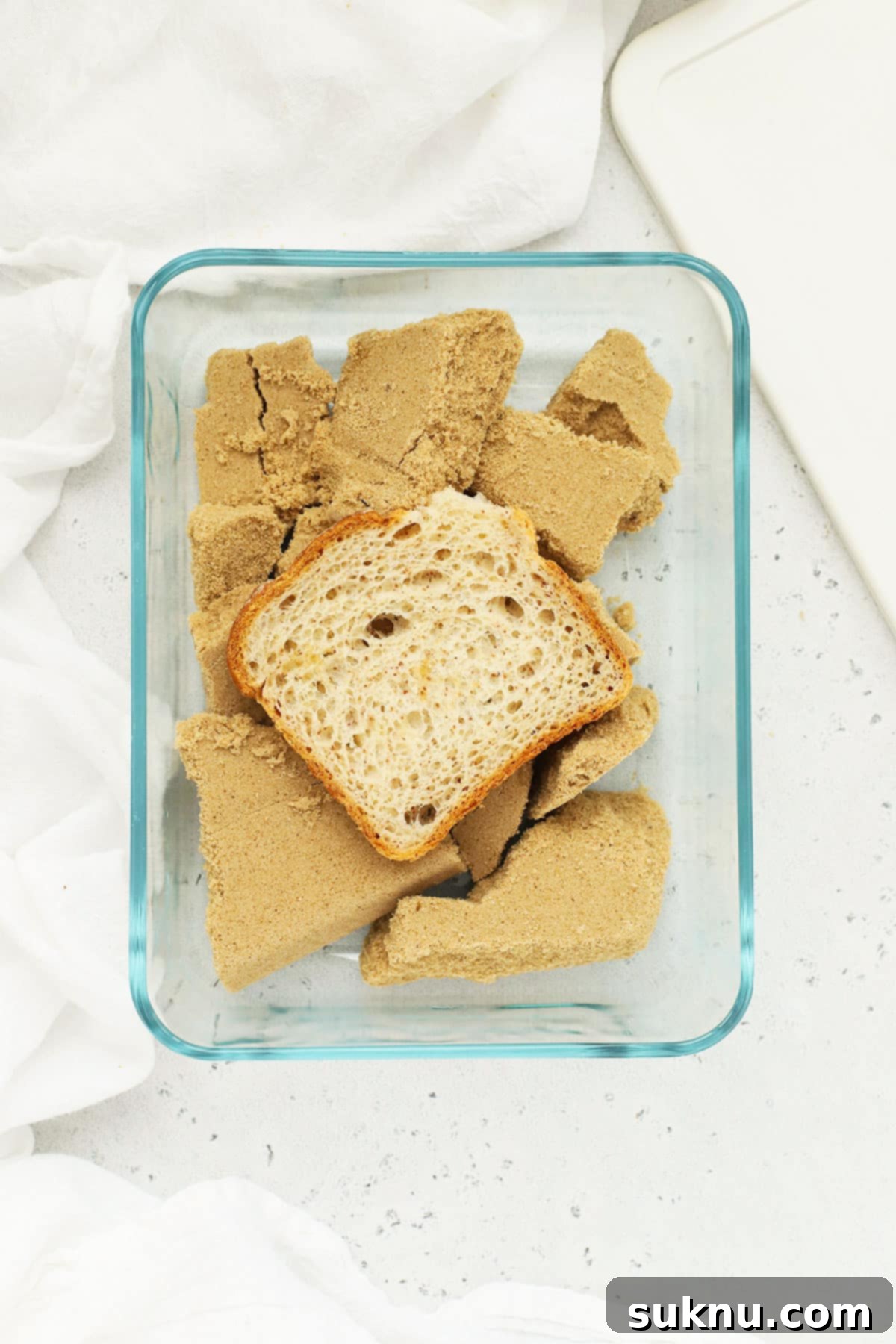
Step-by-Step Instructions:
- Place Bread with Sugar: Take one slice of fresh bread and place it directly into the container or bag with your hard brown sugar. I usually set it right on top of the sugar, ensuring good contact.
- Seal and Wait: Seal the container or bag tightly to trap the moisture. Leave the bread with the sugar overnight, or for at least 8 hours. For very stubborn, rock-hard sugar, you might need to leave it for up to 24 hours.
- Remove and Enjoy: After the waiting period, remove the bread slice (it will likely be dry and hard) and discard it. Your brown sugar should now be magically soft, loose, and easy to measure! Depending on the initial hardness, you might find it soft enough to use after just a few hours.
Important Considerations:
- Fresh Bread is Key: This trick only works with fresh bread, as the sugar needs moisture to absorb. Stale or dry bread won’t have enough moisture to donate.
- Discard Promptly: Always discard the bread after 24 hours to prevent mold from developing in your sugar.
- Gluten-Free Note: If you or anyone consuming your baked goods is gluten-free, it is absolutely crucial to use ONLY gluten-free bread for this method. If regular wheat bread is used, the sugar will absorb gluten particles, rendering it unsafe for individuals with Celiac disease or gluten intolerance. Cross-contamination is a serious concern here.
While some people use apple slices for a similar effect, I find them to be too moist and potentially introduce too much liquid, leading to a sticky, clumpy mess rather than perfectly soft sugar. The bread method offers a more controlled and reliable outcome.
4. Food Processor or Grater Method: Mechanically Breaking Down Lumps
Materials Needed: A food processor or a sturdy box grater.
Sometimes, “softening” means breaking apart. If you need your brown sugar to be crumbly for a recipe right now and don’t want to add moisture or wait, using mechanical tools like a food processor or a box grater can quickly turn a hardened brick into a useable form. While this method doesn’t reintroduce moisture, it effectively breaks down the large clumps, mimicking the texture of soft brown sugar.
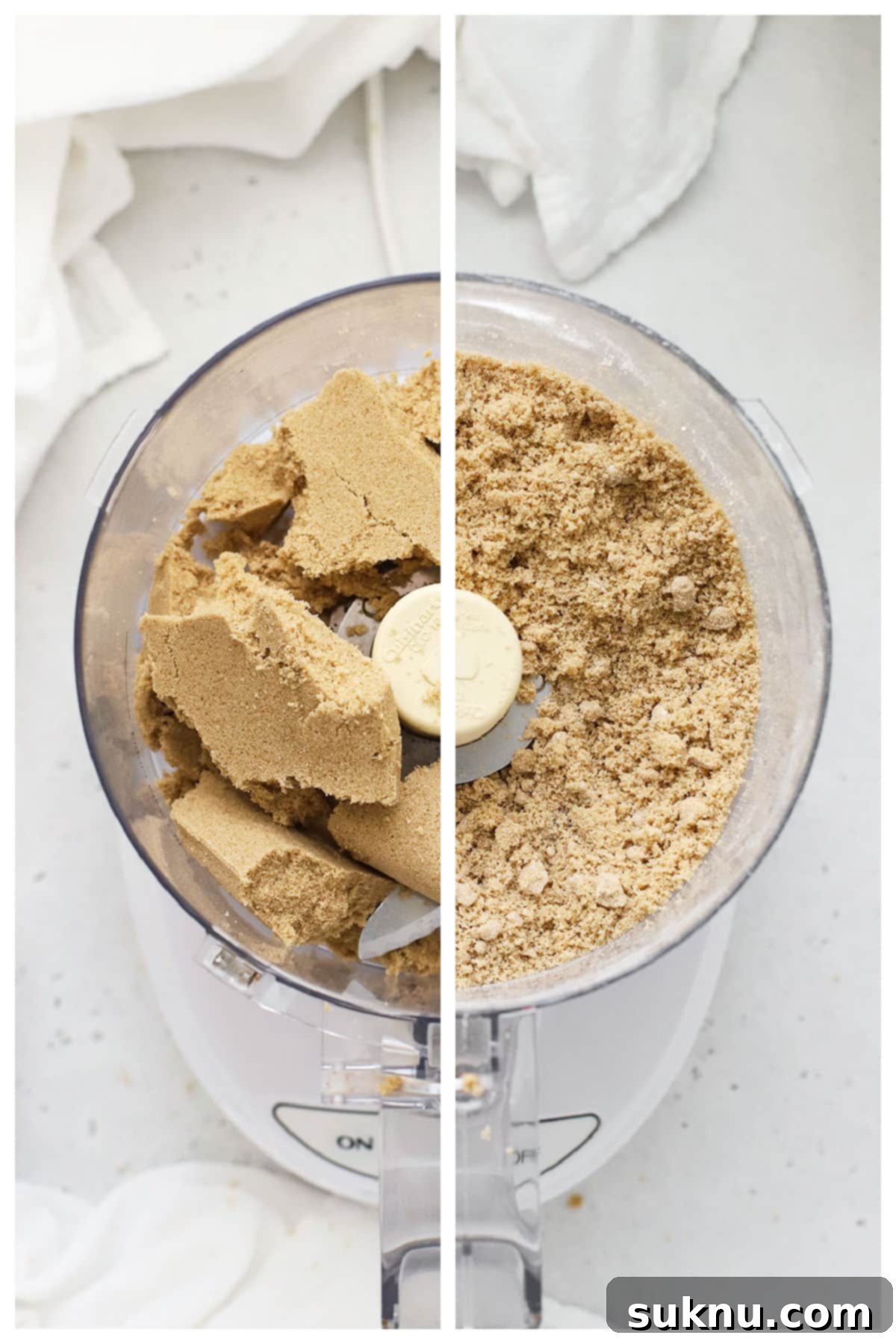
Step-by-Step Instructions:
- Using a Box Grater (Carefully!): If opting for a box grater, place it securely on a plate or in a large bowl. Carefully hold the hardened brown sugar block and grate it against the larger holes of the grater. Shave off pieces until you have the desired amount of crumbly sugar. Exercise extreme caution to avoid grating your fingers.
- Using a Food Processor (Recommended for Safety): For a safer and more efficient approach, place the hard brown sugar into the bowl of a food processor or even a strong blender. Pulse the sugar in short, quick bursts. This action will break up the large clumps into a finer, more uniform texture. Continue pulsing until the sugar is uniformly crumbly, resembling freshly opened brown sugar.
Safety First: The food processor method is generally preferred over the box grater as it significantly reduces the risk of injury and provides a more consistent texture. This method is ideal when you need to use the sugar immediately and re-moisturizing isn’t a priority.
5. Terra Cotta Sugar Saver: A Sustainable Moisture Keeper
Materials Needed: 1 terra cotta sugar saver (disc, medallion, or bear).
For those seeking a reusable and long-term solution, the terra cotta sugar saver is a time-honored tool. This method relies on the same moisture-transfer principle as the bread trick but utilizes a porous clay object to slowly release humidity into your sugar. While some find it less immediately effective than bread for severely hardened sugar, many families swear by its ability to keep sugar soft for months, making it an excellent preventative measure.
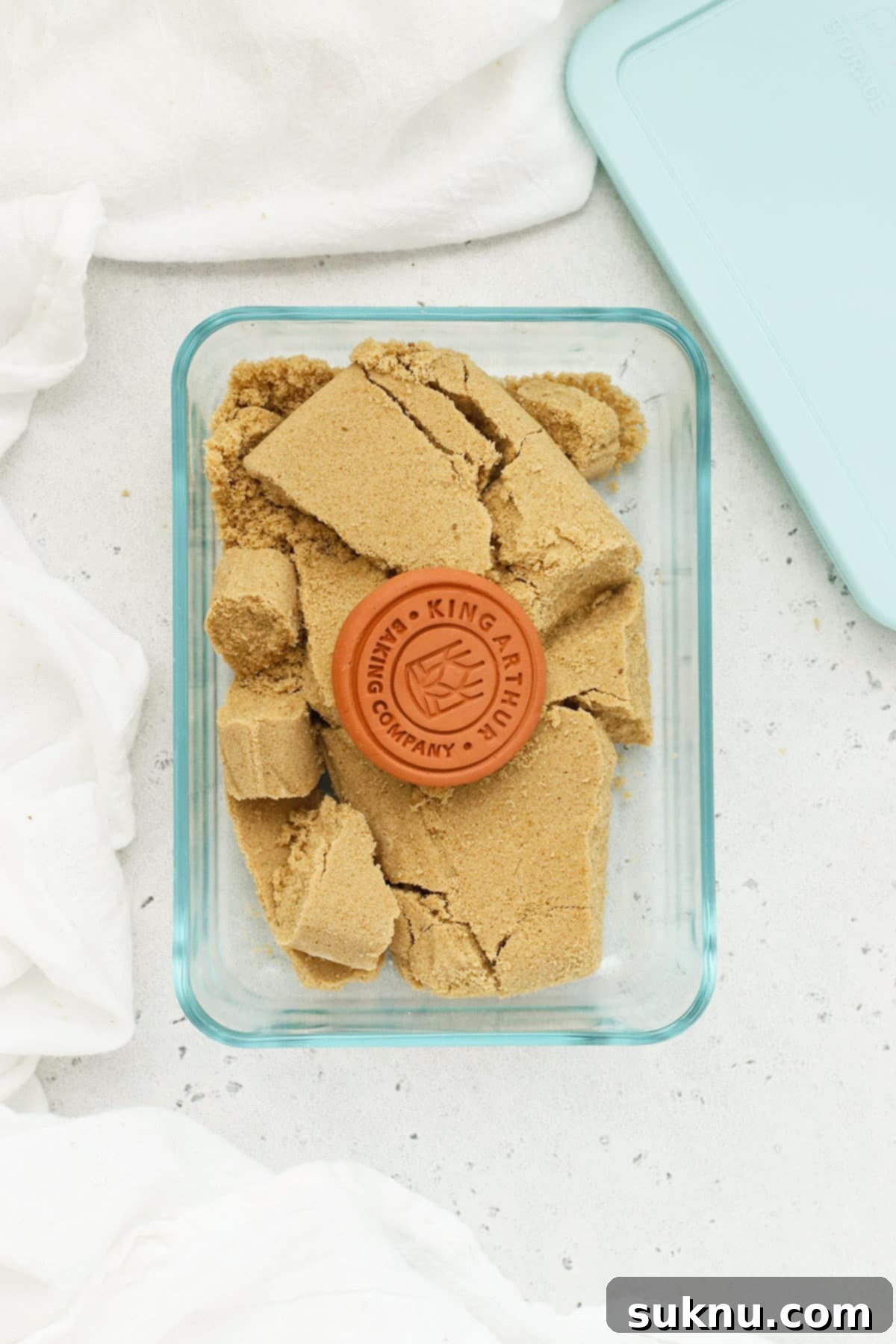
Step-by-Step Instructions:
- Prepare the Terra Cotta: Begin by soaking your terra cotta medallion, disc, or bear in warm water for 20-30 minutes. This allows the porous clay to absorb a significant amount of moisture.
- Blot Dry: Remove the terra cotta piece from the water and blot off any excess surface water with a paper towel or a clean kitchen towel. You want it damp, not dripping wet, to prevent dissolving the sugar directly.
- Combine with Sugar: Place the prepared terra cotta piece into an airtight container or a sturdy bag with your hard brown sugar. Seal it tightly.
- Wait and Maintain: Leave the terra cotta with the sugar for approximately one day. The sugar will gradually absorb the moisture, becoming soft and pliable. Use a fork to help break up any lingering clumps. Once softened, you can leave the terra cotta piece in the container to help maintain the sugar’s softness for an extended period, typically 3-6 months. Re-soak and blot the terra cotta as needed to refresh its moisture-releasing capabilities.
Why It Works: Terra cotta is a highly porous material, making it an excellent medium for absorbing and then slowly releasing water. This controlled moisture release creates a consistently humid environment within your sugar container, preventing the molasses from drying out and the sugar from hardening.
FAQ + Essential Tips for Softening Brown Sugar
Why Does My Brown Sugar Harden?
Brown sugar primarily hardens due to a loss of moisture. The molasses content, which gives brown sugar its characteristic moistness, contains water. When brown sugar is exposed to air, this water evaporates over time, causing the sugar crystals to clump together and solidify. This is a natural process and not an indication of spoilage.
Can I Still Use Brown Sugar That Has Hardened?
Absolutely, yes! Hardened brown sugar is not spoiled; it has simply lost moisture. It is perfectly safe to use for baking. However, for best results in your recipes, it’s highly recommended to soften it first. Measuring hardened sugar accurately is challenging, and its texture can impact the final outcome of your baked goods, leading to uneven mixing and potentially altering the intended texture (e.g., less chewy cookies).
Can I Bake With Hard Brown Sugar Without Softening It?
While technically possible, it’s generally not recommended. Hard brown sugar is difficult to measure precisely, which can throw off the balance of your recipe. More importantly, its solid texture won’t incorporate evenly into batters or doughs, potentially leading to streaks of unmixed sugar or a grainy texture in your finished product. For consistent results and the best possible texture, softening it beforehand is always the best practice.
How Long Does Brown Sugar Last?
Properly stored brown sugar has an indefinite shelf life. Because it’s a sugar, it doesn’t truly “go bad” in the traditional sense, but its quality can degrade over time, mostly by hardening. For optimal freshness and ease of use, it’s best to use it within two years of opening the package, especially if it’s not stored in an airtight container.
What’s the Difference Between Light and Dark Brown Sugar?
The primary difference between light and dark brown sugar is their molasses content. Dark brown sugar contains more molasses, giving it a richer, more robust caramel flavor and a darker color. It also tends to be slightly moister than light brown sugar. Light brown sugar has a milder flavor and is more commonly used in everyday baking, while dark brown sugar is often preferred for recipes where a more intense molasses flavor is desired, like gingerbread or certain BBQ sauces. Both varieties harden for the same reasons and can be softened using the same methods.
How to Keep Brown Sugar Soft: Prevention is Key!
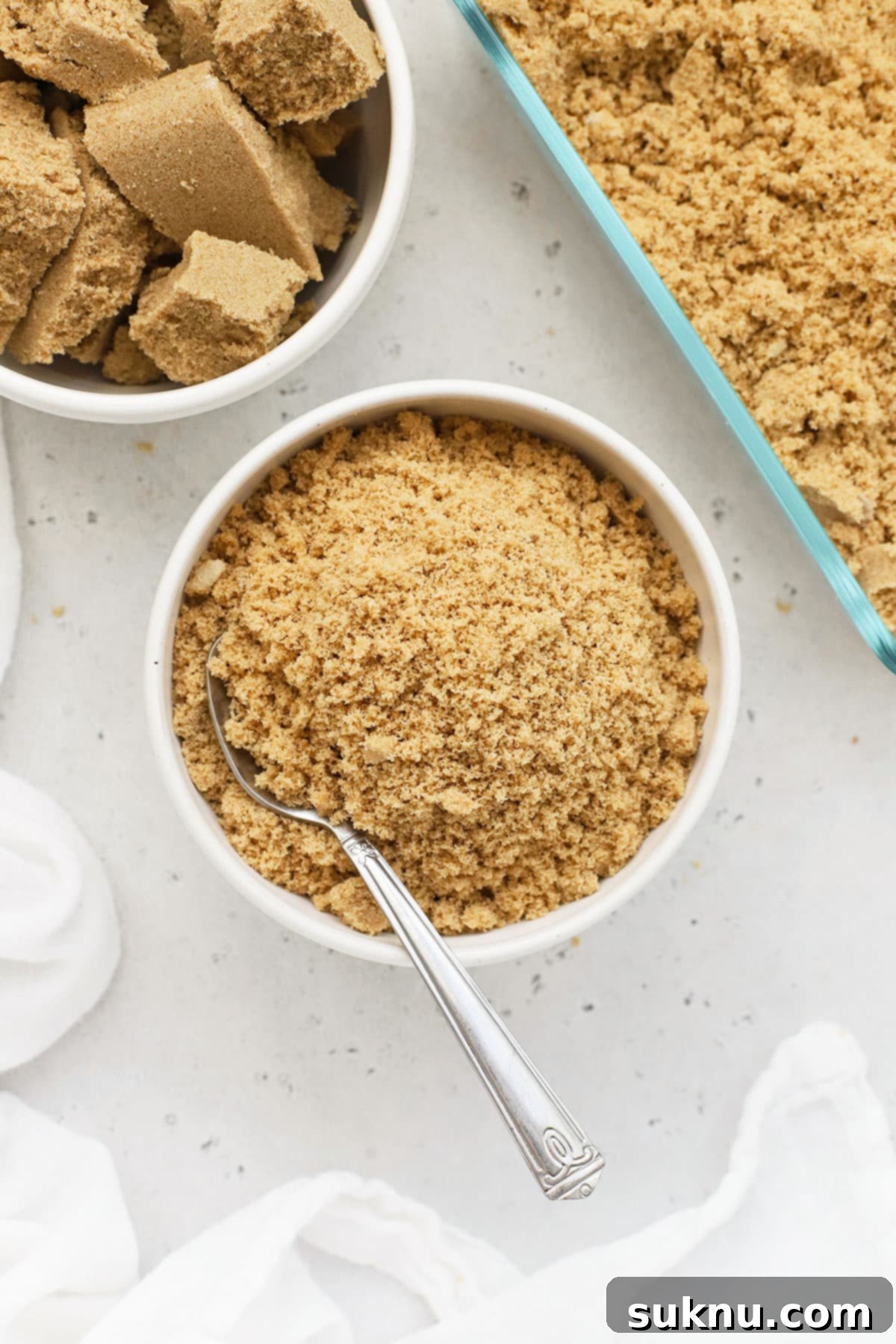
Preventing brown sugar from hardening in the first place saves you time and effort. The key principle is to minimize air exposure, which prevents the molasses’s moisture from evaporating. Here are robust storage tips to keep your brown sugar consistently soft and ready for baking:
- Utilize an Airtight Container or Bag: This is the most crucial step. Transfer your brown sugar from its original bag into a truly airtight container or a heavy-duty, zip-top freezer bag. The goal is to eliminate as much air as possible. Choose a container that fits the sugar snugly, reducing the amount of trapped air. Options include glass jars with rubber seals, sturdy plastic containers with locking lids, or even vacuum-sealable bags for ultimate protection.
- Employ a Terra Cotta Disc for Long-Term Softness: Once your brown sugar is soft (either newly opened or recently revived), a terra cotta sugar saver can keep it that way for months. Simply soak the disc in water for 20-30 minutes, blot off excess surface water, and place it directly into your airtight brown sugar container. It will slowly release moisture, maintaining the ideal humidity level. Replace or re-soak the disc every 3-6 months.
- Control Temperature and Light: Avoid storing brown sugar near heat sources like the stove, oven, or direct sunlight. Heat can accelerate moisture evaporation. Ideally, brown sugar should be stored in a cool, dark, and dry place, such as a pantry, a cupboard away from appliances, or even in an opaque container that blocks light. Consistent temperatures are best.
- Rotate Your Stock: If you buy brown sugar in bulk or have multiple packages, practice good pantry rotation. Use the oldest brown sugar first to ensure it’s consumed while still at its peak quality. Check expiration dates, although as mentioned, the sugar itself doesn’t expire, its texture might degrade over time.
By following these storage guidelines, you can significantly prolong the softness of your brown sugar, making your baking experience smoother and more enjoyable.
More Baking Tips & Tricks To Help You Succeed
Beyond softening brown sugar, mastering other baking basics can elevate your culinary skills. Explore these helpful guides to refine your techniques and ensure perfect results every time:
Is Brown Sugar Gluten-Free?
The Best Brown Sugar Substitute
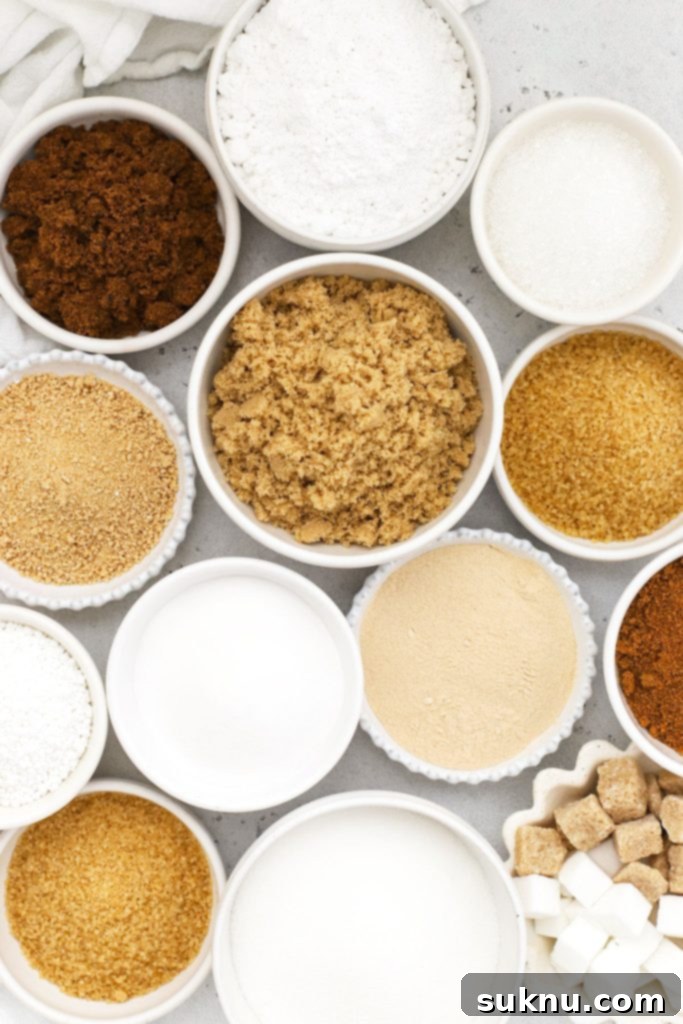
12 Kinds of Sugar & How To Use Them In Baking
Brown Sugar Cream Cheese Fruit Dip
- 8 Essential Cookie Tools We Use All The Time
- 3 Easy Ways To Separate Egg Yolks & Egg Whites
- How To Get Eggs To Room Temperature FAST
- How To Measure Flour Correctly (Scoop & Level Method)
- How To Check If Your Baking Soda & Baking Powder Are Fresh
- How To Freeze Cookie Dough (& Bake From Frozen)
- How To Brown Butter: A Step-by-Step Guide
🌟 Did You Try One Of These Tricks?
Tell me all about it! Leave a star rating below and let me know which method you tried and how it worked for you. I can’t wait to hear your success stories!
Tap to Leave a Review
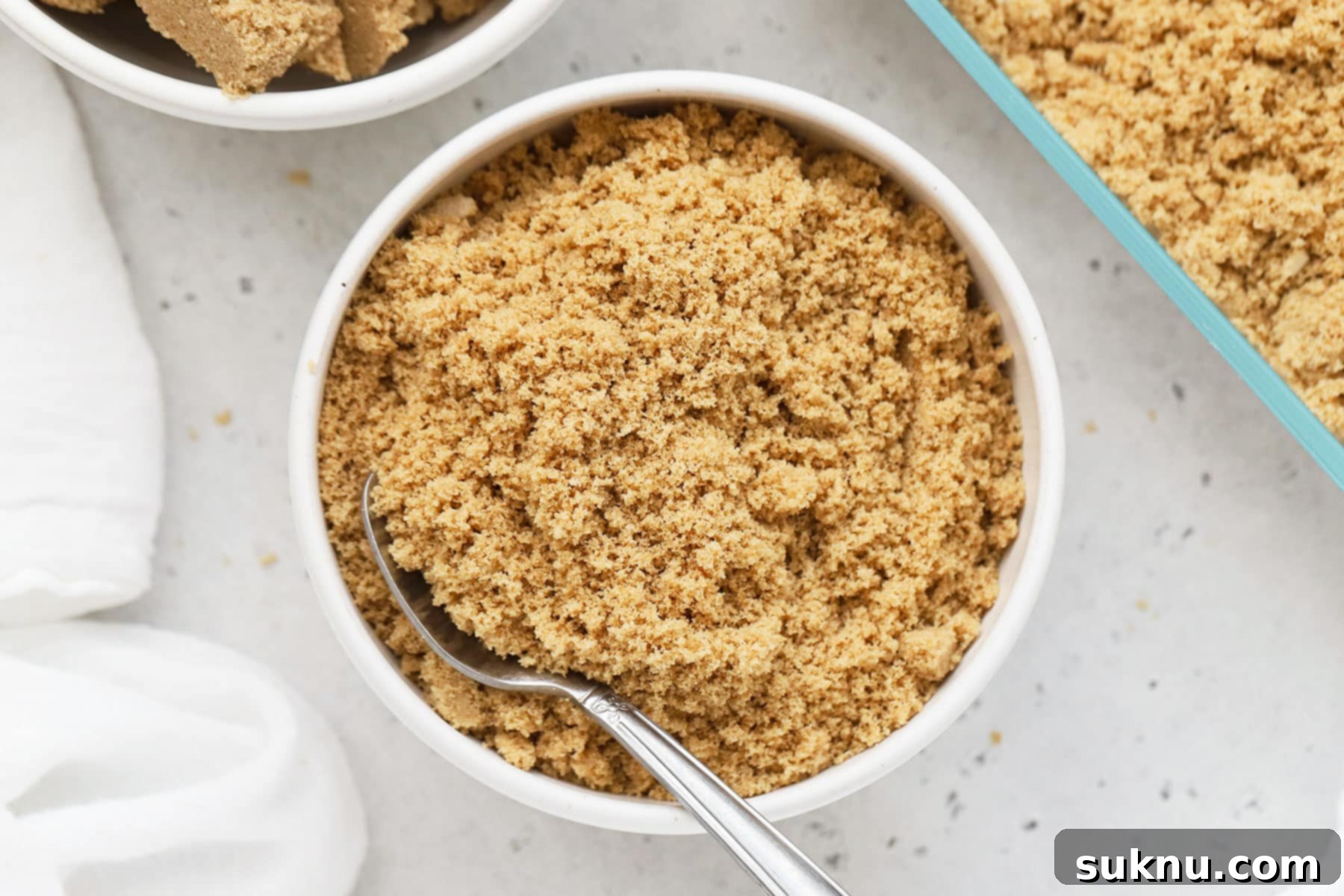
How To Soften Brown Sugar
5 from 1 vote
Author: Emily Dixon, Sweets & Thank You
Learn 5 of the BEST ways to soften brown sugar for baking, including my personal favorite, the bread method!
Total Time: 10 minutes
Servings: 1 batch
Pin
Rate
Ingredients
- Hard brown sugar (as needed)
- A slice of fresh bread, damp paper towels, or a terra cotta disc (depending on your chosen method)
Instructions
Microwave Method (Fastest)
- Place the hard brown sugar in a large microwave-safe bowl.
- Get a few paper towels wet and squeeze out the extra water so they’re damp but not dripping.
- Cover the hard brown sugar with the damp paper towels and microwave in 10-15 second increments, stirring or using a fork to break the sugar up between intervals. Repeat until the sugar is easy to break apart with the fork. This can take up to a few minutes to work completely, but if you’re patient, it’ll feel like magic!
Oven Method
- Place the hard brown sugar in an oven-safe container (a pie pan, sheet pan, or baking dish works best!).
- Gently heat at 250 degrees F. for 3-5 minutes or so, stirring every few minutes with a fork to break up any large pieces.
- Watch carefully so the sugar doesn’t melt!
Bread Method
- Place a piece of fresh bread in a container or bag with the hard brown sugar.
- Leave the bread in overnight (at least 8 hours, up to a day), then remove and discard the bread. Your sugar should be magically soft! (Depending on how hard the sugar is, it may be soft enough to use after a couple of hours.)
- Keep In Mind: You need to use FRESH bread, not stale bread, for this trick to work, as the sugar needs to draw moisture from the bread. If your bread is dry, there won’t be moisture for the sugar to absorb! Also, be sure to discard the bread after 24 hours to prevent mold.
Food Processor or Grater Method
- If using a box grater, place the grater on a plate or in a large bowl. Use the large sides of a box grater to shave or break up the hardened brown sugar. (Be VERY careful if using this method!)
- Or, put the hard brown sugar in a food processor or blender and pulse the sugar in short, quick bursts to break up any large clumps. (This is generally safer than the box grater!)
Terra Cotta Method
- Start with a terra cotta medallion/disc. Soak the terra cotta disc in warm water for 20-30 minutes. Remove it from the water and blot off any excess water with a paper towel or clean kitchen towel so you don’t accidentally melt the brown sugar with water.
- Place the terra cotta circle in an airtight container or bag with the brown sugar and leave it for about a day. Use a fork to help you break up any remaining clumps and store the brown sugar with the terra cotta piece to help keep it moist. This usually keeps brown sugar soft for 3-6 months, but you can repeat this soaking & storing method as needed to keep your brown sugar soft.
To Keep Brown Sugar Soft (Long-Term Storage)
- Use An Airtight Container Or Bag. Eliminate as much air as possible by using an airtight container or a zip-top bag with any excess air pressed out. Choose a container that fits the sugar as snugly as possible, minimizing trapped air.
- Try A Terra Cotta Disc. Once your sugar is soft, use a terra cotta disc to maintain its softness. (Soak for 20 minutes, blot excess water, then add it to the sugar for 3-6 months).
- Avoid Light And Heat. Store brown sugar away from heat sources like the stove or direct sunlight. Ideally, keep it in a dark, cool area (such as a pantry, a cupboard, or opaque containers).
- Use It! Finally, try to use open containers of brown sugar in a timely manner. Keep an eye on any purchase dates, and use your oldest brown sugar first.
Notes
- Gluten-Free Note: If you’re gluten-free or baking for someone who is, ONLY use gluten-free bread for the bread method. If regular wheat bread has been used, this sugar is no longer safe for individuals with Celiac disease or gluten intolerance due to potential cross-contamination.
Video Tutorial
Watch our video for a quick visual guide on these brown sugar softening techniques!
Course: Tutorial
Cuisine: American
Diet: Gluten Free (with proper precautions)
Keyword: best way to soften brown sugar, how to get brown sugar soft, how to soften brown sugar, brown sugar tips, baking hacks
Find the full recipe and more tips at: sweetsandthankyou.com/how-to-soften-brown-sugar/