
Mastering Gluten-Free Brown Butter Banana Bread: Your Ultimate Guide to a Perfectly Moist Loaf
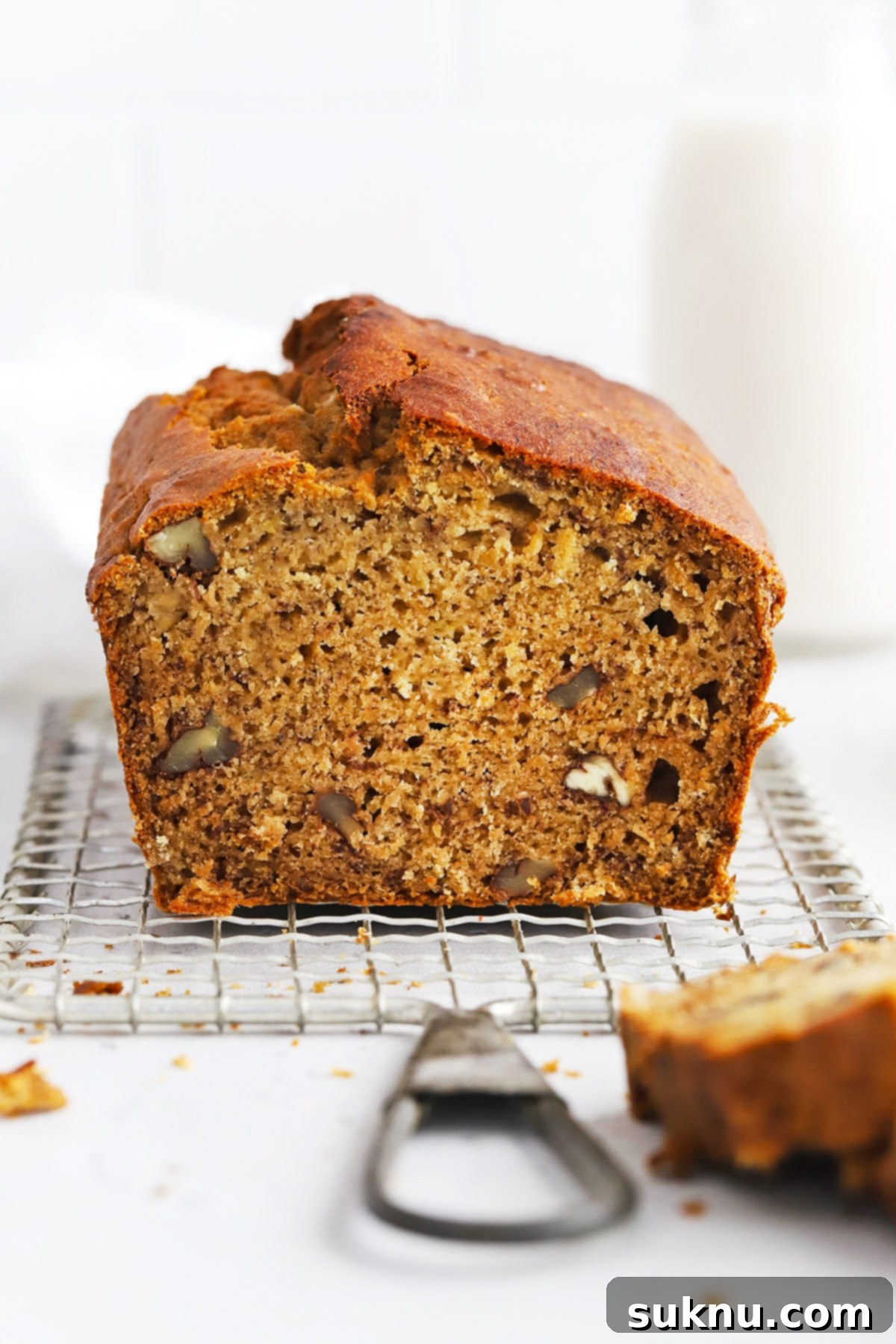
Are you ready to elevate your baking game and discover the secret ingredient that transforms classic banana bread into an extraordinary culinary delight? Get ready to experience the magic of **Gluten-Free Brown Butter Banana Bread**! This isn’t just another banana bread recipe; it’s a revelation, promising a super-moist, incredibly tender, and utterly delicious loaf every single time.
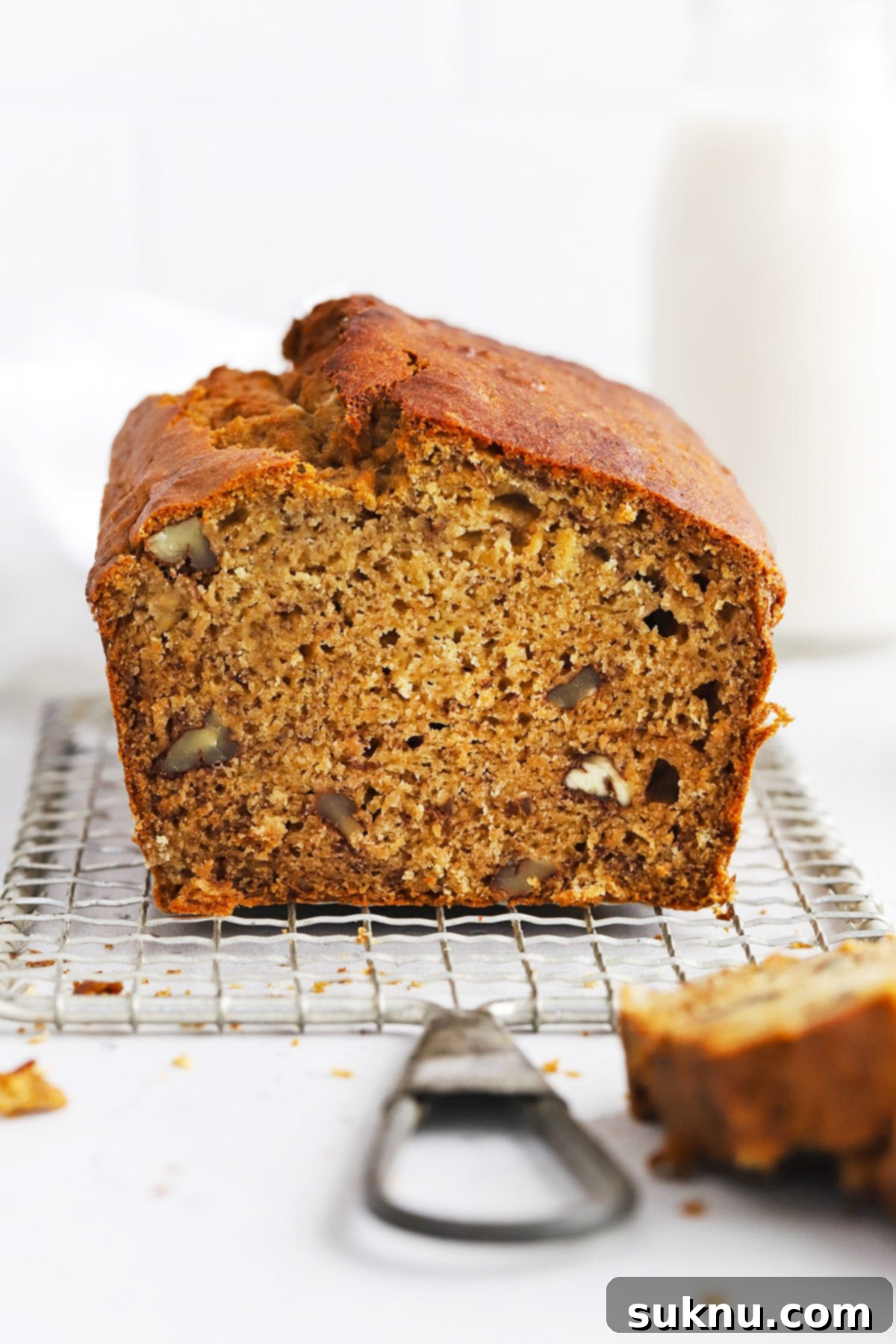
Here at Sweets & Thank You, we’ve been utterly captivated by the rich, complex flavors that brown butter brings to our recipes. And for good reason! Brown butter is truly the unsung hero, the secret weapon you never knew your banana bread was missing. Its nutty, caramelized notes infuse every bite with an almost toffee-like sweetness, adding an unparalleled depth of flavor. Beyond taste, brown butter contributes to a rich, deep golden-brown color and a soft, inviting texture that will leave you dreaming of your next slice.
Imagine slicing into a thick, warm wedge of this exquisite gluten-free brown butter banana bread on a crisp autumn evening, or when you simply need the comforting ritual of baking to melt away the day’s stresses. The alluring aroma that fills your home as the butter browns, followed by the sweet fragrance of the baking bread, creates an atmosphere of warmth and happiness. It’s more than just a treat; it’s an experience.
This recipe doesn’t just promise deliciousness; it promises the best gluten-free banana bread of your life, a true golden ticket to upgrading a beloved classic. Ready to embark on this flavorful journey? Let’s gather your ingredients and begin!
Essential Ingredients for Perfect Gluten-Free Brown Butter Banana Bread
Crafting the perfect loaf begins with selecting the right ingredients. Each component in this recipe plays a crucial role in achieving that signature moist texture and rich, caramel-infused flavor.
- Ripe Bananas: The Sweet Foundation. You simply cannot achieve truly amazing, moist banana bread without perfectly spotty, ripe bananas. As bananas ripen, their starches convert into natural sugars, intensifying their sweetness and developing a deeper, more robust banana flavor. Look for bananas with plenty of brown spots on their peel; they are the sweetest and easiest to mash, contributing significantly to the bread’s moisture and natural sweetness. Underripe bananas will result in a less flavorful and drier loaf.
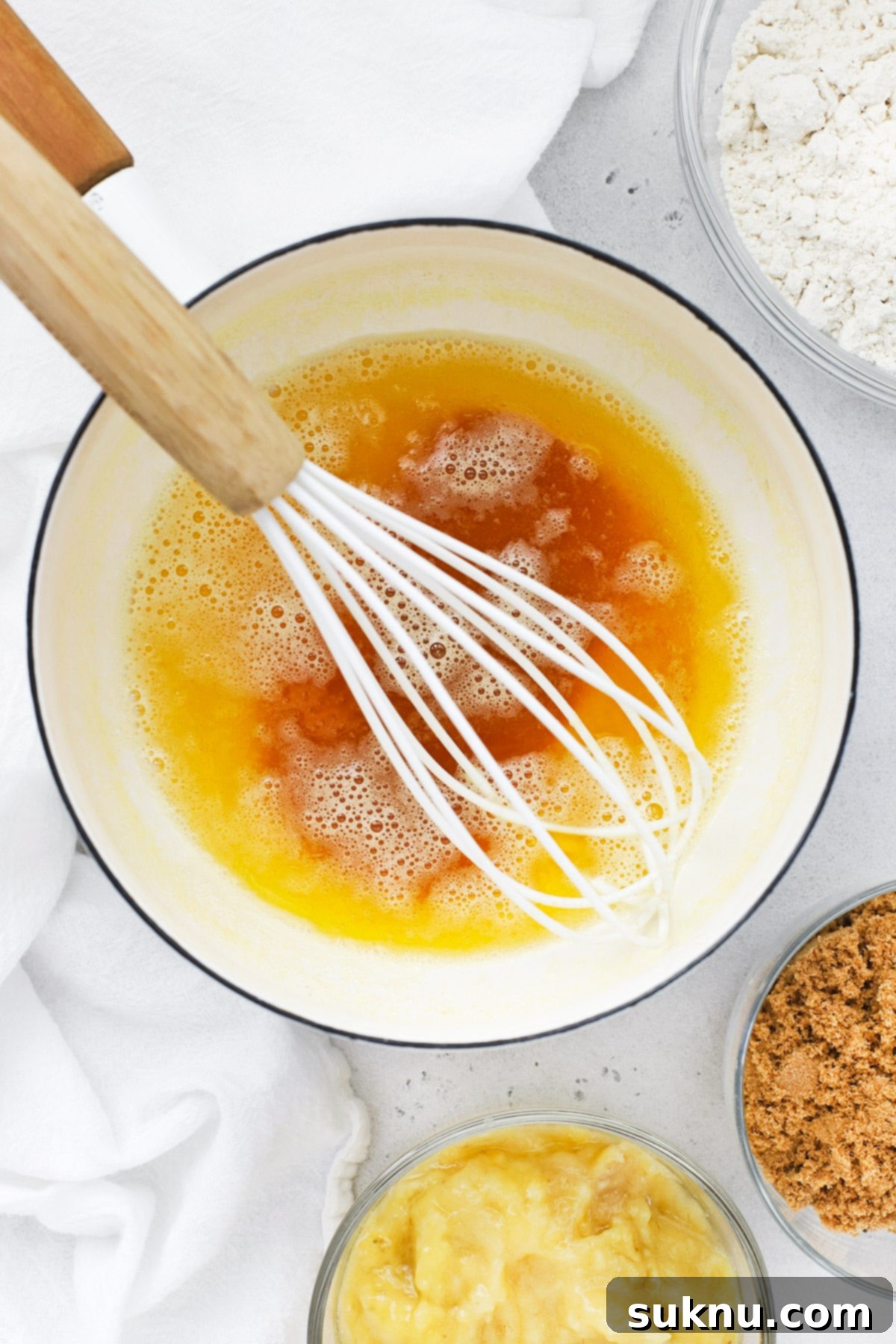
- Butter: The Golden Elixir. Of course, butter is essential, but we’re not using just *any* butter. We’re transforming it into a rich, nutty brown butter. This simple technique takes mere minutes but yields profound results. The browning process toasts the milk solids in the butter, creating deep caramel, nutty, and slightly toffee-like notes. When combined with bananas, this flavor profile is nothing short of dreamy, adding a layer of sophistication and depth that plain butter simply can’t match. It’s a game-changer!
- Brown Sugar: For Depth and Moisture. For this gluten-free banana bread, we highly recommend using dark brown sugar. Its higher molasses content provides a richer, more complex caramel flavor compared to light brown sugar. More importantly, molasses also adds extra moisture, which is vital for keeping the banana bread tender, light, and wonderfully soft. While regular brown sugar will still produce excellent results, dark brown sugar truly enhances the bread’s flavor and texture profile, making it irresistibly good.
- Eggs: The Binding and Lifting Agents. Large eggs are crucial for providing structure and binding all the ingredients together, preventing the bread from crumbling. They also contribute to the loaf’s rise and overall fluffy texture, creating a lighter, more appealing crumb. Make sure your eggs are at room temperature for better incorporation into the batter.
- Vanilla Extract & Kosher Salt: Flavor Enhancers. A good quality vanilla extract beautifully complements and amplifies the toffee and caramel notes introduced by the brown butter and brown sugar. It adds a warm, inviting aroma and taste. Kosher salt, on the other hand, is not just for seasoning; it balances the sweetness, making all the other flavors pop and ensuring the bread isn’t overly saccharine. These two ingredients are small but mighty, so don’t be tempted to skip them!
- Baking Soda: The Leavening Secret. Baking soda is our primary leavening agent in this recipe. It reacts with the acidic components in the batter (like the mashed bananas and brown sugar’s molasses) to produce carbon dioxide gas. This gas creates tiny air bubbles, causing the banana bread to rise and achieve its light, tender, and airy texture, preventing it from becoming dense.
- Gluten-Free Measure-For-Measure Flour: The Foundation of GF Baking. The choice of gluten-free flour is paramount for success in gluten-free baking. We strongly recommend King Arthur Measure-For-Measure Gluten-Free Flour. This blend is meticulously formulated with a balanced mix of gluten-free grains and starches, including xanthan gum, which is essential for mimicking gluten’s elasticity and binding properties. This ensures a lovely, consistent texture and prevents your banana bread from being crumbly or gummy. Its neutral flavor profile also allows the star flavors of banana, vanilla, brown butter, and brown sugar to truly shine through. Avoid using single alternative flours like coconut flour or almond flour, as they have different absorption rates and will drastically alter the recipe’s outcome.
WE ♥

Mastering the Art of Brown Butter
While we’ve included quick instructions in the recipe card below, perfecting brown butter is an art that’s incredibly simple to learn with the right guidance. If you’re new to browning butter or feel a little apprehensive, our comprehensive brown butter tutorial provides detailed, step-by-step instructions—complete with a helpful video. This guide will demystify the process, ensuring you achieve that perfect nutty, caramel flavor every time. Trust us, it’s worth every moment!
How To Make Gluten-Free Brown Butter Banana Bread: A Step-by-Step Guide
For precise ingredient measurements, detailed instructions, and helpful tips, please refer to the full recipe card located at the bottom of this page.
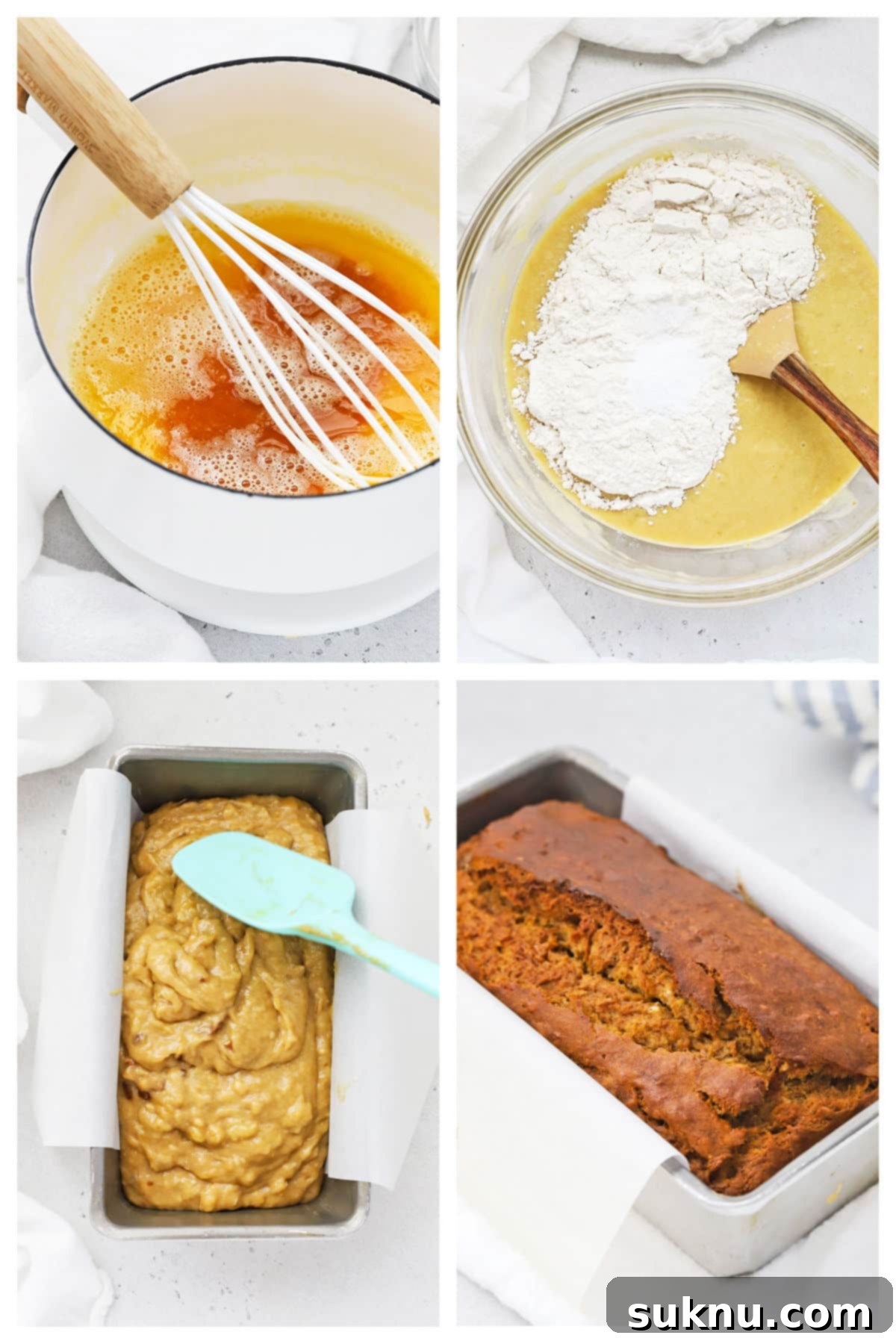
- Preheat Oven & Prepare Pan. Begin by preheating your oven to 350 degrees F (175 degrees C). Properly preparing your loaf pan is key to easy removal. Line a 9×5-inch loaf pan with parchment paper, allowing the paper to overhang on the long sides like convenient handles. This simple trick makes lifting the baked bread out of the pan effortless once it’s cooled, preventing any sticking or breakage.
- Brown the Butter to Perfection. In a light-colored saucepan (this helps you see the color change easily), melt the butter over medium heat. Stir continuously to ensure even browning. As the butter melts, it will begin to bubble and foam. Watch closely: beneath the foam, the butter solids will start to toast. You’re looking for a beautiful golden, honey-like color and a rich, nutty, sweet aroma. This typically takes 5-8 minutes. As soon as you achieve this, remove the pan from the heat immediately to prevent burning. Pour the brown butter, including all the delightful browned bits at the bottom of the pan, into a stand mixer bowl or a large mixing bowl. Allow it to cool slightly for about 15-20 minutes; this prevents the eggs from cooking when added in the next step.
- Combine Wet Ingredients. Once the brown butter has cooled slightly, add the dark brown sugar to it and stir until the mixture resembles wet sand. The warmth of the butter will help dissolve the sugar, creating a smooth base. Next, mix in the mashed ripe bananas, ensuring they are well incorporated. Finally, add the eggs and vanilla extract, beating until just combined. Be careful not to overmix at this stage.
- Incorporate Dry Ingredients. In a separate bowl (or directly into the wet ingredients if using a stand mixer), gently whisk together the gluten-free measure-for-measure flour, baking soda, and kosher salt. Gradually add the dry ingredients to the wet mixture, mixing on low speed or by hand until just combined. The key here is not to overmix; over-mixing gluten-free flour can lead to a tough or crumbly texture. A few small lumps of flour are acceptable. If you’re adding optional mix-ins like chocolate chips or chopped nuts, gently fold them in now.
- Bake Your Golden Loaf. Pour the batter evenly into your prepared loaf pan. Place it in the preheated oven and bake for 60-70 minutes. The banana bread is ready when the top is a deep golden-brown color and a wooden skewer or toothpick inserted into the center comes out with moist crumbs, but not wet batter. For absolute certainty, an instant-read thermometer inserted into the center of the loaf should register 200-205 degrees F (93-96 degrees C). If you notice the top browning too quickly before the center is cooked, simply tent the loaf pan loosely with aluminum foil for the remaining baking time.
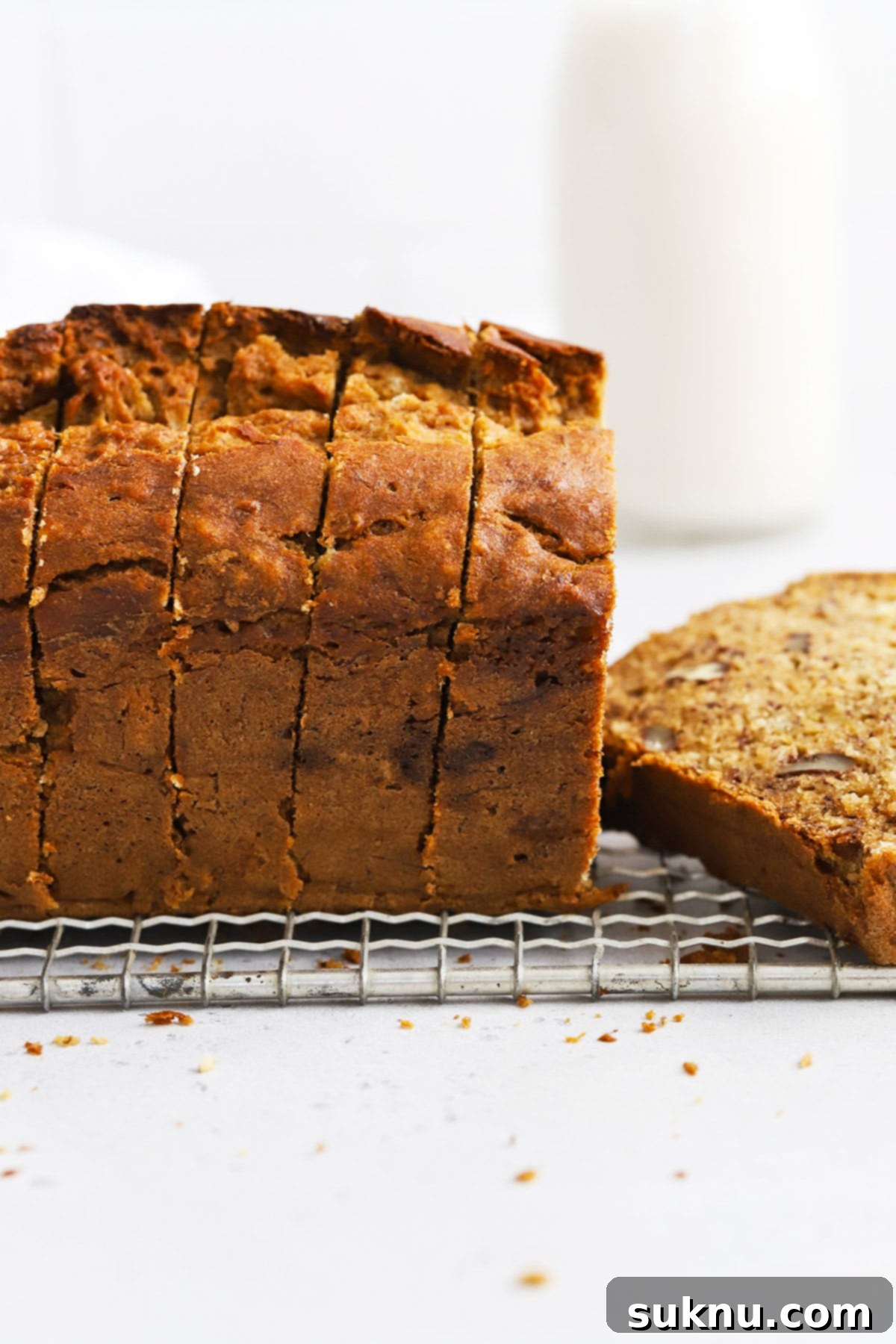
- Cool for Best Texture. Once baked, remove the loaf pan from the oven and let the banana bread cool in the pan for 5-10 minutes. This allows it to firm up slightly. Then, using the parchment paper handles, carefully lift the bread out of the pan and transfer it to a wire rack to cool completely. For the best texture and clean slices, allow the bread to cool for at least 20-30 minutes before slicing.
- Serve & Store for Freshness. This delicious gluten-free brown butter banana bread is best enjoyed warm or at room temperature. To store, place the cooled loaf or individual slices in an airtight container at room temperature for 2-4 days. For longer storage, this banana bread freezes beautifully. Wrap the whole loaf or individual slices tightly in plastic wrap, then place in a freezer-safe bag or container, and freeze for up to 2 months. Thaw at room temperature or gently warm in the microwave.
Get Creative: Delicious Variations for Your Brown Butter Banana Bread
While this moist brown butter banana bread recipe is absolutely perfect as written, it also serves as a fantastic canvas for your creativity. Here are some of our favorite ways to add a little something extra, transforming your loaf into a personalized masterpiece:
- Embrace the Crunch with Nuts. If you appreciate a delightful textural contrast, chopped walnuts or pecans are an outstanding addition. Their earthy, slightly bitter notes pair exquisitely with the caramel and nutty undertones of the brown butter. Simply fold ½ to 1 cup of chopped nuts into the batter just before pouring it into the loaf pan. Toasting the nuts lightly before adding them can further enhance their flavor and crunch.
- Indulge Your Cravings with Chocolate. For those who believe chocolate makes everything better (and we agree!), swirling in some chocolate chips or chopped chocolate is a must. We particularly love semi-sweet chocolate in our gluten-free brown butter banana bread, as its moderate sweetness balances perfectly with the rich banana and brown butter flavors. Milk chocolate offers a sweeter profile, while dark chocolate provides a more intense, sophisticated contrast. Add ½ to 1 cup of your preferred chocolate chips or chopped chocolate with the nuts, or on its own.
- Warm Spices for an Aromatic Twist. Infuse your banana bread with cozy, aromatic spices to create an even more comforting treat. Cinnamon is a classic choice, and ½ to 1 teaspoon is a great starting point. For an added layer of warmth and complexity, consider including ⅛ to ¼ teaspoon of freshly grated nutmeg or a pinch of ground cloves. These spices complement the brown butter and banana beautifully, especially during colder months.
- A Visual Feast: Sliced Banana Topping. For a truly elegant and dramatic presentation, try adding a sliced banana on top of your loaf before baking. Simply halve a ripe banana lengthwise (the long way) and gently place the two halves on top of the batter in the loaf pan. As the bread bakes, the banana slices will caramelize, creating a stunning visual appeal and an extra burst of banana flavor. This is also a perfect way to use up that one extra ripe banana you might have lying around!
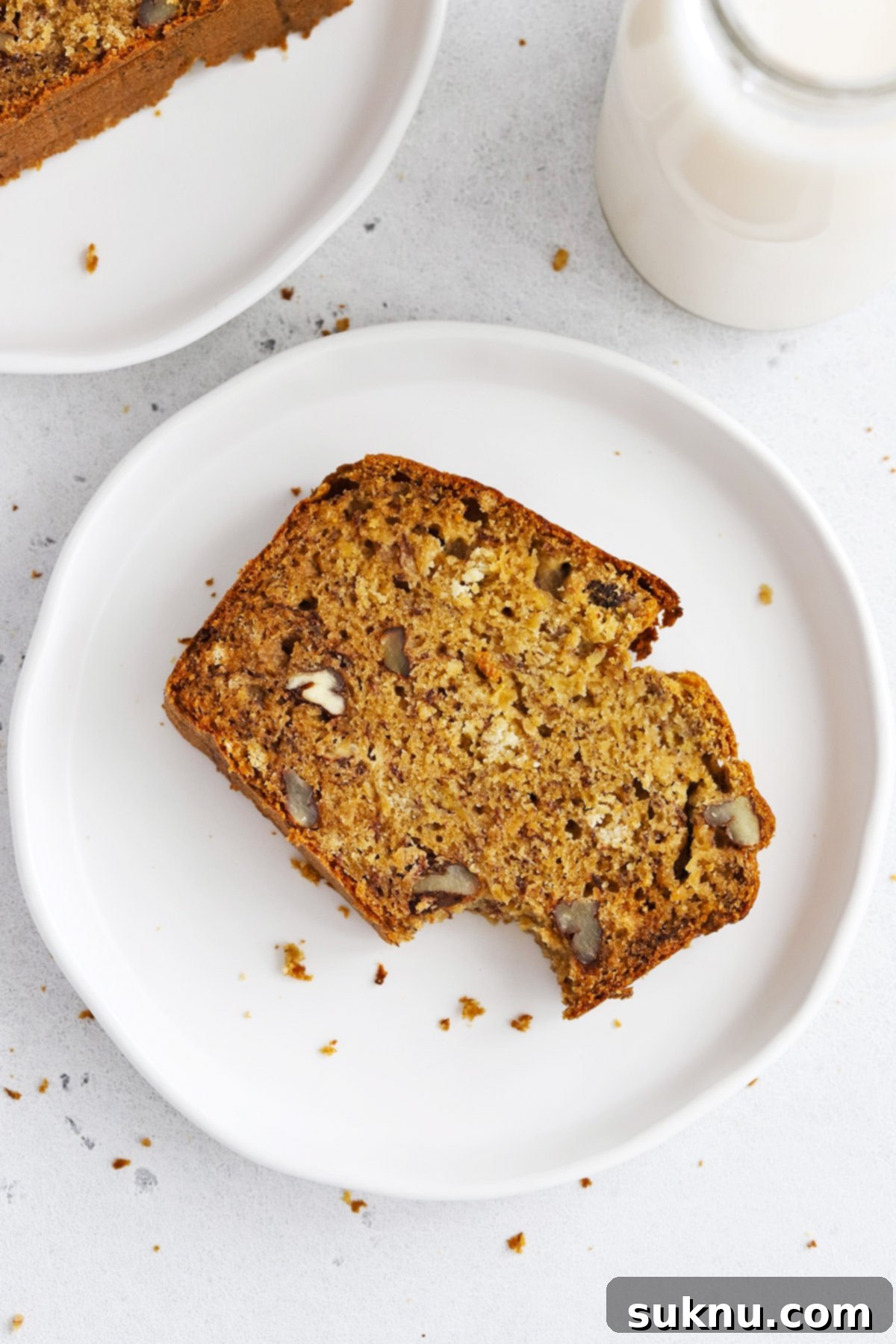
Frequently Asked Questions & Expert Tips for the Best Gluten-Free Banana Bread
Q: What should I do if my banana bread is browning too quickly?
A: Due to the natural sugars present in ripe bananas, plus the dark brown sugar and the browning of the butter, this particular banana bread recipe will naturally develop a deeper, richer color on top than many other banana bread recipes. This deep golden hue is often a sign of those wonderful caramelized flavors developing! However, if you notice the top browning excessively or becoming too dark after about 40-45 minutes of baking, don’t worry. Simply take a piece of aluminum foil and lightly tent it over the loaf pan. This will shield the top from direct heat, allowing the inside of the bread to continue cooking thoroughly without the crust burning.
Q: What’s the best method for freezing banana bread?
A: Freezing banana bread is a fantastic way to enjoy it later! If you plan to freeze the entire loaf, ensure it has cooled completely to room temperature first. Warm bread can create condensation, leading to ice crystals and a soggy texture. Once cooled, wrap the loaf tightly in plastic wrap or reusable food wrap, making sure there are no exposed areas. Then, place the wrapped loaf into a freezer-safe bag or an airtight container. This double-wrapping method offers superior protection against freezer burn, keeping your bread fresh for up to 2 months. If you prefer to freeze individual slices for quick snacks, lay the slices out in a single layer on a parchment-lined baking sheet and freeze for 30-40 minutes, or until they are firm and no longer tacky. This “flash freezing” prevents them from sticking together. Once firm, transfer the individual slices to a freezer-safe bag or container.
Q: Why is using the right gluten-free flour blend so important?
A: The quality and blend of your gluten-free flour are crucial for the success of this recipe. As mentioned, we highly recommend a high-quality 1:1 gluten-free measure-for-measure flour blend, such as King Arthur Measure-For-Measure. These blends are specifically designed to be swapped in equal amounts for conventional wheat flour in many recipes. Crucially, ensure your chosen blend contains xanthan gum. Xanthan gum acts as a binder, providing the elasticity and structure that gluten typically provides, preventing your gluten-free banana bread from turning out crumbly, dense, or gummy. Do NOT substitute this blend with single alternative flours like coconut flour, almond flour, or oat flour. These flours have vastly different absorption rates and require significant recipe adjustments, which are not accounted for in this recipe.
Q: What’s the best way to measure ingredients, especially flour and bananas, for optimal results?
A: Accurate measurement is key to consistent baking results. For flour, we highly recommend weighing it using a kitchen scale for the most precise measurement. If you don’t have a scale, use the “scoop and level” method: gently spoon the gluten-free flour into your measuring cup until it overflows, then level it off with a straight edge (like the back of a knife) without packing it down. Avoid scooping the flour directly with the measuring cup, as this can compact the flour and result in adding too much, leading to a dry, dense loaf. Similarly, for mashed bananas, measuring by volume (1 ½ cups) rather than by the number of bananas (3 medium or 4 small) ensures you have the correct amount, as banana sizes can vary significantly. This attention to detail will greatly impact the final texture and moisture of your banana bread.
Q: How can I tell if my banana bread is fully baked?
A: The most reliable method to confirm your banana bread is perfectly cooked through is to use an instant-read thermometer. Insert the thermometer into the very center of the loaf; it should register an internal temperature of at least 200-205 degrees F (93-96 degrees C) to be considered fully done. If it’s very close (e.g., 198-199 degrees F), you can often pull it out of the oven, as the residual heat from the hot pan will cause it to continue cooking for a few more minutes, known as “carryover cooking.” Alternatively, a wooden skewer or toothpick inserted into the center should come out clean or with only a few moist crumbs attached, but no wet batter.
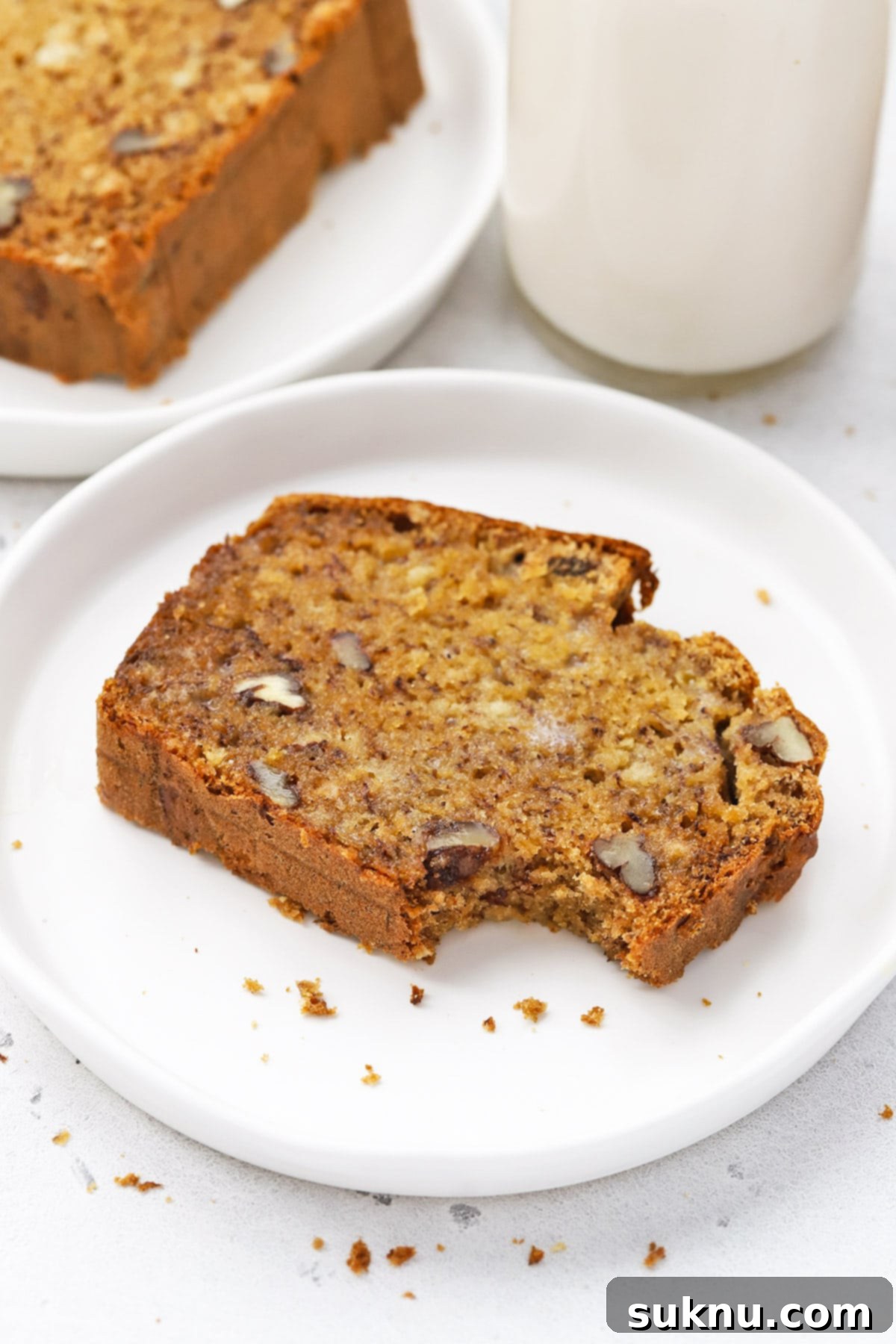
Explore More Gluten-Free Banana Treats
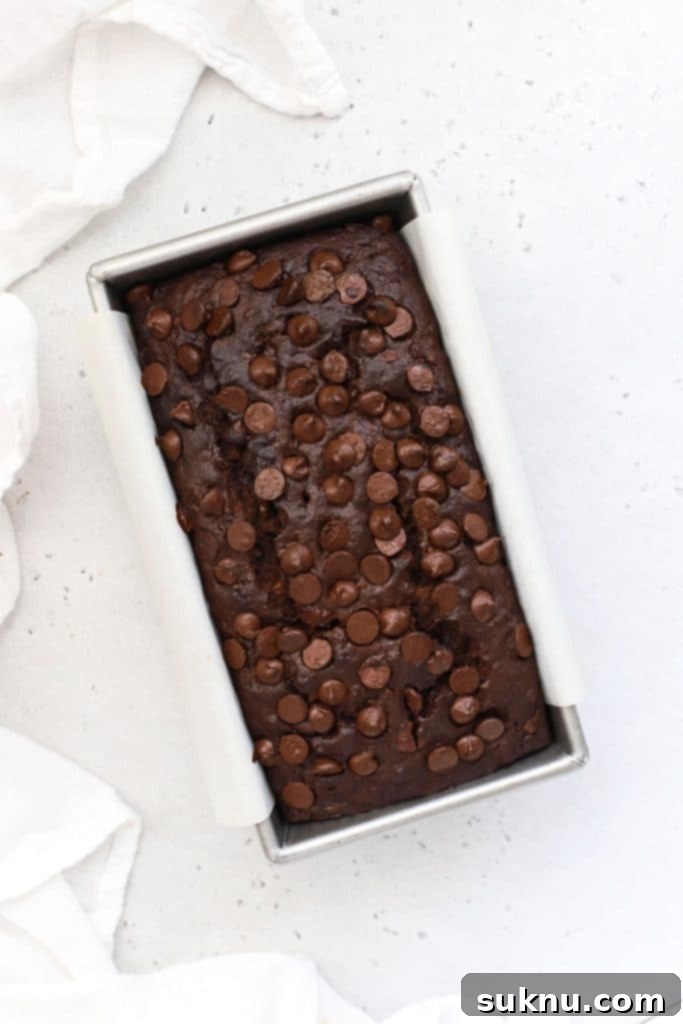
Gluten-Free Chocolate Banana Bread
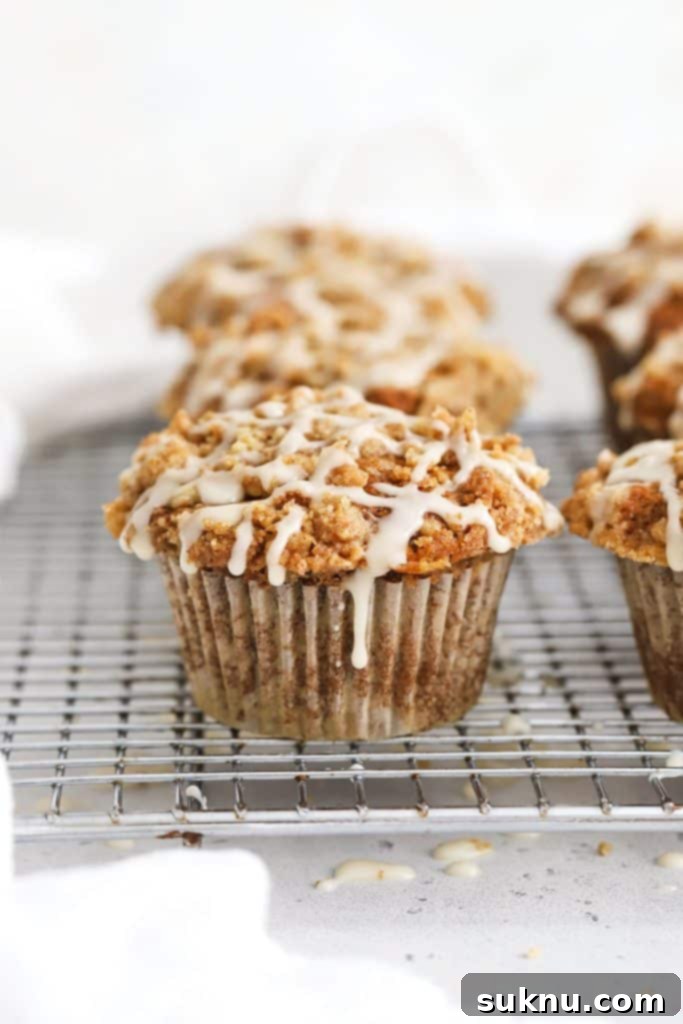
Gluten-Free Banana Crumb Muffins
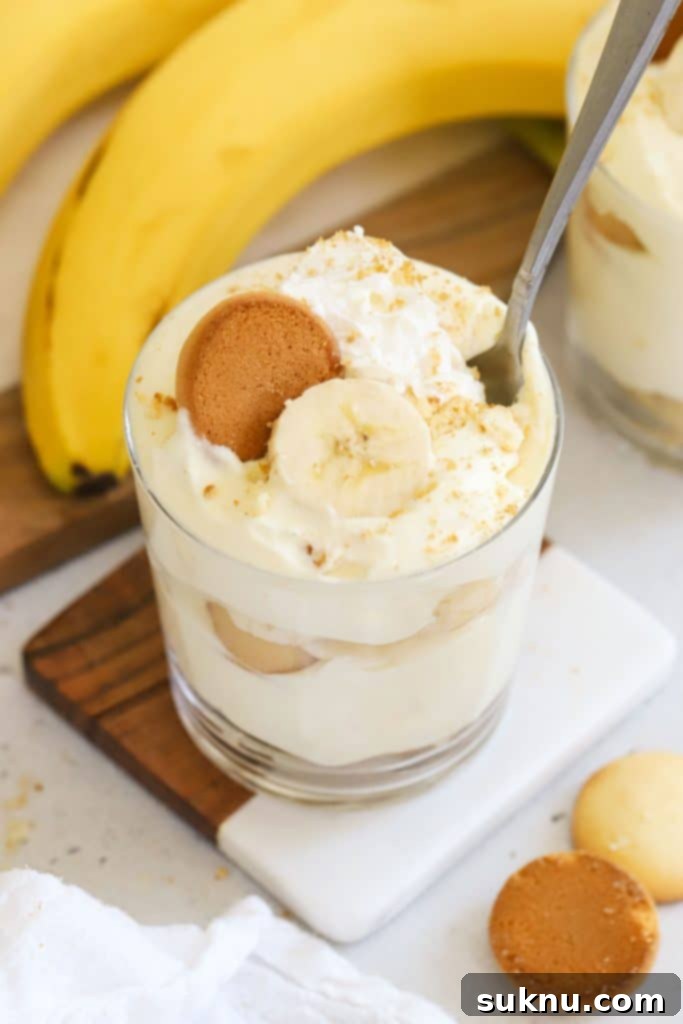
Gluten-Free Banana Pudding
Recipe Card
🌟 Did You Make This Recipe?
Tell me all about it! Leave a star rating below when you try our Gluten-Free Brown Butter Banana Bread recipe. I can’t wait to hear how it goes! Happy baking!
Gluten-Free Brown Butter Banana Bread
Emily Dixon, Sweets & Thank You
This amazing gluten-free banana bread recipe gives you tender, delicious banana bread every time. Laced with caramel-y flavors, it’s delicious on its own, with nuts, or chocolate chips!
15 minutes
1 hour 10 minutes
35 minutes
2 hours
Print Recipe
Pin Recipe
Rate Recipe
1 loaf (10-12 slices)
Ingredients
- ½ cup butter (113 grams/8 Tbsp.)
- 1 cup dark brown sugar (200 grams)
- 1 ½ cups mashed ripe bananas (about 3 medium or 4 small ripe bananas)
- 2 large eggs
- ½ Tablespoon vanilla extract
- 1 ¾ cups gluten-free measure-for-measure flour* (210 grams, weighed or scooped & leveled)
- 1 teaspoon baking soda
- ½ teaspoon kosher salt
Optional Mix-Ins:
- ½ cup chopped walnuts or pecans, or chocolate chips
Instructions
- Preheat & Prep. To start, preheat the oven temperature to 350 degrees F (175 C). Line a 9×5″ bread pan with parchment paper, leaving an overhang on the long sides to act as handles.
- Brown the butter. In a light-colored saucepan, melt the butter over medium heat, stirring constantly. Once it bubbles and foams, watch for golden, honey-colored butter under the foam and a sweet, nutty aroma. Remove from heat and pour into a stand mixer or large mixing bowl to cool for 15-20 minutes, including all brown bits.
- Mix Wet Ingredients. Add brown sugar to the cooled brown butter and stir until it resembles wet sand. Mix in the mashed bananas, eggs, and vanilla extract until just combined.
- Add Dry Ingredients. In a separate bowl, whisk together the gluten-free flour, baking soda, and salt. Gradually add to the wet ingredients, mixing until just combined and no lumps of flour remain. Fold in optional chocolate chips or nuts.
- Bake Banana Bread. Pour batter into the prepared loaf pan and bake at 350 degrees F (175 C) for 60-70 minutes, or until the top is deep golden. An instant-read thermometer inserted into the center should read 200-205 degrees F (93-96 C). If browning too quickly, lightly tent with foil.
- Cool. Allow the bread to cool for 5-10 minutes in the loaf pan, then transfer to a wire rack. Cool for at least 20-30 minutes before slicing for best results.
- Serve & Store. Enjoy cooled banana bread immediately. Store in an airtight container at room temperature for 2-4 days, or freeze for up to 2 months.
Notes
- GLUTEN-FREE FLOUR. We highly recommend King Arthur Measure-For-Measure Gluten-Free Flour blend. If you use another 1:1 gluten-free flour, be sure it contains xanthan gum for proper texture. Do not use alternative flours like coconut flour or almond flour in this recipe.
- MEASURE CAREFULLY. For best results, weigh flour or use the scoop and level method. Measure mashed bananas by volume for accuracy.
- WHAT TO DO IF YOUR BANANA BREAD BROWNS TOO QUICKLY. If the top browns too much after 40-45 minutes, lightly tent the pan with foil.
Video
Quick Breads
American
brown butter banana bread, gluten-free banana bread, gluten-free brown butter banana bread
Find the recipe:
sweetsandthankyou.com/gluten-free-brown-butter-banana-bread/