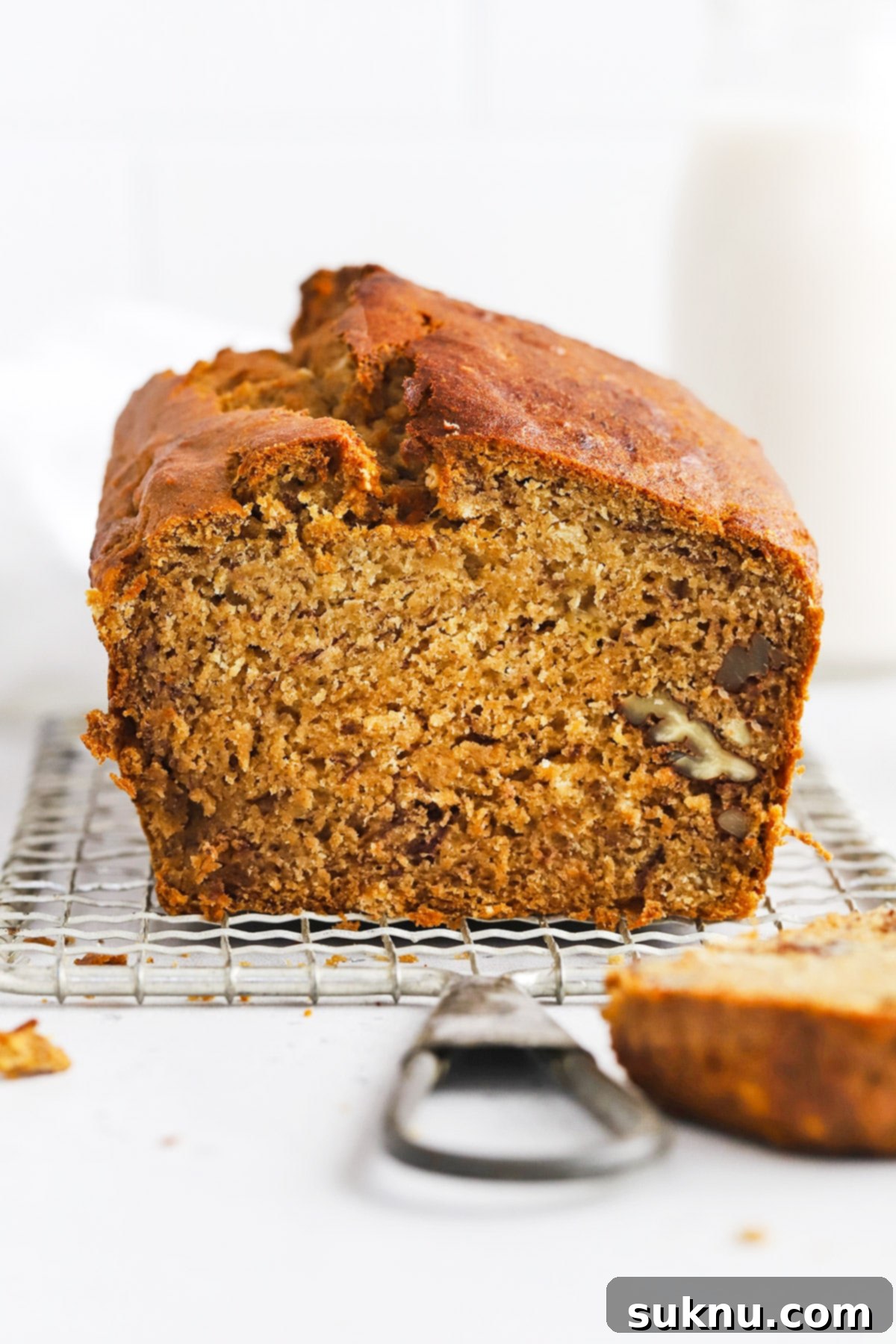
How To Tell When Banana Bread Is Done – Master the art of baking perfect banana bread every time. Discover tried-and-true methods and essential tips to ensure your loaf is never under-baked or doughy again.
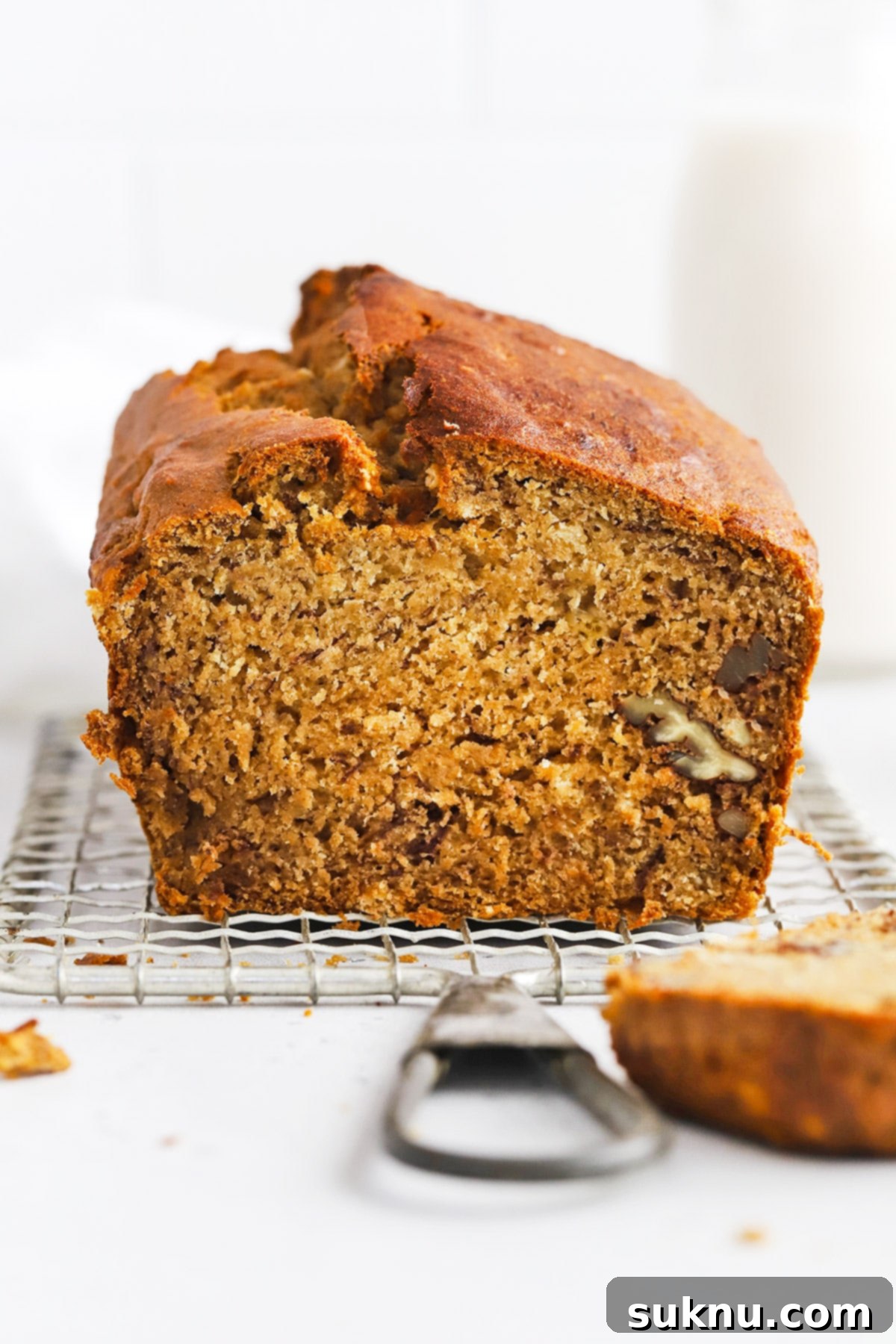
There’s nothing quite like the comforting aroma of freshly baked banana bread wafting through your home. The anticipation builds as you watch your loaf rise to a beautiful golden brown. But then, the moment of truth arrives: you slice into it, only to find a disappointing, gooey, or wet center. Ugh! That frustrating feeling of an under-baked creation is one that no home baker wants to experience, especially when it seems there’s no easy fix.
Achieving that perfectly moist, tender crumb without any raw spots can feel like a baking enigma. But fear not! This comprehensive guide will equip you with all the essential knowledge and reliable techniques to confidently determine when your banana bread is done. Say goodbye to under-baked banana bread forever!
So, preheat your oven and get those ripe bananas ready. Let’s dive into the ultimate guide for baking perfect banana bread!
Start With The Right Tools & Settings: The Foundation of Perfect Baking
Before you even begin mixing, ensuring your baking environment and tools are optimized is paramount. Many baking woes stem from overlooked basics. Here are crucial checks to set yourself up for success:
1. Verify Your Oven Temperature
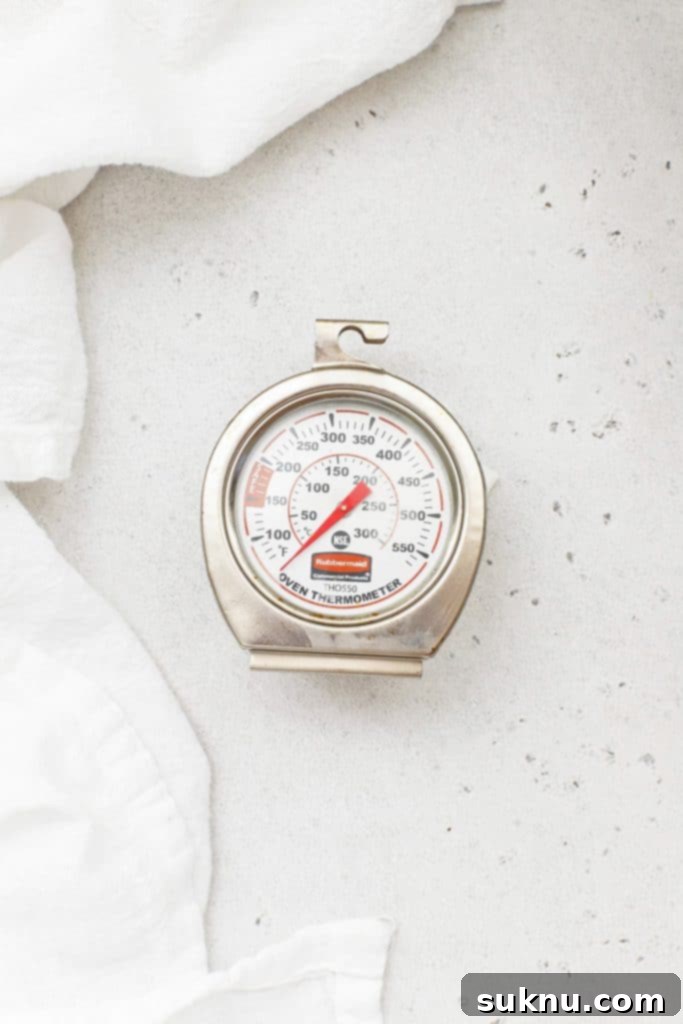
An accurate oven temperature is the cornerstone of successful baking. It’s a common misconception that your oven’s display is perfectly calibrated. In reality, most home ovens, regardless of brand or price, can be off by 10-50 degrees Fahrenheit. This variance can drastically impact your bake time and the final texture of your banana bread.
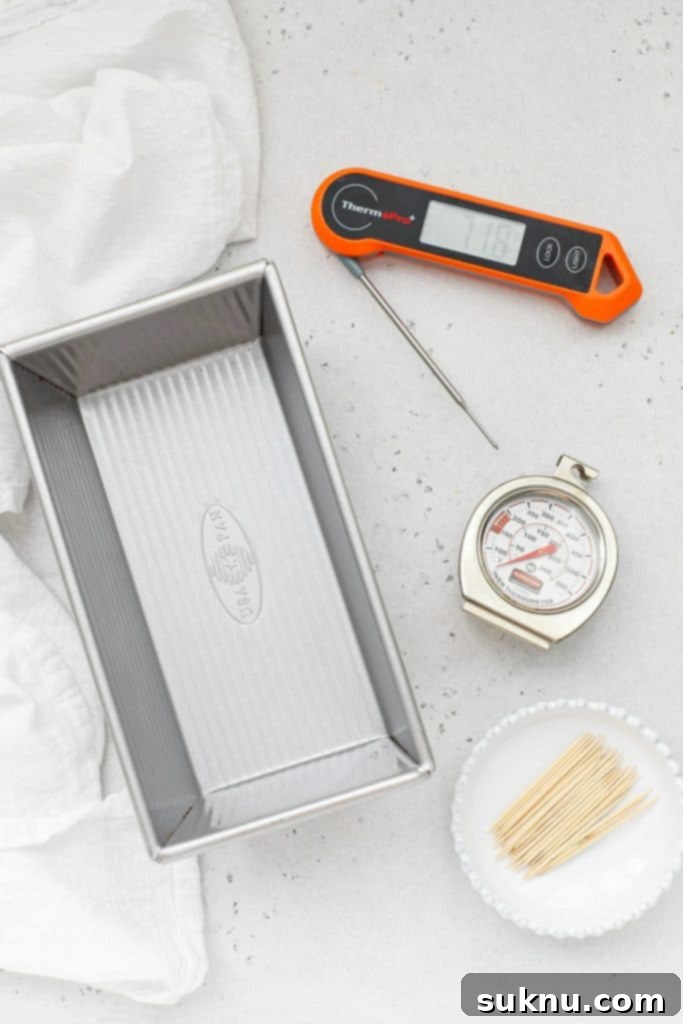
Invest in an inexpensive oven thermometer (often less than $10!) and keep it inside your oven at all times. This simple tool provides a true reading of your oven’s internal temperature. If your oven consistently runs hot, your banana bread might burn on the outside while remaining raw in the center. Conversely, a cold oven will lead to under-baking or prolonged bake times, resulting in a dry loaf. Adjust your oven setting accordingly to match the recipe’s requirement, for instance, setting it 15-25 degrees higher or lower than called for if your thermometer indicates a consistent discrepancy.
2. Ensure Proper Preheat Time
The “preheat” signal on your oven is often misleading. Most ovens alert you they’re preheated long before they’ve truly reached and stabilized at the set temperature. Rushing to put your banana bread into a not-yet-fully-heated oven is a common mistake that can throw off the entire baking process, leading to an uneven rise and inconsistent texture.
Always use your oven thermometer to confirm that the oven has reached the correct temperature and held it for at least 10-15 minutes before placing your banana bread inside. This ensures an even heat distribution from the moment your loaf enters the oven, promoting consistent baking and a beautiful rise.
3. Choose the Right Baking Pans
The type and size of your baking pan significantly influence how your banana bread bakes. Different materials conduct heat differently, affecting crust formation and interior doneness.
I highly recommend light-colored metal loaf pans for quick breads like banana bread. These pans distribute heat more evenly, preventing the edges and bottom from browning too quickly before the center is cooked through. Dark metal pans absorb more heat, which can lead to a darker, tougher crust. Glass pans, while visually appealing, conduct heat slowly and retain it longer, often requiring adjustments to baking time and temperature to prevent uneven baking.
Crucially, always double-check the size of the loaf pan specified in your recipe. Using a pan that is too large, too small, too deep, or too shallow can drastically alter bake times and the final texture. An incorrect pan size can result in overflowing batter, a thin, dry loaf, or an undercooked center.
4. Accurately Measure Your Flour
Baking is a science, and precision in ingredient measurement, especially flour, is critical. Even a slight inaccuracy can lead to a significant difference in the final product.
Always measure your flour properly using either the “spoon and level” method or, even better, by weight with a kitchen scale (like this one). The “spoon and level” method involves spooning flour into your measuring cup until it overflows, then leveling it off with a straight edge. Never scoop flour directly from the bag with your measuring cup, as this compacts the flour, adding significantly more than intended. Excess flour results in a dense, dry, or gummy texture, particularly noticeable in gluten-free recipes where the balance of ingredients is more delicate.
5. Consider Your Climate and Elevation
Environmental factors like humidity and altitude are often overlooked but can have a profound impact on baking. These elements affect moisture content and how leavening agents react.
High humidity climates can mean your batter absorbs more moisture, potentially increasing bake time. Extremely dry climates might cause your bread to dry out faster. High altitude baking presents unique challenges due to lower atmospheric pressure, which causes leavening gases to expand more quickly and liquids to evaporate faster. This can lead to cakes and quick breads rising too much and then collapsing, or becoming dry and crumbly. If you live in a high-altitude area, you may need to consult specific high-altitude baking adjustments for your recipes.
Now that you’ve laid a strong foundation with proper tools and settings, let’s explore the most effective ways to determine when your banana bread is perfectly done.
Use An Instant Read Thermometer (The Most Reliable Method)
For unparalleled accuracy and consistent results, an instant-read thermometer is your best friend in the kitchen, especially when baking quick breads like banana bread. It eliminates guesswork and provides a definitive answer regarding doneness.
Hands-down, the most accurate and reliable way to tell your banana bread is done is to take its internal temperature with an instant-read thermometer.
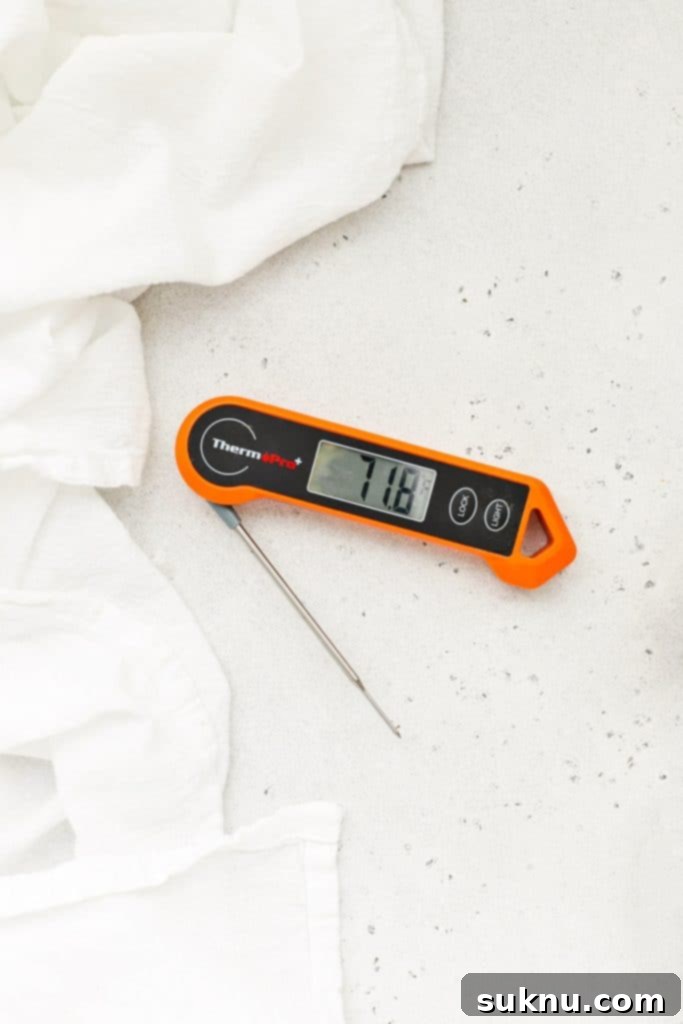
These devices are an indispensable investment for serious bakers and home cooks. They come in various price points; a high-end option like ThermoWorks Thermapen is considered a gold standard, offering lightning-fast and precise readings. However, more affordable models like this one (pictured) also work exceptionally well for everyday baking. So, what temperature indicates perfectly baked banana bread?
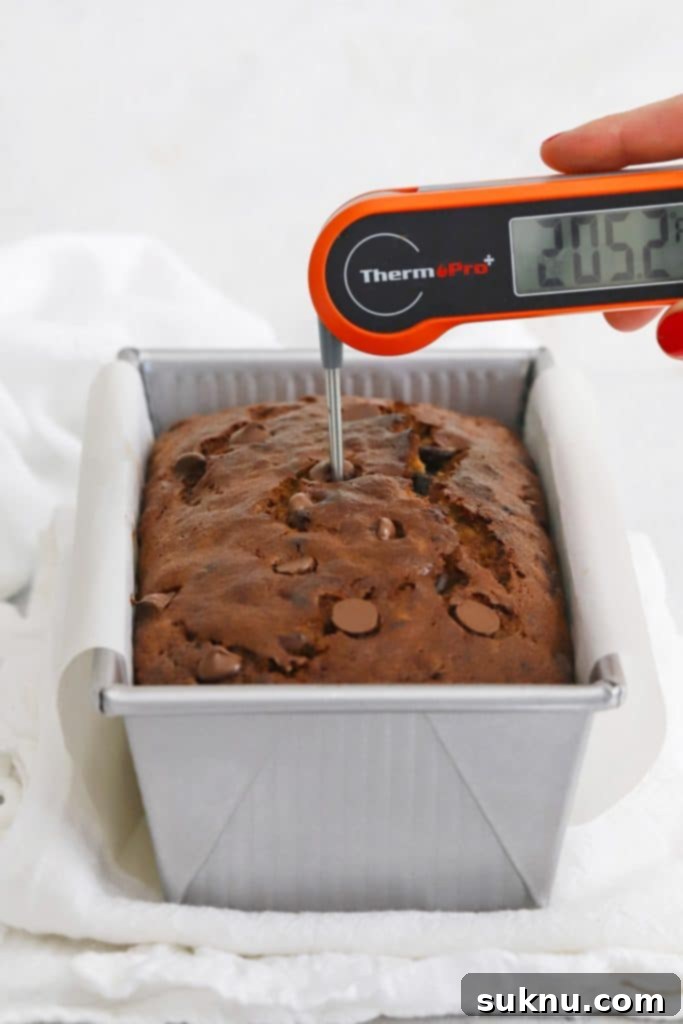
The interior of your banana bread should register between 200-205 degrees F (93-96 degrees C) for regular bakes. For gluten-free bakes, a slightly higher range of 205-210 degrees F (96-99 degrees C) is often ideal. In my experience, and depending on your specific oven and climate, 205 degrees F is usually the sweet spot for a perfectly moist, fully baked loaf. You’ll quickly learn your kitchen’s nuances and adjust by a few degrees as needed.
To take the temperature, carefully insert the thermometer probe into the very center of the loaf. Ensure it goes deep enough to reach the true core but doesn’t touch the bottom or sides of the pan, as these areas heat faster and can give a false reading. The temperature should be consistent across several points in the center to confirm even baking.
Try The Knife Or Toothpick Method: A Classic Approach
The toothpick test is a time-honored baking trick mentioned in countless recipes, often stating “bake until a toothpick inserted in the center comes out clean.” While it’s a widely used method, understanding what “clean” truly means for banana bread is key to avoiding under-baking.
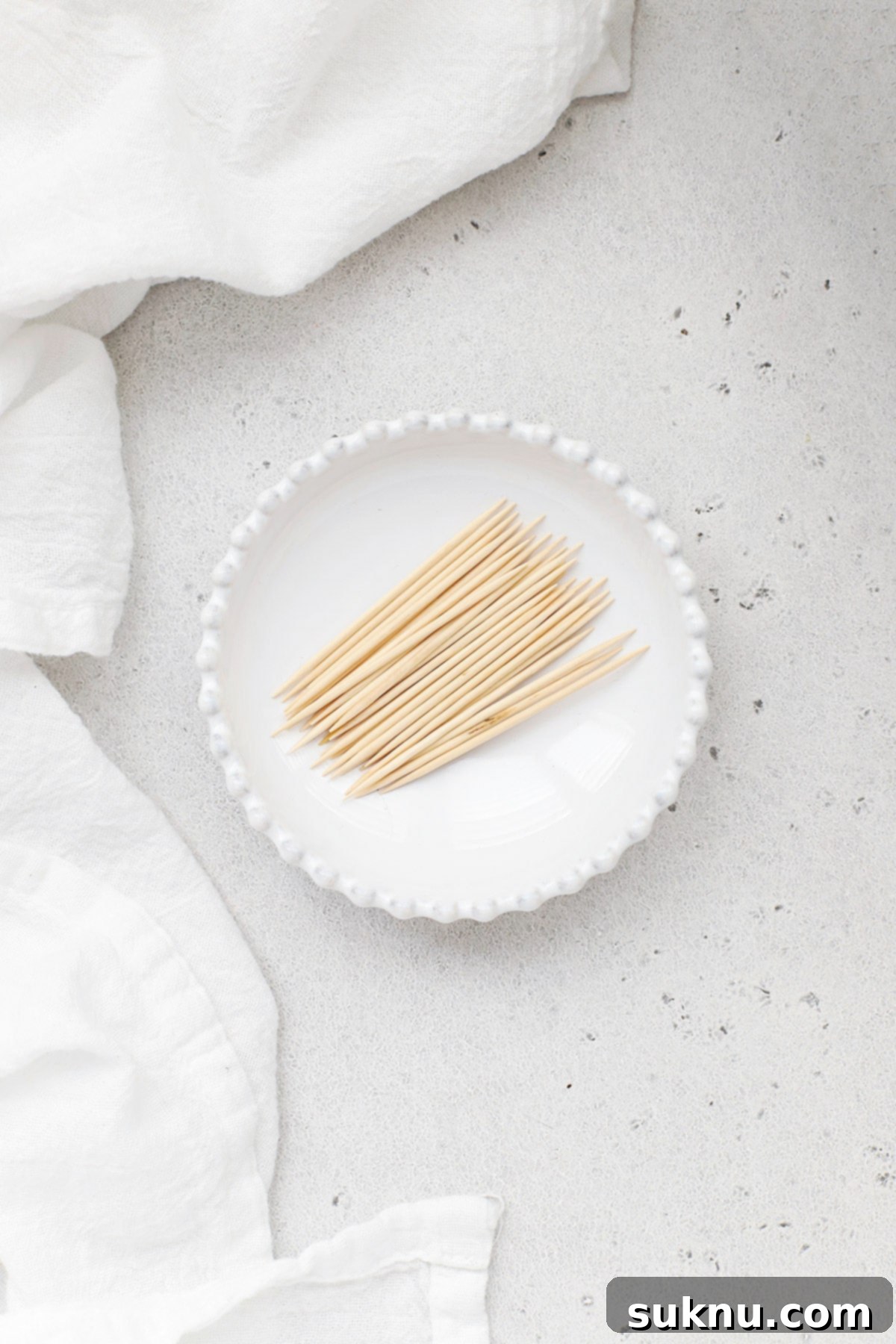
To perform the toothpick trick, gently insert a wooden toothpick, a thin wooden skewer, or a slender knife blade into the very center of your banana bread. When you pull it out, it should emerge nearly clean. This means you might see a few moist crumbs clinging to it, but there should be absolutely no streaks of wet, shiny batter.
It’s a good practice to check 2-3 different spots around the center of your banana bread. This helps ensure you haven’t just hit an air pocket or an area with fewer moist ingredients (like a chocolate chip), which could give a misleading “clean” result. Consistent results across multiple points provide more confidence in doneness. If the toothpick comes out wet with raw batter, return the bread to the oven for another 5-10 minutes and test again.
While effective, the toothpick test isn’t foolproof. If your banana bread contains mix-ins like chocolate chips, nuts, or fruit, the toothpick might pick up a melted chocolate chip or a piece of fruit, leading you to believe the bread is undercooked when it’s actually done. In such cases, the thermometer test remains the most reliable.
Check Your Banana Bread By Touch & Sight: Sensory Clues
What if you don’t have a thermometer or a toothpick handy? You can still assess your banana bread’s doneness by relying on your senses. While less precise than the thermometer method, these visual and tactile cues can offer valuable insights. This method requires a bit of practice and familiarity with baking, but it’s a great skill to develop.
1. Check Your Banana Bread By Touch
Once your banana bread looks almost done, give it a gentle test with your fingertips. A fully baked banana bread will spring back resiliently when lightly pressed on the top center. Be careful, as the pan and bread will be hot! If your finger leaves an indent that remains, or if the bread feels overly soft and spongy, it likely needs more time in the oven. The surface should feel firm yet yielding, not mushy.
2. Observe The Color Of Your Banana Bread
The color of your banana bread’s crust is a strong indicator of doneness. As the sugars caramelize during baking, the loaf develops a characteristic hue.
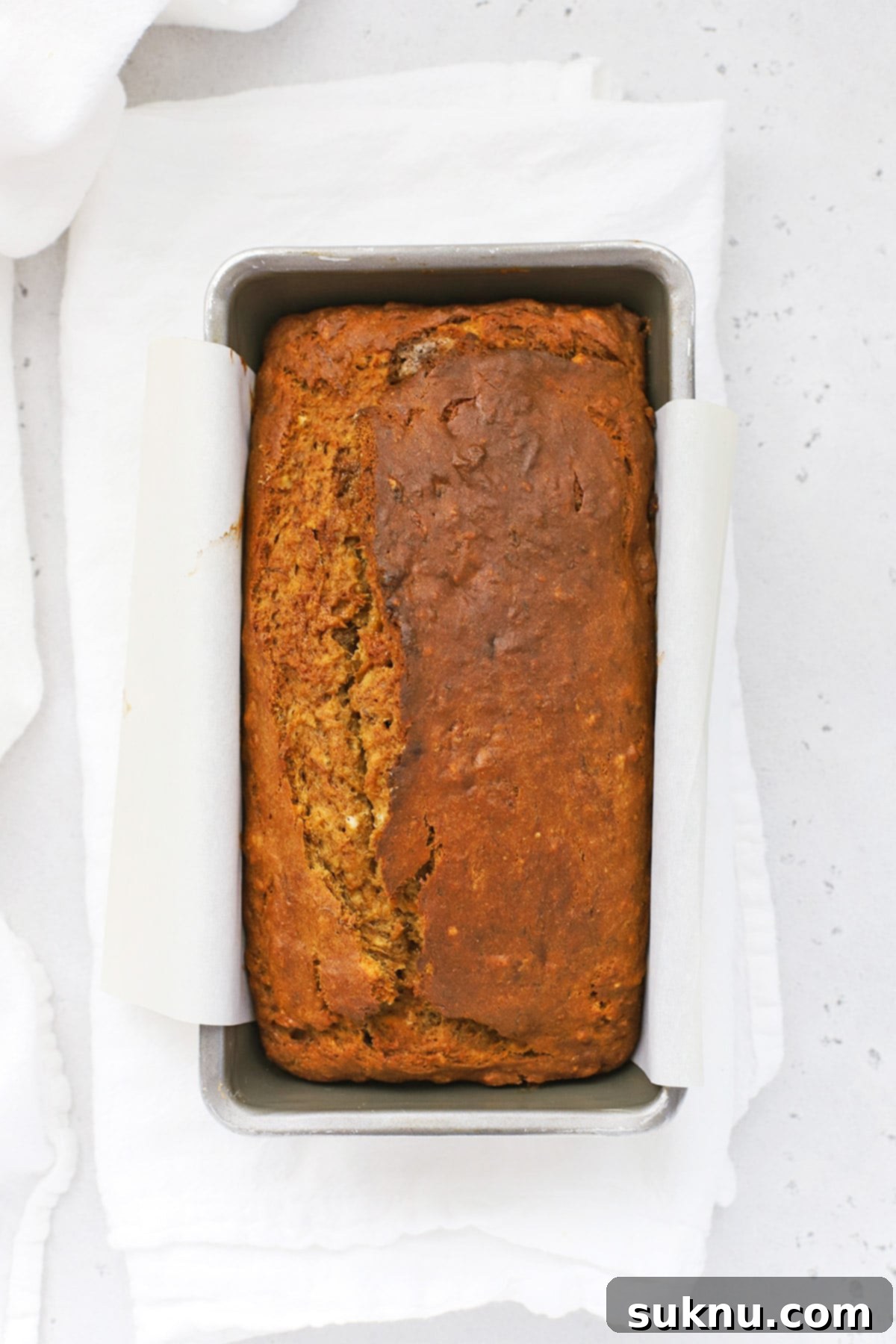
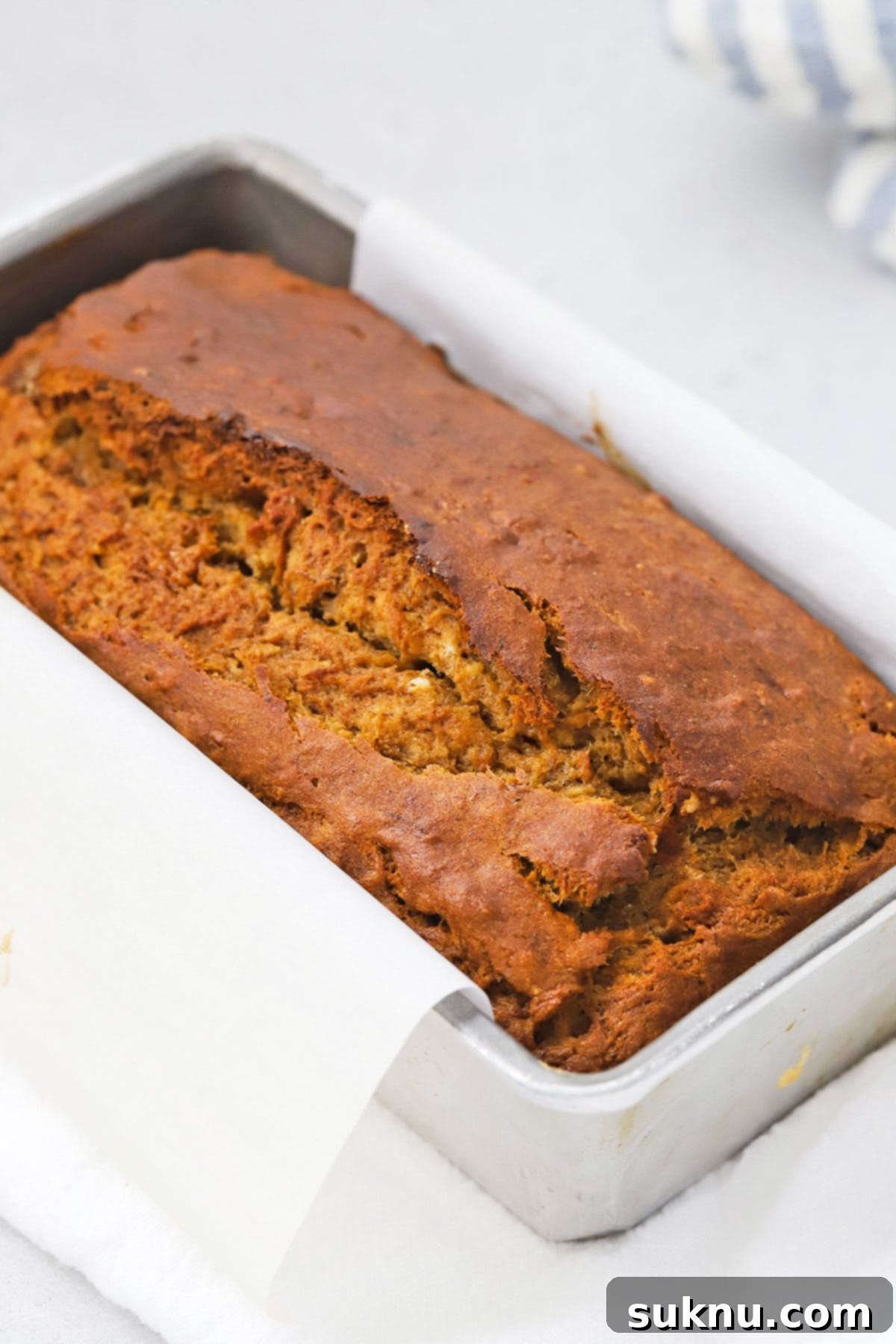
Most banana bread recipes bake up to a rich, deep golden-brown color. You want to see an even, attractive browning across the top and sides. Avoid pulling it out if it’s merely pale golden or if there are any wet, shiny, or overly light sections on the surface, as these are tell-tale signs of under-baking. If the top is browning too quickly, you can loosely tent the loaf with aluminum foil to prevent further darkening while the interior continues to cook.
(A crucial note on color: This visual cue is less reliable if you’re baking chocolate banana bread, or if the top is heavily covered with chocolate chips, nuts, or a streusel topping. The dark color of the batter or toppings can mask the true extent of browning.)
3. Examine The Sides Of Your Banana Bread
Another subtle clue, though not always present, is how the bread interacts with the pan. As banana bread bakes and its structure sets, it will often begin to slightly pull away from the sides of the loaf pan. This happens because the batter tightens as it cooks, causing a minor shrinkage. If you notice a small gap forming between the bread and the pan edges, it’s a good sign that your loaf is approaching or has reached doneness.
4. Listen and Smell for Doneness
This is a more anecdotal cue, but experienced bakers often rely on it. A fully baked loaf will typically emit a robust, sweet, and nutty aroma that fills your kitchen. If you still smell raw flour or an underdeveloped scent, it likely needs more time. Also, sometimes, if you gently tap on the crust of a very well-baked quick bread, it might produce a slightly hollow sound, though this is less definitive for dense quick breads like banana bread.
How To Fix Under-Baked Banana Bread: Salvaging Your Loaf
Despite your best efforts, sometimes you might still encounter an under-baked or doughy center. Don’t despair! While it might not result in the exact same perfect texture as a loaf baked correctly the first time, there are often ways to rescue or repurpose an undercooked banana bread.
First, Ensure Proper Cooling.
Before jumping to conclusions, make sure your banana bread has had ample time to cool. Like many baked goods, banana bread continues to cook and set as it cools, a process called “carry-over baking.” The internal structure further solidifies, and any residual moisture distributes evenly. Always allow your banana bread to cool to room temperature on a wire cooling rack before slicing, if possible. Slicing too early can make it appear doughier than it actually is, and it can also cause the bread to tear and crumble.
Pop It Back Into The Oven To Bake Longer.
If, after cooling, you confirm your banana bread is indeed under-baked, the most direct solution is to return it to the oven. This method works best for loaves that are only slightly undercooked and still mostly intact.
Place your banana bread back into a preheated oven at 350 degrees F (175 degrees C) for an additional 10-20 minutes. To prevent the top and sides from over-browning or drying out further, you can loosely tent the loaf with aluminum foil. Monitor it closely and use the thermometer or toothpick methods to re-check for doneness. While this might slightly dry out the exterior, it’s often successful in cooking the interior through.
More Creative Ideas For Rescuing Undercooked Banana Bread:
If returning the loaf to the oven isn’t feasible or doesn’t yield satisfactory results, consider these alternative ways to salvage your efforts:
- Toast It In a Toaster Oven. For banana bread that is only slightly under-baked (not raw batter, but just a bit too moist), slice it and pop the slices into a toaster or toaster oven. The heat will crisp up the edges and finish cooking the interior, turning it into a delightful treat. Serve with butter, jam, or nut butter.
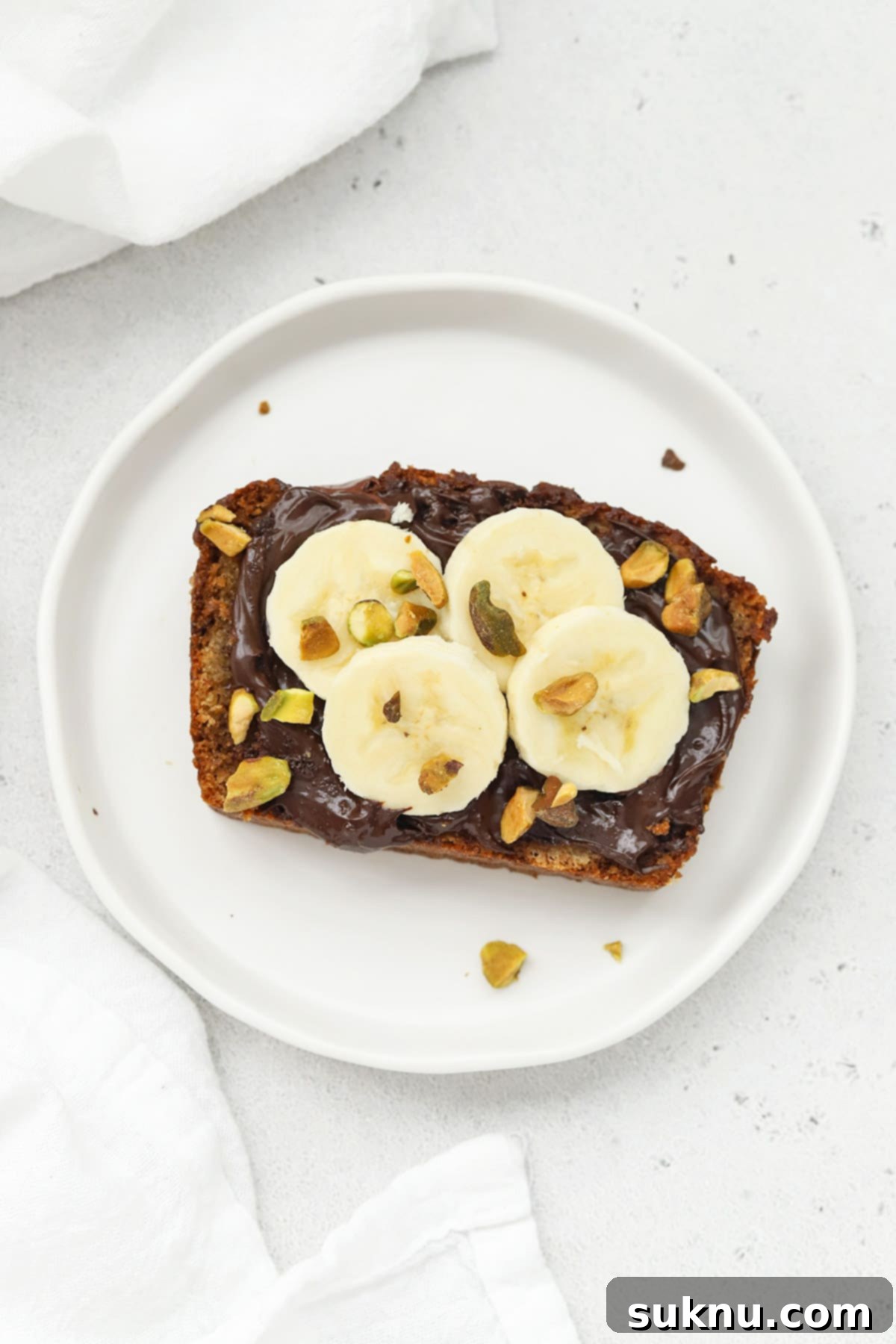
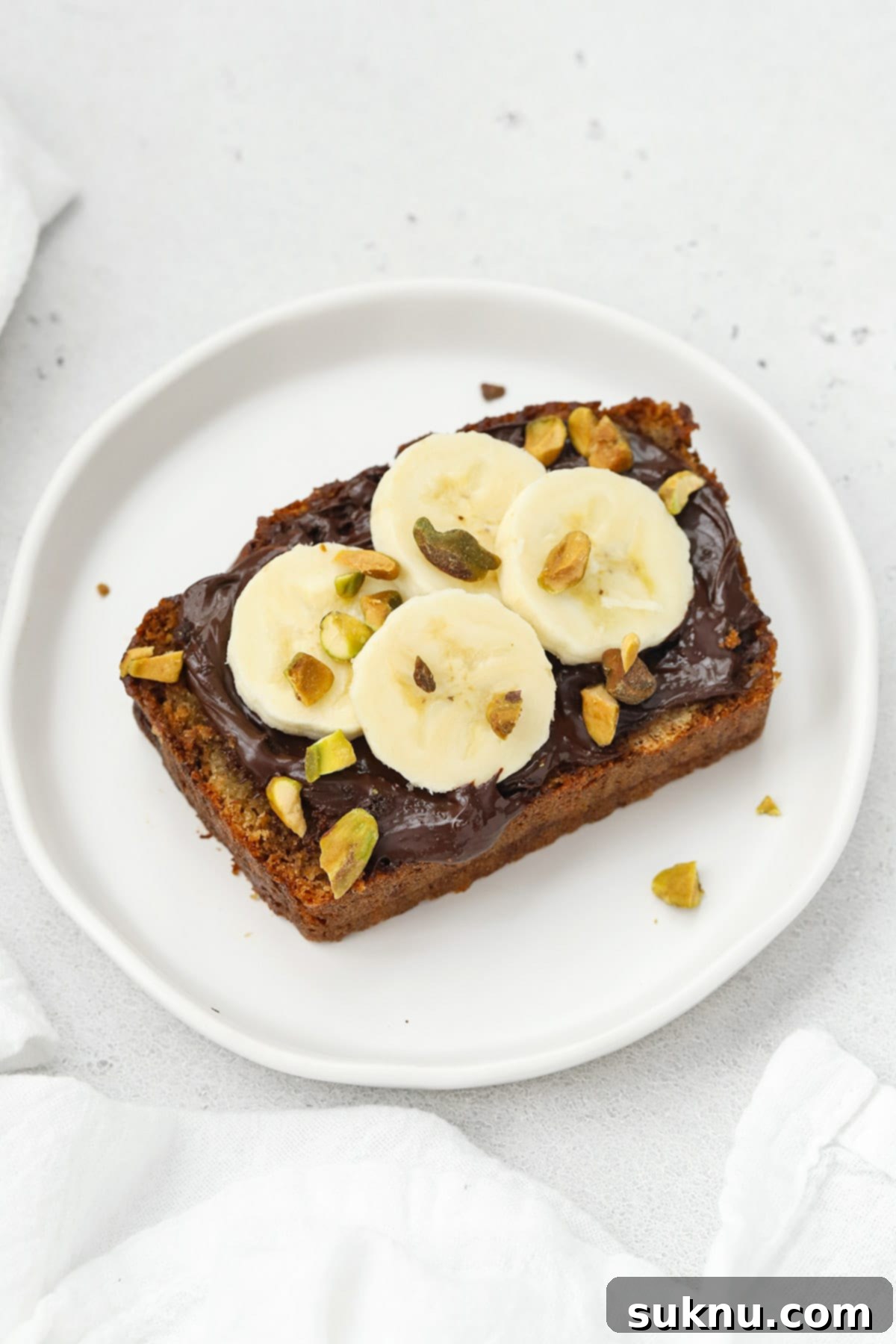
- Transform It Into “French Toast.” This is a fantastic way to rescue more significantly under-baked slices. Slice the banana bread (discarding any truly raw sections), then dip the slices in an egg and milk mixture, just as you would for traditional French toast. Cook them on a buttered griddle or skillet until golden brown and cooked through. Serve with fresh fruit, a drizzle of maple syrup, a dollop of whipped cream, or a swirl of Nutella for an indulgent breakfast or dessert.
- Cut Off The Baked Sections For Cubes. If only a small central portion is doughy, carefully cut off and discard the undercooked part. The remaining baked sections can be cubed and used as a snack, mixed into yogurt or ice cream, or layered in a trifle with custard, fruit, and whipped cream for an elegant dessert.
- Make Banana Bread Pudding. If the entire loaf is a bit too soft or undercooked, it can be a perfect candidate for banana bread pudding. Tear the bread into pieces, mix with a custard base (eggs, milk, sugar, spices), and bake until set. This transforms the texture entirely and hides any previous imperfections.
Yummy Banana Bread Recipes To Try:
- Gluten-Free Brown Butter Banana Bread (Our TOP recommendation!)
- (Gluten-Free) Banana Bread With Chocolate-Cinnamon Swirl (A unique and delicious twist!) – One Lovely Life
- Peanut Butter Chocolate Swirl Banana Bread – Bianca Zapatka
- Pumpkin Banana Bread – All The Healthy Things
- Banana Nut Bread (With Pecans) – Big Man’s World
More Handy Baking Tips To Try:
How To Freeze Cookie Dough
How To Keep Bundt Cake From Sticking
How To Separate Eggs (Yolks & Whites)
How To Measure Flour Correctly
How To Brown Butter