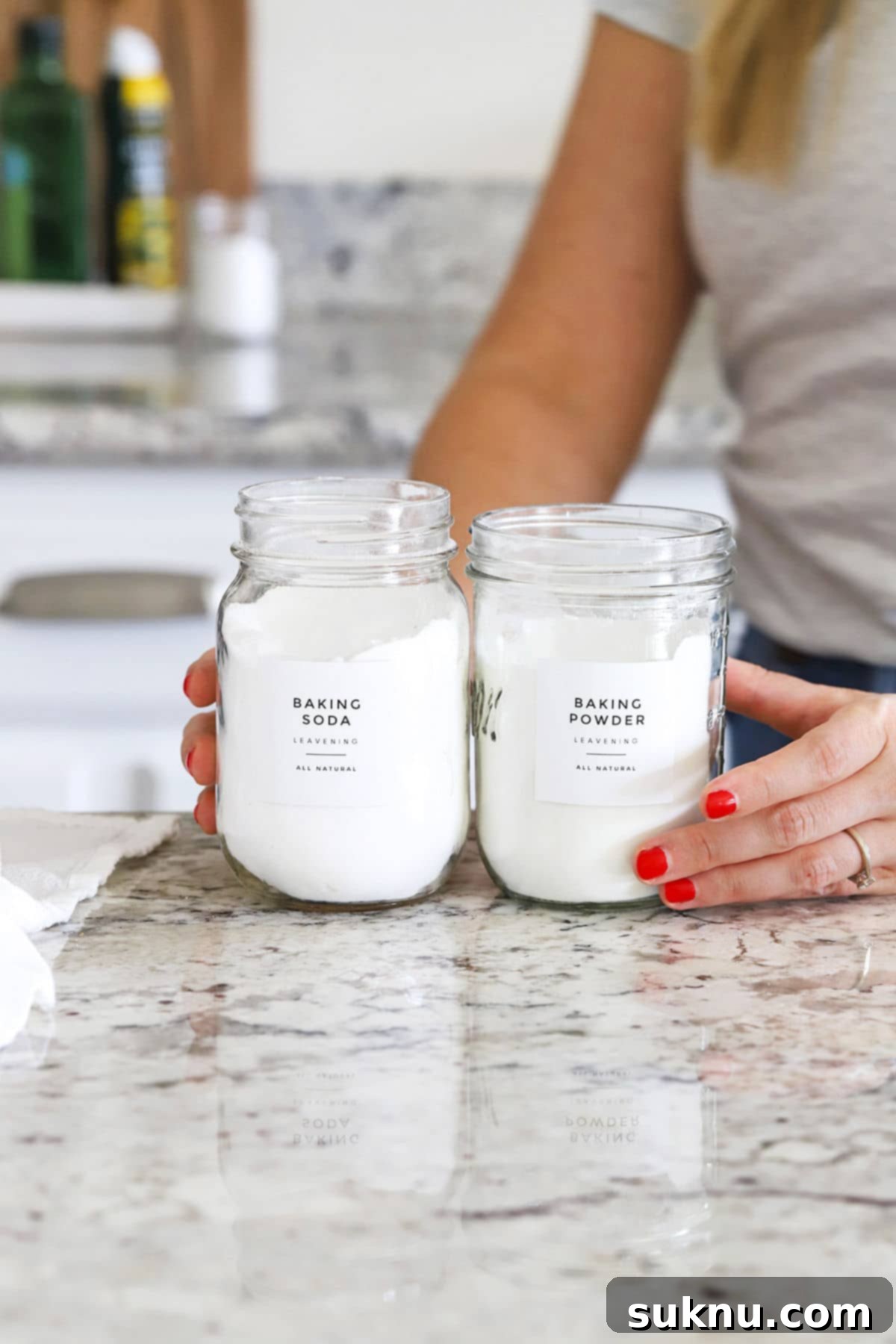
Essential Guide: How to Test Baking Soda and Baking Powder for Ultimate Freshness
Unlock the secret to consistently perfect baked goods! Learn the quick and easy methods to test the freshness of your baking soda and baking powder, ensuring your cakes and cookies rise flawlessly every time.
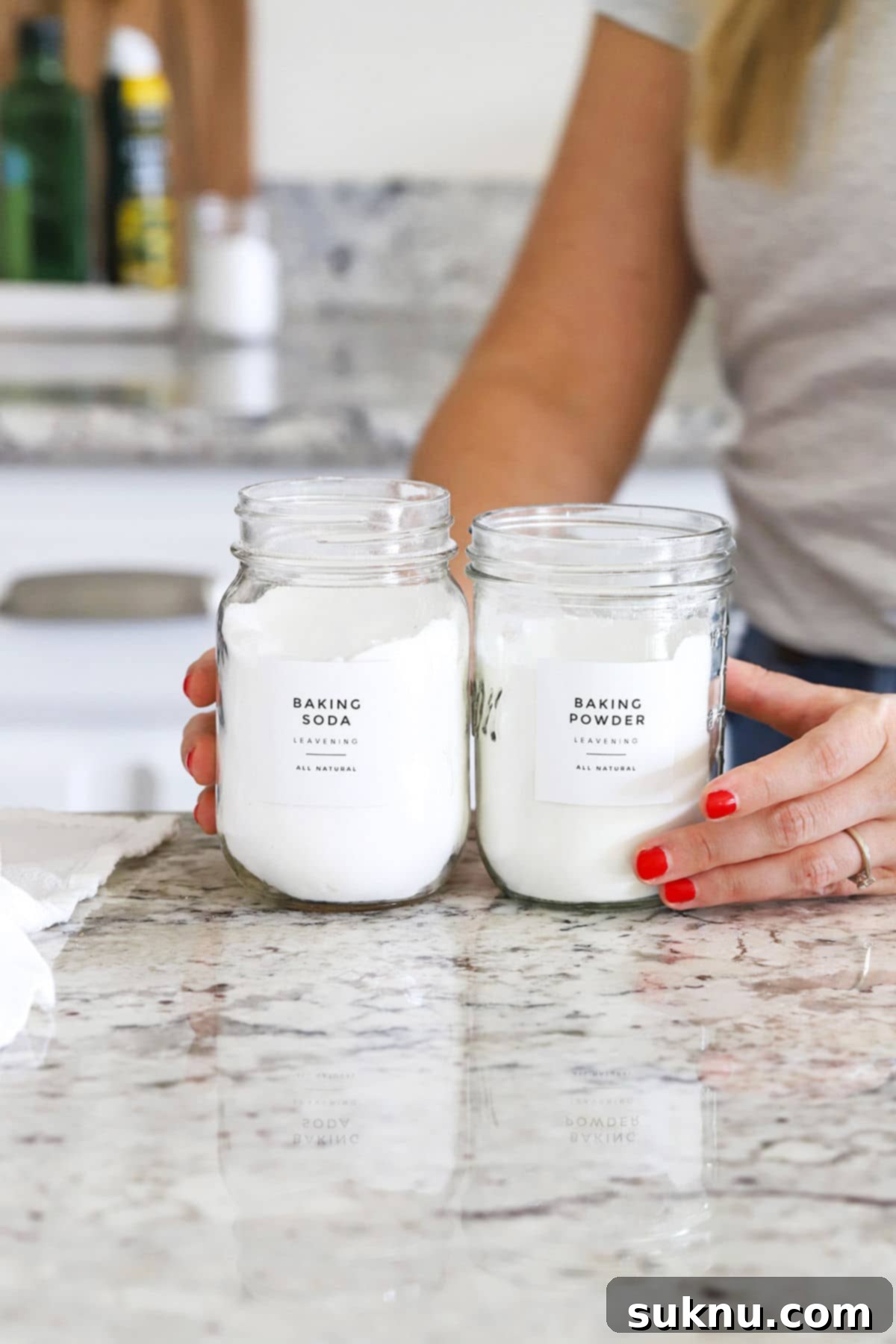
Welcome to another invaluable tip in our ‘Be A Better Baker’ series, dedicated to helping you master the art of baking. Today, we’re tackling a fundamental aspect that can dramatically impact your results: the freshness of your leavening agents. Understanding how to tell if your baking soda and baking powder are still active is a quick win that can transform your baking from flat to fabulous!
Unlike many other pantry staples, baking soda and baking powder don’t offer clear visual cues when they’ve lost their potency. You won’t find mold, notice a color change, or detect an “off” smell. They don’t spoil in the traditional sense, but their effectiveness as leavening agents diminishes over time. This invisible decline can lead to significant disappointment in the kitchen.
Using inactive, ineffective, or expired baking powder and baking soda is a primary culprit behind baked goods that fail to rise, puff, or spread as intended. Imagine a cake that stays dense, cookies that don’t expand, or muffins that fall flat. These are often the tell-tale signs of a dormant leavening agent. For truly light, airy, and perfectly structured cookies, cakes, and other baked treats, using fresh, active baking soda and baking powder is absolutely critical.
Fortunately, you don’t need a chemistry degree to assess their vitality. With a few simple ingredients and seconds of your time, you can perform quick tests right in your kitchen. This comprehensive guide will cover everything you need to know, from understanding the difference between these two essential ingredients to practical tests and storage tips.
This Quick Baking Tip, At A Glance:
- What’s The Difference Between Baking Soda & Baking Powder?
- What is The Shelf Life Of Baking Powder & Baking Soda?
- Testing Baking Soda: How To Test If Baking Soda Is Fresh
- How To Test If Baking Powder Is Fresh
- Baking Soda & Baking Powder Substitutions
- FAQ: Baking Soda & Baking Powder Tips & Tricks
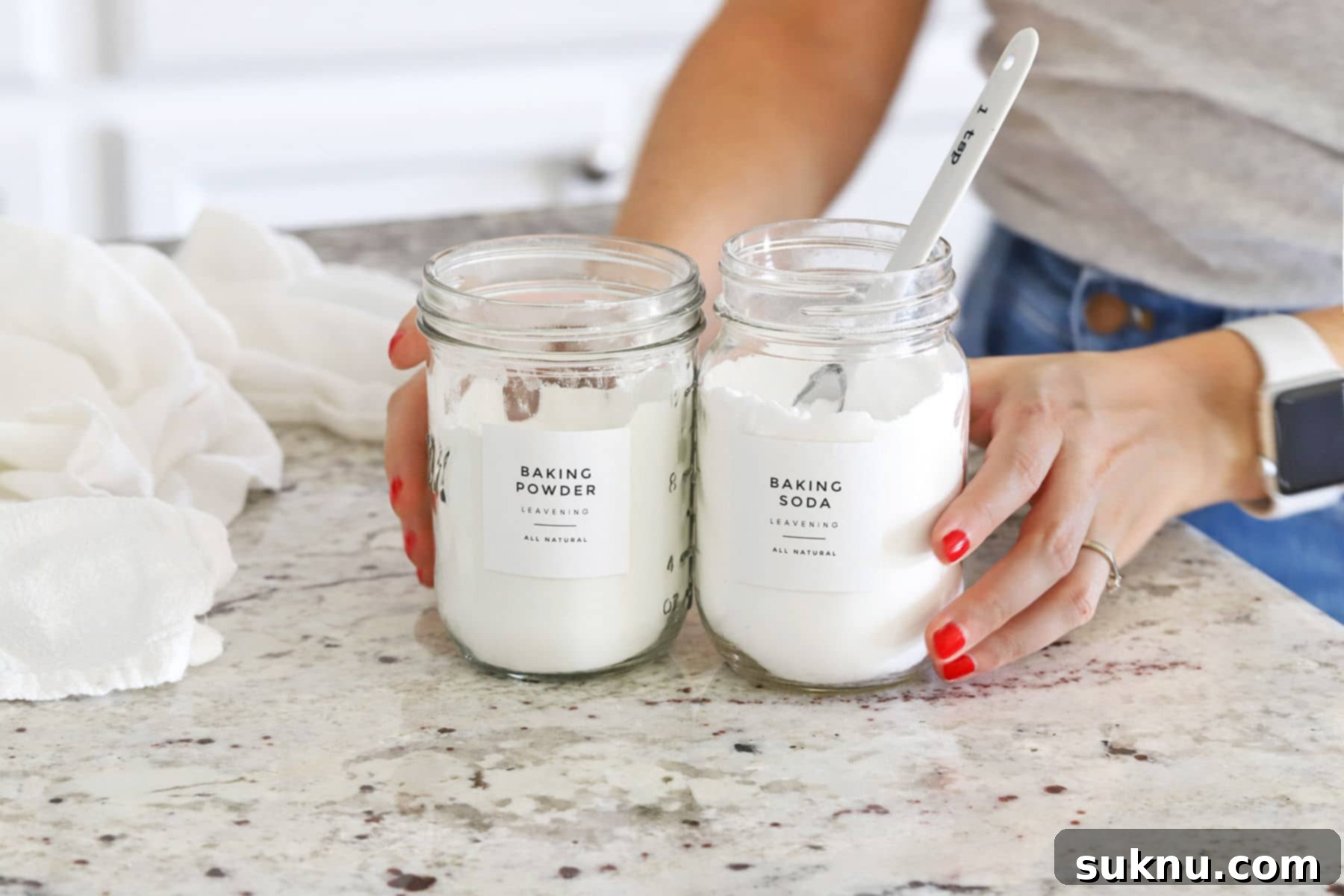
What’s The Difference Between Baking Soda & Baking Powder?
A simple adage for remembering their roles in baking is: “Baking soda spreads + baking powder puffs.” While both are crucial leavening agents, their chemical compositions and activation methods differ significantly, leading to distinct effects in your recipes. Let’s delve into each one:
Baking Soda (Sodium Bicarbonate)
Baking soda, chemically known as sodium bicarbonate, is a pure base. This means it requires an acidic ingredient to activate its leavening power. Think back to elementary school science experiments: the classic vinegar volcano, where baking soda and vinegar create a dramatic fizz. This effervescence is due to the rapid production of carbon dioxide gas.
In baking, a similar activating reaction occurs when baking soda is combined with acidic ingredients present in your recipe. Common acidic components include lemon juice, buttermilk, brown sugar, molasses, yogurt, unsweetened cocoa powder, applesauce, and sour cream. The acid neutralizes the base in the baking soda, triggering the release of carbon dioxide bubbles. These bubbles get trapped in the dough or batter, expanding as they heat and causing your baked goods to rise and spread beautifully, while also ensuring a balanced flavor profile.
It is crucial to use the correct amount of baking soda. Too little will result in an insufficient reaction, leaving your baked goods dense and heavy. Conversely, using too much baking soda without enough acid can lead to a metallic or soapy aftertaste and an over-spread, crumbly texture. Therefore, always ensure your recipe contains enough acidic elements to balance the baking soda and achieve optimal results.
Baking Powder
Baking powder is a complete leavening agent, meaning it already contains both an acid and a base. It’s typically composed of baking soda (the base), cream of tartar (the acid), and often a starch like cornstarch or arrowroot to absorb moisture and prevent premature activation. Because it’s a self-contained leavening system, baking powder simply requires moisture and/or heat to initiate its reaction.
Most baking powder available in the U.S. today is “double-acting.” This means it undergoes two phases of activation: first, a small release of carbon dioxide when it comes into contact with wet ingredients in the dough or batter, and a second, more powerful release when exposed to the heat of the oven. The initial reaction helps the mixture begin to rise, while the second burst of gas provides the primary lift, ensuring a light and airy texture. The cream of tartar component also contributes a slight tangy flavor and aids in the structural integrity, helping baked goods achieve that desirable puffed appearance.
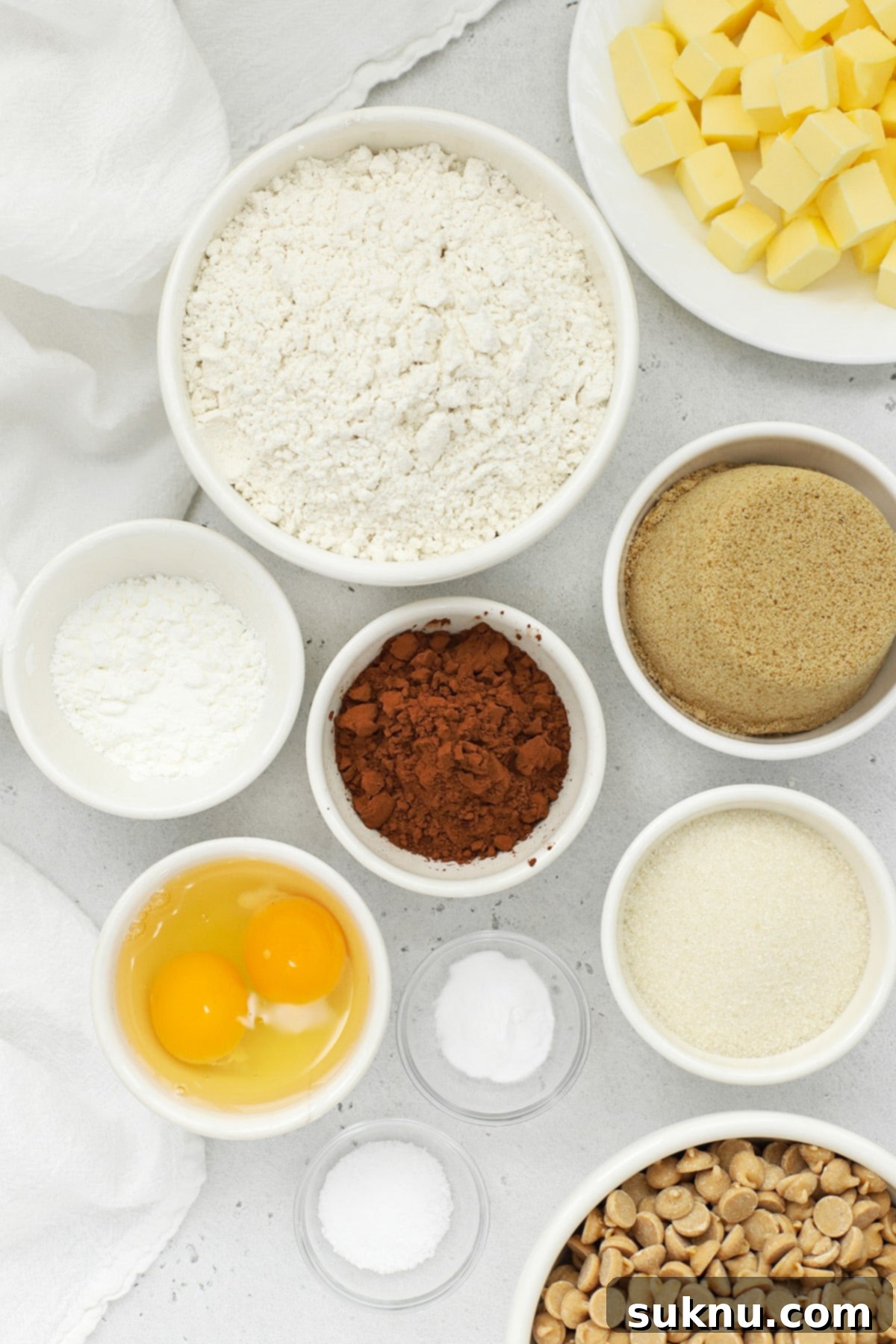
How Long Do Baking Soda & Baking Powder Stay Fresh?
One of the most common questions bakers ask is about the shelf life of these vital ingredients. How long does baking soda stay fresh, and what about baking powder? Knowing these timelines can prevent many baking failures.
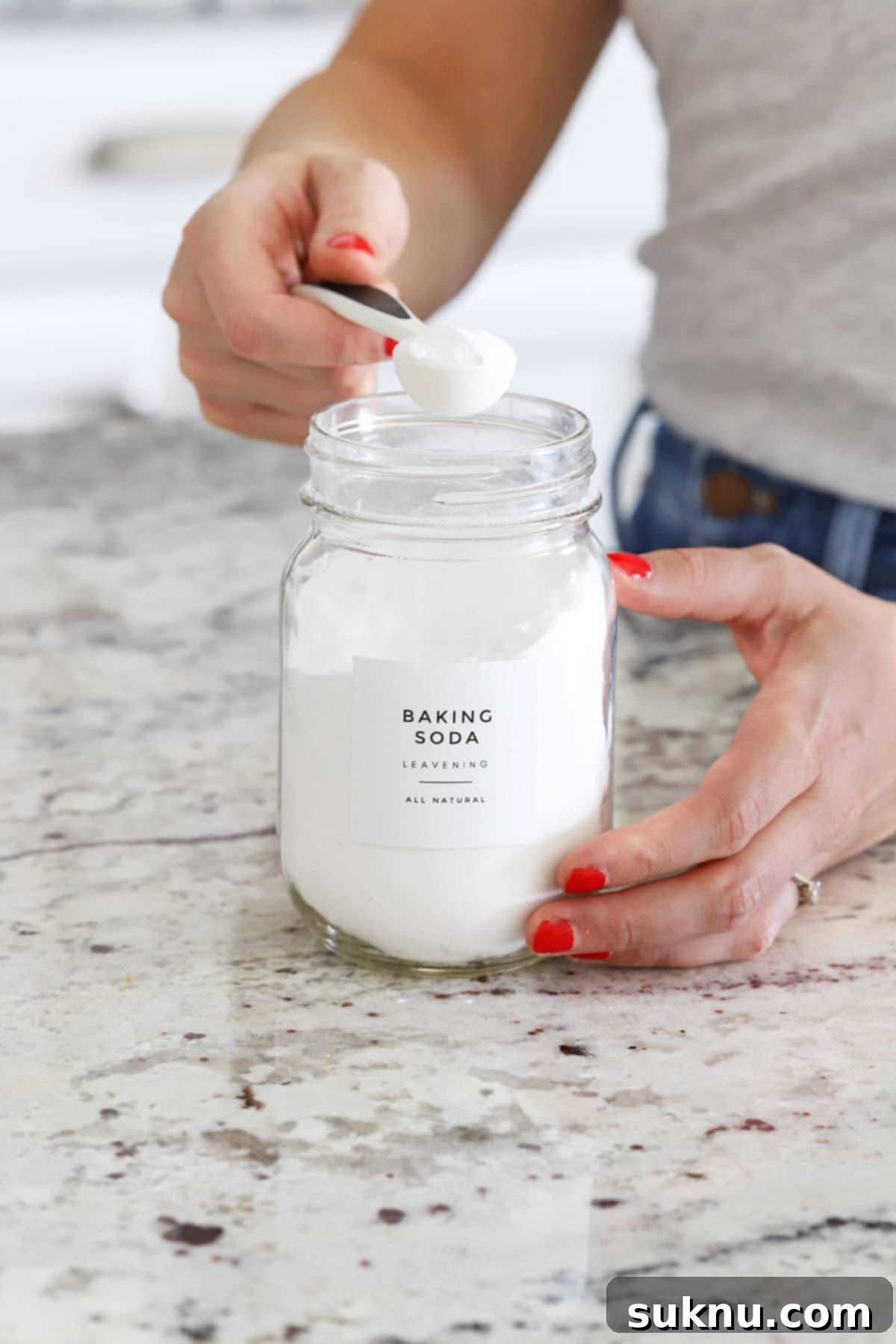
- Baking Soda: Once opened, baking soda typically remains fresh and effective for approximately 6 months. Unopened and stored correctly, it can last much longer, often up to 3 years. Its stability comes from its singular chemical nature, requiring an external acid for activation.
- Baking Powder: Similar to baking soda, baking powder has an optimal shelf life of about 6 months after being opened. However, its unopened shelf life is generally shorter than baking soda, ranging from 6 to 12 months. This is because it contains both an acid and a base, making it more susceptible to environmental factors like moisture, even in an unopened container.
How Often Should You Replace Baking Soda & Baking Powder? To ensure consistent results, I recommend checking the freshness of your baking soda and baking powder every 3 to 6 months, especially if you don’t bake frequently. Factors such as light exposure, ambient heat, and humidity levels in your kitchen can all impact the longevity and efficacy of these leavening agents. Storing them improperly can significantly shorten their active lifespan.
How To Tell If Baking Soda Is Still Good
Determining the freshness of your baking soda is incredibly simple and takes mere seconds. Since baking soda requires an acid to react, we’ll use a common pantry acid for this test. To test if your baking soda is still active and ready for baking, you’ll perform the classic vinegar test:
- Place 1 tablespoon of white vinegar (or lemon juice) into a small to medium-sized bowl. The amount isn’t overly precise, but enough to see a clear reaction.
- Add 1/4 teaspoon of baking soda to the vinegar and immediately observe the reaction.
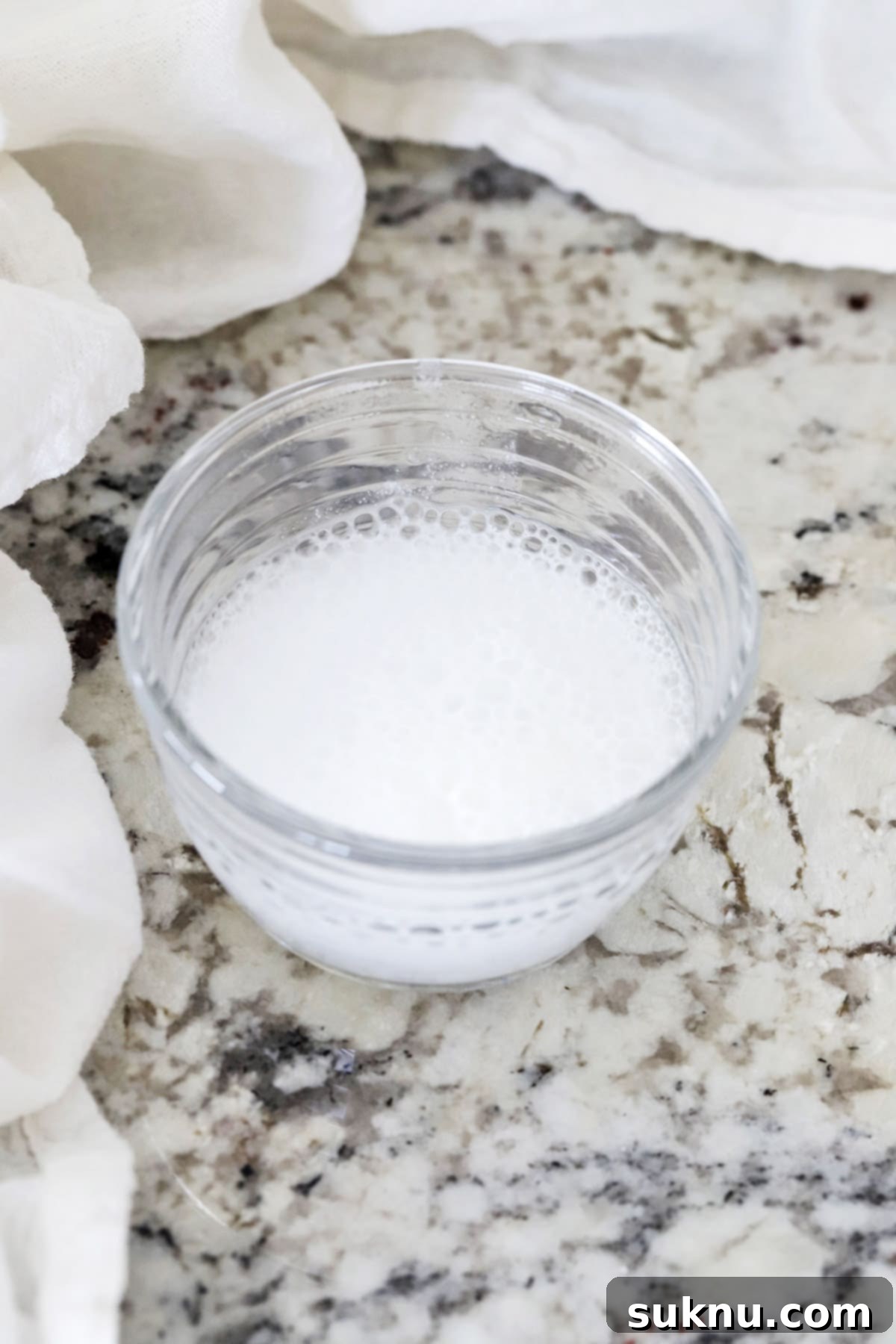
- If your baking soda is FRESH and active: You should see an immediate, vigorous fizzing and bubbling, much like a mini science fair volcano. This strong reaction confirms that your baking soda is potent and will effectively leaven your baked goods.
- If the baking soda is EXPIRED or inactive: You will notice a minimal amount of bubbling, a delayed response, or perhaps no bubbles at all. If the reaction is weak or absent, your baking soda has lost its effectiveness and should not be used for baking, as it will fail to react properly in your recipes.
How To Tell If Baking Powder Is Still Good:
Now that we’ve covered baking soda, let’s turn our attention to its counterpart. Testing baking powder’s freshness is just as straightforward, but it uses a different activator: warm water. Since baking powder already contains both an acid and a base, it primarily reacts to moisture and heat. Here’s how to quickly test your baking powder, step by step:
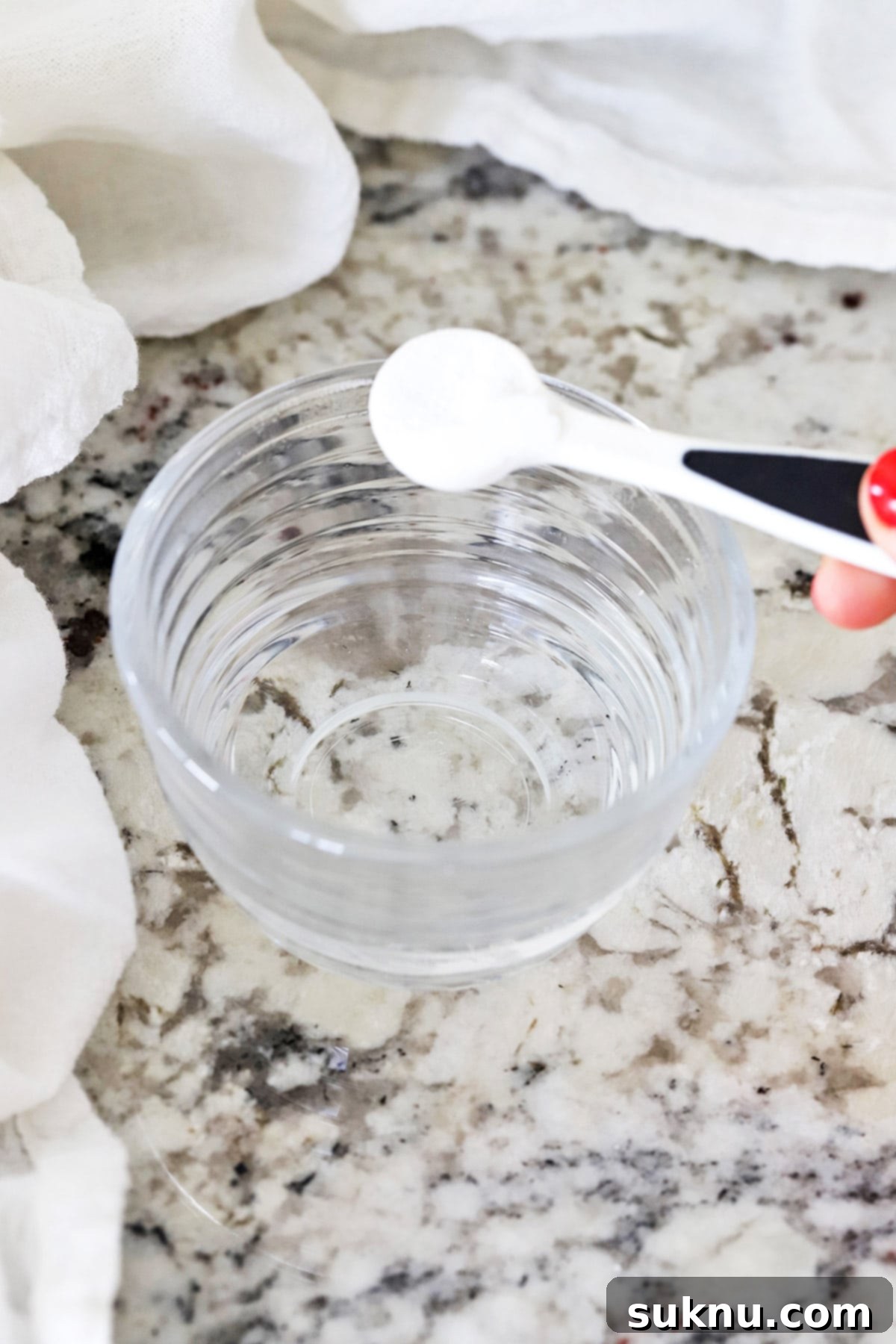
- Place 1/4 cup of warm tap water into a small to medium-sized bowl. The warmth helps to accelerate the reaction, making it more visible.
- Add 1/2 teaspoon of baking powder to the warm water and observe the reaction immediately.
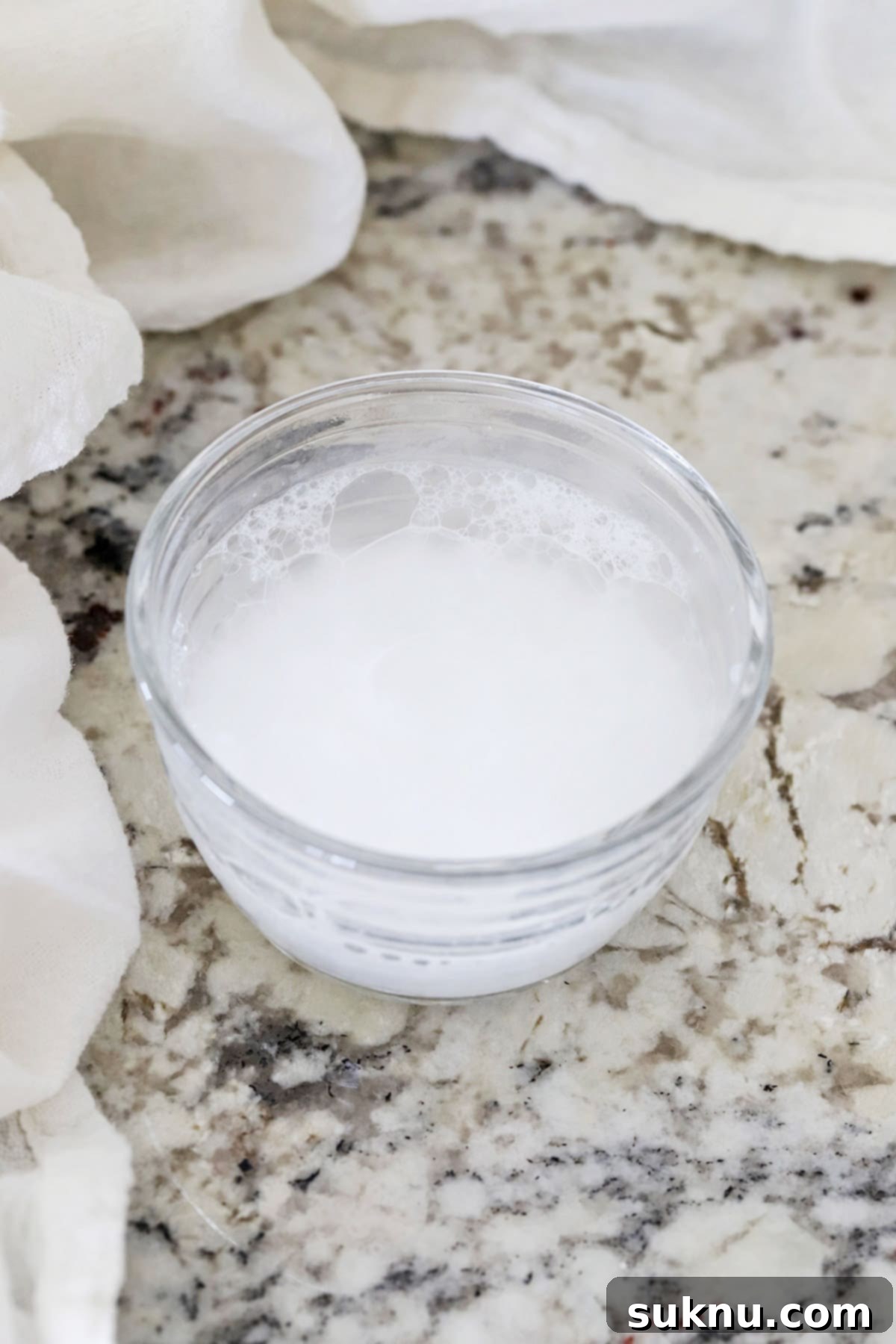
- If the baking powder is FRESH and active: You should see an immediate, energetic bubbling and fizzing. This robust reaction indicates that the baking powder is fully potent and will provide excellent lift to your baked goods.
- If the baking powder is EXPIRED or inactive: You will observe a delayed or weak reaction, or the powder may simply dissolve and sink to the bottom of the water with little to no effervescence. If your baking powder exhibits these signs, it has lost its leavening power and should be discarded, as it will not react effectively in your recipes.
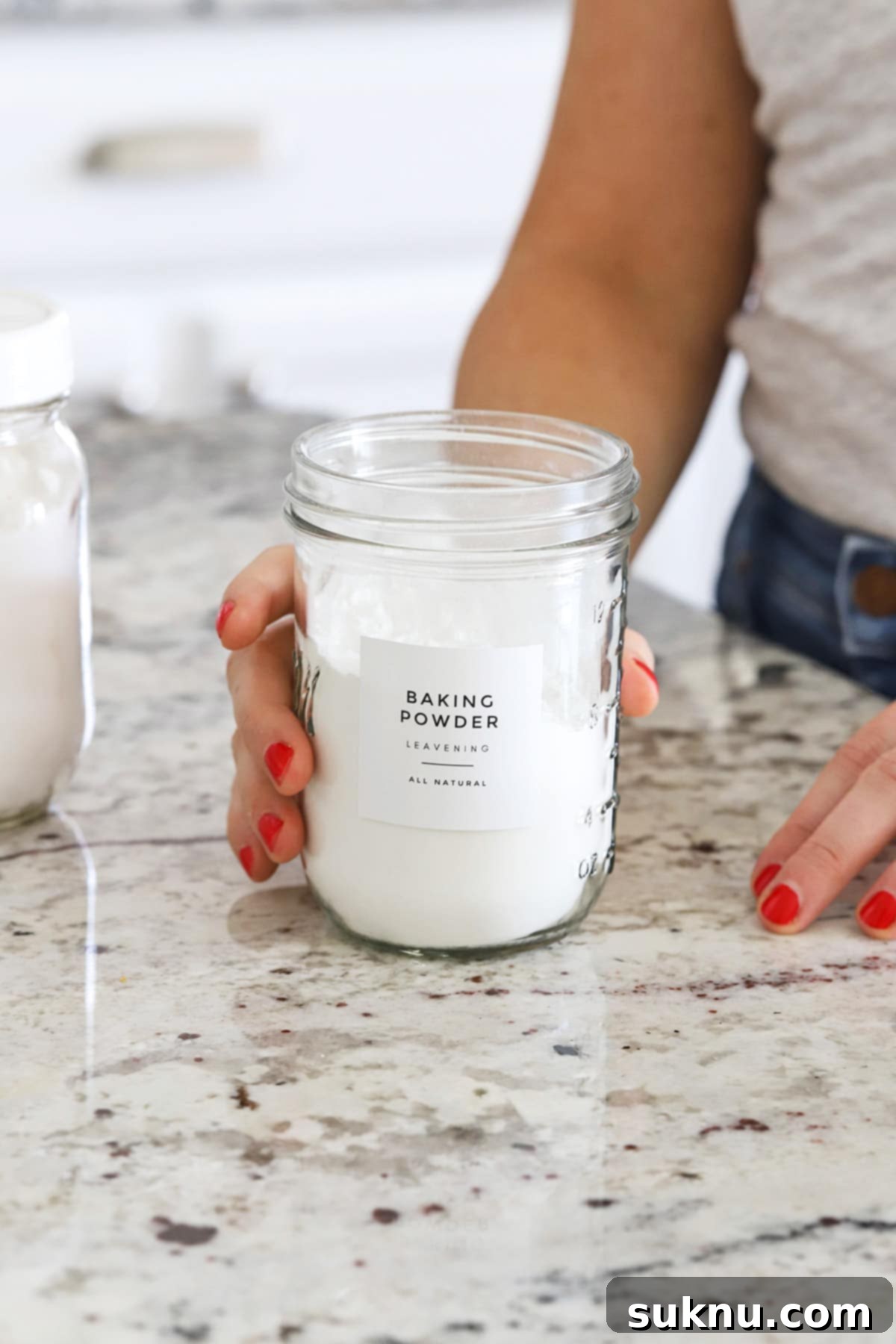
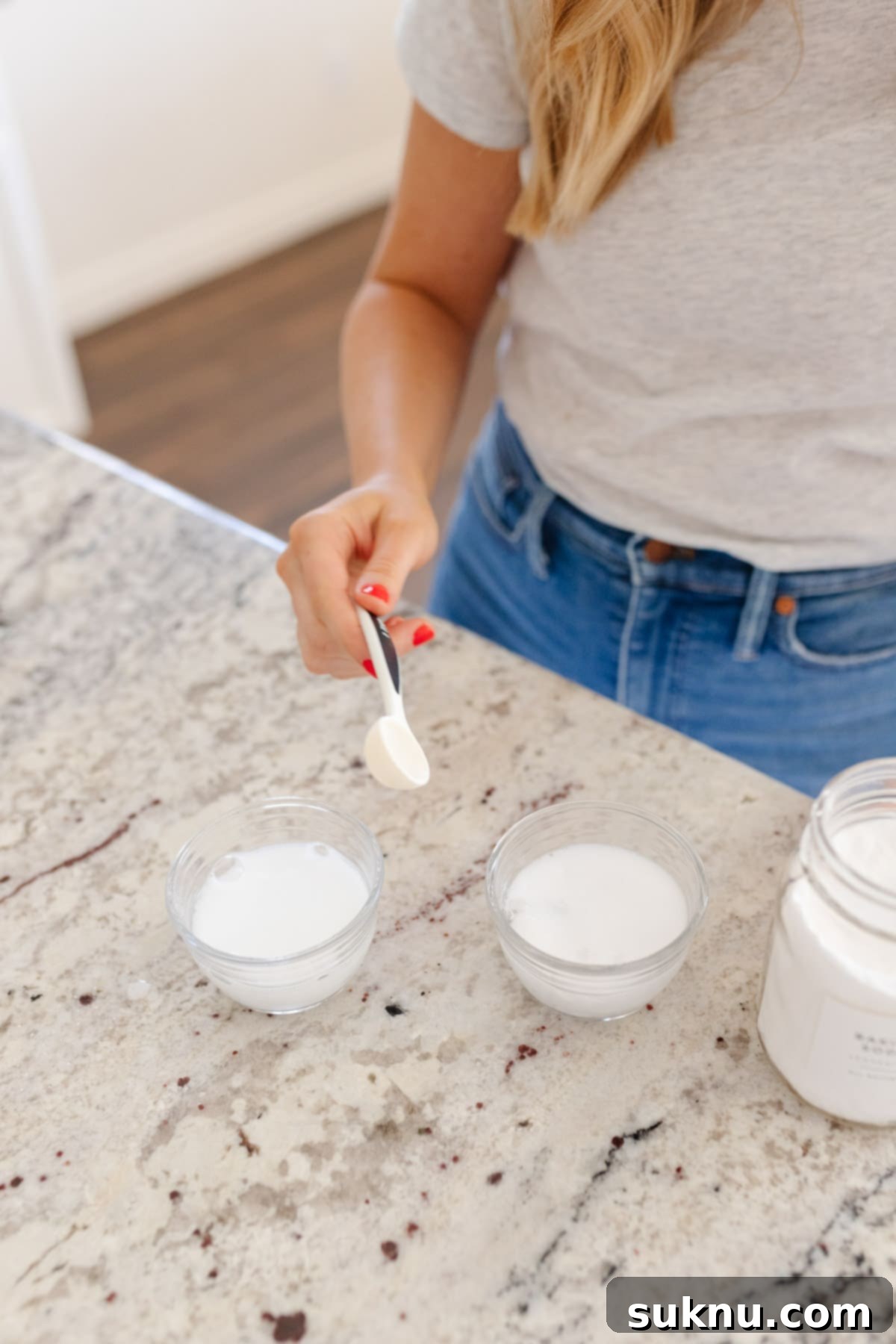
Baking Soda & Baking Powder Substitutions
Sometimes you might find yourself in a bind, needing one leavening agent but only having the other, or neither! Understanding potential substitutions can be a lifesaver in the kitchen, though some are more effective than others.
What’s a good substitute for baking powder? If you’re out of baking powder, you can easily create a homemade version using baking soda and cream of tartar, which is the acid component found in commercial baking powder. To make your own, combine 2 parts cream of tartar + 1 part baking soda + 1 part cornstarch or arrowroot powder (the starch helps keep it stable and prevents clumping). For instance, if your recipe calls for 1 teaspoon of baking powder, you would use 1/2 teaspoon of cream of tartar, 1/4 teaspoon of baking soda, and 1/4 teaspoon of cornstarch or arrowroot. This DIY blend will react similarly to commercial baking powder when combined with wet ingredients and heat.
What’s a good substitute for baking soda? Unfortunately, there isn’t a truly effective or direct substitute for baking soda in recipes that specifically call for it. Baking soda is unique because it’s a pure base that reacts with specific acidic ingredients to produce carbon dioxide. It is significantly more powerful than baking powder, typically 3 to 4 times stronger. Attempting to substitute it with baking powder would require a much larger quantity, which could alter the flavor and texture of your baked goods due to the added acidity and other components. If a recipe specifically requires baking soda, it’s generally best to use it or find a different recipe.
FAQ: Baking Soda & Baking Powder
Let’s address some frequently asked questions about these essential leavening agents to ensure your baking success.
What’s The Best Way To Store Baking Soda & Baking Powder? Proper storage is key to extending the life of your baking soda and baking powder. Both should be stored in airtight containers in a cool, dry, and dark place, such as a pantry or cupboard, away from direct sunlight or heat sources. For baking soda, this means transferring it from its original cardboard box, which isn’t truly airtight, into a sealed jar or container for optimal freshness and longevity. Exposure to air and moisture accelerates the loss of their leavening power, so a tight seal is paramount.
Can You Still Use Expired Baking Powder & Baking Soda? For baking purposes, absolutely not. Expired or inactive baking soda and baking powder will no longer produce the necessary carbon dioxide gas to leaven your recipes. This inevitably leads to disappointing results: cakes that are dense and do not rise, cookies that do not spread or become tough, and generally heavy, unappetizing baked goods. The leavening power is gone, and they cannot be reactivated. While expired baking soda is not suitable for baking, its abrasive qualities still make it effective for household cleaning tasks, such as scrubbing sinks or deodorizing refrigerators. However, expired baking powder has no practical use and should be disposed of.
How Much Baking Powder & Baking Soda To Use Per Cup Of Flour: While the exact amounts will always depend on the specific recipe and the other ingredients present (especially the acidity), a general rule of thumb for many standard recipes is:
- 1 teaspoon of baking powder per 1 cup of all-purpose flour.
- 1/4 teaspoon of baking soda per 1 cup of all-purpose flour (provided there are sufficient acidic ingredients).
Always remember that these are guidelines. For best results, follow your recipe’s instructions precisely, as the balance of leavening agents and other ingredients is carefully calibrated for desired outcomes. Additionally, ensure you measure correctly by spooning the powder into the measuring spoon and leveling it off, rather than scooping directly from the container, which can compact the ingredient and lead to inaccurate measurements.
Do brand names matter? What brand of baking powder is best? For most home bakers, the brand of baking powder doesn’t make a significant difference in terms of performance, as long as it’s fresh. My personal preference is for aluminum-free baking powder, which some bakers believe can prevent a metallic aftertaste in certain recipes. Brands like Trader Joe’s, Rumford, Bob’s Red Mill, and Thrive Market offer excellent aluminum-free options. Trader Joe’s and Thrive Market often provide great value.
What brand of baking soda is best? Similar to baking powder, you’ll find very little variability in the performance of different baking soda brands. It’s a simple chemical compound, and most commercially available options are very pure. Good ol’ Arm & Hammer is a reliable, inexpensive, and widely available choice. Other reputable brands include Trader Joe’s, Bob’s Red Mill, and Thrive Market, all of which are excellent options.
WE ♥
More Baking Tips To Try:
-
How To Freeze Cookie Dough -
How To Keep Bundt Cake From Sticking -
How To Separate Eggs (Yolks & Whites) -
How To Measure Flour Correctly -
How To Brown Butter