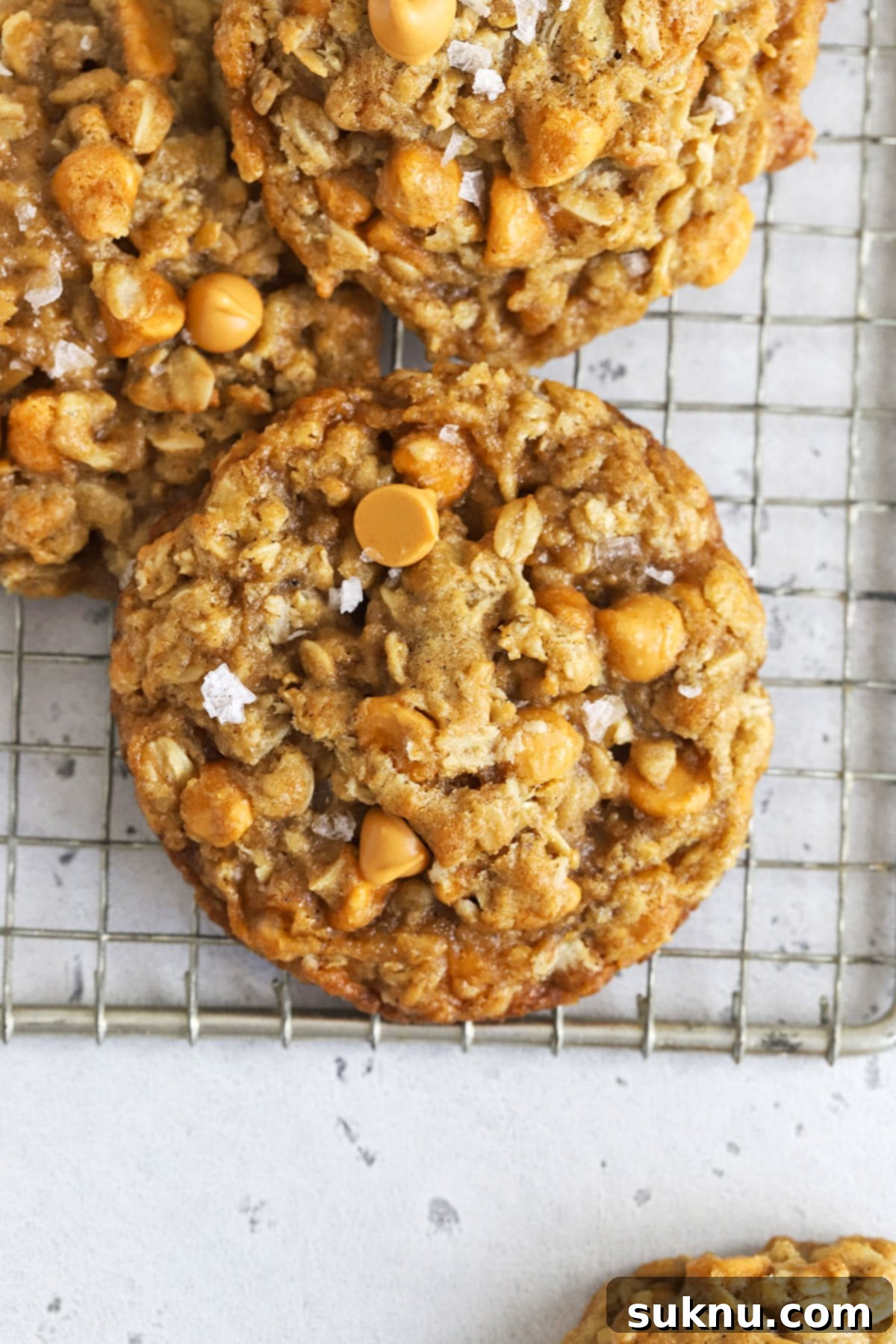
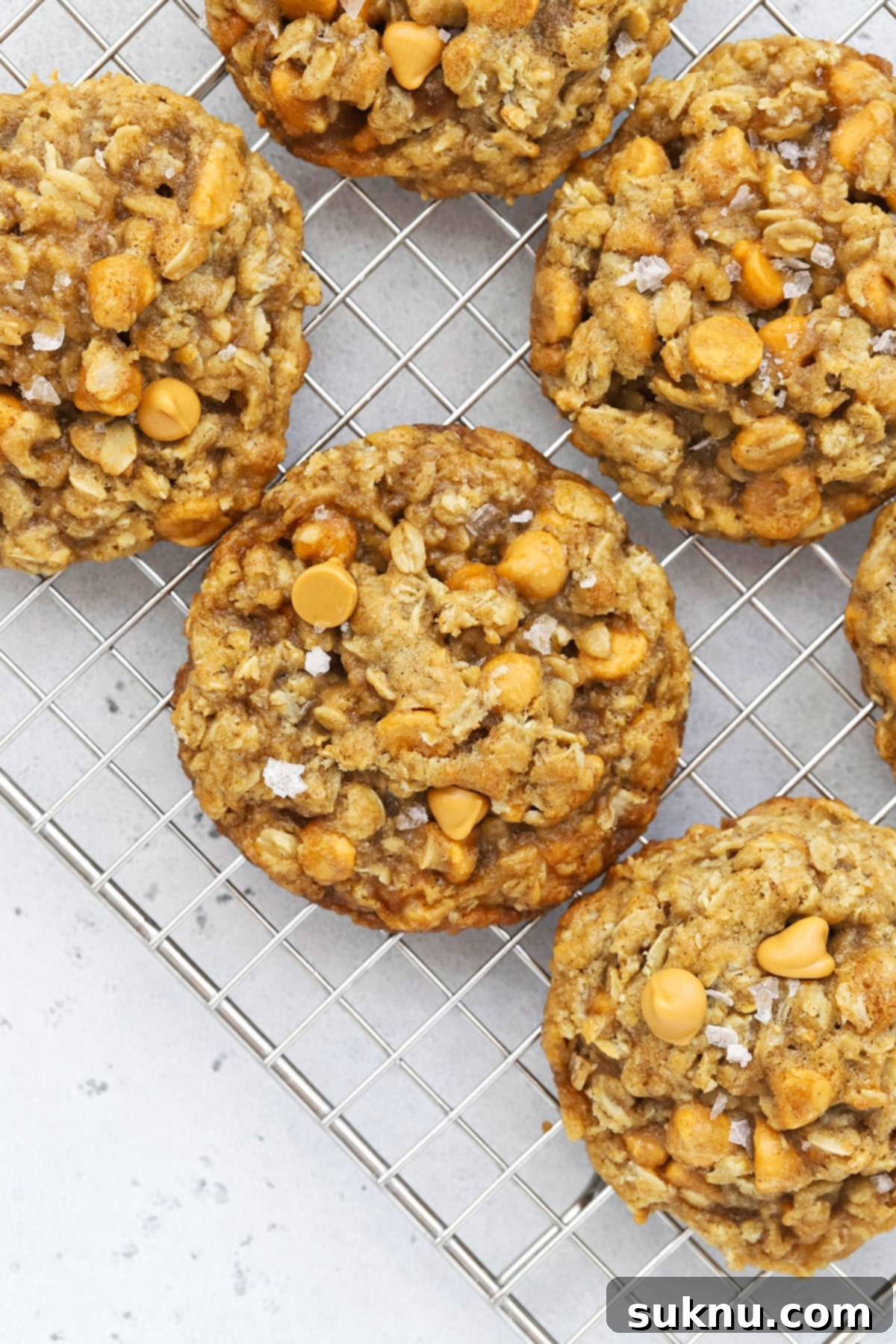
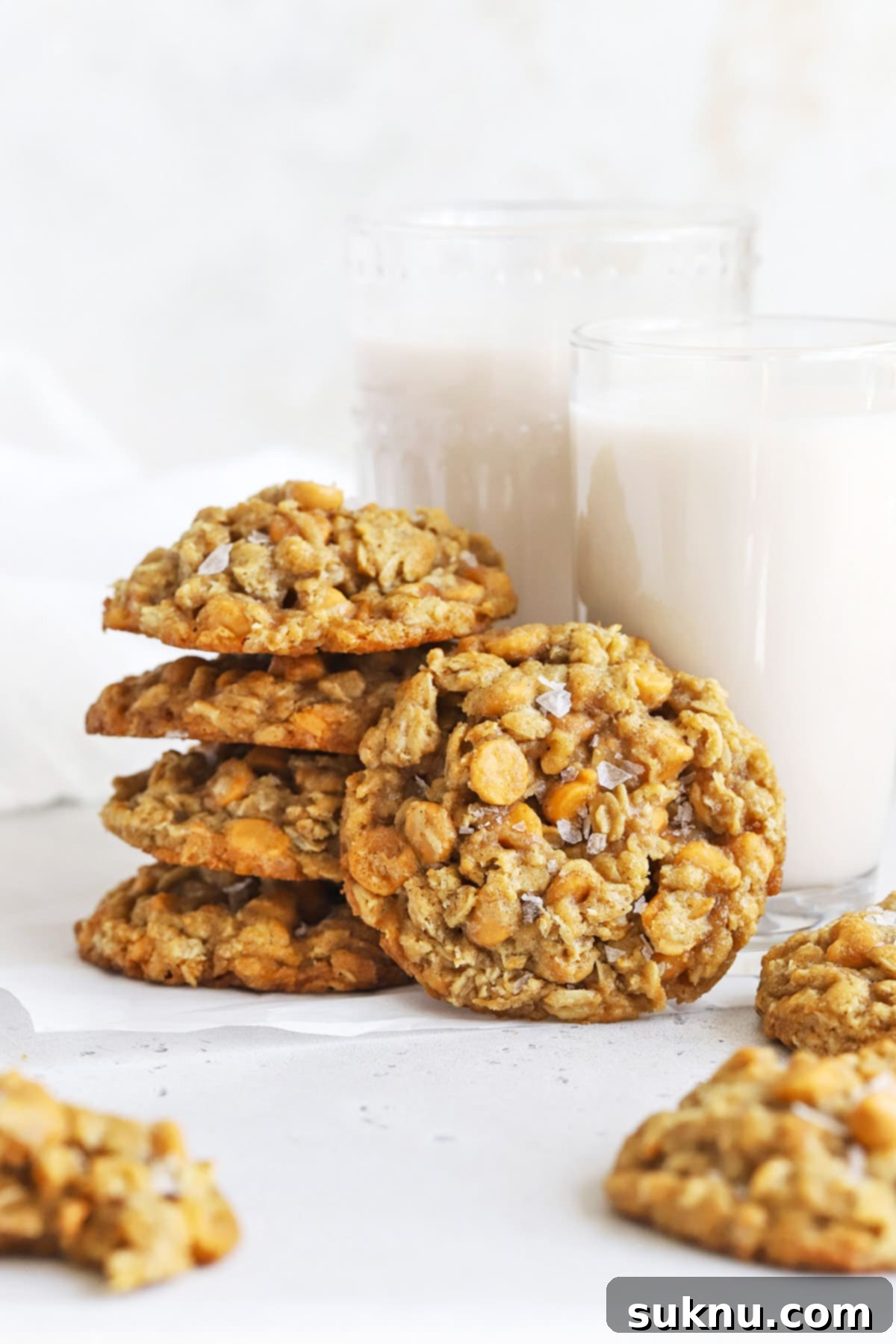
Indulge in the best Gluten-Free Oatmeal Butterscotch Cookies! These exceptionally easy and irresistibly chewy gluten-free oatmeal scotchies are bursting with rich flavor and boast a perfectly satisfying texture.
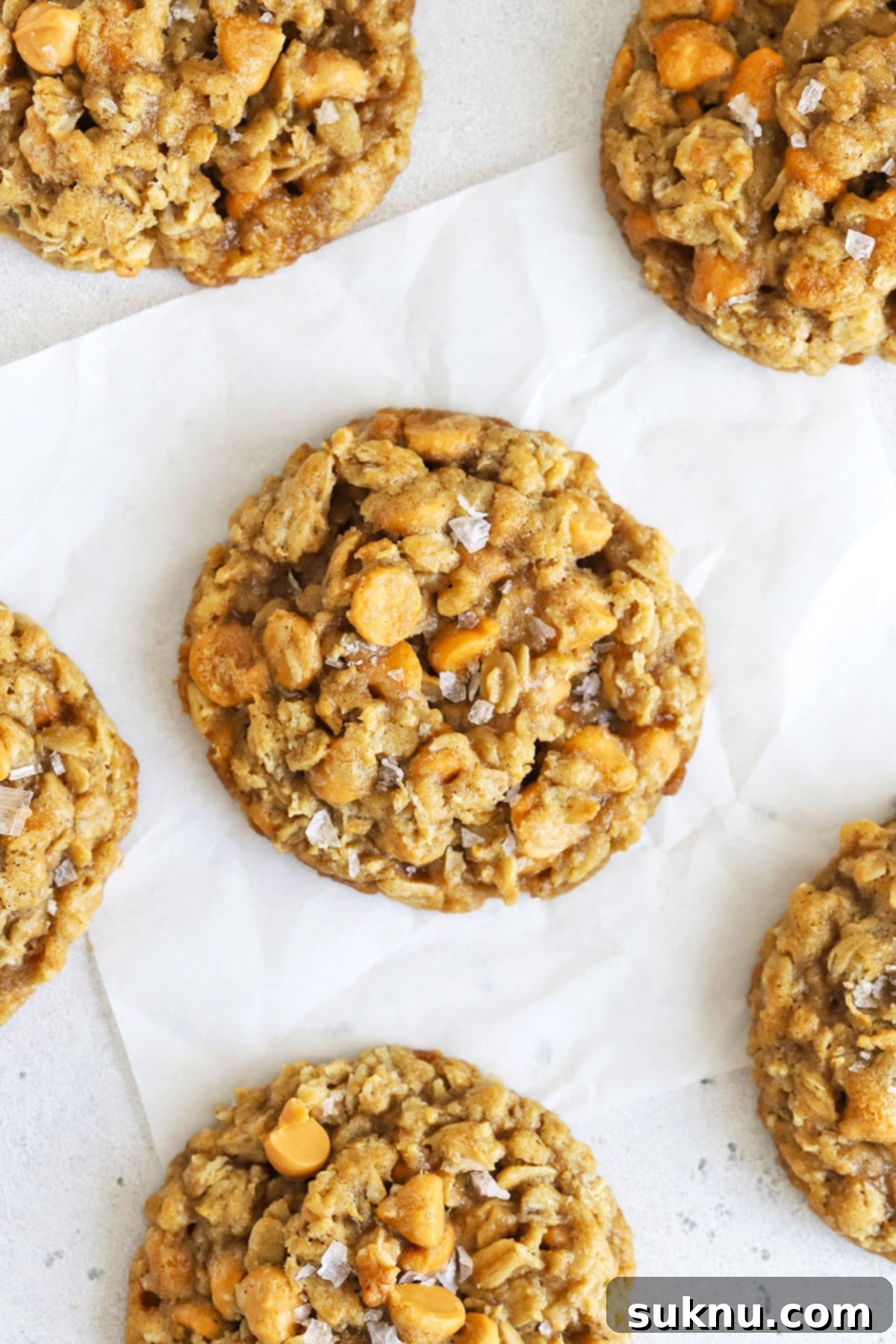
As a passionate baker and lover of all things oatmeal, I’ve explored a vast world of gluten-free oatmeal cookies. From the timeless appeal of chocolate chip and the sophisticated crunch of toffee, to festive white chocolate cranberry and comforting oatmeal raisin varieties (yes, even those!), each offers a unique delight. Today, however, we’re putting a spotlight on a truly special treat: Gluten-Free Oatmeal Scotchies. These oatmeal butterscotch cookies captivate with their harmonious blend of warm cinnamon, fragrant vanilla, and an abundance of sweet, creamy butterscotch chips in every single bite.
The flavor profile is simply enchanting, offering a delightful twist that stands out from your everyday chocolate chip cookie. Beyond the taste, their incredibly soft and chewy texture provides an ultra-satisfying experience that will have you reaching for another, and another. If you’re looking for an exciting new gluten-free cookie recipe that promises both ease and incredible taste, these butterscotch oatmeal cookies are your perfect match.
Ready to embark on a baking adventure? Here’s everything you need to know to create these wonderfully yummy gluten-free butterscotch oatmeal cookies from scratch.
Simple Ingredients for Perfect Gluten-Free Oatmeal Scotchies
One of the many reasons to adore these delightful cookies is their reliance on incredibly simple, accessible ingredients. You likely have most of them in your pantry right now! Let’s dive into what makes these gluten-free oatmeal butterscotch cookies so special:
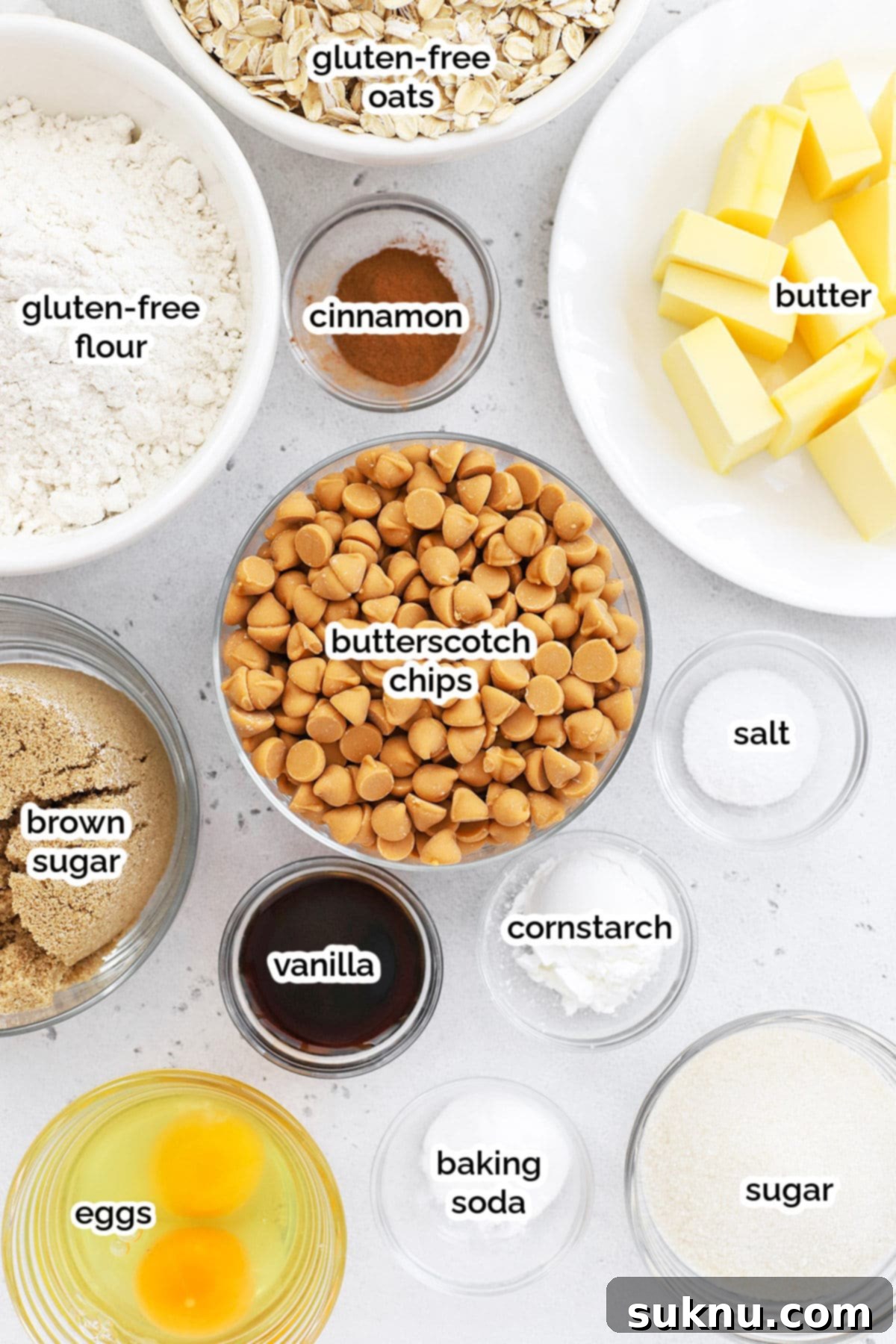
- Softened Butter: The key here is “softened,” not melted or greasy. Your butter should still be cool to the touch but yield slightly when pressed with a finger. This ensures proper creaming with the sugars, creating a light, airy base for your cookies. Avoid warm or shiny butter, as it can lead to a flat, greasy texture.
- Brown Sugar & Granulated Sugar: This classic combination is essential for both flavor and texture. Brown sugar contributes to the cookies’ signature chewiness and adds a subtle molasses note, while granulated sugar ensures a delightful sweetness and helps with spreading. The blend creates a perfect balance that keeps these gluten-free oatmeal cookies soft and incredibly tender.
- Eggs: Acting as a binder, eggs hold all the ingredients together, giving the cookies structure and a slight puff. Ensure they are at room temperature for seamless incorporation into the butter mixture.
- Vanilla Extract: I prefer a generous amount of pure vanilla extract in my gluten-free oatmeal scotchies. Vanilla enhances the sweet butterscotch and cinnamon flavors, adding depth and a comforting aroma that elevates the entire cookie experience. Don’t skimp on this one!
- Gluten-Free Flour: To simplify the baking process, I highly recommend a good-quality measure-for-measure (or 1:1) gluten-free flour blend. We’ve had excellent results with King Arthur Baking’s Gluten-Free Measure for Measure Flour. If you choose another blend, double-check that it contains xanthan gum, which is crucial for providing structure and preventing crumbling in gluten-free baked goods.
- Gluten-Free Rolled Oats: Oats are the heart of any oatmeal cookie! I’ve successfully made these gluten-free oatmeal butterscotch cookies with both rolled oats (also known as old-fashioned oats) and quick oats. Both yield fantastic results, so choose your preference. Remember, it’s vital to use certified gluten-free oats to avoid cross-contamination with wheat.
- Cornstarch: This is my secret weapon for achieving extra chewiness and softness in these gluten-free oatmeal scotchies. It helps tenderize the dough, resulting in cookies that are perfectly soft on the inside.
- Baking Soda: A critical leavening agent, baking soda helps the cookies rise and spread to that ideal chewy thickness. Always ensure your baking soda is fresh for optimal results. An old, inactive leavener can lead to flat, dense cookies.
- Cinnamon (Optional, but Recommended!): While not universally found in oatmeal scotchies, a touch of cinnamon adds a wonderful warmth and depth that beautifully complements the butterscotch and vanilla. It’s a subtle addition that truly enhances the cookie’s overall flavor profile.
- Salt: Often overlooked, salt plays a crucial role in this gluten-free cookie recipe. It balances the inherent sweetness of the butterscotch chips, preventing the cookies from being cloyingly sweet and instead highlighting their complex flavors.
- Butterscotch Chips: And of course, you can’t have gluten-free oatmeal scotchies without plenty of sweet, golden butterscotch chips! Toll House brand is widely available and a reliable choice. Feel free to experiment with other brands like Guittard for different flavor nuances. For those following a dairy-free diet, King David vegan butterscotch chips are an excellent alternative.
For the most accurate and consistent results, always weigh your flour. If you don’t have a kitchen scale, use the scoop and level method. Too much flour will result in dry, crumbly cookies that don’t spread enough, while too little flour can make them spread excessively and become thin. Precision in measuring gluten-free flour is key to a perfect cookie!
WE ♥
Mastering Gluten-Free Oatmeal Scotchies: Step-by-Step Guide
For precise ingredient quantities, a comprehensive list, and additional tips, please refer to the recipe card provided below.
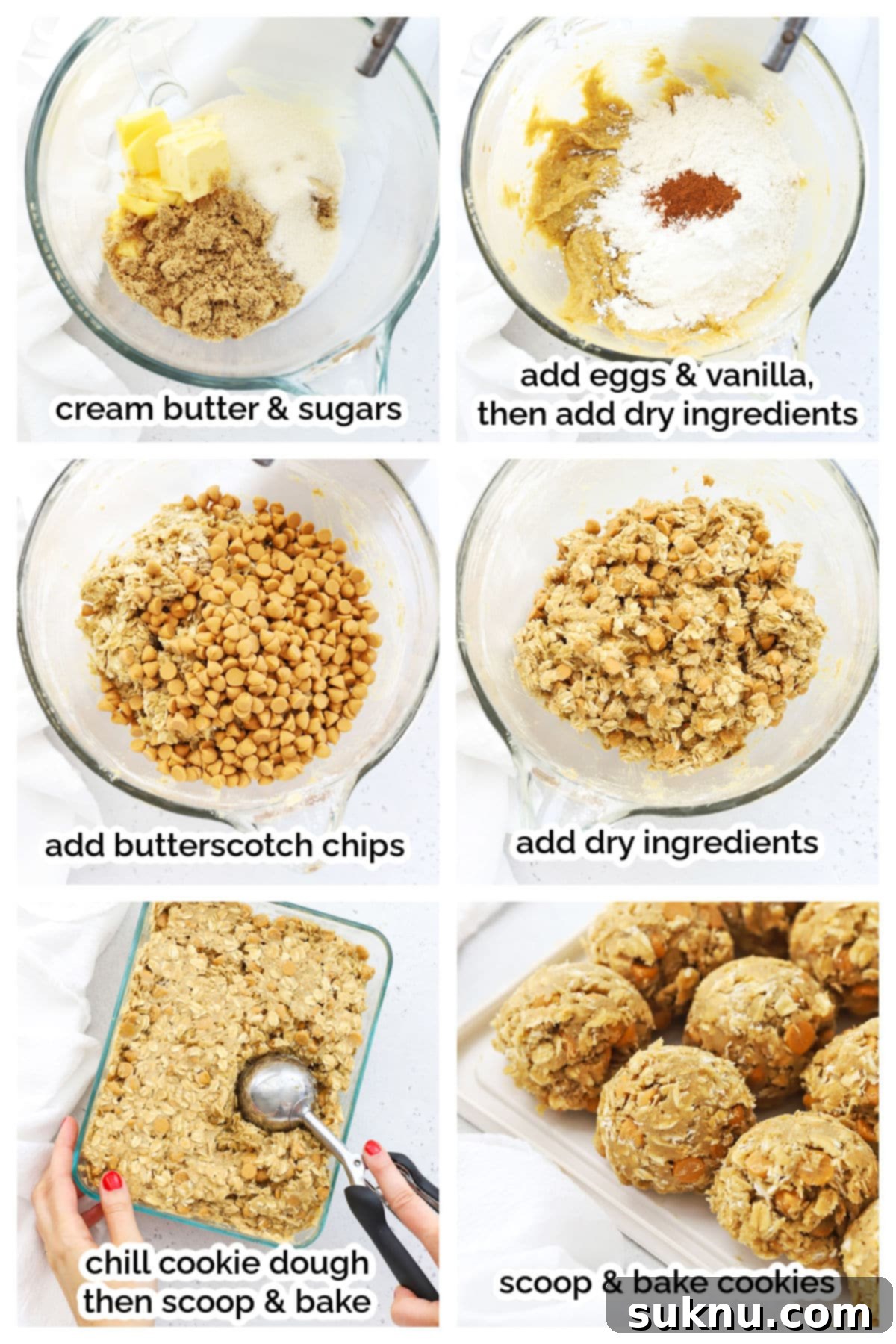
- Cream The Butter & Sugars: In the bowl of a stand mixer fitted with the paddle attachment (or a large bowl with a hand mixer), combine your perfectly softened butter, brown sugar, and granulated white sugar. Beat on medium speed for 2-3 minutes. Continue mixing until the butter and sugar mixture becomes noticeably lighter in color, significantly fluffy, and well-aerated. This step is crucial for achieving a tender cookie texture.
- Incorporate Eggs Gradually: Add the eggs one at a time, ensuring each egg is fully incorporated into the mixture before adding the next. This allows for proper emulsification, preventing a curdled appearance and ensuring a smooth, cohesive dough.
- Add Vanilla: Pour in the pure vanilla extract and mix until it is thoroughly combined with the wet ingredients. The vanilla will infuse the dough with its signature comforting aroma.
- Prepare Dry Ingredients: Stop the mixer and scrape down the sides of the bowl to ensure all ingredients are well mixed. Add your measured gluten-free flour blend, certified gluten-free rolled oats, cornstarch, baking soda, salt, and cinnamon (if using). Mix on low speed just until the ingredients are *almost* combined. You should still see a few streaks of dry flour – this prevents overmixing.
- Fold in Butterscotch Chips: Gently add the butterscotch chips to the dough. Continue to mix or stir on the lowest setting just until the last bits of flour disappear and the butterscotch chips are evenly distributed throughout the batter. Overmixing at this stage can lead to tough cookies, so be gentle!
- Chill The Dough (Essential Step!): This is a non-negotiable step for truly exceptional gluten-free oatmeal scotchies. Transfer your cookie dough to an airtight container, cover it, and chill in the refrigerator for at least 2 hours, or up to 24 hours. Chilling allows the gluten-free flour and oats to fully hydrate, preventing a gritty texture and ensuring the cookies spread perfectly during baking. Skipping this step often results in overly thin or crumbly cookies.
- Preheat & Prep for Baking: When you’re ready to bake, preheat your oven to 350 degrees F (175 degrees C). Line a baking sheet with parchment paper or a silicone baking mat. Remove the chilled cookie dough from the fridge about 15-20 minutes before baking to allow it to soften slightly, making it easier to scoop.
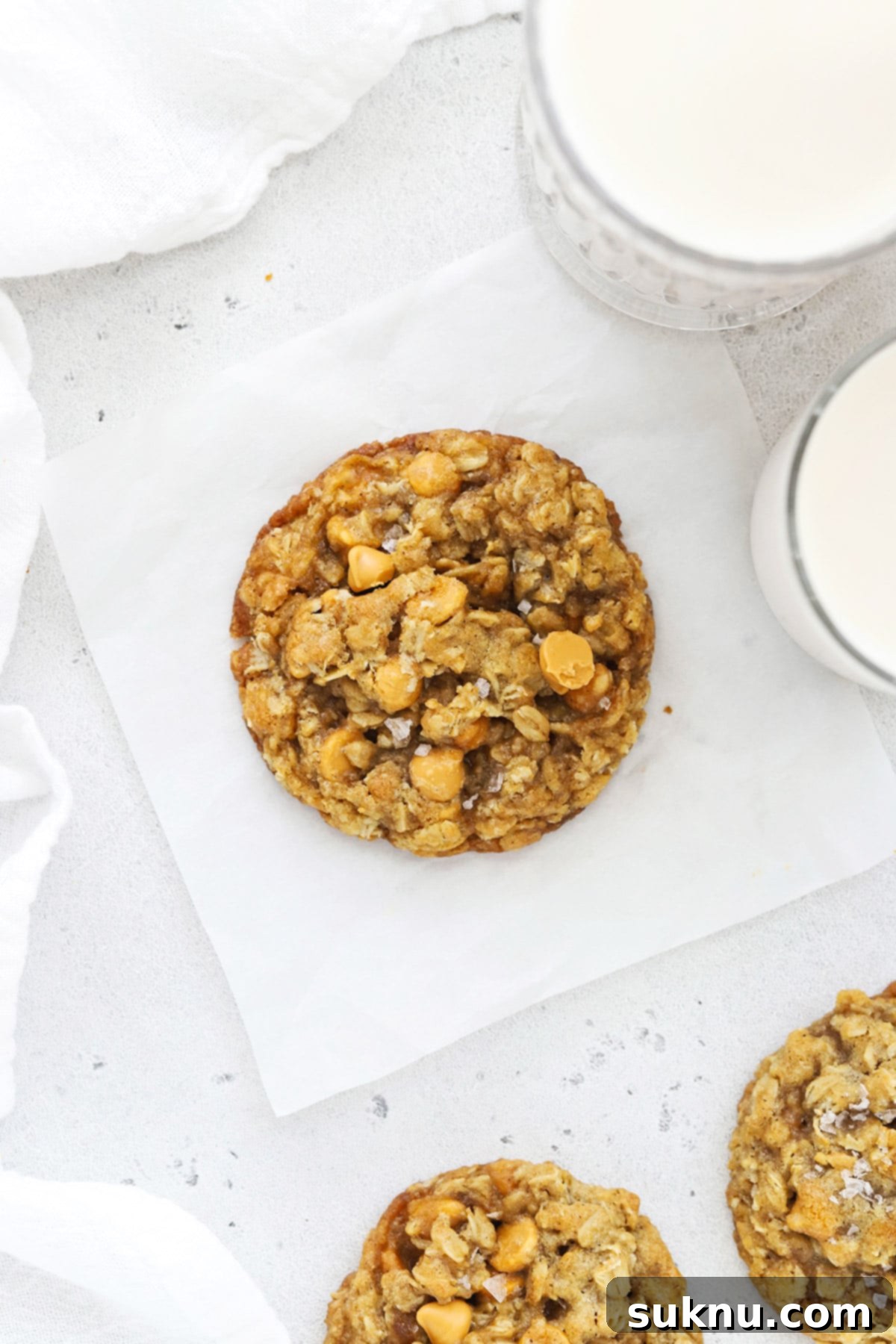
- Scoop & Bake: Use a large (3-tablespoon capacity) cookie scoop to portion out 6 cookie dough balls onto the prepared baking sheet, ensuring they are spaced adequately apart. Bake for 10-12 minutes at 350 degrees F. The cookies are ready when their edges are lightly golden brown, but the centers still appear slightly underdone and soft. This indicates a perfectly chewy cookie. Remove them from the oven immediately. If desired, sprinkle a pinch of flaky sea salt over the warm cookies for an enhanced flavor balance.
- Cool & Transfer: Allow the baked cookies to cool on the baking sheet for 2-3 minutes. This crucial resting period allows the residual heat from the pan and the cookies themselves to continue baking the centers gently, ensuring they set without becoming overbaked. After this time, carefully transfer the cookies to a wire rack to cool completely.
- Repeat & Enjoy!: Continue this baking process with the remaining cookie dough. These gluten-free oatmeal butterscotch cookies are best enjoyed fresh, but leftovers can be stored at room temperature in an airtight container for 2-3 days, or frozen for up to 6-8 weeks for a future craving.
Expert Tips for Irresistible Gluten-Free Oatmeal Scotchies
-
MASTERING FLOUR MEASUREMENT. Precise flour measurement is the cornerstone of successful baking, especially with gluten-free recipes. Learn our expert tips for using a kitchen scale for ultimate accuracy, or the reliable scoop & level method if a scale isn’t available. This ensures your cookies have the perfect texture every time.
-
HOW TO FREEZE COOKIE DOUGH. Love the idea of fresh-baked cookies on demand? This comprehensive guide will walk you through the best methods for freezing your oatmeal cookie dough, ready to bake whenever a craving strikes. We even cover how to bake them directly from frozen!
-
8 ESSENTIAL COOKIE TOOLS WE USE ALL THE TIME. Elevate your cookie-making game with our curated list of must-have baking tools. From reliable stand mixers to perfect cookie scoops, these items will help you achieve professional-level results every time.
-
ENSURE FRESH BAKING POWDER & SODA. The effectiveness of your leavening agents directly impacts your cookies’ rise and texture. Don’t risk flat cookies! Quickly test the freshness of your baking powder or baking soda with this simple 5-second test.
FAQ + Pro Tips for Your Best Gluten-Free Oatmeal Butterscotch Cookies
The Golden Rule: Do NOT Skip The Chill Time! While some cookie recipes are forgiving, this gluten-free oatmeal butterscotch cookie recipe absolutely requires chilling the dough. This isn’t just about preventing spread; it’s vital for texture and flavor. During chilling, the gluten-free flour and oats have time to properly hydrate and soften, which is key to a chewy, non-gritty cookie. Without this essential step, your cookies may spread excessively, resulting in a thin, dry, and tough texture, and the oats might remain unpleasantly firm. Plan ahead and give your dough at least two hours in the fridge for optimal results.
Customize Sweetness with Chocolate Chips: Butterscotch chips are known for their distinct sweetness. If you prefer a slightly less sweet cookie or simply want to introduce another layer of flavor, try substituting half of the butterscotch chips with chocolate chips. Semi-sweet or dark chocolate chips pair beautifully with the butterscotch, creating a delightful flavor contrast that I personally love!
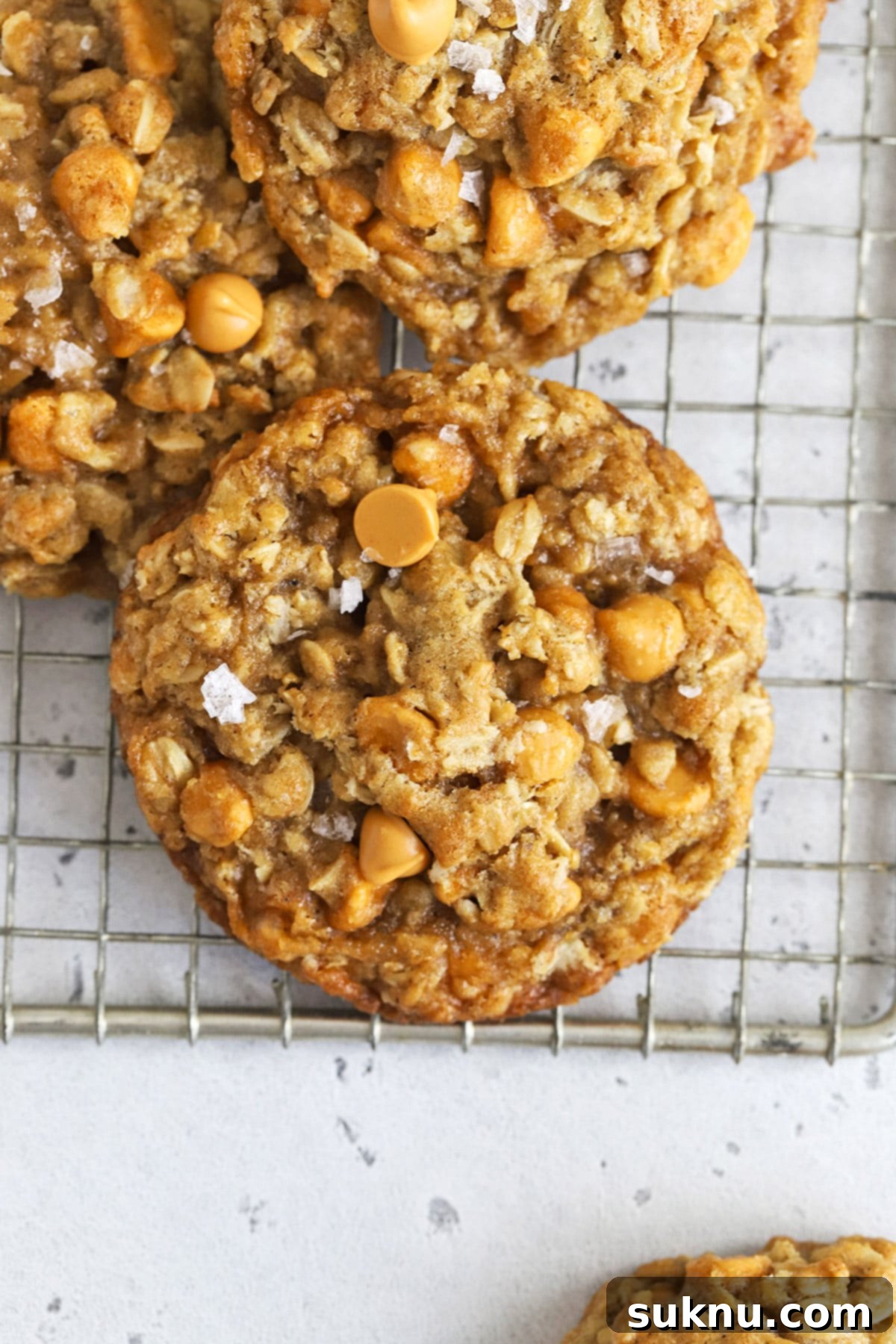
Enhance Flavor with Flaky Sea Salt: A tiny sprinkle of flaky sea salt (like Maldon) on top of your freshly baked, warm cookies can make a world of difference. This isn’t meant to make your cookies taste salty, but rather to expertly balance the sweetness of the butterscotch chips, bringing out a more complex and satisfying flavor profile. It’s a small touch that adds a gourmet finish!
Rolled Oats vs. Quick Oats: Which is Best for Oatmeal Cookies? I’ve thoroughly tested this recipe using both quick-cooking oats and traditional rolled (old-fashioned) oats, and I’m happy to report that both work wonderfully! Quick oats tend to create a more uniformly soft texture that can be particularly appealing to children or those who prefer a less rustic feel. Rolled oats, with their thicker and larger flakes, offer a more prominent “oatmeal cookie” appearance and a chewier, heartier bite. Choose whichever suits your preference!
Crucial for Gluten-Free Bakers: Use Certified Gluten-Free Oats! It’s a common misconception that oats are naturally gluten-free. While pure oats do not contain wheat gluten, they are frequently processed and grown in facilities that also handle wheat, barley, and rye. This often leads to cross-contamination. To ensure your gluten-free oatmeal scotchies are truly safe for those with celiac disease or gluten sensitivity, always purchase oats explicitly labeled as “certified gluten-free.” Reliable brands we recommend include Trader Joe’s, Bob’s Red Mill, and One Degree, among others. Always read labels carefully!
Explore More Gluten-Free Oatmeal Cookie Recipes
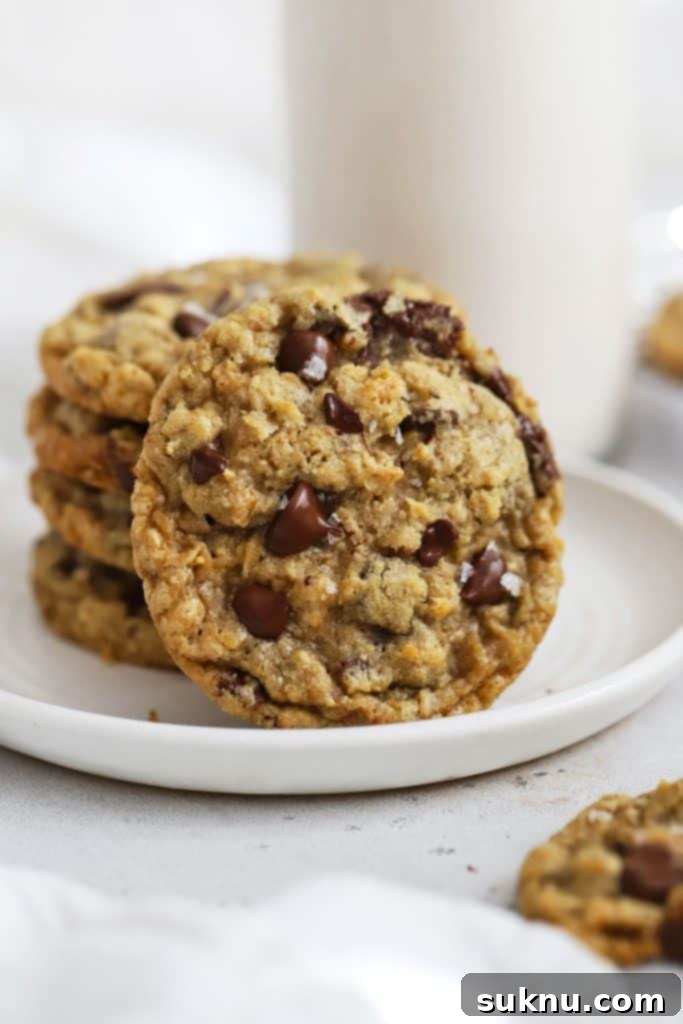
Gluten-Free Oatmeal Chocolate Chip Cookies
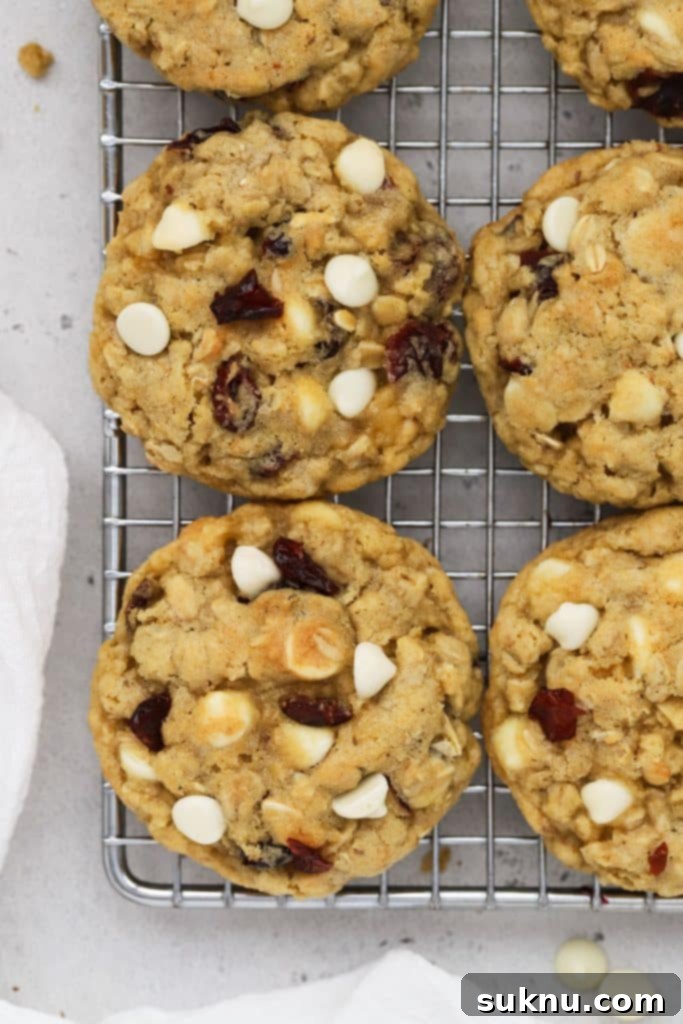
Gluten-Free Cranberry White Chocolate Chip Cookies
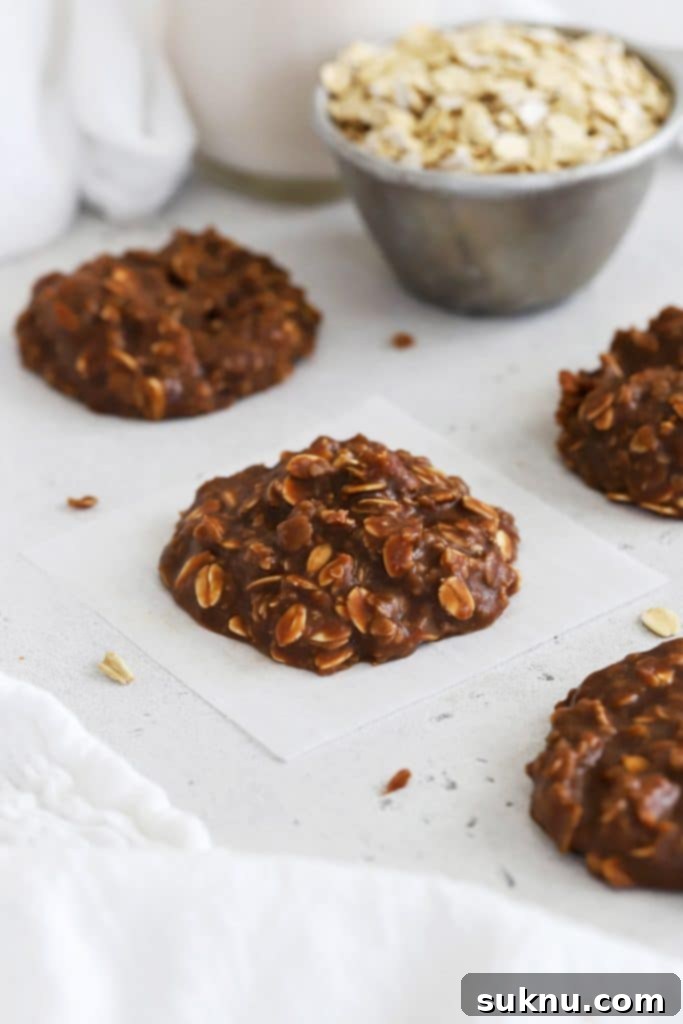
Gluten-Free No-Bake Cookies
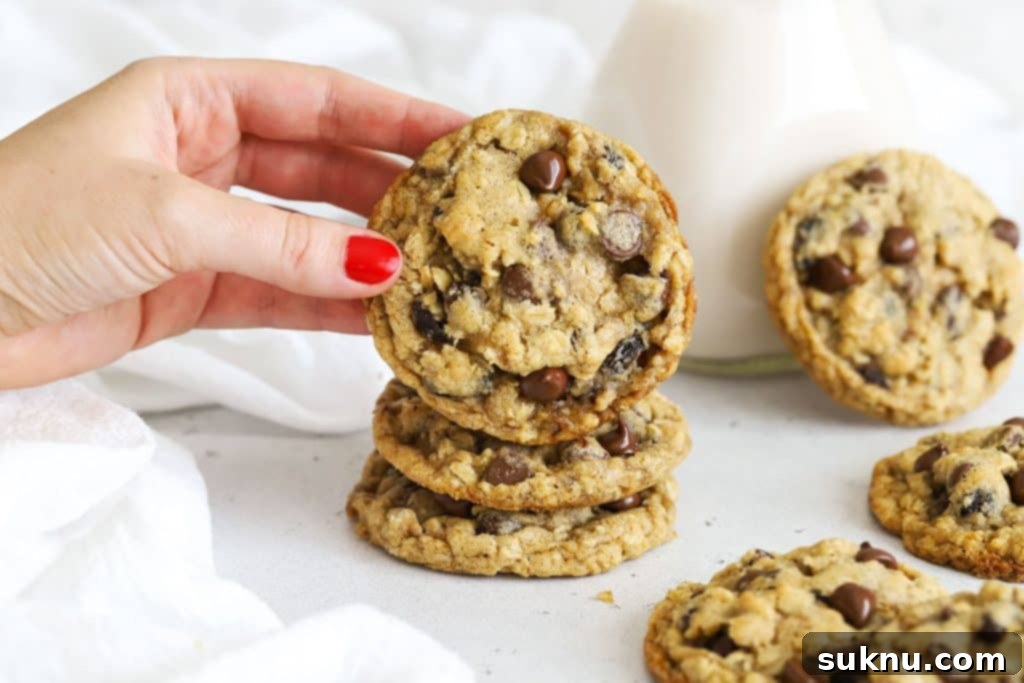
Chewy Gluten-Free Oatmeal Raisin Cookies
🌟 Did You Make This Recipe?
We’d love to hear from you! Please leave a star rating below and share your experience with our Gluten-Free Oatmeal Scotchies recipe. Your feedback helps us and other bakers!
Tap to Leave a Review
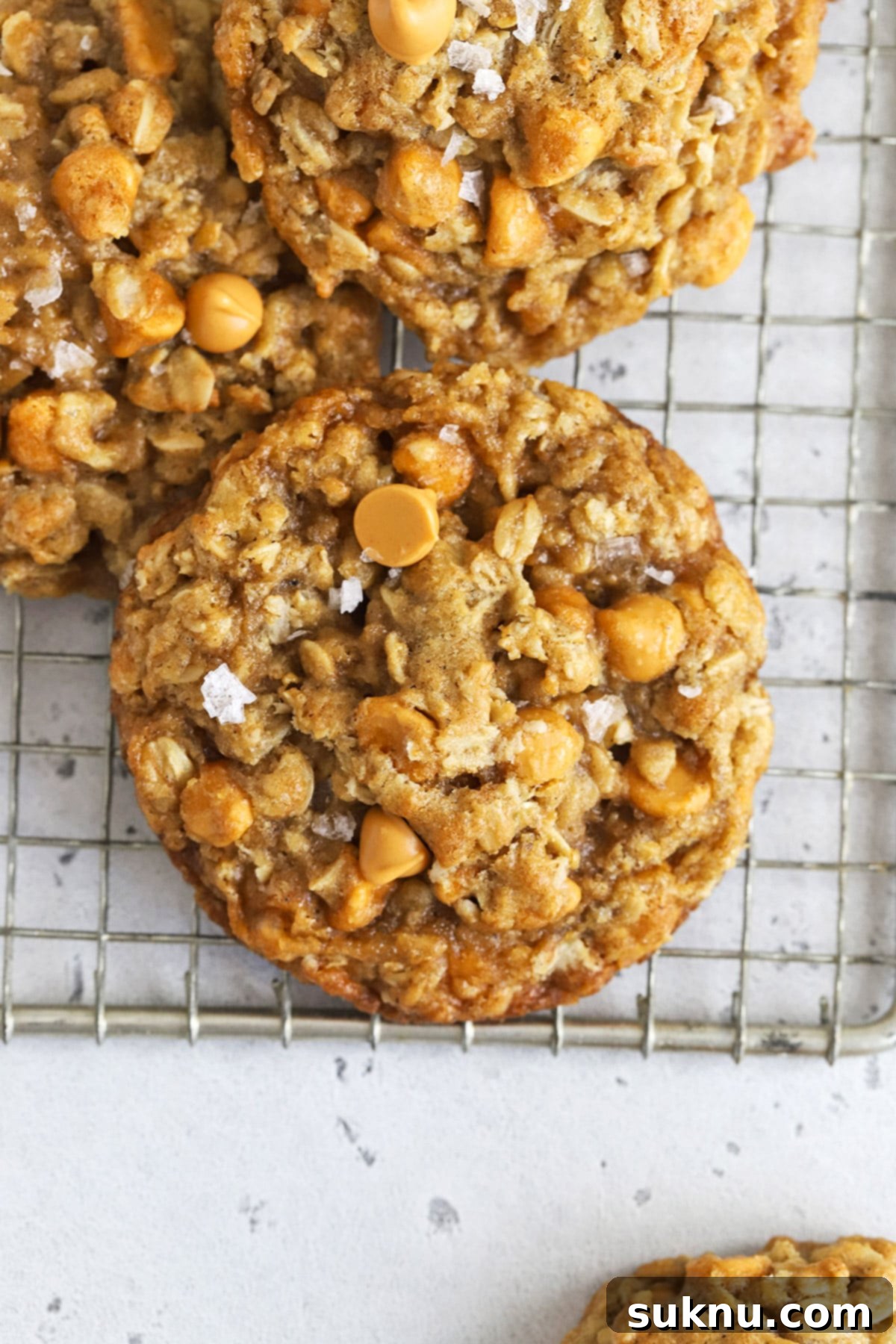
Gluten-Free Oatmeal Scotchies (Oatmeal Butterscotch Cookies)
Emily Dixon, Sweets & Thank You
These easy, chewy Gluten-Free Oatmeal Butterscotch Cookies are loaded with flavor & have the best texture!
20 minutes
45 minutes
Print
Pin
Rate
2
dozen cookies
Ingredients
For The Wet Ingredients:
-
1
cup
butter
(227 grams/2 sticks), softened -
1
cup
brown sugar
lightly packed (200 grams) -
½
cup
sugar
(100 grams) -
2
large eggs
room temperature -
1
Tablespoon
pure vanilla extract
For The Dry Ingredients:
-
1 ½
cups
gluten-free measure-for-measure flour, weighed or scooped & leveled
(180 grams) -
3
cups
certified gluten-free rolled oats
(270 grams) -
1
Tablespoon
cornstarch
(8 grams) -
1
teaspoon
baking soda -
½
teaspoon
salt -
½
teaspoon
cinnamon
optional -
2
cups
butterscotch chips (or 1 cup butterscotch chips + 1 cup dark chocolate chips)
(11 oz.) -
Optional: flaky sea salt
like Maldon, to finish
Instructions
- Cream The Butter & Sugars. In the bowl of a stand mixer with the paddle attachment (or using a hand mixer in a large bowl), combine the softened butter, brown sugar, and white sugar. Cream together for 2-3 minutes on medium speed until the mixture is light in color and notably light and fluffy in texture.
- Add Eggs One At A Time, beating well to fully incorporate each egg into the butter-sugar mixture before adding the next one.
- Add Vanilla, and mix until the extract is thoroughly combined into the dough.
- Start On The Dry Ingredients. Scrape down the sides of your mixer bowl to ensure everything is evenly mixed. Add the gluten-free flour, rolled oats, cornstarch, baking soda, salt, and cinnamon (if using). Mix on low speed until the ingredients are *almost* combined. It’s okay if a few dry streaks remain at this stage.
- Add Butterscotch Chips & Mix just until all the flour is incorporated and the butterscotch chips are evenly distributed throughout the cookie batter. Be careful not to overmix the dough, as this can lead to tougher cookies.
- Cover & Chill At Least 2 Hours. This step is critical and should NOT be skipped! Transfer your cookie dough to an airtight container and chill in the refrigerator for a minimum of 2 hours, or up to one full day. Chilling allows the oats and gluten-free flour to properly hydrate, ensuring a chewy texture and preventing excessive spreading during baking.
- Preheat & Prep. When you’re ready to bake the cookies, preheat your oven to 350 degrees F (175 C) and line a baking sheet with parchment paper or a silicone mat. Remove the chilled dough from the fridge 15-20 minutes before baking to allow it to soften slightly, making it easier to scoop.
- Scoop & Bake. Use a large (3 Tbsp.) cookie scoop to portion 6 cookie dough balls onto the prepared baking sheet at a time, spacing them apart. Bake for 10-12 minutes at 350 degrees F (175 C), or until the edges of the cookies are just turning golden brown and the centers still appear a bit soft and slightly underdone. Remove promptly from the oven & sprinkle with flaky sea salt, if desired, while still warm.
- Cool & Transfer. Allow the cookies to cool on the hot baking sheet for 2-3 minutes. This allows the residual heat to finish setting the centers without overbaking the edges. Then, carefully transfer them to a wire rack to continue cooling completely.
- Repeat & Eat! Continue this baking process with any remaining dough. Enjoy these delightful gluten-free oatmeal butterscotch cookies fresh. Store any leftover cookies in an airtight container at room temperature for 2-3 days, or freeze them for 6-8 weeks for a longer shelf life.
Notes
- Gluten-Free Flour. We highly recommend King Arthur Measure-For-Measure gluten-free flour for its consistent results in these cookies. If you opt for another 1:1 gluten-free flour blend (such as Bob’s Red Mill), always ensure you weigh the flour or measure it very carefully using the scoop and level method. This prevents inadvertently packing too much flour into your measuring cups, which can lead to dry and dense cookies.
- Do NOT Skip The Chill Time! This cannot be stressed enough – chilling the dough is absolutely crucial for the success of these gluten-free oatmeal butterscotch cookies. Unlike some cookie recipes that can be baked immediately, this one benefits immensely from a minimum 2-hour chill. This time allows the gluten-free flour and the oats to fully absorb moisture, hydrate, and soften. The result is cookies that spread *just* the right amount, ensuring they are perfectly chewy and never dry or gritty. If you skip chilling, the oats can remain tough, the dough might feel somewhat gritty, and the cookies will likely spread too much, becoming thin and crispy instead of soft and chewy.
- Freezing Cookie Dough: For future indulgence, this cookie dough freezes beautifully! Simply scoop the chilled dough into balls, place them on a parchment-lined baking sheet, and freeze until solid. Once frozen, transfer the dough balls to an airtight freezer bag for up to 2 months. When ready to bake, you can bake them directly from frozen, adding a few extra minutes to the bake time until the edges are golden and the centers are set.
Video
Cookies, Dessert, Snack
American
Gluten Free
gluten-free butterscotch oatmeal cookies, gluten-free oatmeal butterscotch cookies, gluten-free oatmeal scotchies, gluten-free oatmeal scotchies cookies, butterscotch cookies, chewy cookies, easy gluten-free cookies, holiday cookies
Find the recipe:
sweetsandthankyou.com/gluten-free-oatmeal-scotchies/