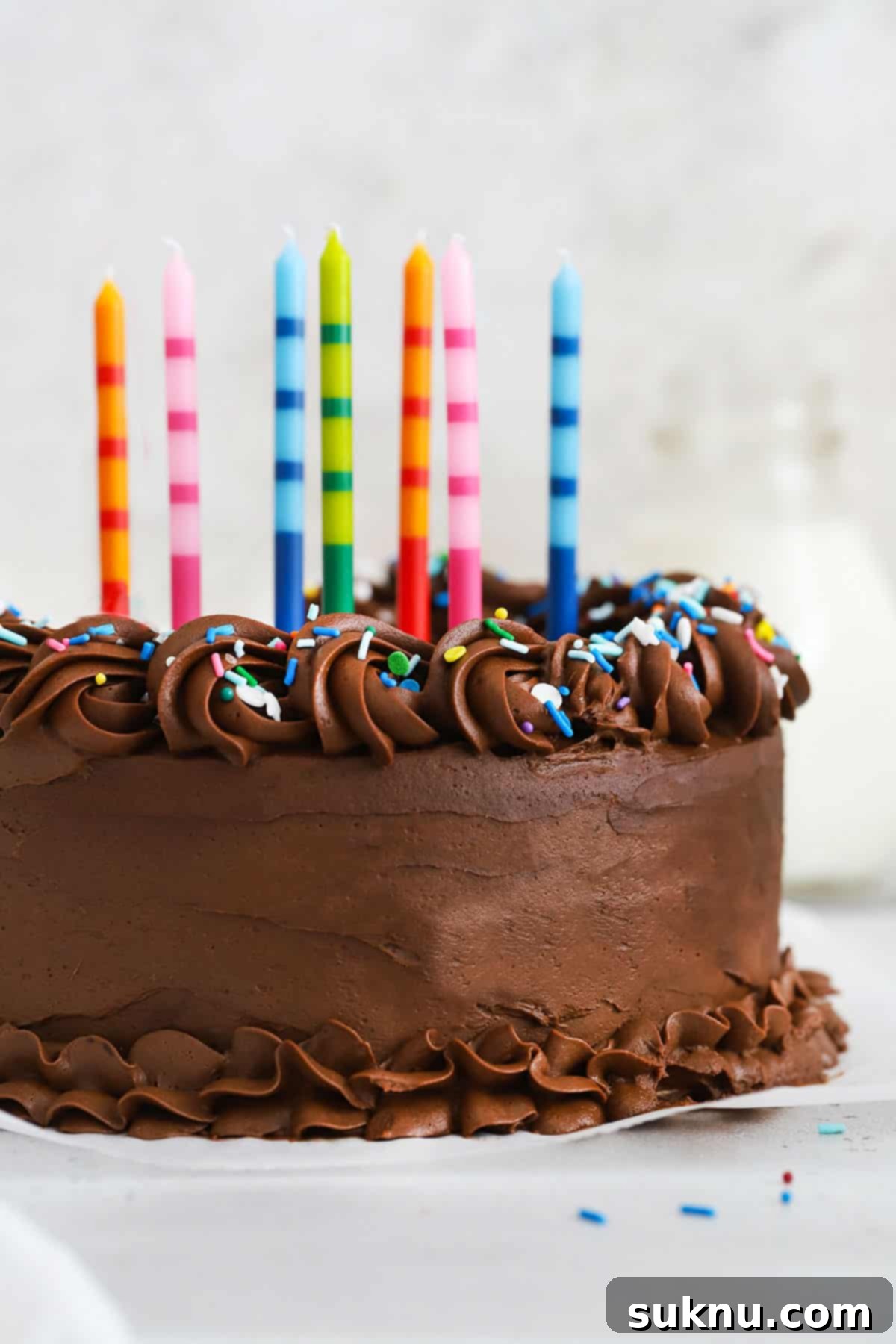
The Ultimate Easy Gluten-Free Chocolate Buttercream Frosting Recipe
Welcome to your new favorite go-to recipe for the most decadent, velvety smooth, and utterly delicious gluten-free chocolate frosting! This classic American chocolate buttercream is not only incredibly simple to make, but it’s also remarkably reliable, making it perfect for bakers of all skill levels. Whether you’re aiming to elegantly pipe intricate decorations or simply spread a luscious layer over your beloved cakes and cupcakes, this recipe promises consistent, beautiful results every time.
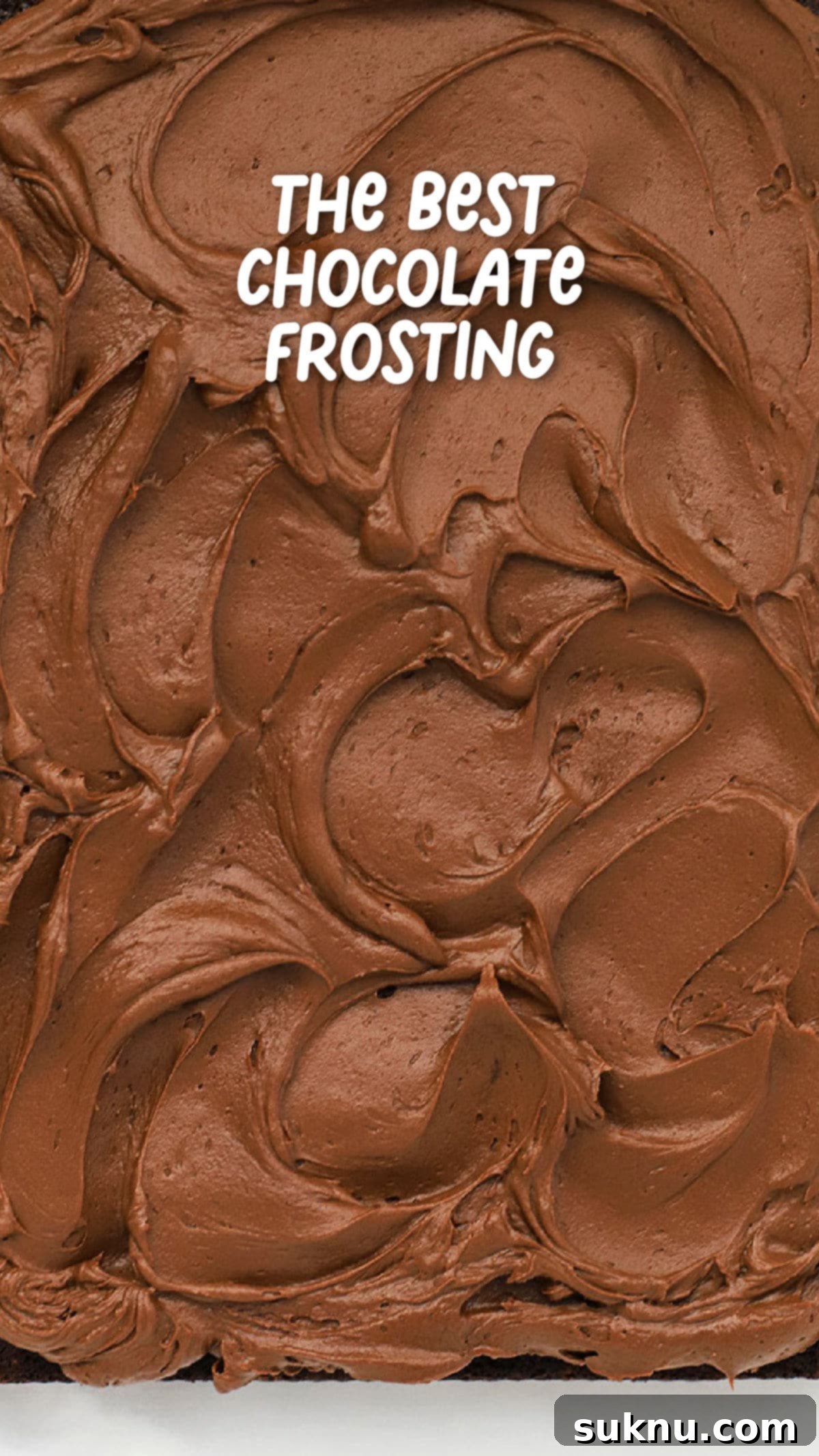
A classic chocolate buttercream stands as a pillar in the world of desserts, and for good reason! Its rich flavor and smooth texture elevate any baked good, turning a simple treat into an unforgettable experience. This particular recipe has become my absolute favorite, a true kitchen staple I rely on for countless occasions. From a rustic Chocolate Zucchini Cake to vibrant birthday cakes, elegant layer cakes, simple sheet cakes, charming cupcakes, and a myriad of other sweet delights, this frosting consistently delivers.
There’s immense satisfaction in adding a homemade touch to your desserts, whether you’re starting with a convenient box mix (a fantastic time-saving hack!) or meticulously baking from scratch. This easy chocolate buttercream recipe is the ideal companion for all your culinary creations. Its versatility means it’s equally suited for first-time bakers still mastering the art of frosting, or seasoned pros looking to pipe elaborate swirls and decorations with a pastry bag for a special occasion.
What makes this frosting truly shine, beyond its incredible taste and texture, is its straightforward approach. It requires only a handful of common ingredients, making it accessible and convenient to prepare at a moment’s notice. You won’t need any complex techniques or exotic items to achieve this professional-quality result. It’s a testament to the fact that sometimes, the simplest recipes yield the most rewarding outcomes. Let’s delve into the essential components needed to create this magnificent chocolate frosting using cocoa powder.
Gather Your Essential Ingredients for the Best Chocolate Frosting
If you’re new to the wonderful world of buttercream, it’s helpful to understand that this is an American buttercream recipe. Unlike more complex variations like Swiss meringue buttercream or ermine frosting, American buttercream is known for its incredible ease of preparation and the straightforward nature of its ingredients. You won’t be dealing with tempering egg yolks or whites, or any other fancy culinary techniques here – just simple, delicious perfection!
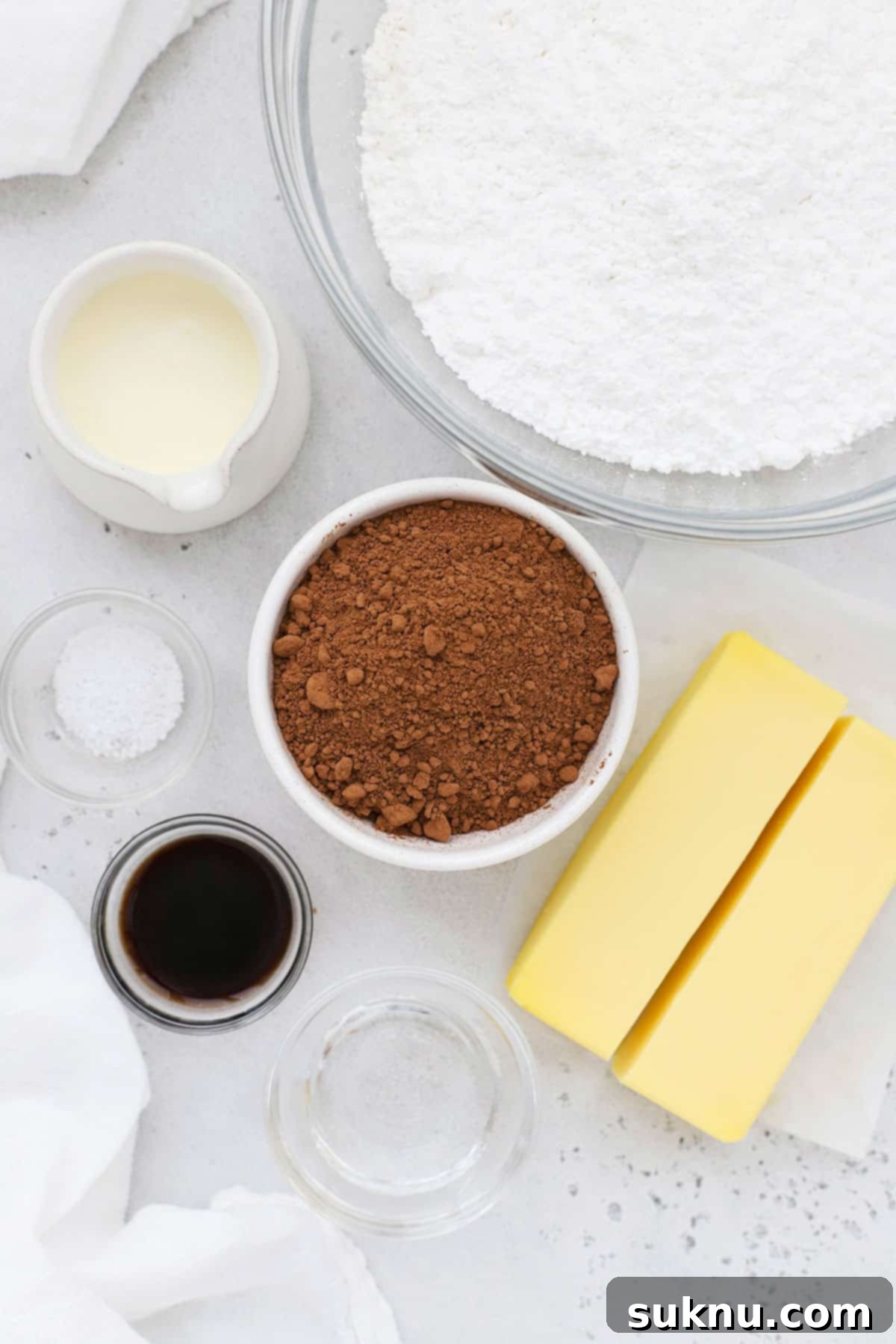
Here’s a closer look at the key ingredients that come together to create this irresistible gluten-free chocolate frosting:
- Room Temperature Butter: This is perhaps the most crucial ingredient for achieving a light, airy, and smooth buttercream. The butter should be softened just enough to yield slightly when gently pressed with your finger, leaving a small indent. It should not be greasy, shiny, or overly soft, which indicates it’s too warm. If your butter is too cold and hard, it won’t cream properly, resulting in a lumpy frosting. If it’s too warm, the frosting might separate or become greasy. For best results, take your butter out of the fridge about 30-60 minutes before you plan to start baking.
- Unsweetened Cocoa Powder: The star of our chocolate frosting! I typically use natural unsweetened cocoa powder, such as Hershey’s, which imparts a classic, balanced chocolate flavor. However, if you’re aiming for a darker color and a deeper, less acidic chocolate taste, you can opt for Dutch-process cocoa powder (often labeled as “dark cocoa powder”). It’s important to steer clear of pre-sweetened chocolate powders or hot cocoa mixes, as their sugar content and other additives will throw off the frosting’s delicate balance and texture.
- Powdered Sugar (Confectioners’ Sugar / Icing Sugar): This finely ground sugar is essential for both sweetness and the smooth, fine texture of the buttercream. Unlike granulated sugar, powdered sugar dissolves easily into the butter, preventing a gritty mouthfeel. Sifting your powdered sugar before adding it to the mixture can help prevent lumps, ensuring an even silkier frosting.
- Vanilla Extract: A touch of pure vanilla extract is a game-changer, complementing and enhancing the rich chocolate notes without overpowering them. Don’t underestimate its power to round out the flavor profile. For an extra gourmet touch, you could even use vanilla bean paste.
- Kosher Salt: A small pinch of salt is vital. It doesn’t make the frosting salty; instead, it acts as a flavor amplifier, balancing the sweetness and intensifying the chocolate and vanilla. Skipping the salt would result in a frosting that tastes flat or overly sweet. If you’re using salted butter, you might want to slightly reduce the amount of added salt.
- Heavy Cream (or Heavy Whipping Cream): The secret to this homemade chocolate buttercream’s luxurious, plush texture is heavy cream. Its higher fat content and lower water content contribute to a richer, creamier consistency that holds its shape beautifully. While heavy cream is highly recommended, if you only have milk on hand, always choose the highest fat percentage available (e.g., whole milk over 2% or skim milk), as lower-fat milks will yield a thinner, less decadent buttercream.
- Optional: Corn Syrup: This is the insider’s trick for achieving that gorgeous, glossy, almost mirror-like finish you see on professional cakes (think of the chocolate cake from Matilda!). Just a small amount of light corn syrup prevents the frosting from drying to a matte finish, keeping it beautifully lustrous and appealing. It also adds a subtle smoothness to the texture.
How To Craft Homemade Chocolate Frosting: A Simple Step-By-Step Guide
For precise ingredient measurements, comprehensive instructions, and additional tips, please refer to the complete recipe card provided below.
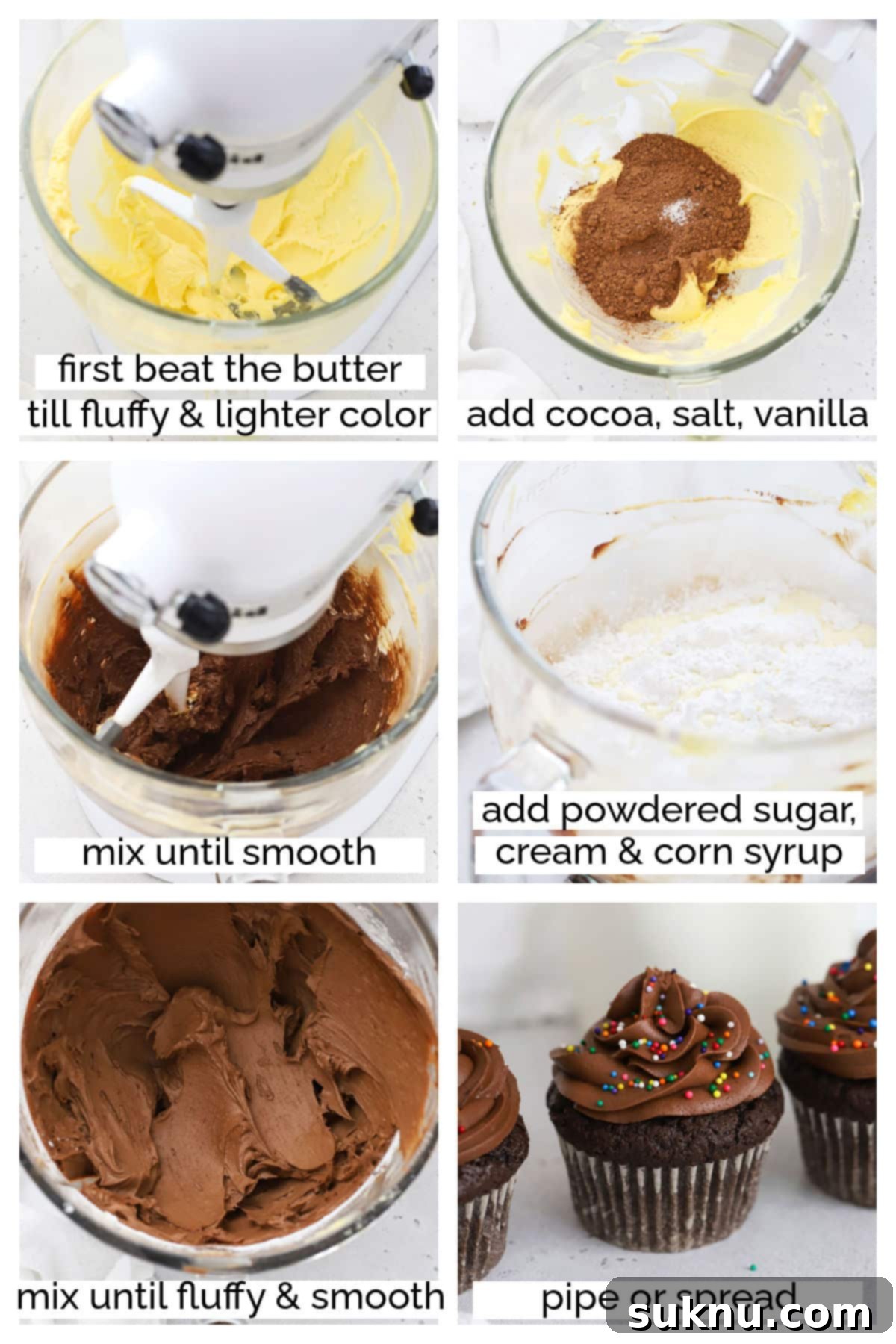
- Cream the Butter until Light and Fluffy: Begin by placing your perfectly softened butter into the bowl of a stand mixer fitted with the paddle attachment. Alternatively, a large mixing bowl and a handheld electric mixer will work just as well. Beat the butter on medium-high speed for a good 2-3 minutes. You’re looking for a transformation: the butter should become significantly lighter in color, almost pale yellow, and noticeably increased in volume, indicating it’s light and airy. This crucial step incorporates air, which contributes to the frosting’s fluffy texture.
- Combine the Dry and Wet Essentials: Stop the mixer and use a flexible spatula to thoroughly scrape down the sides and bottom of the bowl. This ensures all the butter is evenly mixed. Now, add the unsweetened cocoa powder, powdered sugar, vanilla extract, kosher salt, and an initial 3 tablespoons of heavy cream to the bowl.
- Begin Mixing on Low Speed to Prevent a “Dust Cloud”: Before increasing the speed, it’s vital to start mixing on the lowest speed setting. Gently pulse the mixer a few times, allowing the powdered sugar and cocoa powder to gradually incorporate into the butter. This prevents a “poof” of dry ingredients from escaping the bowl and creating a mess. If you prefer, you can add the dry ingredients in smaller batches to further minimize any airborne powder.
- Increase Speed and Achieve Smoothness: Once the dry ingredients are just combined and no longer prone to flying out, add the remaining 1-2 tablespoons of heavy cream and the optional corn syrup (if using for that desirable glossy finish). Increase the mixer speed to medium and continue beating for another 1-2 minutes. The goal here is a light, incredibly smooth buttercream that’s free from a multitude of visible air bubbles. Over-mixing at high speed can introduce too much air, making the frosting look porous.
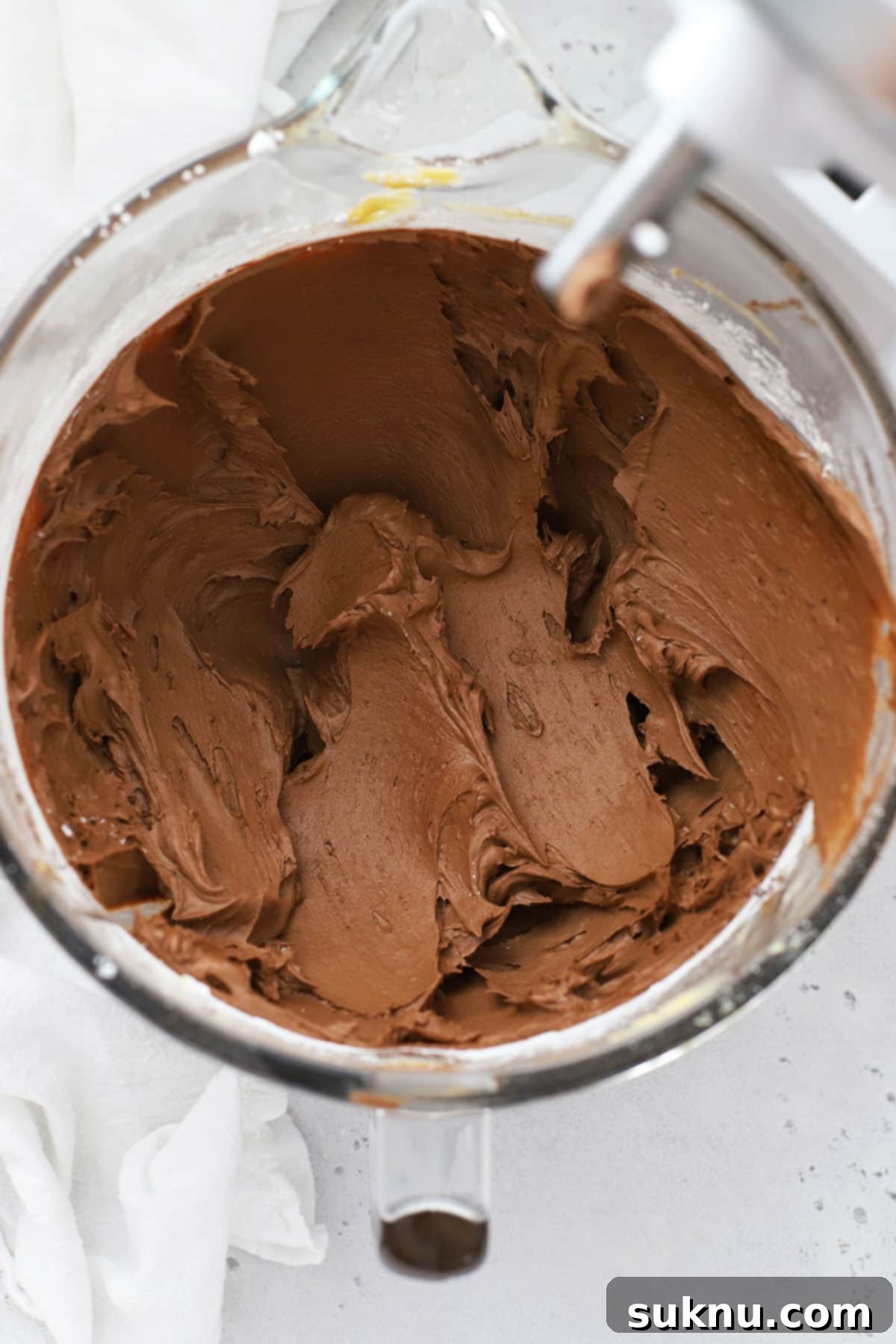
- Refine the Frosting’s Texture: Use your flexible spatula to scrape down the sides and bottom of the bowl one last time. Gently press the spatula against the sides of the bowl as you stir, helping to eliminate any remaining large air bubbles and ensure a perfectly smooth consistency. At this point, your chocolate frosting should have a luxurious, creamy texture, making it effortless to spread or pipe. To test its readiness, scoop some frosting onto your spatula and rotate it – if it holds its shape firmly, it’s perfect for piping.
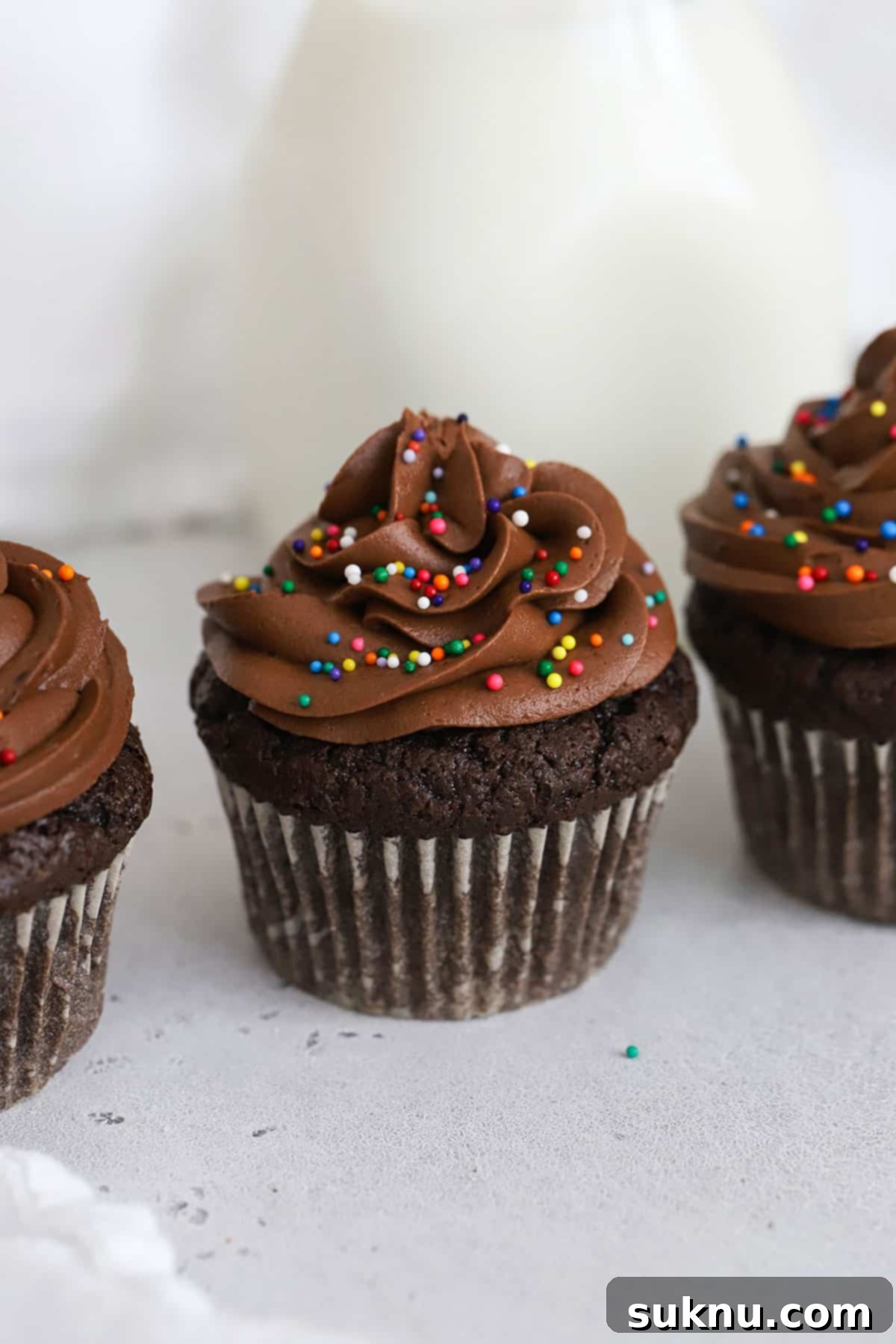
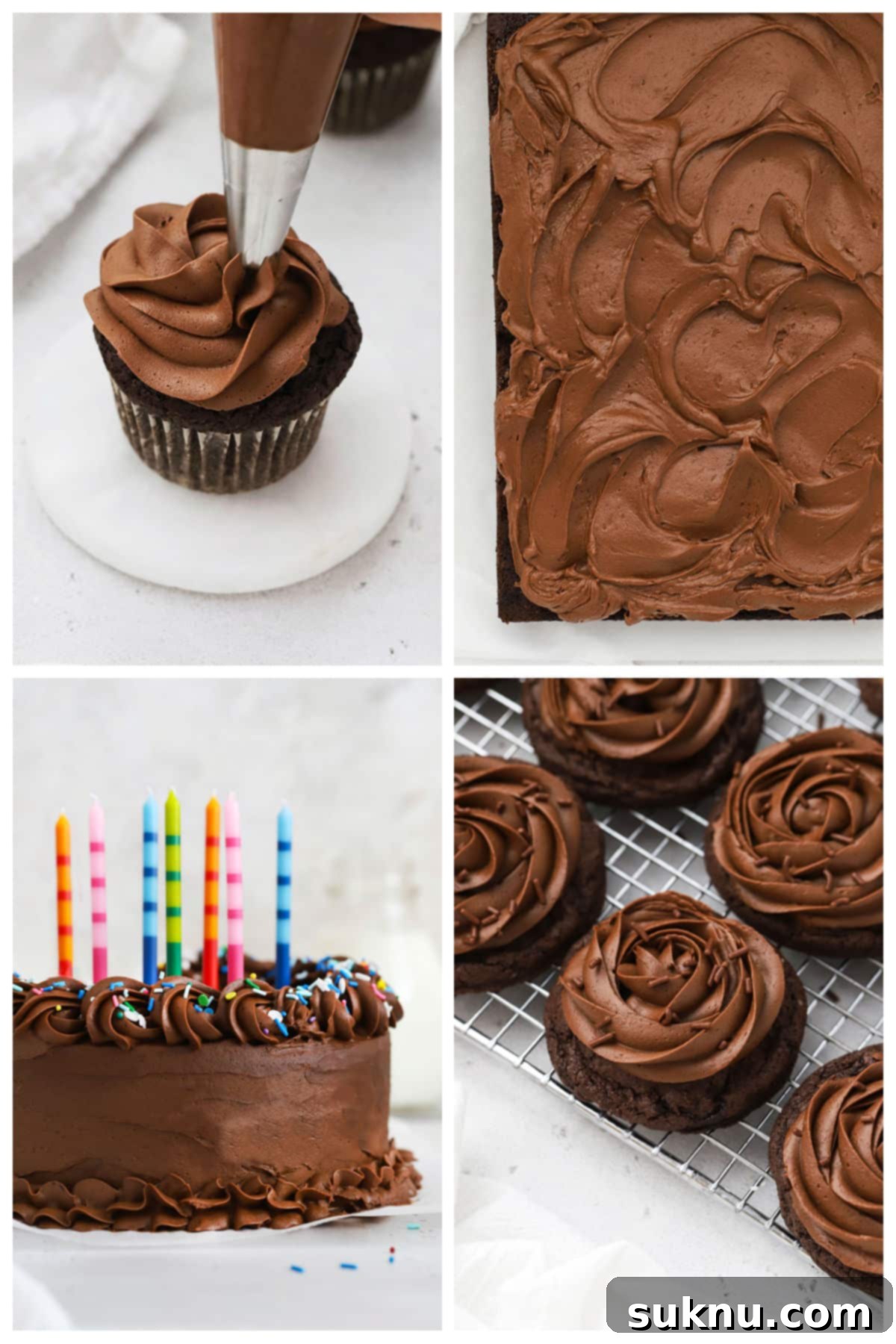
- Apply and Chill: Your homemade chocolate buttercream is now ready for action! Use an offset spatula to elegantly spread it over your favorite cakes or use a piping bag and your chosen tip for beautiful decorations on cupcakes. For optimal freshness and to help the frosting set, it’s always a good idea to chill your frosted cakes or cupcakes in the refrigerator once they’re decorated.
Achieving the Perfect Texture: Troubleshooting Your Chocolate Buttercream
Once you’ve mastered the basic technique for this easy chocolate frosting recipe, understanding how to adjust its consistency is key to consistent success. Even with precise measurements, various factors can influence your buttercream’s texture. The ambient temperature of your kitchen, local humidity levels, high altitude baking, and even the power of your mixer can all play a role in how loose or stiff your frosting turns out. Let’s explore how to identify the ideal texture and effectively troubleshoot any issues that arise.
The Gold Standard: Ideal Texture for Chocolate Buttercream
The perfect consistency for chocolate buttercream is a delicate balance. It should be simultaneously soft enough to spread effortlessly, swirl gracefully, or pipe with ease through a nozzle, yet firm enough to hold its shape impeccably. A great test is to scoop some frosting with a spatula and gently rotate it; if the frosting maintains its form and doesn’t droop, it has the ideal structure for piping and decorating. But what if your frosting isn’t quite there? Don’t worry, here’s how to fix it:
Troubleshooting: My Frosting is Too Soft!
A soft, runny chocolate buttercream can be frustrating, but it’s easily remedied. If your frosting isn’t holding its shape, consider these solutions:
- Chill It Down: Often, a too-warm kitchen or overly soft butter is the culprit. Simply place the entire bowl of frosting into the refrigerator for 10-15 minutes. This will allow the butter to firm up slightly. After chilling, give it another quick beat with your mixer until it reaches the desired consistency. Be careful not to chill it for too long, or it will become too hard.
- Add More Dry Ingredients: If temperature isn’t the issue, or if the frosting is still too soft after chilling, you can gradually add more powdered sugar or cocoa powder. Start with 1 tablespoon at a time, mixing well on low speed after each addition until the desired thickness is achieved. Remember to add slowly, as a little goes a long way.
Troubleshooting: My Frosting is Too Stiff!
Conversely, if your chocolate frosting feels too dense, stiff, or difficult to spread and pipe, it’s likely too firm. Here’s how to loosen it up:
- Gradually Add Liquid: The quickest way to soften stiff frosting is by adding liquid. Slowly incorporate heavy cream (or milk, if preferred) 1 teaspoon at a time. Mix on low speed after each addition, gradually increasing the speed until the liquid is fully incorporated and the frosting reaches a smooth, spreadable, or pipeable consistency. Continue adding liquid teaspoon by teaspoon until you hit that sweet spot.
Solving the Mystery: Why Does My Frosting Have Too Many Bubbles?
Creating buttercream is an art form that balances incorporating enough air for a light, fluffy texture without over-aerating it to the point of a bubbly, porous appearance. If your buttercream is looking less smooth and more like a sponge, here are effective solutions:
- The Spatula Smoothing Technique: My preferred method for deflating bubbles is to use a flexible rubber spatula. After mixing, vigorously stir the frosting by hand, pressing the wide part of the spatula firmly against the sides and bottom of the bowl. This action physically presses out the trapped air bubbles, resulting in a much silkier and smoother buttercream. Continue stirring and pressing until the frosting appears uniform and smooth.
- The “Tiny Melt” Trick for a Silky Finish: This is a fantastic pro tip! Scoop out a very small amount of your bubbly frosting, perhaps 1-2 tablespoons. Gently microwave this tiny portion for just 5-10 seconds until it’s almost melted, but not fully liquid. It should be barely warm and very soft. Let it cool for a moment, then stir it back into the main batch of frosting. This slightly melted portion helps to emulsify and smooth out the larger batch, reducing air bubbles and often intensifying the frosting’s color for a richer hue.
Expert Tips & FAQs for Your Best Chocolate Buttercream Frosting
Choosing Your Cocoa Powder: Natural vs. Dutch-Processed: Since this recipe doesn’t rely on chemical leavening agents reacting with cocoa (like baking soda or baking powder in a cake), you have the flexibility to use either natural unsweetened cocoa powder (like Hershey’s classic) or Dutch-processed cocoa powder (often labeled “dark cocoa” or “alkalized cocoa”). I personally lean towards natural cocoa powder for its vibrant, classic chocolate flavor. However, if you’re pairing it with a darker cake or simply prefer a more intense, less acidic chocolate taste and a deeper color, Dutch-processed cocoa powder is an excellent choice. Experiment to find your preference!
Achieving a Stunning Glossy Finish: For that professional, luscious, and beautifully shiny look, the optional 1-2 tablespoons of light corn syrup (or glucose syrup) is your secret weapon. Added along with the heavy cream during the mixing process, it helps to create a silky smooth texture and prevents the frosting from drying to a dull, matte finish. Your cakes will look truly irresistible with this simple addition!
Make-Ahead Mastery: Preparing Frosting in Advance: Absolutely! This chocolate buttercream is fantastic for preparing ahead of time. You can store it in an airtight container in the refrigerator for up to 2 weeks. When you’re ready to use it, simply let it come to room temperature and re-whip it with your mixer on medium speed for a few minutes until it’s light, fluffy, and smooth again.
Can You Freeze Buttercream Frosting? Yes! Freezing buttercream is a brilliant way to extend its shelf life. Store your leftover or make-ahead buttercream in a freezer-safe, airtight container for up to 2 months. To use, transfer the frozen frosting to the refrigerator to thaw overnight. Once thawed, allow it to come to room temperature on the counter for an hour or two, then give it a good re-whip in your stand mixer until it’s light and smooth, just like freshly made frosting. This is also a wonderful way to save any extra frosting (though I often find myself spreading it on gluten-free graham crackers!).
Is This Chocolate Buttercream Gluten-Free? Yes, indeed! This delightful chocolate frosting recipe is naturally 100% gluten-free, making it an excellent choice for anyone with gluten sensitivities or those following a gluten-free diet. All the ingredients used in this recipe are inherently gluten-free. However, as always, it’s wise to be mindful of cross-contamination; ensure you use fresh packages of ingredients and utensils that haven’t come into contact with gluten-containing flours or products.
Flavor Variations to Explore
While classic chocolate buttercream is divine, feel free to get creative with flavor additions:
- Mint Chocolate: Add 1/2-1 teaspoon of peppermint extract for a refreshing twist.
- Espresso Chocolate: Dissolve 1-2 teaspoons of instant espresso powder in a tablespoon of warm cream before adding to the mix for a deeper chocolate flavor.
- Orange Chocolate: Incorporate 1 teaspoon of orange extract or a tablespoon of orange zest for a zesty aroma.
- Spicy Chocolate: A pinch of cayenne pepper can add an unexpected and intriguing warmth.
Delicious Ways To Use This Chocolate Frosting
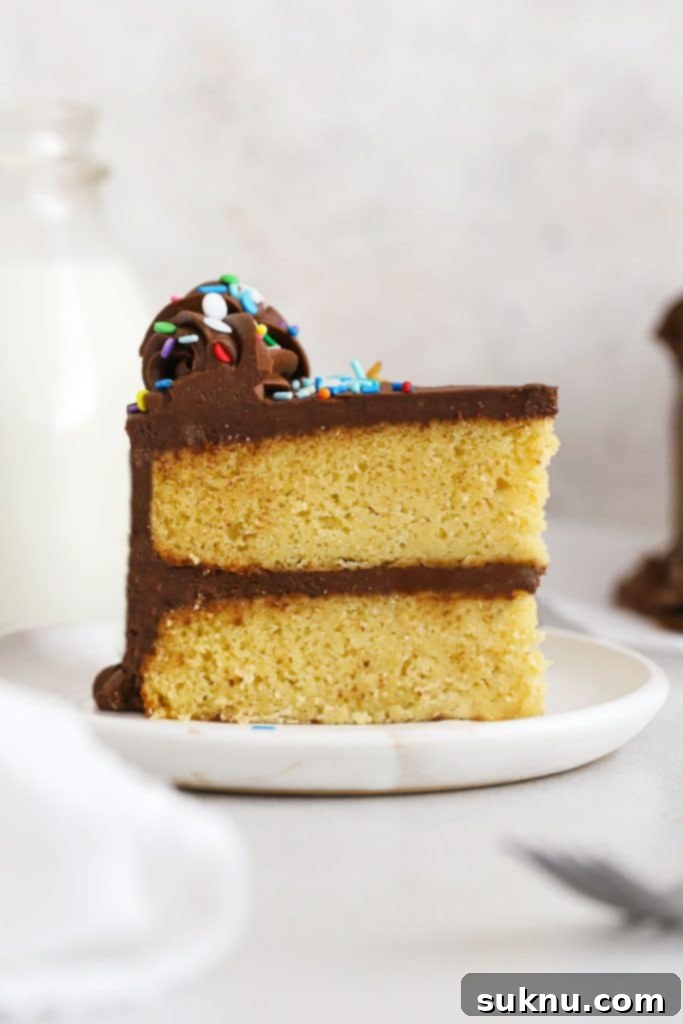
Gluten-Free Yellow Cake
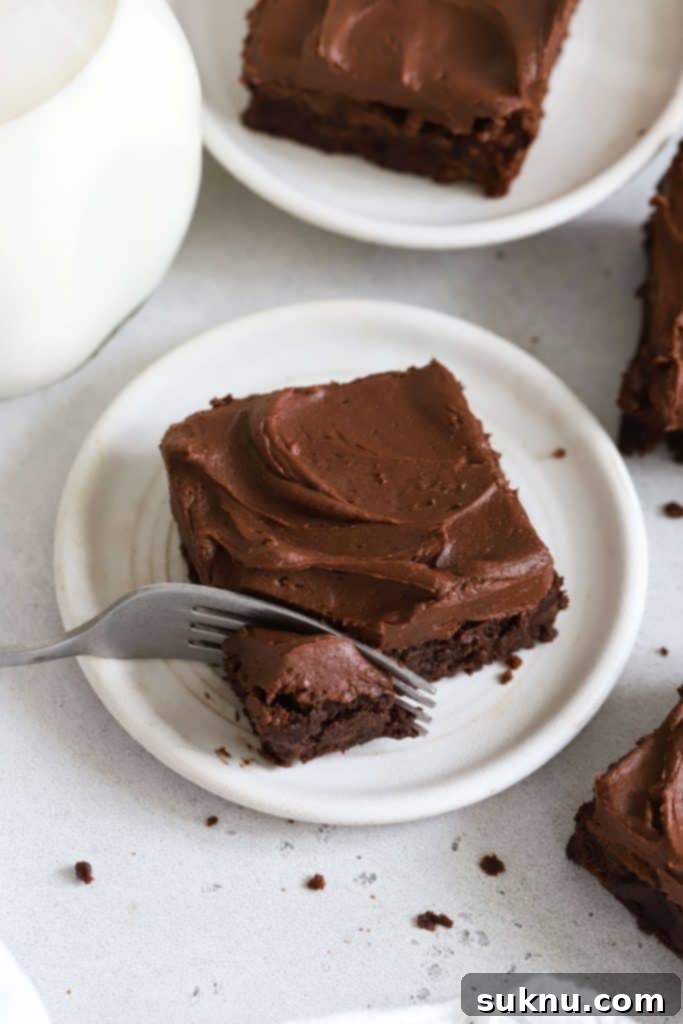
Gluten-Free Frosted Brownies
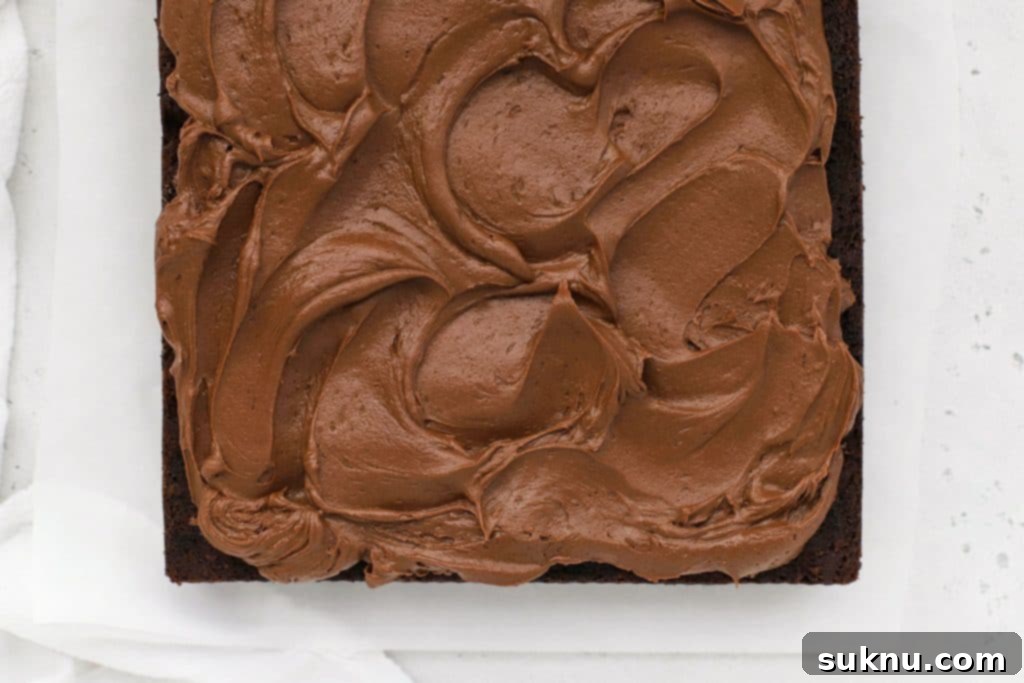
Gluten-Free Chocolate Zucchini Cake
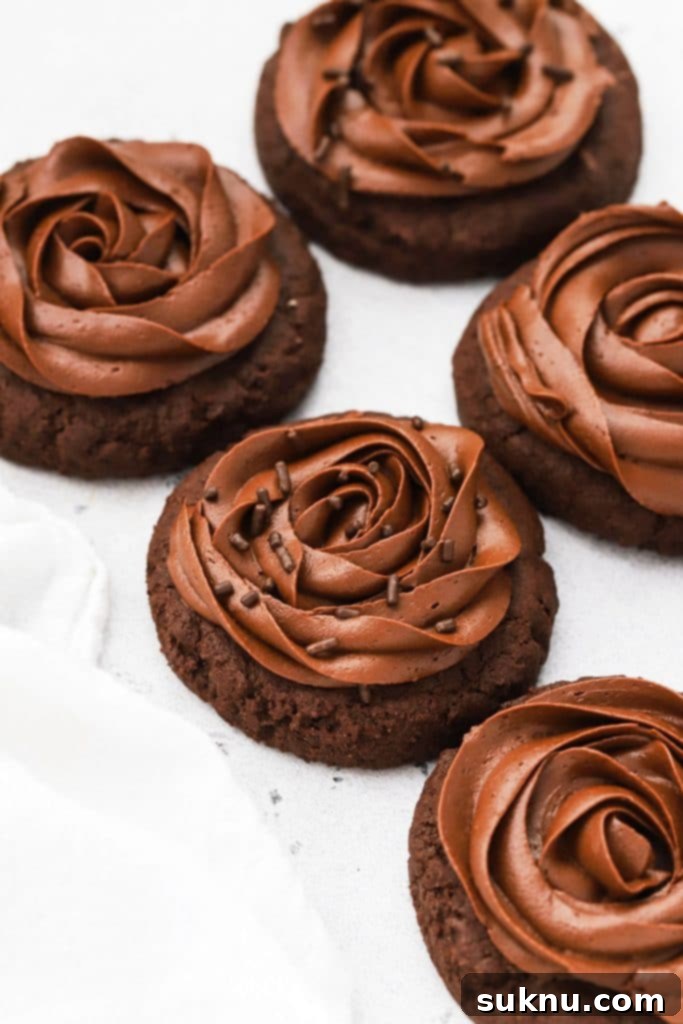
Gluten-Free Chocolate Cake Cookies (Crumbl)
🌟 Did You Make This Recipe?
Tell us all about it! We’d love to hear your feedback on our Gluten-Free Chocolate Frosting recipe. Please share your experience and leave a star rating below!
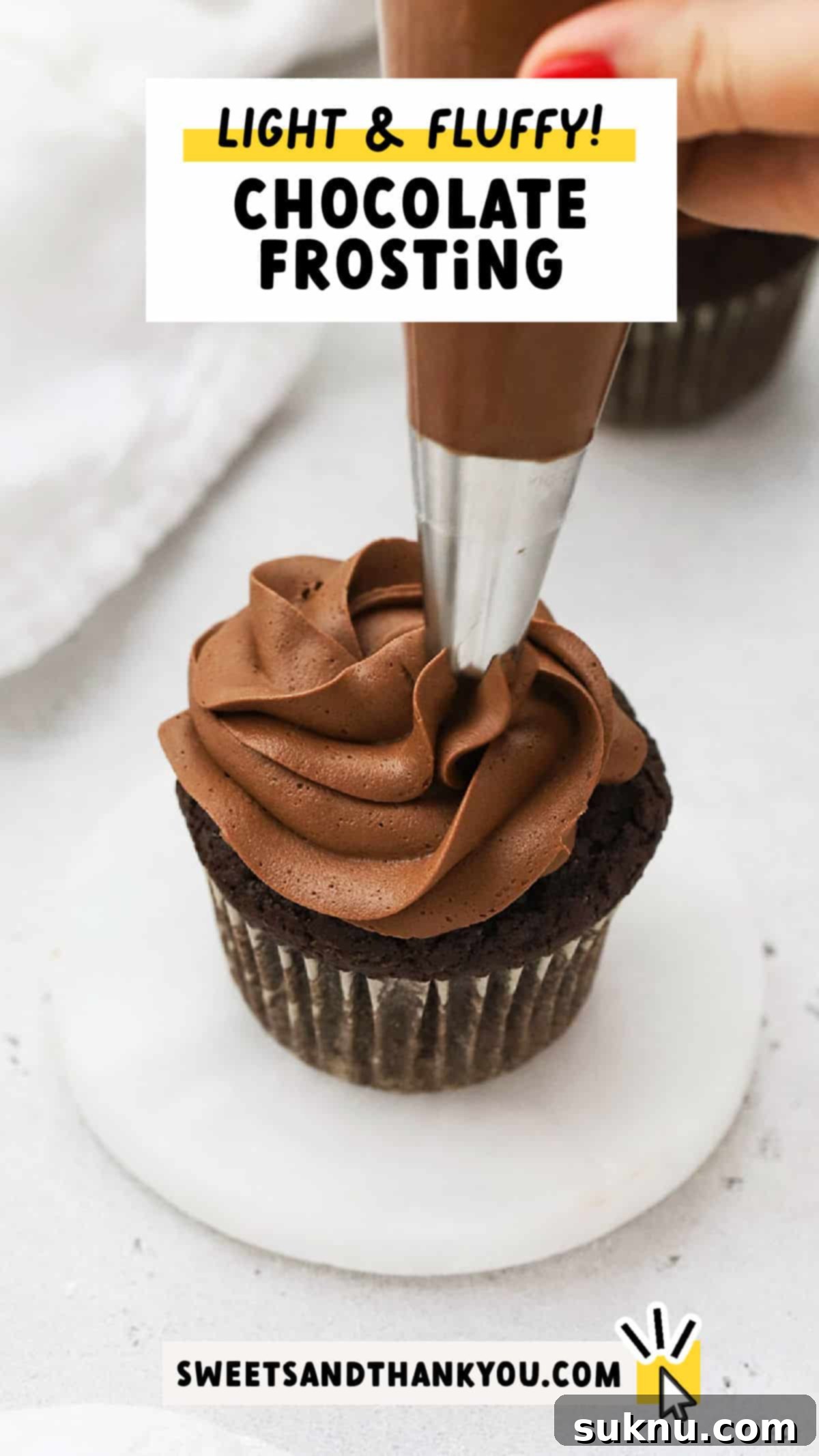
Easy Chocolate Frosting (Chocolate Buttercream)
Average Rating: 5 out of 5 stars from 1 vote
Author: Emily Dixon, Sweets & Thank You
This is the perfect chocolate buttercream frosting recipe for your favorite cakes & cupcakes! Don’t miss our tips below for getting it just right.
Prep Time: 10 minutes
Total Time: 10 minutes
Print Recipe | Pin Recipe | Rate This Recipe
Servings: 3 cups frosting
Calories: 297 kcal per serving
Ingredients
- 1 cup Butter, softened* (2 sticks/227 grams)
- ¾ cup Unsweetened Cocoa Powder (I prefer natural cocoa powder)** (65 grams)
- 3 ½ cups Powdered Sugar (420 grams)
- 2 teaspoons Vanilla Extract
- ¼ teaspoon Kosher Salt (use less if using salted butter or fine table salt)
- 3-5 Tablespoons Heavy Cream (room temperature***)
- Optional: 1-2 Tablespoons light corn syrup (for glossiness)
Instructions
- Start With The Butter. Add softened butter to the bowl of a stand mixer (or a large mixing bowl). Using the paddle attachment (or a hand mixer), beat the butter on medium-high speed for 2-3 minutes, or until very smooth and light in texture. (It should look significantly lighter in color & have increased in volume.)
- Add Most Of Your Ingredients. Scrape down the sides of the bowl and add cocoa powder, powdered sugar, vanilla, salt, and 3 Tablespoons of heavy cream to the mixer.
- Mix on LOW first. On LOW speed, pulse the mixer a few times so the powdered sugar and cocoa doesn’t poof out the sides of the bowl. (You can also add the dry ingredients in small amounts if you prefer to avoid messes)
- Increase The Speed. Once it’s just mixed together, add 1-2 tablespoons more of cream, along with the corn syrup (if using). Increase the speed of the mixer to medium and mix for another 1-2 minutes, or until the buttercream is light and smooth. Ideally, you want it smooth and light without a lot of extra air bubbles.
- Finish The Frosting. Use a flexible spatula to scrape down the sides of the bowl and press out any extra air bubbles, if you can. At this point, the frosting should be smooth and easy to spread or pipe. It should hold its shape on a spatula if you rotate it around (which means it will hold its shape when piped.)
- Troubleshooting. If the frosting is too thick or stiff to pipe or spread easily, add more cream 1 teaspoon at a time, until you reach your desired texture. If the frosting is too thin, add more powdered sugar or cocoa powder 1 Tablespoon at a time until you reach the correct texture. If the frosting warms up too much and starts to melt, chill in the refrigerator for 15-20 minutes or until it’s set again.
- Spread or pipe frosting on cake as desired. Chill cake afterward to keep fresh.
- Storage & Make Ahead Tips. Frosting can be made in advance and chilled in an airtight container in the fridge up to 2 weeks or frozen up to 1 month. Thaw frozen frosting in the refrigerator and bring chilled frosting to room temperature and mix thoroughly before using.
Notes
- Butter should be softened, but not shiny or melty (a sign it’s too warm). It should make a slight indent when gently pressed with your finger. If it’s too hard to indent, it’s too cold. If it’s shiny or your finger easily sinks into the butter, it’s too soft. You can use salted or unsalted butter here. If using salted butter, you may want to reduce the salt in the recipe.
- Cocoa Powder. You can use either natural cocoa (like Hershey’s) or Dutch-processed cocoa powder (dark cocoa) for this frosting recipe. I prefer natural cocoa.
- Milk. I recommend using heavy cream when possible for the best flavor and texture. If all you have is milk, use the highest percentage you have. (i.e. whole milk > 2% > skim milk)
- Yield. This recipe makes enough frosting for 12-18 cupcakes, a 9×13 cake, or a basic 2-layer cake. If you want to frost a 2-3 layer cake generously (including a border or decorations), I recommend making 1.5x or even 2x the recipe so you have plenty of frosting to work with.
Video
Video Placeholder: Easy Chocolate Frosting (Chocolate Buttercream)
Course: Frosting
Cuisine: American
Diet: Gluten Free
Keyword: chocolate buttercream frosting recipe, classic chocolate buttercream, easy chocolate frosting
Nutrition Information (Approximate per 0.25 cup frosting):
- Calories: 297 kcal
- Carbohydrates: 39.6g
- Protein: 1.2g
- Fat: 16.7g
- Saturated Fat: 10.4g
- Cholesterol: 42.8mg
- Sodium: 31.3mg
- Potassium: 142.9mg
- Fiber: 1.6g
- Sugar: 35.8g
- Calcium: 12.4mg
Find the complete recipe details at: sweetsandthankyou.com/chocolate-buttercream/