Sprinkles 101: Your Essential Guide to Every Type of Sprinkle, Their Uses, and More!
Welcome back to our Sweets And Thank You “Be A Better Baker” Series, where we unlock the secrets to perfect baking with practical tips, clever tricks, and fundamental basics. Our goal is to help you hone your existing skills or embark on an exciting journey to learn new ones.
Today, we’re diving into one of the most delightful and vibrant aspects of baking: SPRINKLES! These tiny, colorful confections are more than just a garnish; they’re a celebration in every bite, adding joy, texture, and personality to a vast array of desserts. From humble cupcakes and classic sugar cookies to elegant cakes, decadent truffles, and playful cake pops, sprinkles elevate any sweet treat into a visual and culinary masterpiece.
In this comprehensive Sprinkles 101 guide, we’ll embark on a flavorful exploration. We’ll meticulously cover the different types of sprinkles available, revealing their unique characteristics and best uses. You’ll learn how to choose the right sprinkle for every occasion, whether you’re baking them into a batter or delicately dusting them on top. Furthermore, we understand the importance of dietary considerations, so we’ll highlight which sprinkles are typically gluten-free, helping you bake safely and deliciously for everyone. Get ready to sprinkle some magic into your baking!
Explore the Wonderful World of Sprinkles: A Guide to Different Types
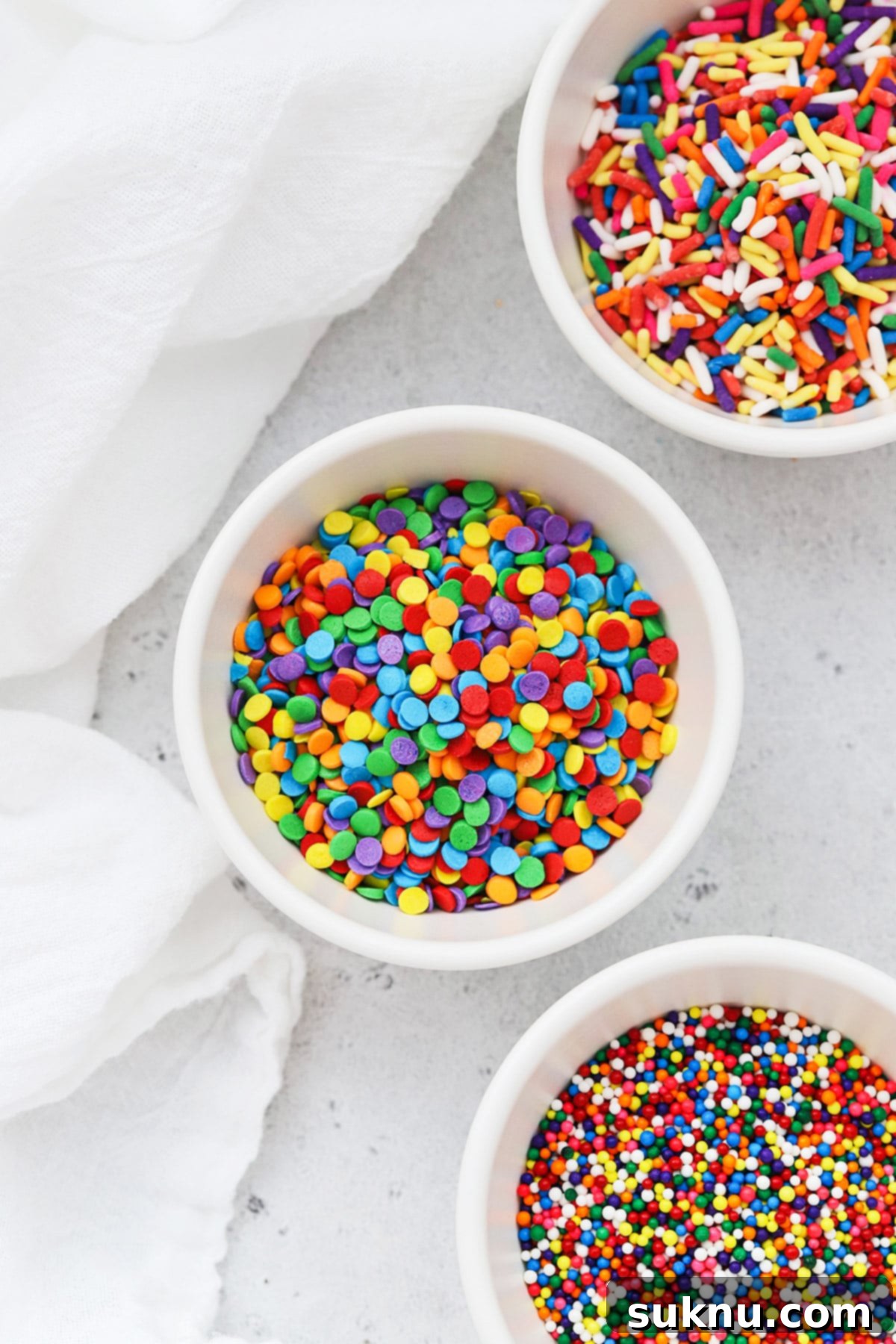
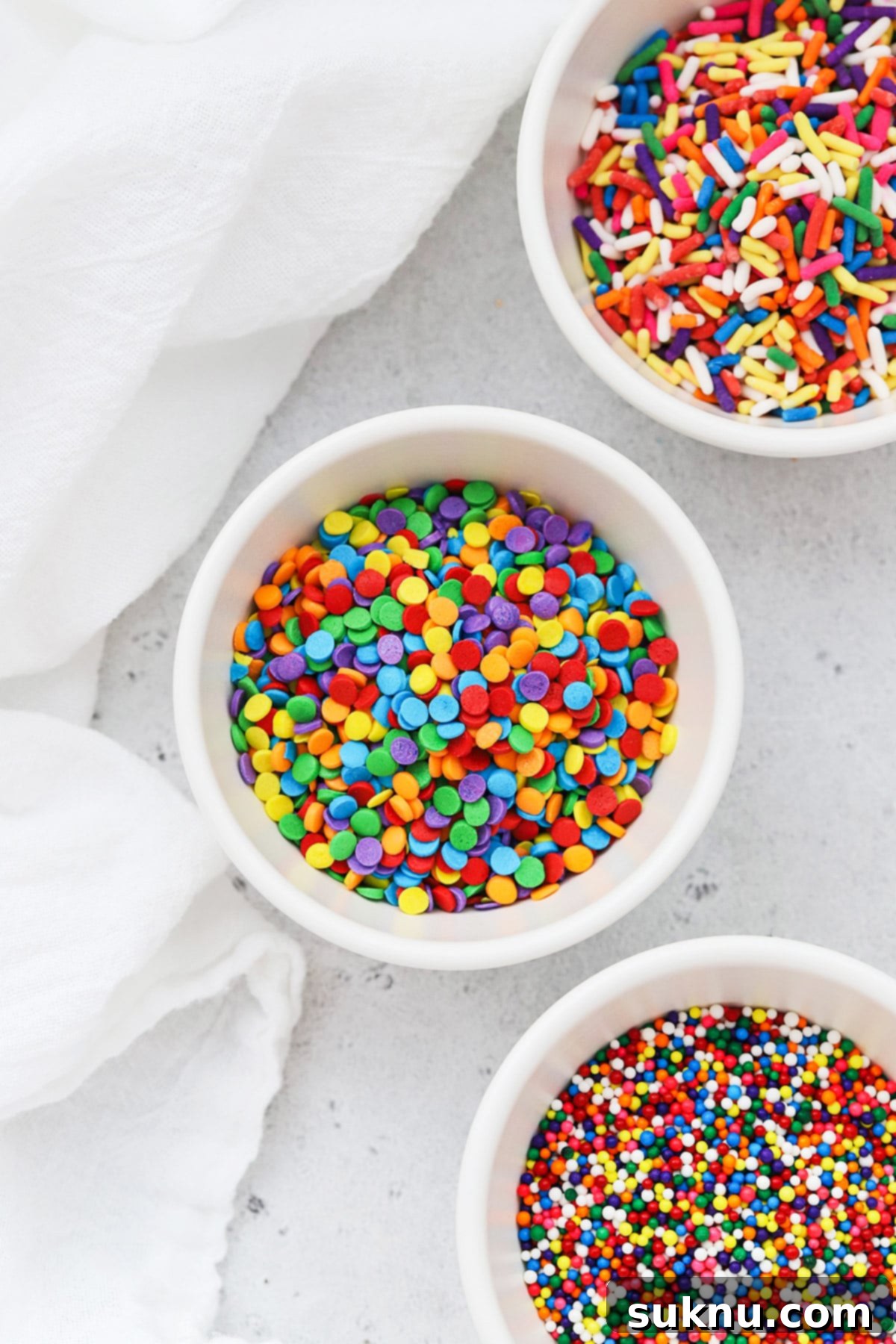
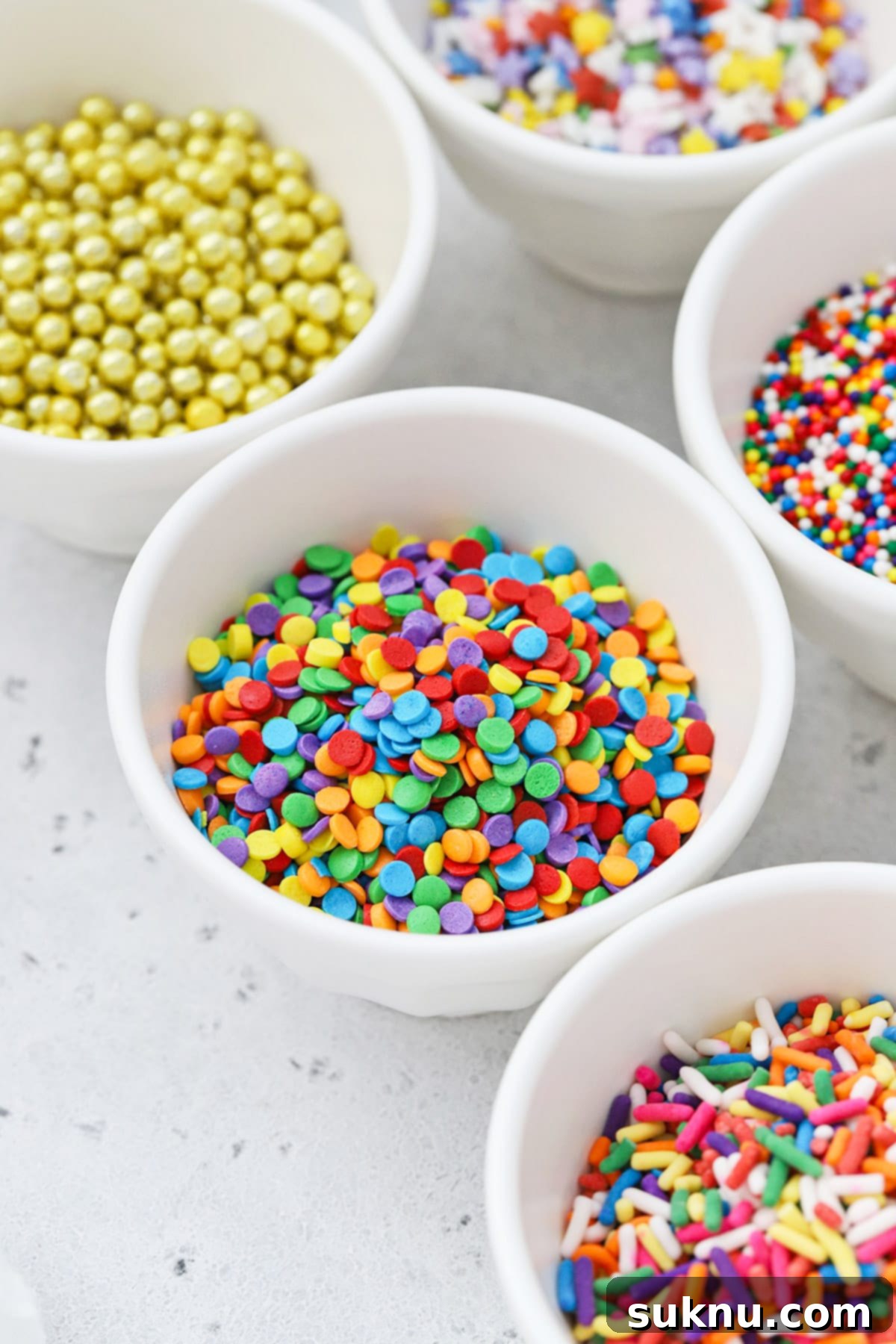
The universe of sprinkles is surprisingly vast and varied, offering a delightful array of shapes, sizes, and textures to enhance any dessert. While countless specialty sprinkles exist, we’re focusing on the most common and versatile types you’ll encounter in baking. This guide will introduce you to jimmies, quins, nonpareils, dragées, sugar pearls, sanding sugar, coarse/sparkling sugar, and edible glitter. Understanding each type will empower you to choose the perfect sprinkle for your creative baking projects.
Navigate Our Sprinkle Guide:
Click on any sprinkle type below to jump directly to its detailed description, or simply scroll down to explore each one comprehensively!
- Jimmies
- Quins
- Nonpareils
- Dragées
- Sugar Pearls
- Sanding Sugar
- Coarse Sugar (Sparkling Sugar)
- Edible Glitter
- Where To Buy Gluten-Free Sprinkles
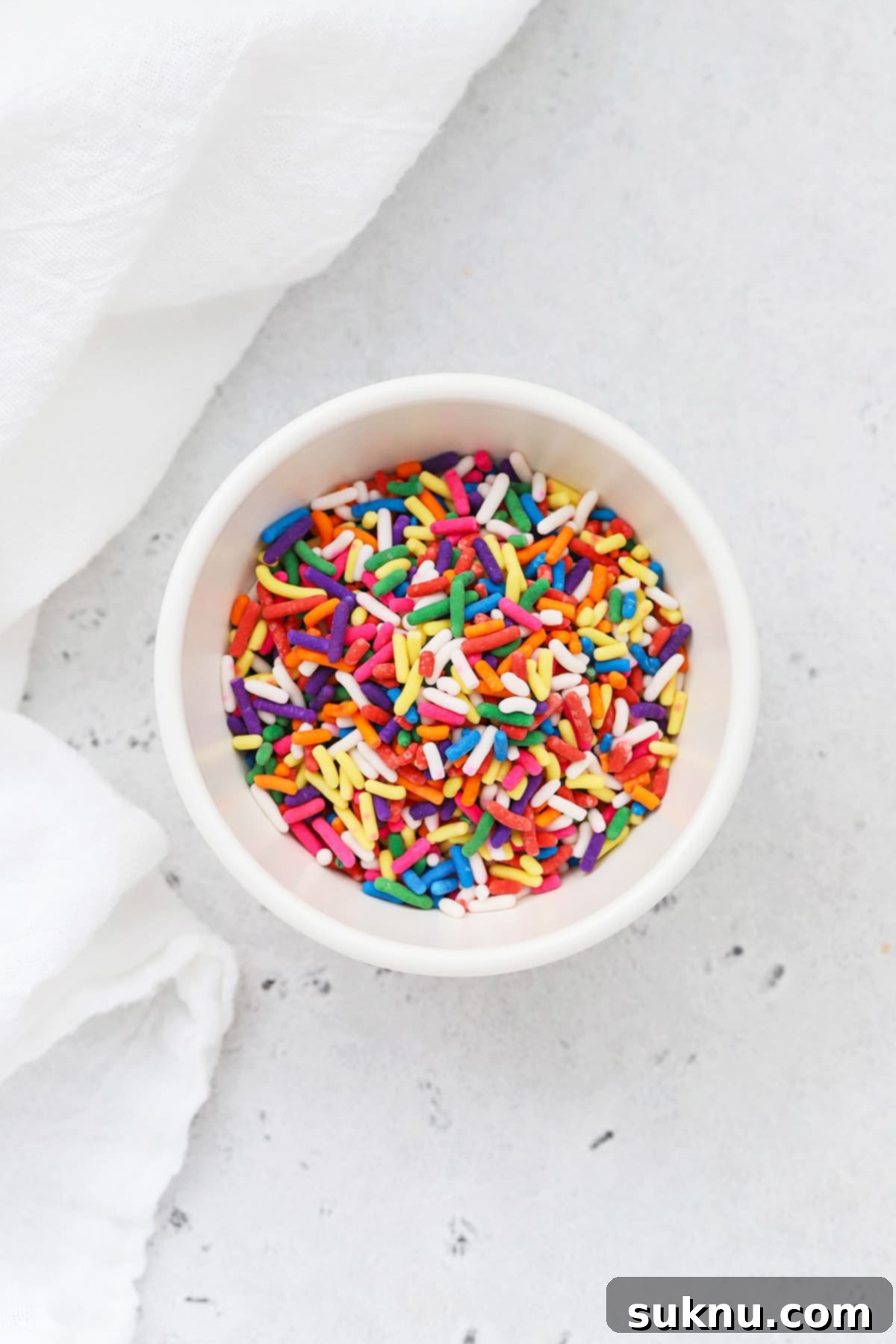
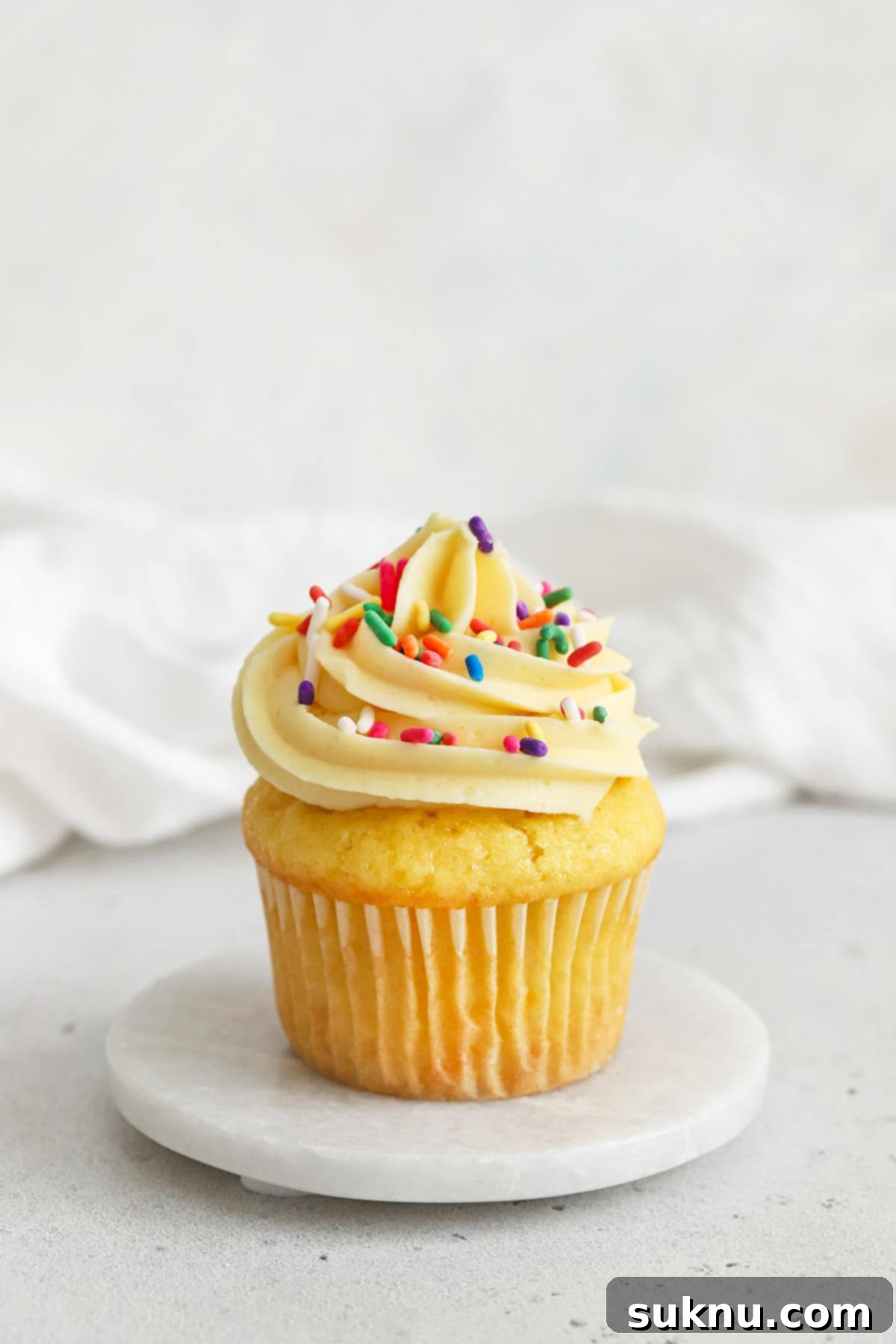
Jimmies: The Classic Cylindrical Sprinkles
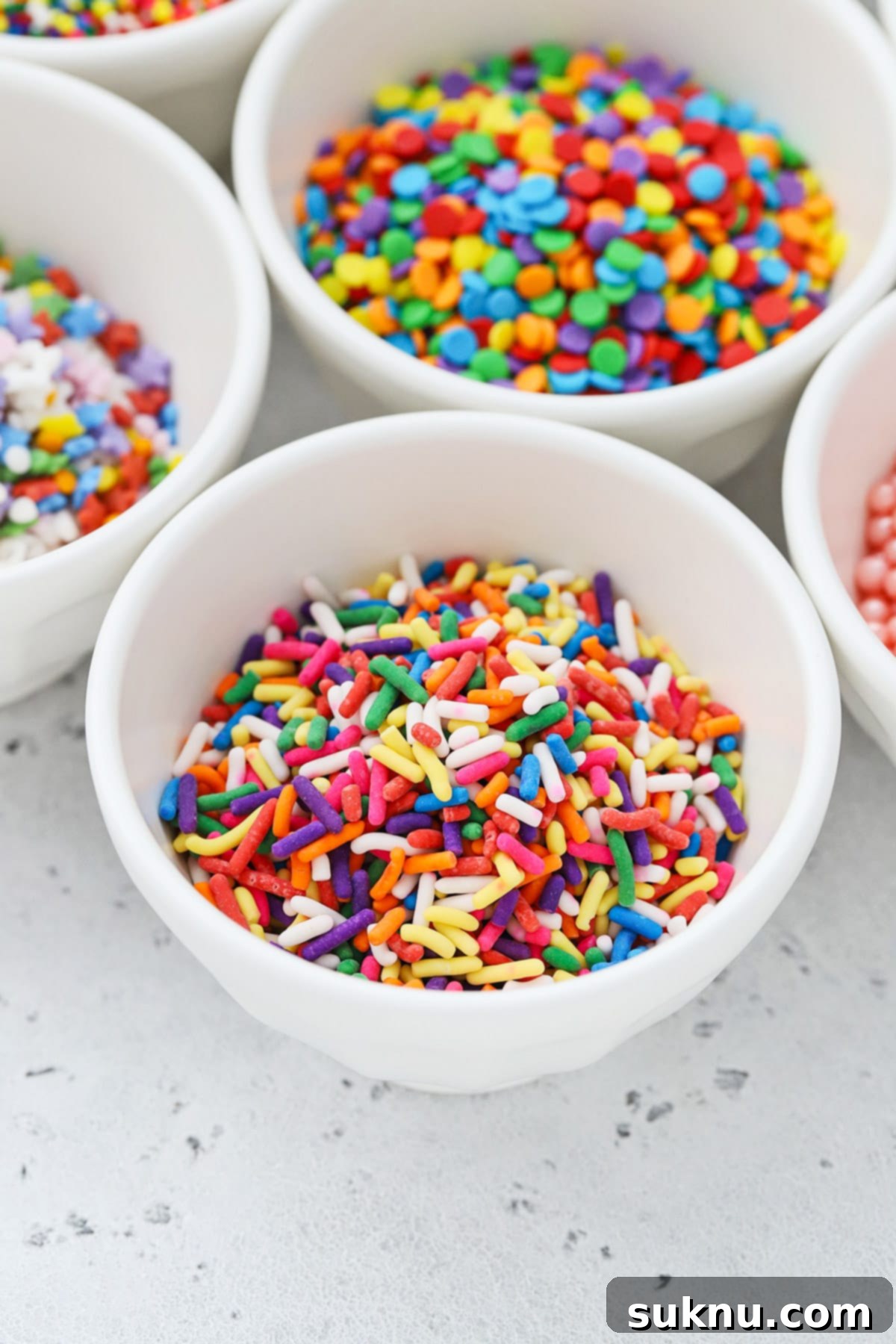
- WHAT ARE JIMMIES SPRINKLES? Jimmies are perhaps the most iconic type of sprinkle, recognized by their long, slender, cylindrical, or rod-like shape. They typically have a slightly waxy texture and come in an incredibly vibrant array of colors, often a classic rainbow mix. They are beloved for their cheerful appearance and versatility in baking and decorating. Jimmies are a staple in many kitchens, instantly evoking a sense of fun and festivity.
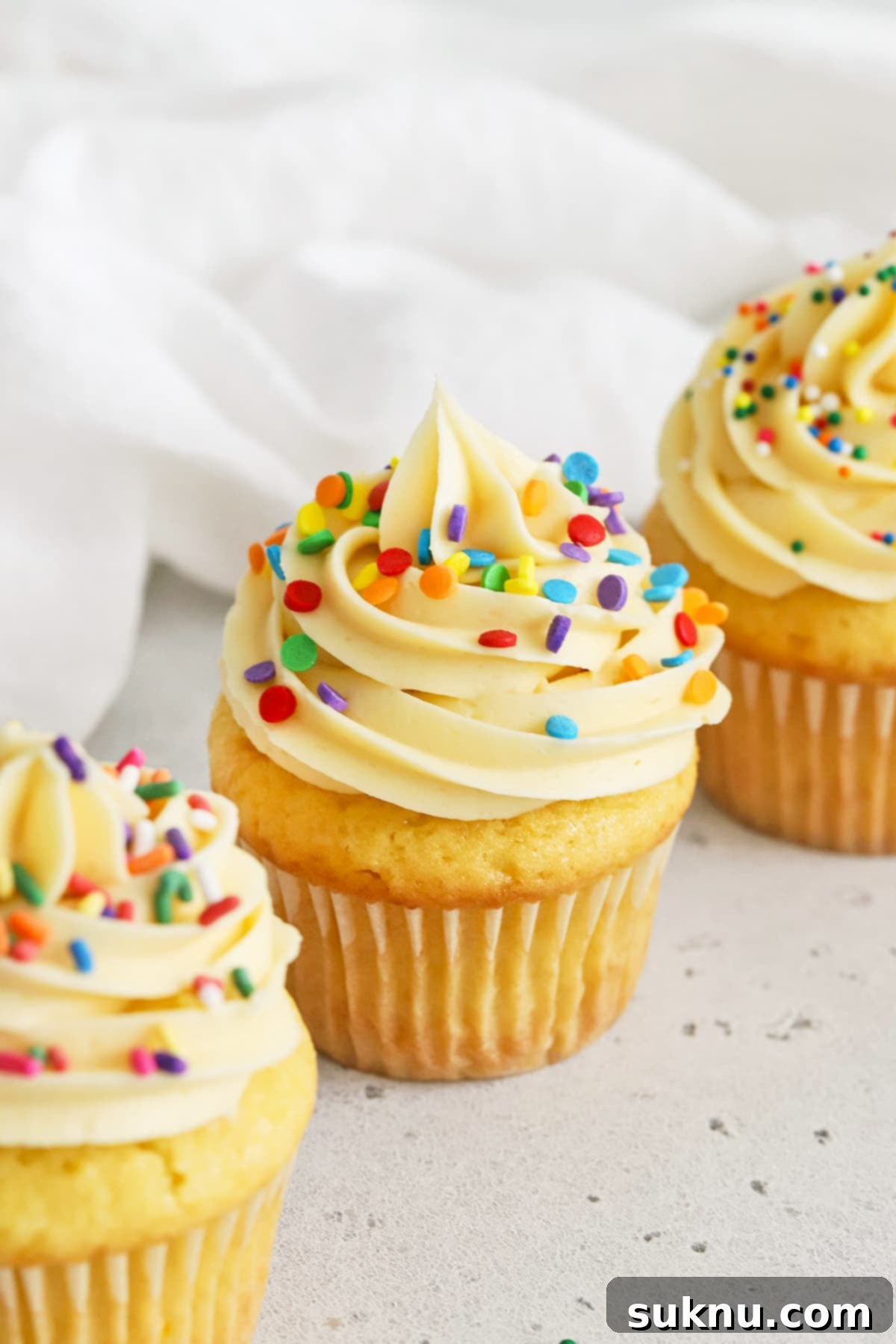
- WHEN TO USE JIMMIES: Jimmies are incredibly versatile. They are perfect for finishing a wide variety of treats such as frosted cookies, celebratory cakes, and charming cupcakes, adding a cheerful burst of color and a subtle crunch. What truly sets jimmies apart is their ability to hold their shape and color remarkably well when baked into batters or doughs. This makes them the ideal choice for creating popular “funfetti” or “birthday cake” flavored desserts, like funfetti cake, sprinkle cookies, or even festive pancakes. Unlike some other sprinkle types, jimmies are resistant to significant color bleeding, ensuring your baked goods maintain their vibrant, speckled appearance.
- PRO TIP: To ensure an even application when sprinkling on top of frosted treats, hold your hand a few inches above the dessert and let the jimmies fall gently. For baking into batter, gently fold them in at the very end to prevent them from sinking to the bottom.
- ARE JIMMIES SPRINKLES GLUTEN-FREE? Yes, many brands of jimmies are indeed gluten-free! However, it’s crucial to always check the ingredient label, as some manufacturers might use wheat starch or other gluten-containing ingredients as fillers or binders. Additionally, cross-contamination can be a concern for those with severe gluten allergies or Celiac disease if sprinkles are produced on shared equipment. We highly recommend exploring our dedicated gluten-free sprinkles section below for trusted brands like Sweetapolita and Color Kitchen, which offer excellent gluten-free jimmies.
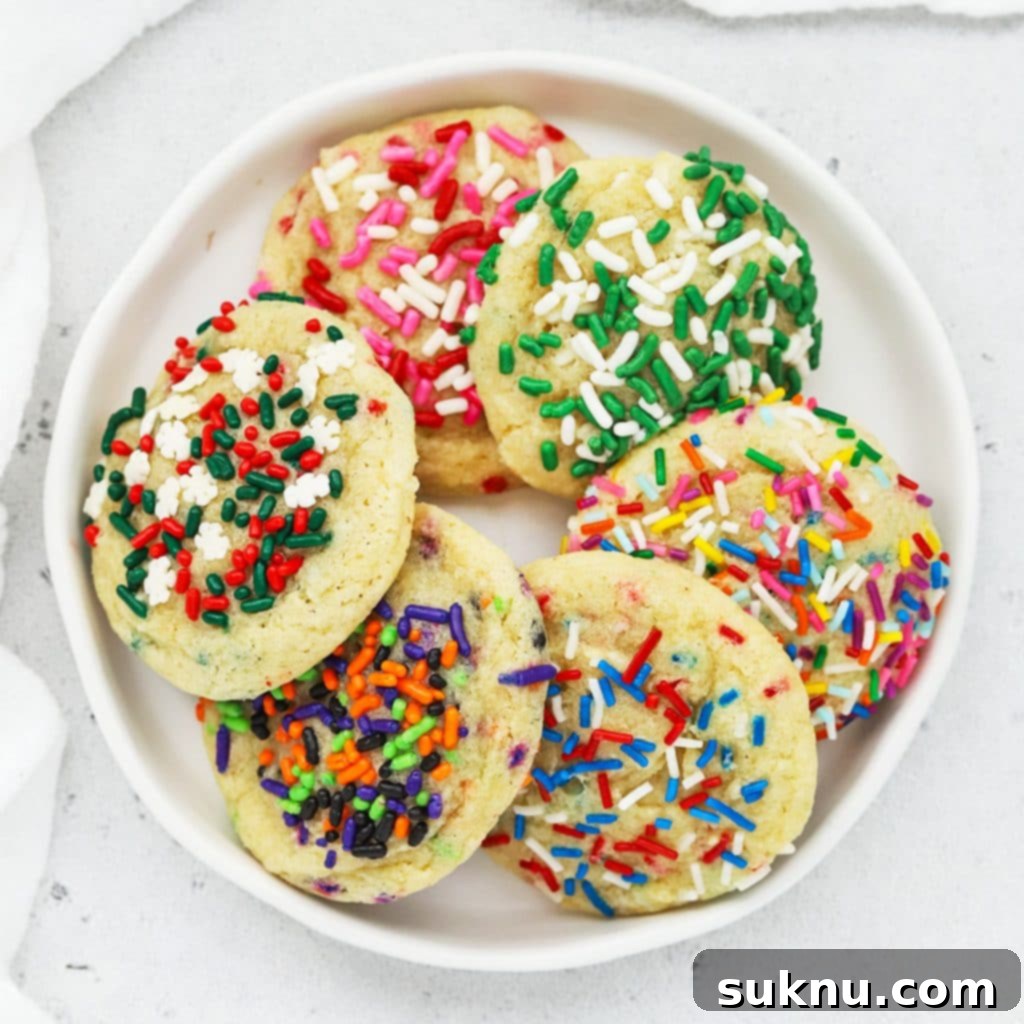
Elevate your baking with jimmies! Try them in our popular gluten-free sprinkle sugar cookies. These delightful treats can be easily adapted and dressed up for any holiday or special occasion, making them a year-round favorite.
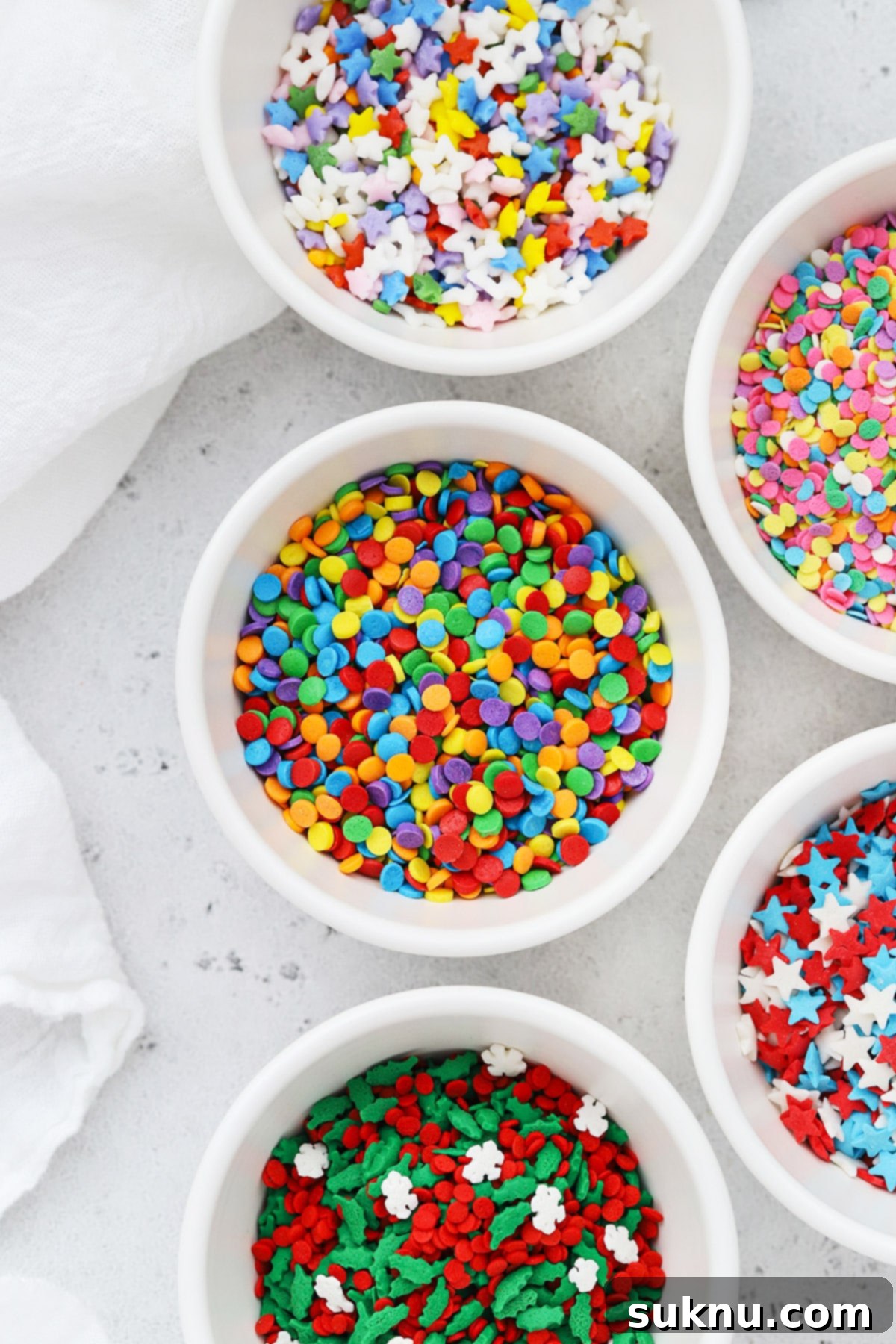
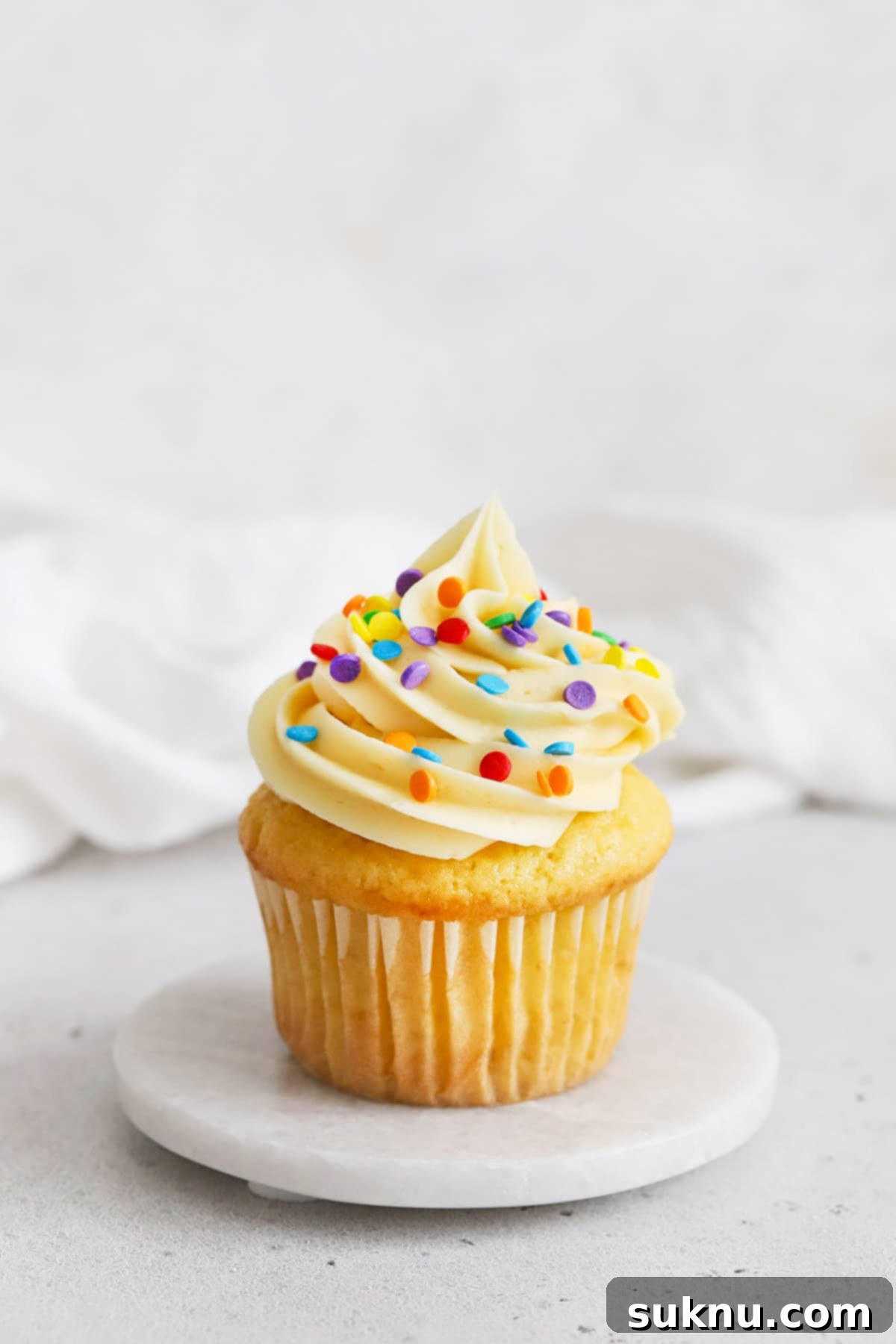
Quins: Playful Shapes and Confetti Fun
- WHAT ARE QUINS SPRINKLES? Quins, also widely known as sequins or confetti sprinkles, are distinct for their softer texture and diverse shapes. While commonly found in classic round or oval forms, quins truly shine in their seasonal variations, appearing as adorable stars, hearts, pumpkins, or miniature Christmas trees during holidays. They offer a delightful range in size, from tiny specks to noticeably larger pieces, each contributing a vibrant, eye-catching pop of color to your desserts. Their flat, disk-like nature makes them a fantastic textural and visual addition.
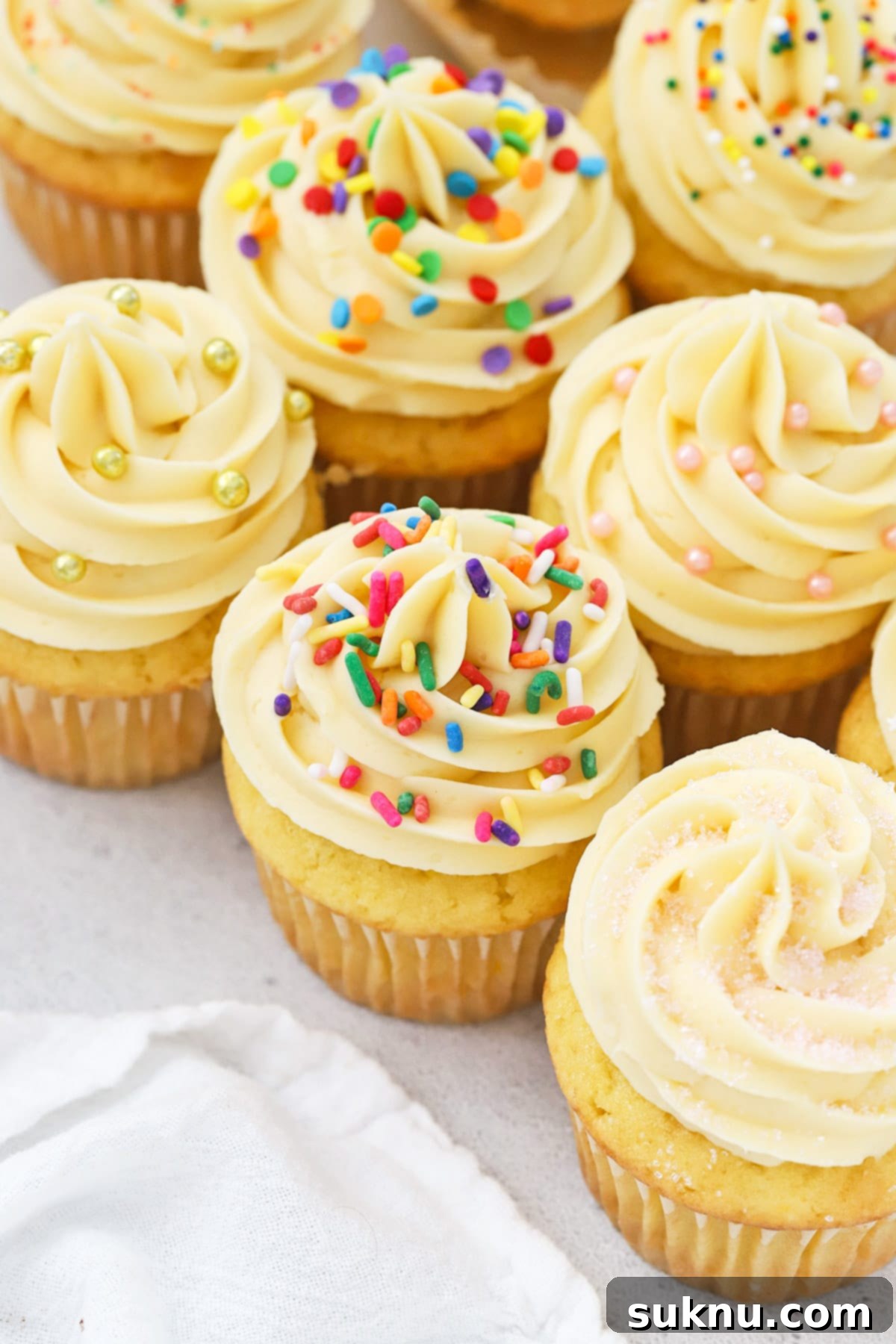
- WHEN TO USE QUIN SPRINKLES? Quins are exceptionally versatile, performing beautifully both as a decorative topping and as an ingredient baked directly into your sweet creations. They are perfect for adorning the tops of cakes, cookies, nostalgic cosmic brownies, and cupcakes, providing a playful and colorful finish. Much like jimmies, quins are excellent for incorporating into batters and doughs, as their colors are less prone to bleeding. This makes them a prime choice for sprinkle cookie dough or funfetti/sprinkle cake batter, ensuring your baked goods emerge with distinct, colorful flecks. They are truly excellent cupcake sprinkles, adding that signature festive look. In fact, many popular commercial products, such as Pillsbury’s Funfetti frosting and cake mixes, famously utilize quins to achieve their signature look.
- PRO TIP: For applying quins to frosting, gently press them in to ensure they adhere well. When mixing into batter, fold them in quickly and lightly to prevent overmixing and potential breakage.
- ARE QUINS SPRINKLES GLUTEN-FREE? Absolutely, quins can be gluten-free! As with any sprinkle type, careful label reading is paramount. Many brands craft quins without gluten-containing ingredients, making them suitable for gluten-intolerant diets. Some companies, such as Sweetapolita, even offer specific gluten-free sprinkle mixes that include quins. To discover reliable options, explore our comprehensive Gluten-Free Sprinkles section below, where we share some of our top picks for gluten-free sprinkle shops that prioritize quality and safety.
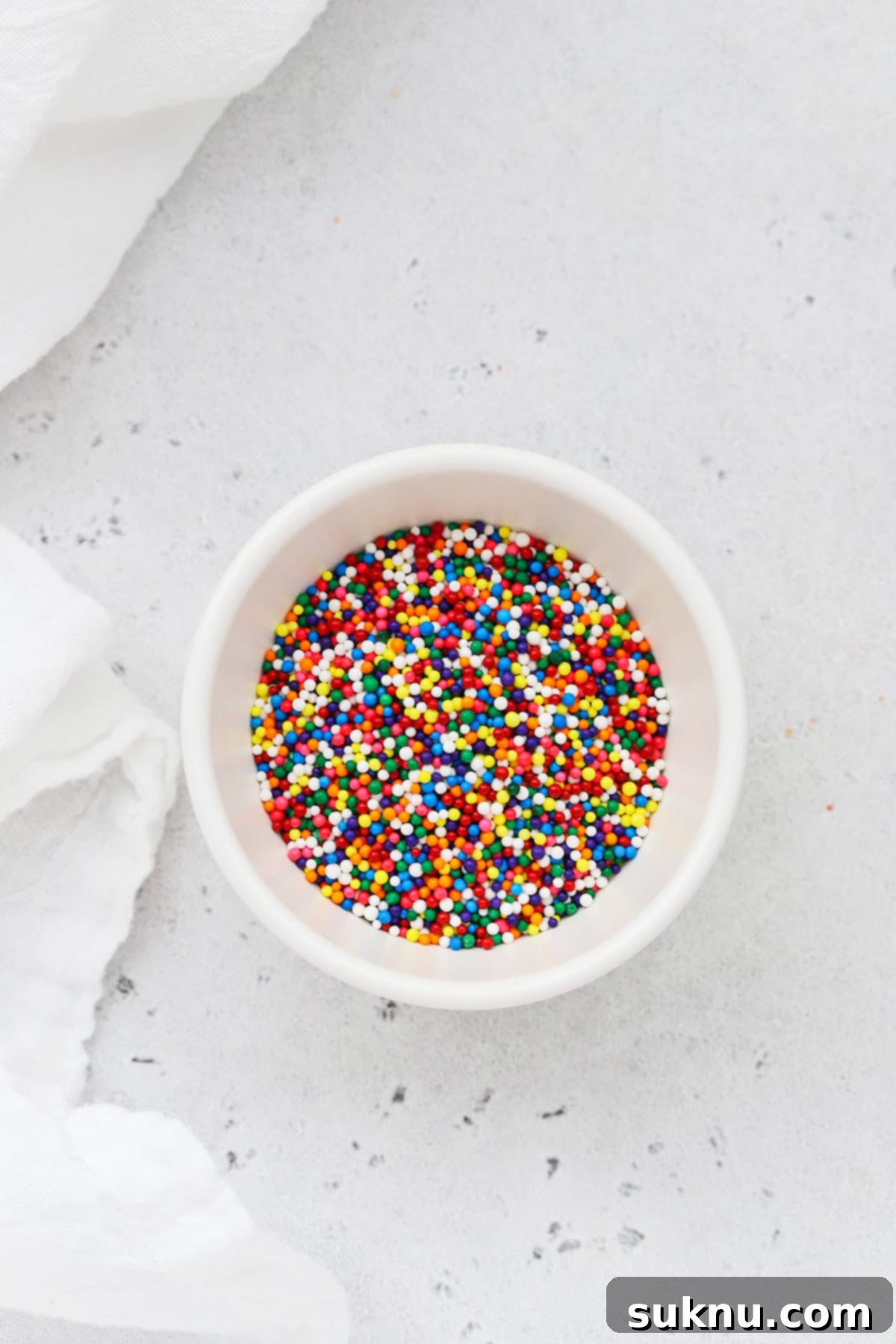
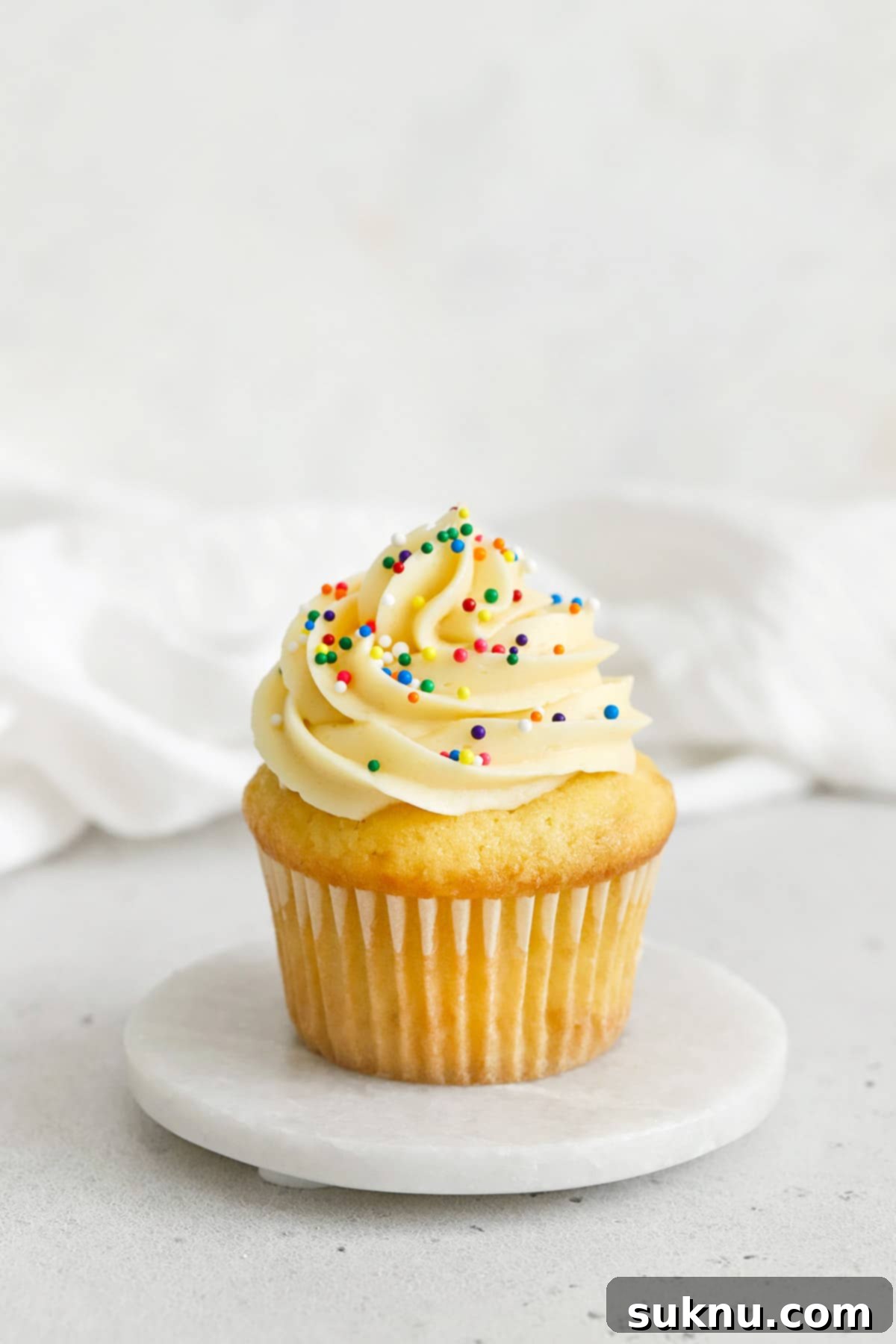
Nonpareils: Tiny Balls of Vibrant Crunch
- WHAT ARE NONPAREILS SPRINKLES? Nonpareils are characterized by their signature tiny, spherical shape and a distinct crunchy texture. These minuscule ball-shaped sprinkles are famously seen adorning classic frosted animal cookies, giving them their iconic colorful coating. Despite their small size, nonpareils pack a big punch of vibrant color and a satisfying, delicate crunch that adds an exciting textural element to any dessert. While fun, their small size can sometimes make them a little messy to handle!
- WHEN TO USE NONPAREILS? Nonpareils excel as a garnish, providing a beautiful and festive finish to a wide array of sweet treats. They are perfect for sprinkling generously over freshly frosted cookies, scoops of ice cream, elegant frosted cakes, and charming cupcakes. Their small size allows for dense coverage, creating a visually striking effect. Another creative use for nonpareils is to coat balls of cookie dough before baking, which creates a delightful sprinkle “crust” on the finished cookies, adding both color and crunch.
- WHEN NOT TO USE THEM? A crucial point to remember about nonpareils is that they are generally *not* suitable for baking directly into batters, such as for cakes or muffins. The intense colors in nonpareils tend to bleed significantly when exposed to heat and moisture, resulting in a muddy, dull appearance rather than the vibrant specks you might expect. Stick to using them as a post-baking decoration for the best results.
- PRO TIP: To minimize mess when applying nonpareils, work over a baking sheet or a large plate to catch any fallen sprinkles, which can then be reused. For coating cookie dough, place the nonpareils in a shallow bowl and roll the dough balls directly in them for full coverage.
- ARE NONPAREILS SPRINKLES GLUTEN-FREE? Good news for gluten-free bakers! An increasing number of brands are now offering gluten-free nonpareils. As with all packaged foods, always scrutinize the ingredient labels to confirm. Dive into our Gluten-Free Sprinkles section below to find reputable sources for gluten-free sprinkles. We particularly love the quality and variety offered by Color Kitchen brand for their excellent nonpareils.
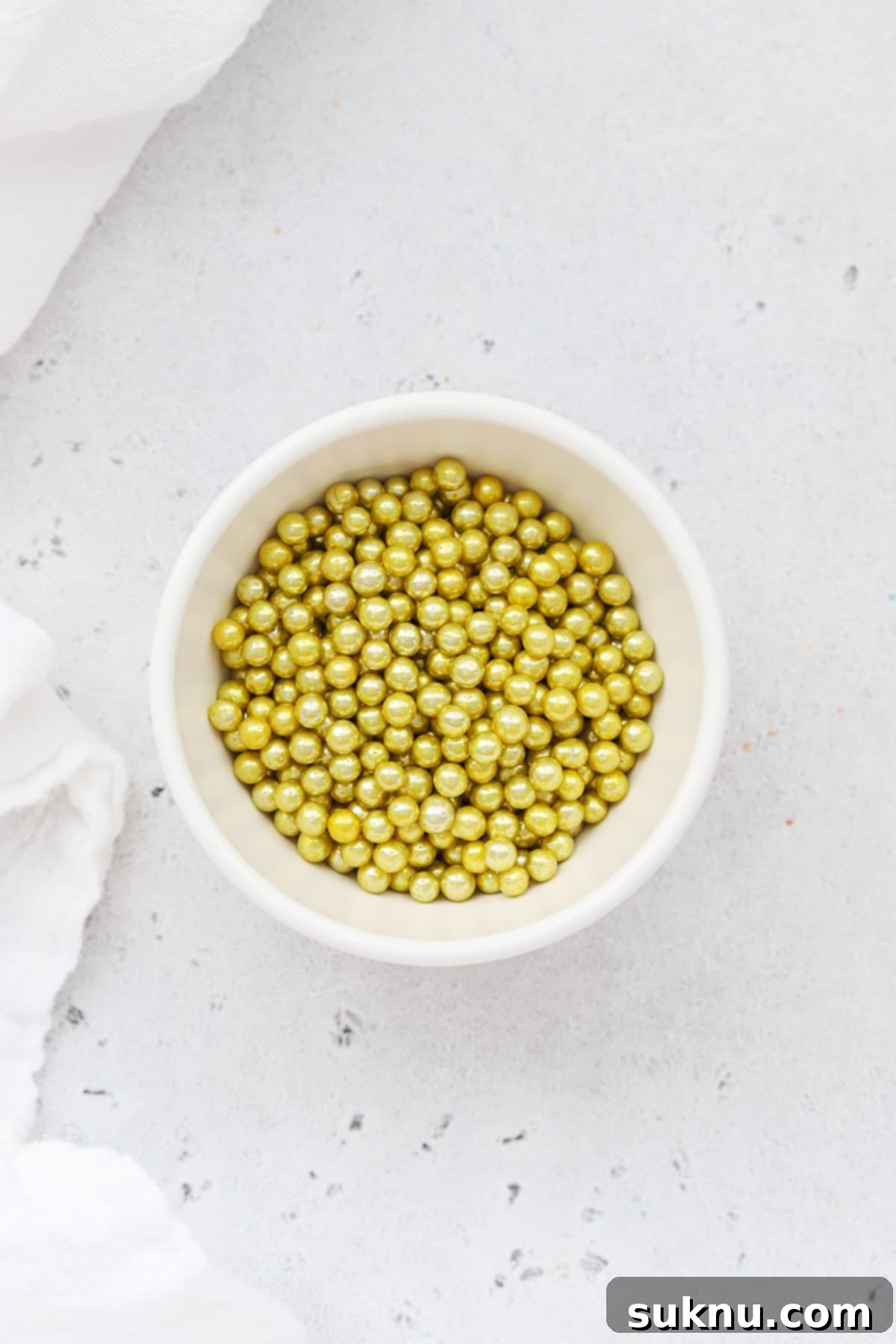
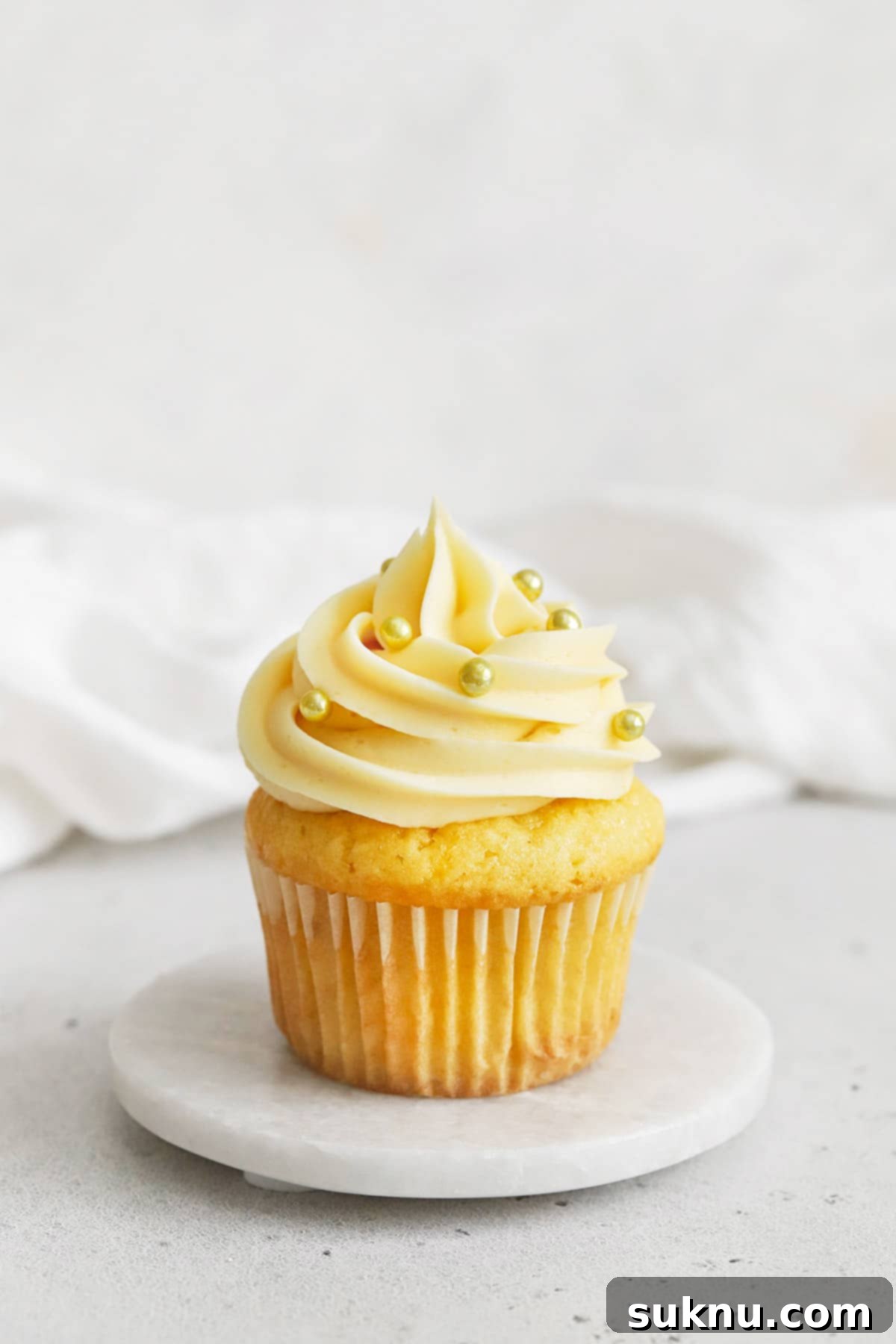
Dragées: Elegant Edible Pearls (with Caution)
- WHAT ARE DRAGÉES SPRINKLES? Dragées are distinctive large, round, ball-like sprinkles known for their hard, often metallic or pearlescent outer shell. They are considerably larger than nonpareils, resembling small, elegant pearls. These sprinkles come in various sizes, with the most striking being the larger, often silver or gold, metallic versions that exude a sophisticated, almost jewelry-like appearance. Their firm structure and lustrous finish make them stand out.
- WHEN TO USE THEM? Due to their substantial size and very firm texture, dragées are typically employed sparingly and solely for decorative purposes. They are ideal for adding a touch of elegance and glamor to formal cakes, wedding desserts, or holiday treats, used as strategic accents rather than a dense covering. Their beauty lies in their ability to create stunning focal points or emulate precious gems on your confectionery creations.
- IMPORTANT TO KNOW: It is crucial to understand that while many dragées are labeled as “edible” in a technical sense, some varieties, especially older metallic dragées, are very hard and can pose a significant risk to teeth if bitten directly. Always exercise caution and inform those consuming desserts decorated with dragées about their firm texture. In some regions, certain metallic dragées are labeled for “decoration only” and not for consumption, due to the presence of non-food-grade colorants or metal coatings (e.g., silver). Always check local regulations and product labeling carefully.
- PRO TIP: When decorating with dragées, use tweezers for precise placement to achieve a refined look. This also helps in controlling the quantity and ensuring they are spaced aesthetically.
- ARE DRAGÉES SPRINKLES GLUTEN-FREE? Finding certified gluten-free dragées can be challenging, as many manufacturers do not pursue this specific certification due to the niche nature of the product. However, a good number of brands formulate their dragées without gluten-containing ingredients. For individuals with gluten intolerance, these might be acceptable, but for those with Celiac disease or severe allergies, the risk of cross-contamination in manufacturing facilities remains a concern. Always verify ingredient lists and be mindful of any “may contain” warnings.
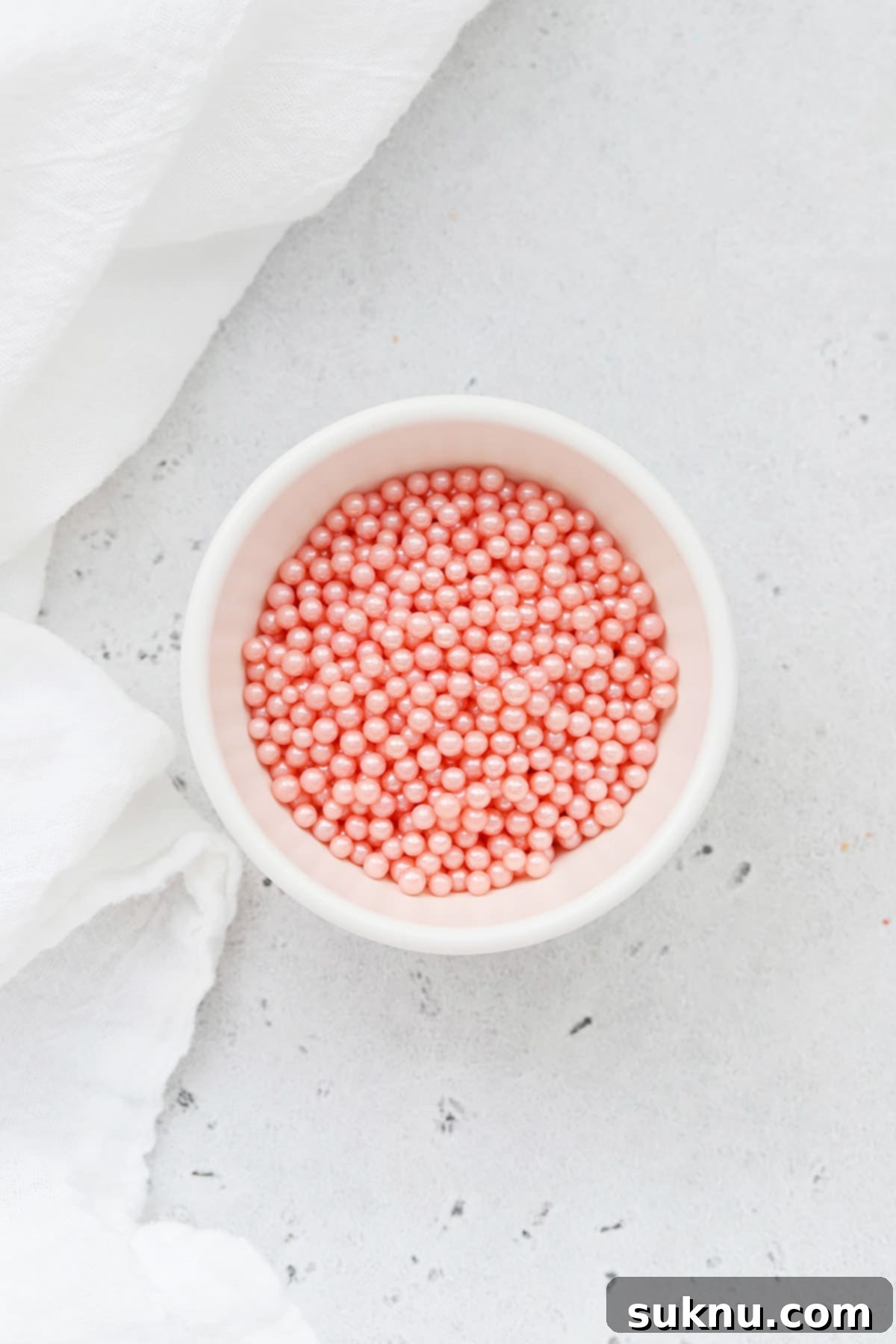
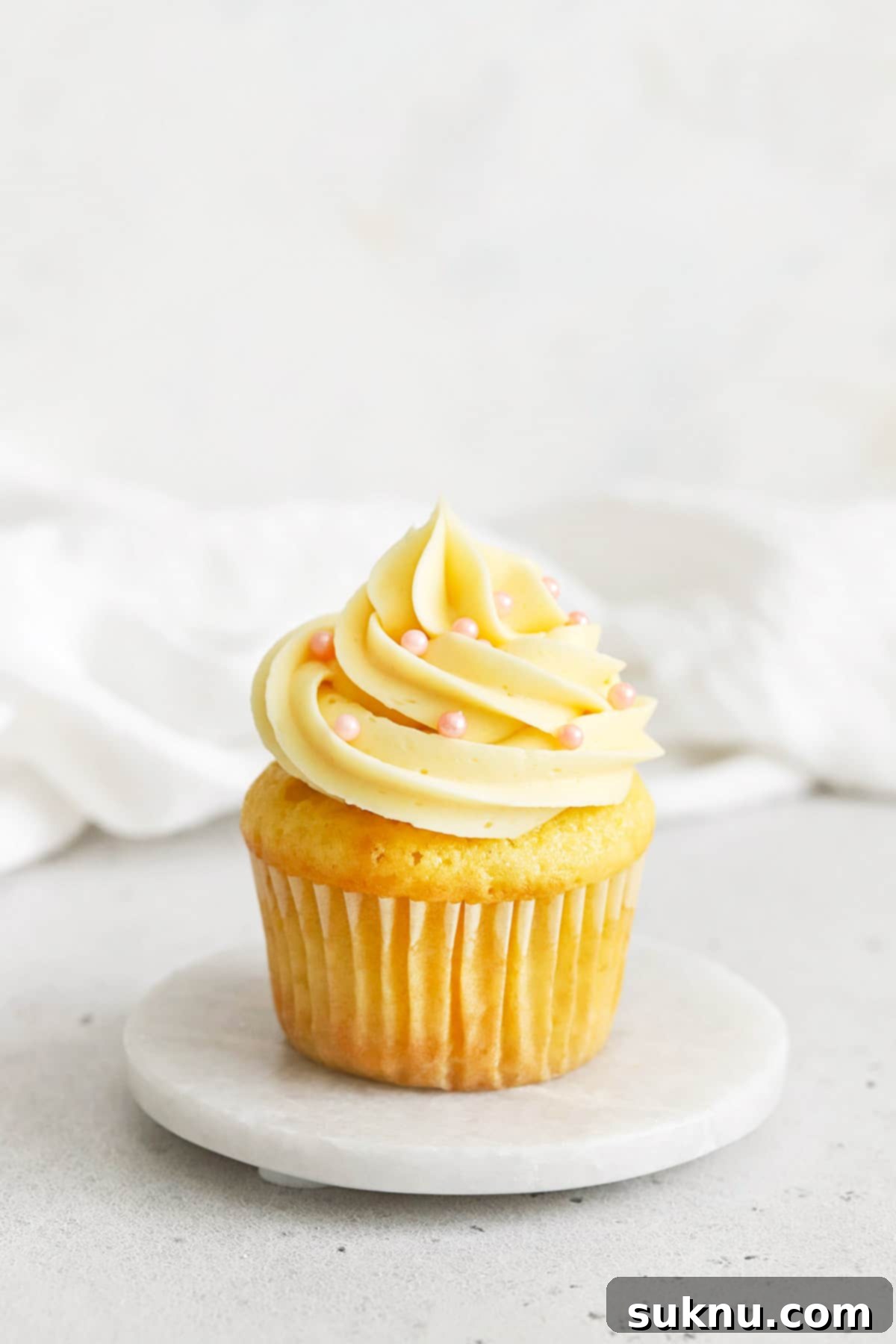
Sugar Pearls: Smaller, Crunchy Decorative Beads
- WHAT ARE SUGAR PEARLS? Sugar pearls are essentially a slightly smaller, often less intensely hard version of dragées, though they still maintain a significant crunch. These round, bead-like sprinkles come in various sizes and colors, offering a beautiful, pearlized effect without the extreme hardness or metallic coating of some dragées. They provide an elegant touch and a satisfying textural contrast to softer baked goods. Their aesthetic appeal and firm texture make them a popular choice for sophisticated decorations.
- WHEN TO USE THEM? Given their crunchy texture, sugar pearls are best utilized sparingly as a decorative element. They are fantastic for adding a refined finish to cookies, cupcakes, and cakes, especially when you desire a sophisticated, pearl-like adornment. They can be strategically placed to create patterns or scattered lightly for a delicate shimmer. Furthermore, sugar pearls are often incorporated into custom sprinkle mixes, where their unique texture and appearance complement other softer sprinkles, creating a more dynamic and interesting blend.
- PRO TIP: To ensure sugar pearls adhere well to your desserts, apply them while frosting or glaze is still wet. For precision, use a pair of clean tweezers. Store them in an airtight container away from moisture to prevent them from sticking together or losing their shine.
- ARE SUGAR PEARLS GLUTEN-FREE? While many sugar pearl brands do not contain gluten ingredients, formal certification as “gluten-free” is less common. For instance, popular brands like Wilton’s brand (often pictured) typically list no gluten-containing ingredients. However, they are frequently produced on shared equipment that processes wheat or other gluten-containing items. This means they might be suitable for individuals with gluten intolerance, but those with Celiac disease or severe gluten allergies should exercise caution due to potential cross-contamination. Always review the product label thoroughly and consider contacting the manufacturer if you have specific concerns.
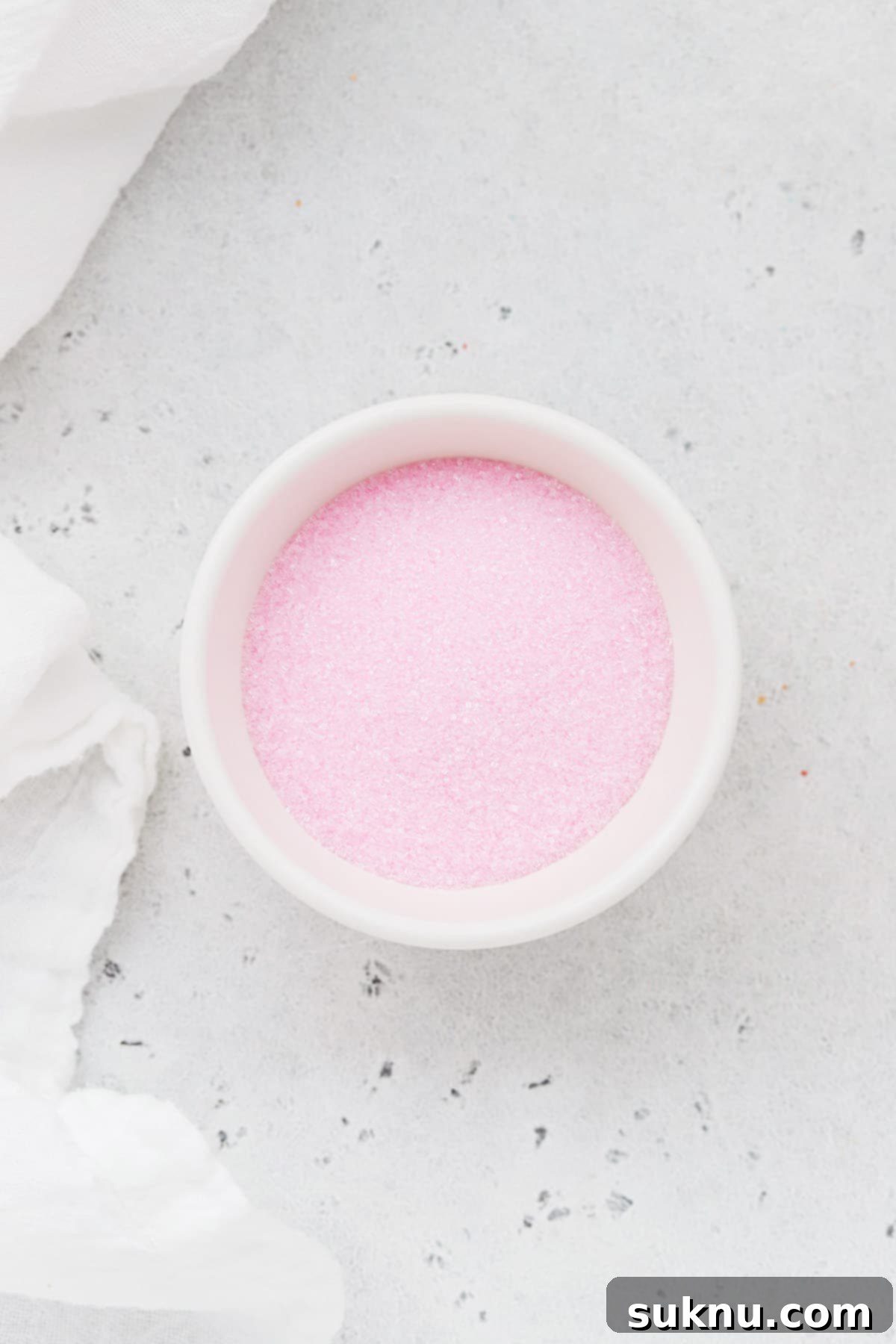
Sanding Sugar: Fine Grains for a Delicate Sparkle
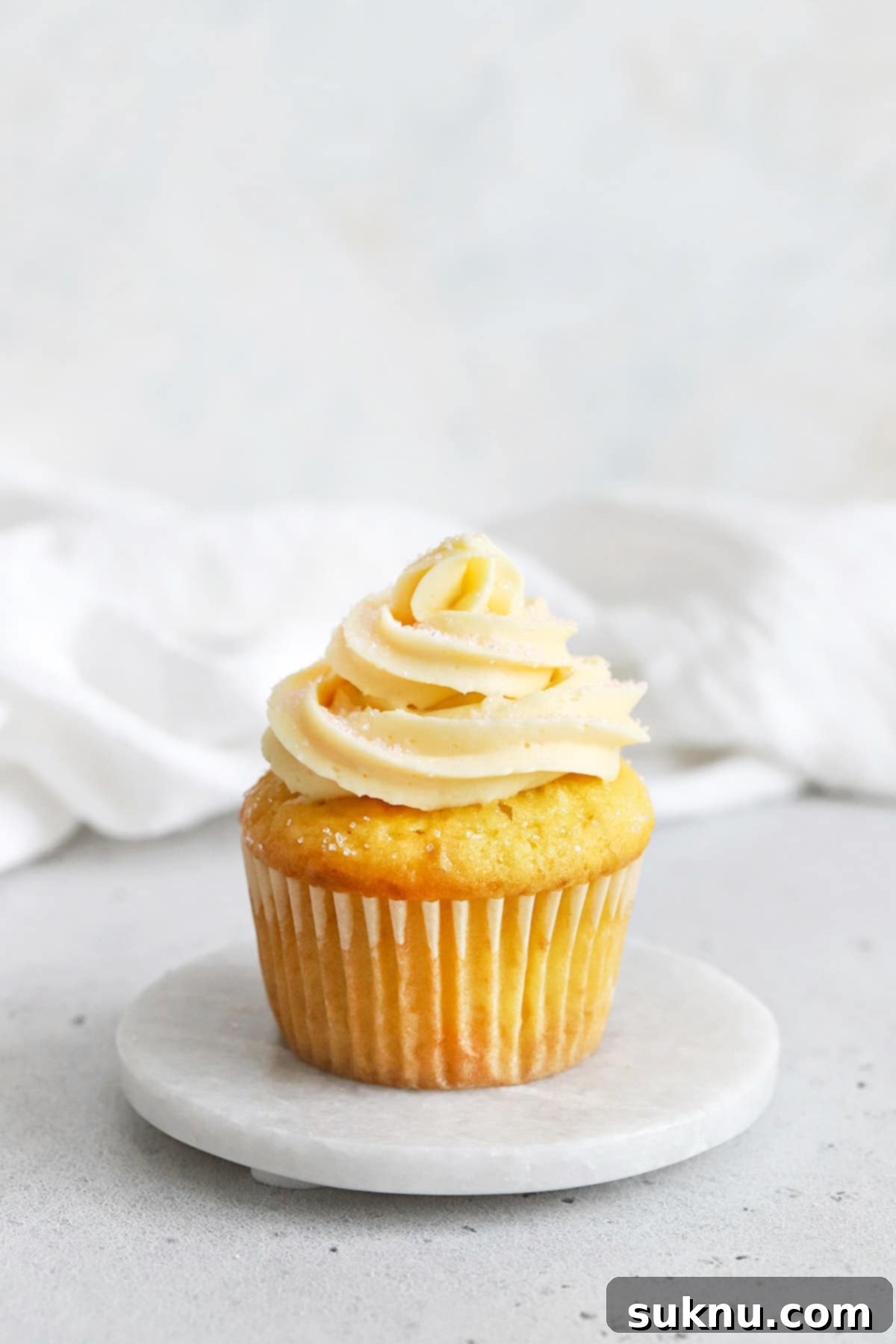
- WHAT IS SANDING SUGAR? Sanding sugar, also frequently referred to as crystal sugar or decorating sugar, is a type of finely granulated sugar that has been dyed vibrant colors. It’s distinguished by its slightly coarser grain than regular table sugar, but it’s still finer than coarse or sparkling sugar. This texture allows it to catch the light beautifully, creating a delicate, shimmering effect on baked goods. It provides a subtle sparkle and a gentle crunch, making it ideal for understated elegance.
- WHEN TO USE SANDING SUGAR? Sanding sugar is primarily used as a beautiful finishing touch for sweet treats. It’s perfect for sprinkling or dusting over frosted sugar cookies, the traditional New Orleans King Cake, cupcakes, or even French toast for a decorative breakfast. Its fine texture creates a subtle shimmer and a delicate crunch, enhancing the aesthetic without overpowering the main flavor or texture of the dessert. It’s also excellent for rimming cocktail glasses or adding a festive touch to fruit salads.
- WHEN NOT TO USE IT: While some sanding sugars can withstand light baking, it’s generally best used as a post-bake decoration. Baking it into dough or batter can cause the crystals to dissolve or lose some of their sparkle and vibrant color, resulting in a less impactful finish.
- PRO TIP: For an even coating on cookies, gently press the top of a frosted cookie directly into a shallow bowl of sanding sugar. For larger surfaces like cakes, use a spoon to lightly sprinkle it from a short distance for a consistent spread.
- IS SANDING SUGAR GLUTEN-FREE? The vast majority of sanding sugar brands are naturally gluten-free, as their primary ingredients are typically sugar and food-grade dyes. These ingredients are inherently free of gluten. However, it’s always prudent to review the ingredient list and check for any “may contain” statements, especially if you or your guests have severe gluten allergies or Celiac disease. Cross-contamination in manufacturing facilities, though rare for such a simple product, is always a possibility.
Sparkling Sugar or Coarse Sugar: Bold Glitter and Crunch
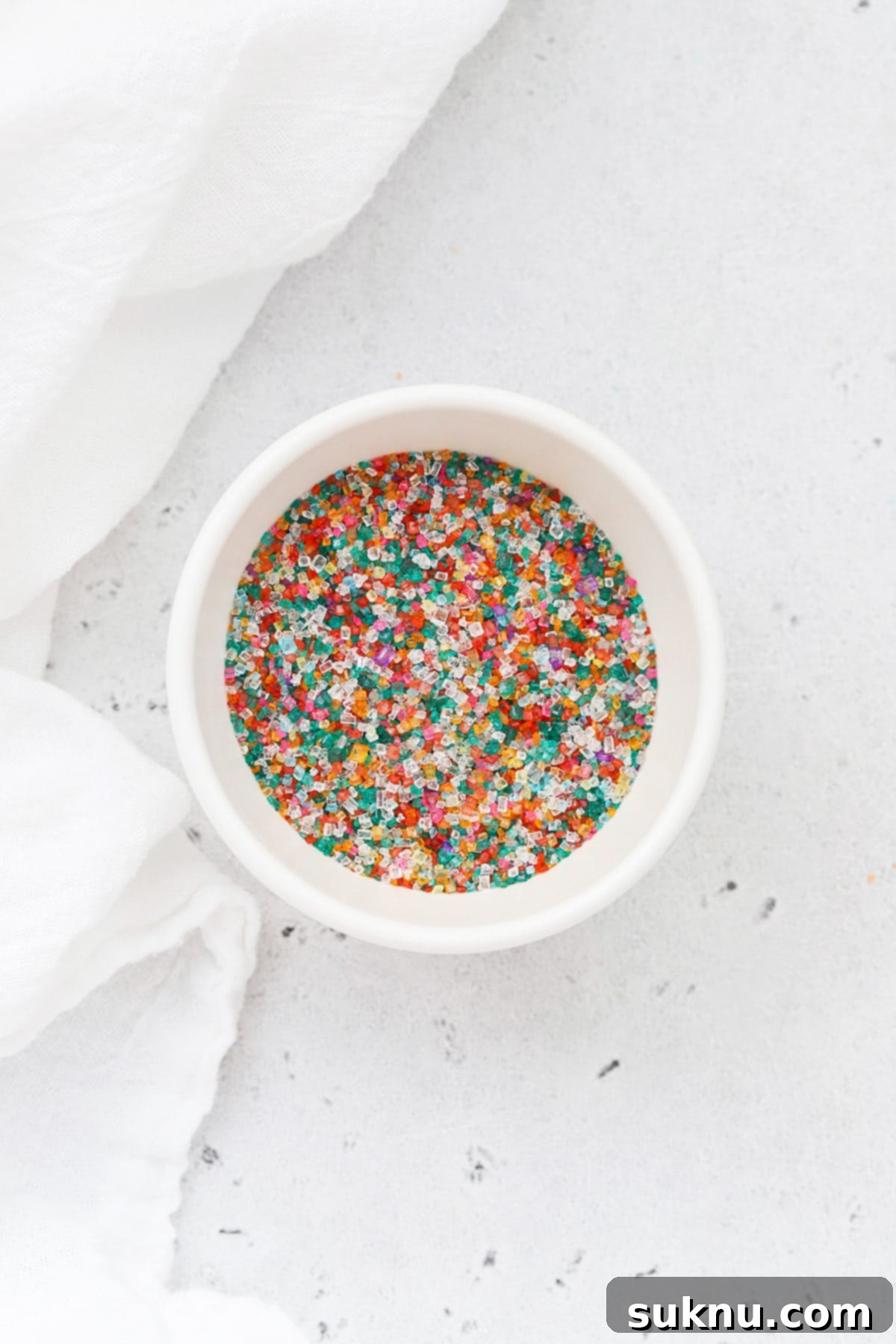
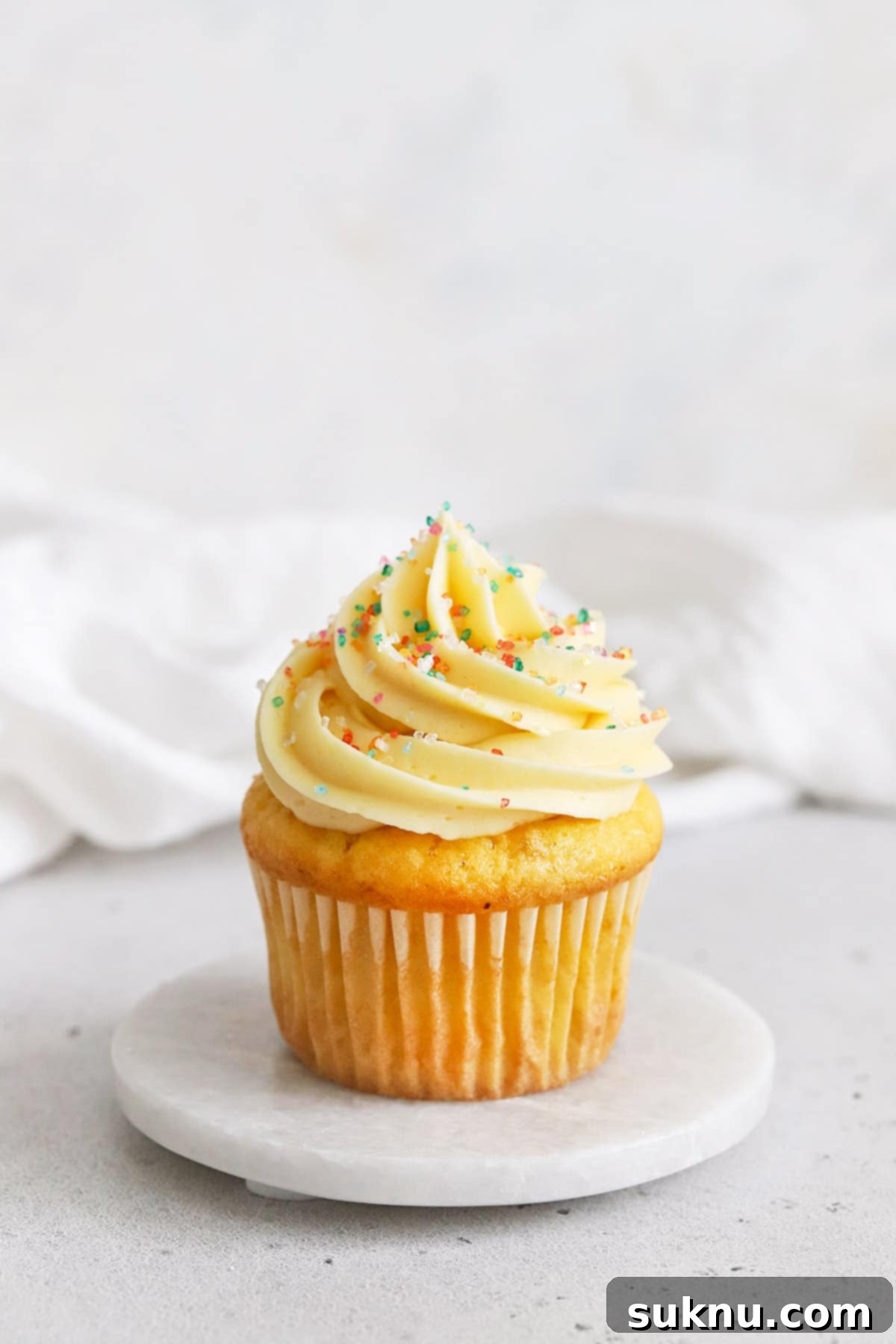
- WHAT IS SPARKLING SUGAR? As its name vividly suggests, sparkling sugar is a type of coarse-grained sugar that has been expertly dyed to achieve vibrant colors and a dazzling “sparkle” effect on baked goods. It is essentially a larger, more robust version of sanding sugar, with distinct, larger crystals that reflect light more intensely. This gives desserts a bolder, more noticeable glitter and a satisfyingly crunchy texture that is more pronounced than its finer counterpart.
- WHEN TO USE THEM? Sparkling sugar is best employed when you desire a prominent, glittering finish and a significant textural crunch. It’s superb as a decorative topping for sugar cookies, where its crystals create a beautiful crust, on festive King Cakes, or atop cupcakes for an eye-catching appeal. Unlike nonpareils, sparkling sugar is sturdy enough to hold its shape and sparkle when baked. This makes it an excellent choice for rolling cookie dough in before baking, providing a vibrant, sugary coating that stays intact through the heat of the oven, perfect for holiday cookies or decorative shortbreads.
- PRO TIP: For a striking “sugar crust” on cookies, press the unbaked cookie dough directly into a bowl of sparkling sugar. For frosted items, sprinkle generously while the frosting is still tacky. To make the sparkle last, store decorated goods in an airtight container once completely set.
- IS SPARKLING SUGAR GLUTEN-FREE? Similar to sanding sugar, most sparkling sugar brands are inherently gluten-free, typically consisting solely of sugar and food-safe dyes. These ingredients are naturally free from gluten. However, to ensure absolute safety, especially for those with Celiac disease or severe gluten sensitivities, always meticulously check the product labels for specific allergen warnings or “may contain” advisories regarding cross-contamination. Many reputable brands go to great lengths to ensure their products are safe, but it’s always best to be diligent.
Edible Glitter: Shimmer and Shine for a Magical Touch
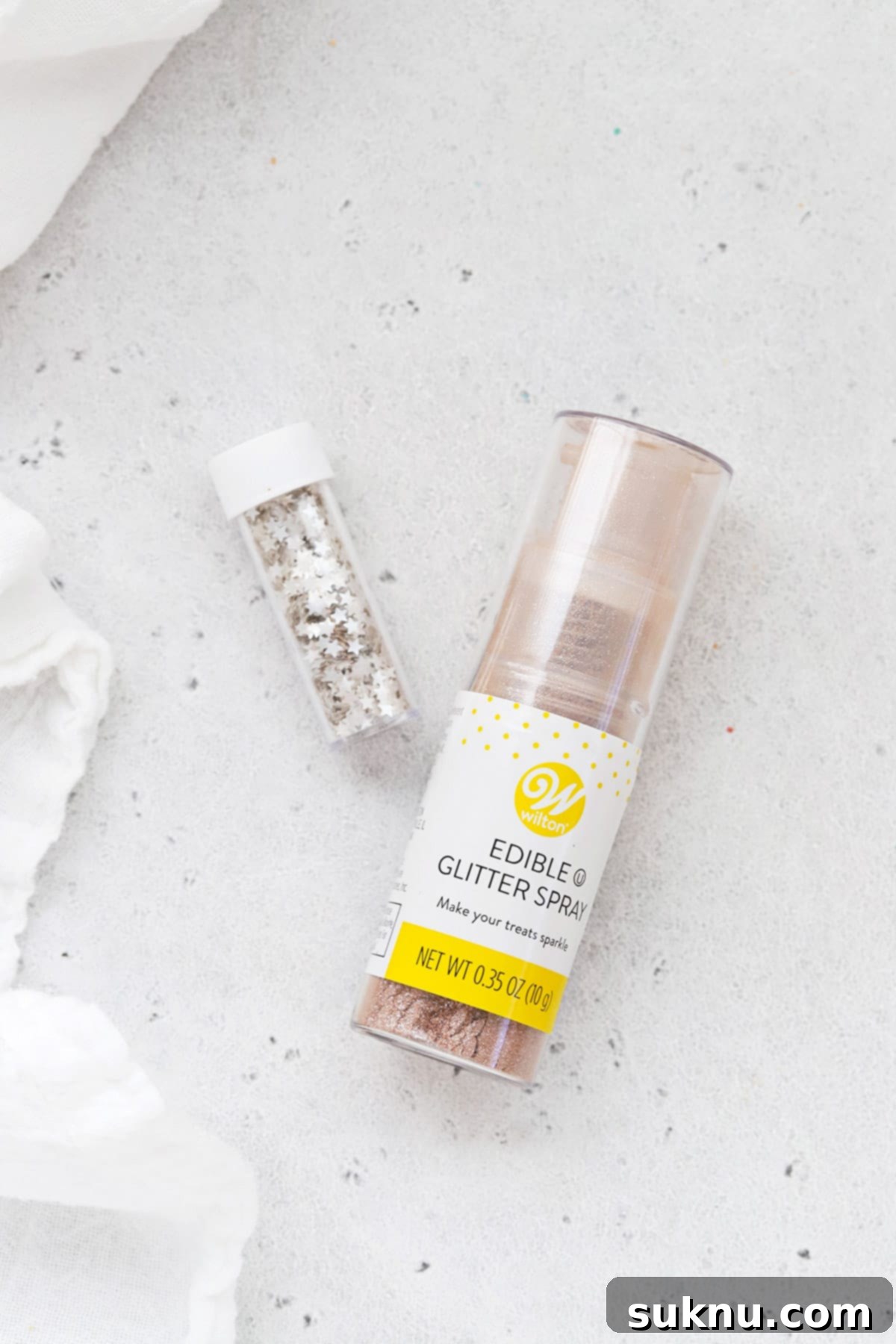
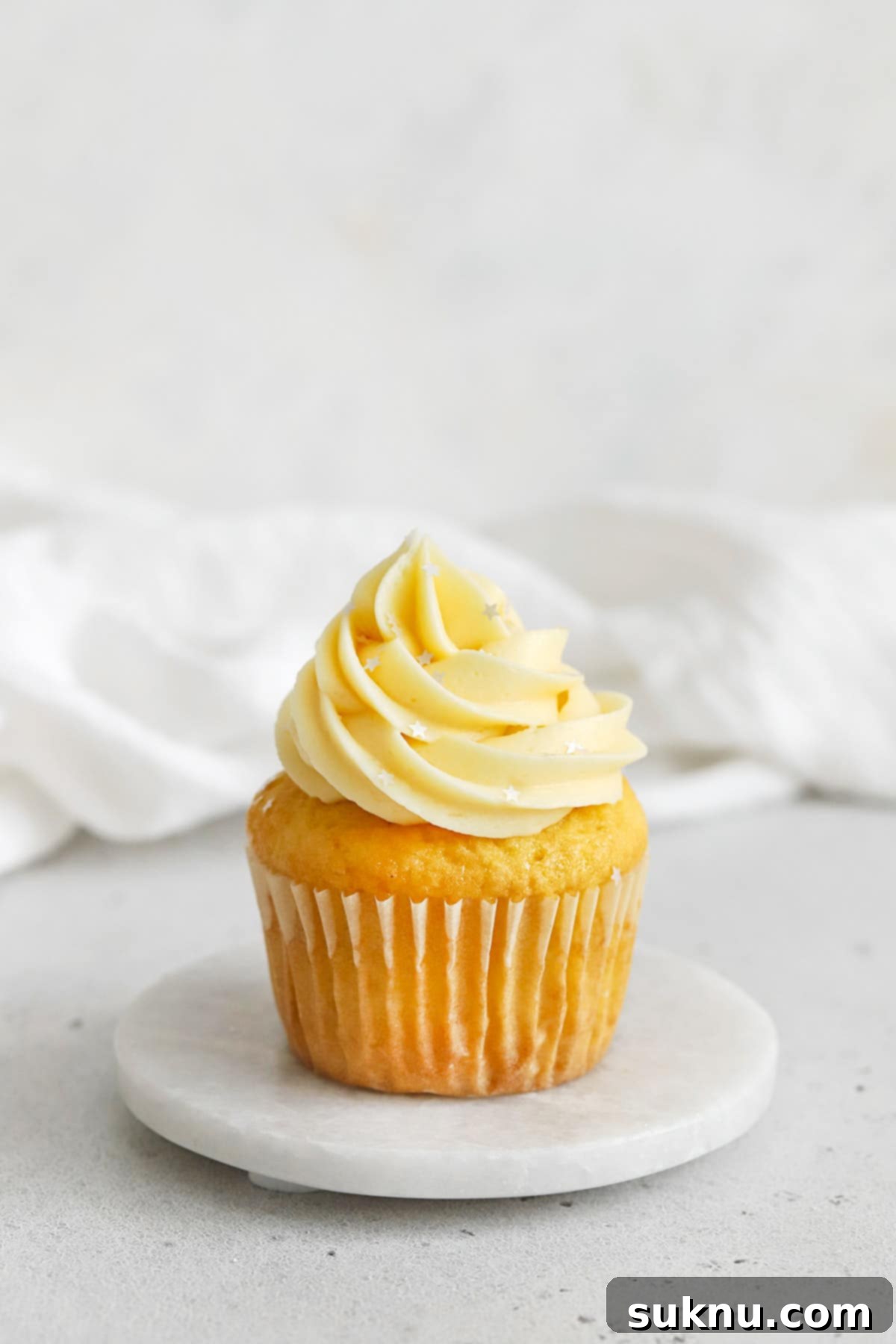
- WHAT IS EDIBLE GLITTER? Edible glitter is a fantastic decorative medium designed to add a dazzling shimmer and sparkle to your desserts. It comes in various forms to achieve different effects: from tiny, delicate shapes like stars or hearts, to ultra-fine glittery dust often sold as “luster dust” or “petal dust.” You can find it packaged loose for sprinkling, in jars for brushing, or in convenient pump bottles for a fine mist application. Unlike craft glitter, edible glitter is made from food-grade ingredients and is safe for consumption.
- WHEN TO USE EDIBLE GLITTER? Edible glitter is exclusively used as a show-stopping finish or decoration. It’s perfect for lightly dusting over cookies to give them a magical sheen, misting onto cupcakes for an ethereal glow, or sprinkling over the top of cakes to add an elegant shimmer. Its versatility allows you to create subtle highlights or bold, sparkling statements, transforming ordinary desserts into extraordinary showpieces. It’s often used for themed parties, special events, or anytime you want to add a touch of glamour.
- WHEN NOT TO USE IT? It is critical to understand that edible glitter and glitter sprinkles are *not* suitable for baking directly into baked goods. The delicate structure of glitter will dissolve, melt, or lose its shape and vibrant sparkle when exposed to the heat and moisture of the baking process. Its purpose is purely decorative, applied after your desserts have cooled and are ready for their final embellishment.
- PRO TIP: For dusting, use a small, soft food-safe brush to apply luster dust precisely. For an all-over shimmer, pump-action bottles provide an even mist. To make glitter adhere to a dry surface, a tiny dab of edible glue or a light mist of water can help.
- IS EDIBLE GLITTER GLUTEN-FREE? Many brands of edible glitter are formulated without gluten-containing ingredients, making them generally suitable for gluten-intolerant individuals. However, similar to other specialty sprinkles, finding edible glitter that is officially “certified gluten-free” can be quite challenging. This is often due to the production processes and the sheer variety of ingredients used in a facility. Always check ingredient lists thoroughly and look for any allergen statements. If you’ve discovered a certified gluten-free edible glitter brand, please share – we’re always eager to learn about new safe options!
Sprinkle FAQs: Essential Tips & Tricks for Perfect Decoration
Delve deeper into the world of sprinkles with answers to frequently asked questions and invaluable tips to perfect your baking decorations.
- DO SPRINKLES HAVE FLAVOR? Most sprinkles are primarily designed for visual appeal and textural enhancement, offering a generally unflavored, subtly sweet taste with a soft crunch. Their main role is to add a pretty touch to baked goods. However, you can find specialty flavored sprinkles, such as chocolate jimmies, fruit-flavored quins, or unique candy sprinkles, often available from gourmet baking shops. Unless explicitly labeled with a specific flavor, assume most standard sprinkles are unflavored.
- WHAT KIND OF SPRINKLES DO YOU USE FOR FUNFETTI CAKE OR BIRTHDAY CAKE? For creating classic funfetti or birthday cake-flavored baked goods where sprinkles are mixed into the batter, your best choices are jimmies or quins. These two types are specifically formulated to maintain their shape and vibrant colors when baked, preventing the dreaded color bleed that can occur with other sprinkle varieties. They ensure your cake or cookies emerge with distinct, colorful speckles throughout.
- WHAT’S THE BEST KIND OF SPRINKLES FOR CAKE DECORATING? The “best” sprinkles depend on your desired effect!
- For baking *into* the cake batter (like funfetti), jimmies and quins are the top picks as they hold their shape and color through baking.
- For decorating *on top* of a frosted cake, virtually any sprinkle type works! Jimmies and quins offer classic appeal. Nonpareils provide a dense, colorful coverage. Sugar pearls and dragées add elegance and shine. Sanding sugar and sparkling sugar give a delicate or bold shimmer, respectively. Edible glitter creates a stunning, magical finish.
Consider the cake’s theme, desired texture, and color palette when making your choice.
- HOW LONG DO SPRINKLES STAY FRESH AND HOW SHOULD THEY BE STORED? Sprinkles do indeed have an expiration date, much like dry spices, typically offering a shelf life of 1-2 years from the manufacturing date. Always check the manufacturer’s packaging for specific “best by” dates. To maximize their freshness and prevent them from clumping or losing their color, store sprinkles in an airtight container in a cool, dry, dark place, away from direct sunlight and humidity. Proper storage ensures they remain vibrant and ready for your next baking adventure.
- CAN YOU MAKE YOUR OWN SPRINKLES? Yes, absolutely! Crafting your own sprinkles at home is not only possible but can also be a fun and rewarding project, often simpler than you might imagine. It allows for complete control over ingredients and colors. For an excellent starting point and detailed instructions, we recommend exploring this fantastic tutorial from Hummingbird High.
- WHAT ARE THE BEST DYE-FREE SPRINKLES? If you’re looking to avoid artificial dyes in your sprinkles, the market for naturally colored options has significantly improved! Many brands now use plant-based colorants to achieve beautiful, vibrant hues. Two of our favorite brands renowned for their high-quality, naturally colored, and often dye-free sprinkles are Supernatural and Color Kitchen. They offer excellent alternatives that deliver on both aesthetics and natural ingredients.
- HOW TO PREVENT SPRINKLES FROM BLEEDING? Color bleeding is most common with nonpareils and very brightly colored or dark sprinkles, especially when exposed to moisture or heat. To minimize bleeding:
- Use jimmies or quins when baking them into batter.
- Apply sprinkles to frosting or glaze only when it has started to set or is slightly crusted, rather than immediately after applying.
- Store decorated treats in a cool, dry place once the sprinkles are applied.
- Consider “no-bleed” or “colorfast” sprinkles from specialty brands, if available.
- ARE THERE ANY OTHER ALLERGENS TO WATCH OUT FOR IN SPRINKLES? Beyond gluten, it’s wise to check sprinkle labels for common allergens such as soy, dairy, and nuts, especially if you’re baking for individuals with severe allergies. Some sprinkles contain confectioner’s glaze (shellac), which some vegetarians or vegans avoid. Always read the full ingredient list carefully.
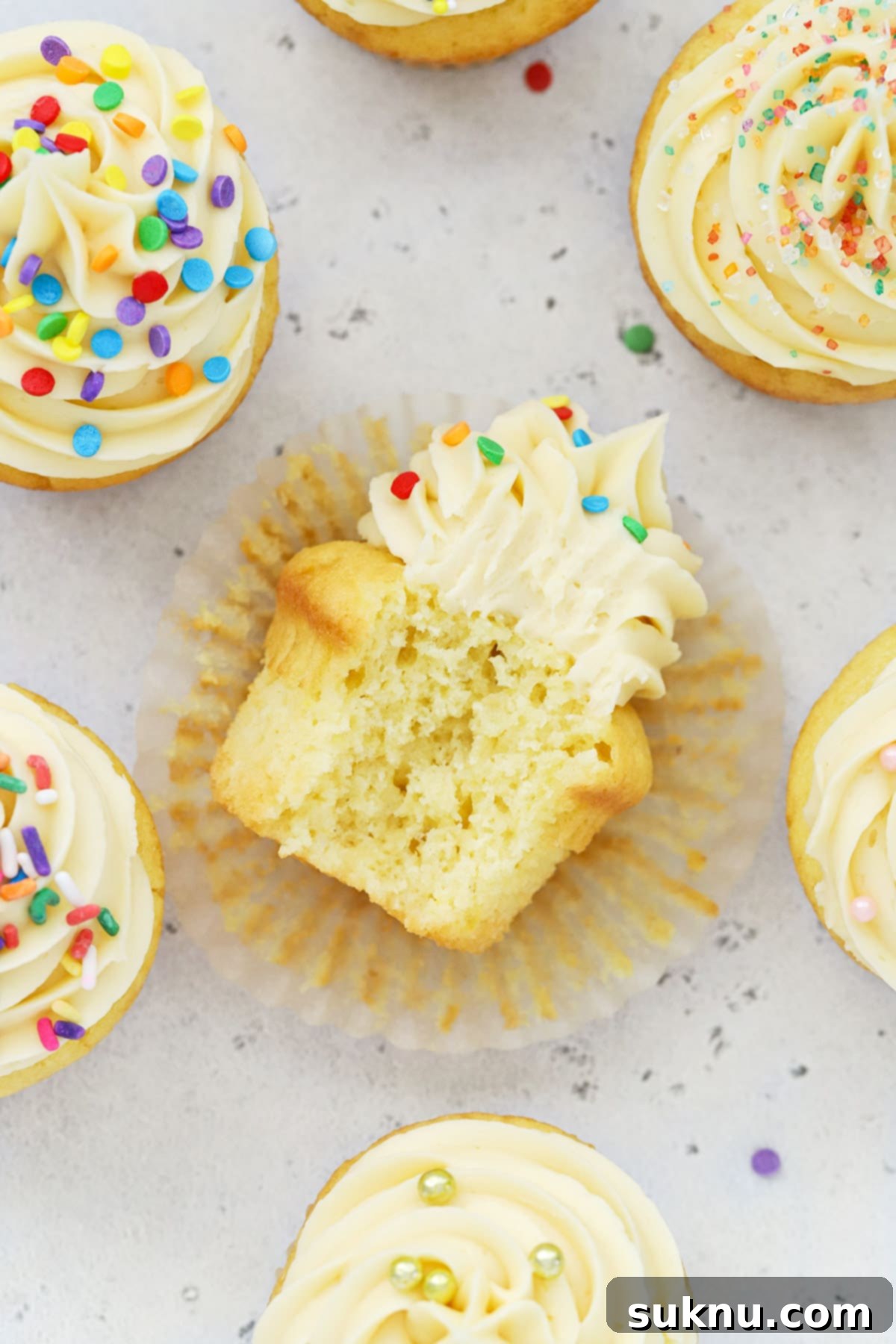
Where To Buy Gluten-Free Sprinkles: Your Go-To List
Navigating the world of gluten-free sprinkles can be tricky, but many fantastic brands are making it easier than ever to add safe, vibrant decorations to your gluten-free baked goods. Here’s a curated list of our top recommendations for finding high-quality gluten-free sprinkle options:
- Sweetapolita – Sweetapolita is a dream destination for sprinkle lovers, offering an extensive selection of gluten-free sprinkles and enchanting sprinkle blends. Their website features a convenient filter that allows you to specifically shop for gluten-free, vegan, or other dietary-friendly options, making your search effortless. With their commitment to quality and variety, you’re sure to find the perfect mix for any occasion. Don’t forget, you can get 10% off your order with this exclusive link!
- Color Kitchen – If you’re looking for vibrant sprinkles free from artificial dyes, Color Kitchen is an excellent choice. They specialize in naturally colored sprinkles, offering a great range of hues. While their shapes might be somewhat limited compared to other brands, the quality of their ingredients and the natural vibrancy of their colors are outstanding, making them a favorite for health-conscious bakers.
- Unpretentious Sprinkles.Available conveniently on Amazon, Unpretentious Sprinkles provides a reliable source for gluten-free jimmies. They offer a good variety, including festive Christmas sprinkles, versatile single colors, and appealing blends, all without the fuss of artificial ingredients or gluten.
- SprinklePOP – SprinklePOP offers a beautiful selection of gluten-friendly sprinkles. It’s important to note the “gluten-friendly” designation, which means their products are made without gluten-containing ingredients but may be produced in facilities that also handle gluten. This makes them a great option for those with gluten intolerance but perhaps not suitable for individuals with severe gluten allergies or Celiac disease due to potential cross-contamination.
- Supernatural. Known for their fun shapes and commitment to using only natural dyes, Supernatural sprinkles are another fantastic option for vibrant, guilt-free decorating. A small heads-up: while generally excellent, we’ve occasionally noticed they can have a slightly odd smell if they aren’t perfectly fresh, so it’s best to use them relatively quickly after purchase.
- Wilton. A widely available brand, many of Wilton’s sprinkles, such as their edible glitter and sugar pearls, do not contain gluten ingredients. However, like many large-scale producers, they often process their products on shared (though cleaned) equipment. This makes them generally suitable for those with gluten intolerance, but individuals with Celiac disease or severe allergies should exercise caution. You can easily find Wilton products on Amazon, at craft stores like Michael’s, and in major retailers like Target, Walmart, and most grocery stores.
- A Great Surprise. If you’re a frequent baker or enjoy buying in bulk, A Great Surprise offers excellent value. Their sprinkles come in large containers, making them a practical and economical choice for stocking your pantry with gluten-free options for all your baking needs.
- Chef’s Select. Another fantastic brand offering larger containers of quality sprinkles, Chef’s Select is a beloved choice among bakers. Their commitment to good ingredients ensures that you can decorate generously without worry.
More Baking Tips To Try:
- How To Freeze Cookie Dough
- How To Keep Bundt Cake From Sticking
- How To Separate Eggs (Yolks & Whites)
- How To Measure Flour Correctly
- How To Brown Butter