Mastering Brown Butter: Your Essential Guide to Liquid Gold in the Kitchen
Welcome, fellow bakers and culinary enthusiasts! In our ongoing Be A Better Baker series, we’re dedicated to equipping you with foundational skills, innovative techniques, and invaluable kitchen secrets that elevate your home cooking and baking. Today, we’re diving into a transformative ingredient that promises to revolutionize your recipes: brown butter.
Often hailed as “liquid gold,” browned butter is incredibly easy to make and infuses an unparalleled depth of flavor into a vast array of dishes. Imagine the rich, nutty, and subtly sweet notes of caramel enhancing everything from your favorite cookies to savory pasta. This simple yet profound transformation of ordinary butter takes mere minutes, and our comprehensive step-by-step tutorial will guide you through every nuance of the process. Get ready to unlock a world of flavor!
What Exactly Is Brown Butter?
Brown butter, known elegantly in French cuisine as beurre noisette (meaning “hazelnut butter”), is an alchemical marvel that transforms plain butter into a rich, aromatic ingredient with a distinctive nutty, caramel-like flavor. This transformation occurs when butter is gently heated, causing its milk solids to separate, toast, and caramelize.
At its core, the process involves melting butter and continuing to cook it past the point of just being liquid. As the butter melts, the water content evaporates, leaving behind butterfat and milk solids. It’s these milk solids that undergo what’s called the Maillard reaction – a complex chemical process responsible for the browning and flavor development in many cooked foods, from seared steaks to toasted bread. The milk solids turn a deep golden brown, settling at the bottom of the pan, while the butterfat takes on a beautiful amber hue and a wonderfully complex aroma. This simple change unlocks an extraordinary flavor profile that is far more sophisticated than regular melted butter.
The Irresistible Flavor Profile: What Does Brown Butter Taste Like?
While often described as “nutty,” brown butter’s flavor is far more intricate and captivating. To many, myself included, it evokes the rich, nuanced sweetness of caramel or butterscotch, mingled with subtle notes of toasted hazelnuts or pecans. It carries a profound depth, often hinting at brown sugar or even a delicate coffee undertone. This complexity makes it an incredibly versatile ingredient, capable of elevating both sweet and savory dishes. It adds a sophisticated warmth that transforms simple recipes into gourmet experiences, making it a beloved secret weapon for chefs and home cooks alike.
How To Make Brown Butter: A Simple Step-By-Step Tutorial
For precise ingredient measurements, detailed instructions, and helpful tips, please refer to the recipe card at the end of this article.
- Prepare Your Pan: Begin by adding your desired amount of butter to a saucepan or a skillet. For optimal visibility, it’s highly recommended to use a light-colored pan, such as stainless steel or white enamel. A heavy-bottomed pan is also beneficial as it distributes heat more evenly, reducing the risk of burning.
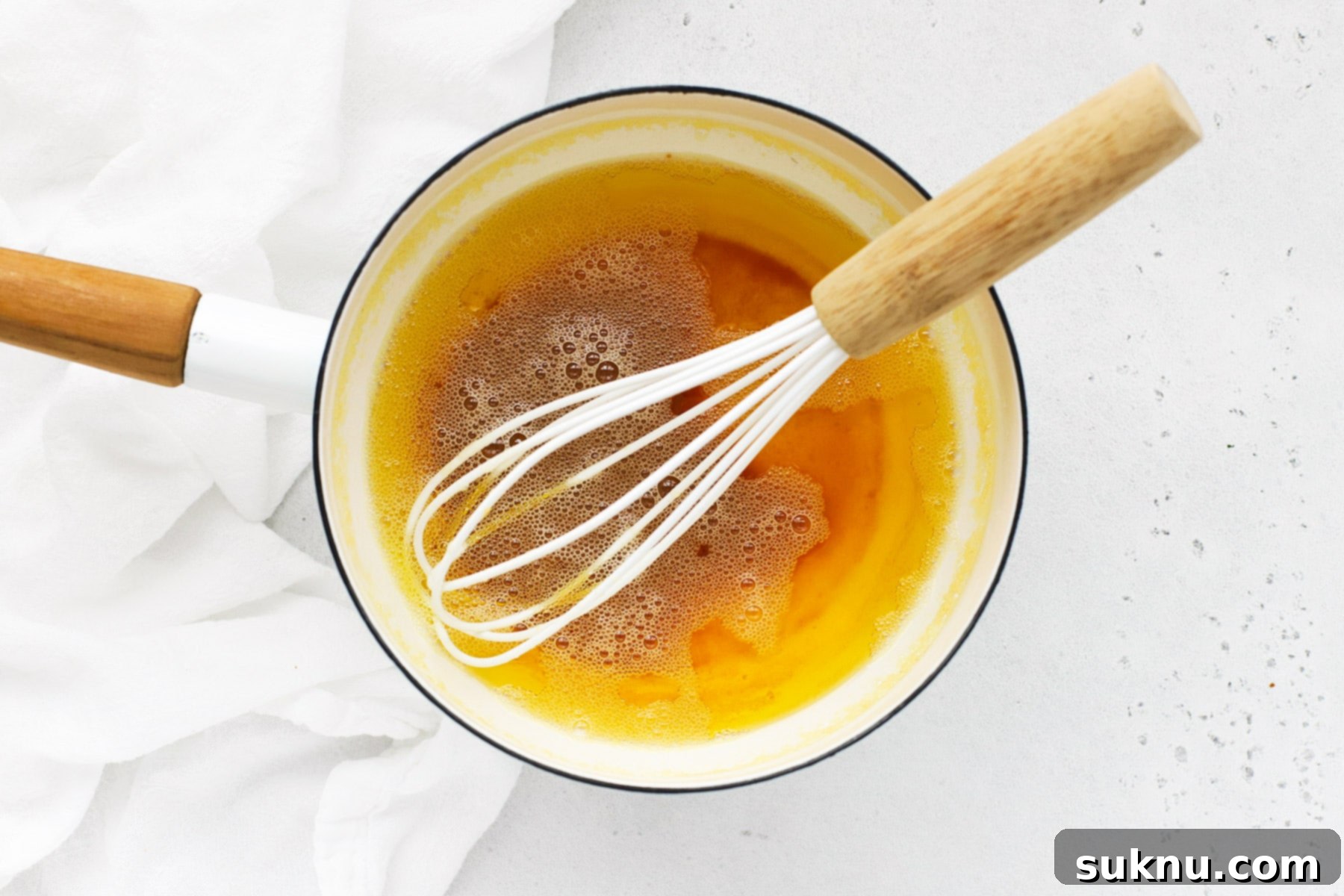
- Melt Over Medium Heat: Place the pan over medium or medium-low heat, depending on your stove’s intensity. The key here is gentle, consistent heat. Begin whisking or stirring the butter continuously as it melts. This constant motion helps the butter melt evenly and prevents solids from sticking to the bottom and burning prematurely.
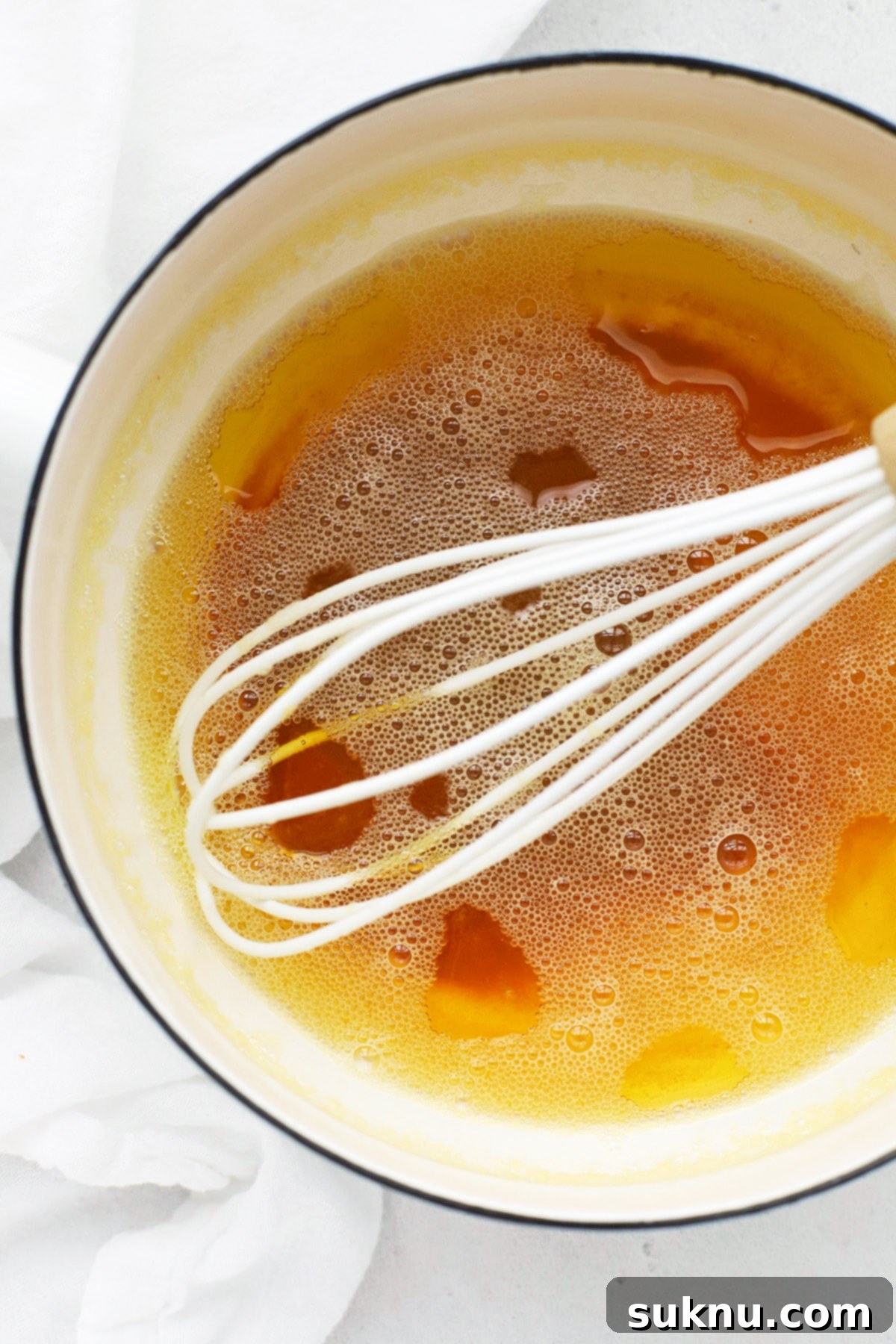
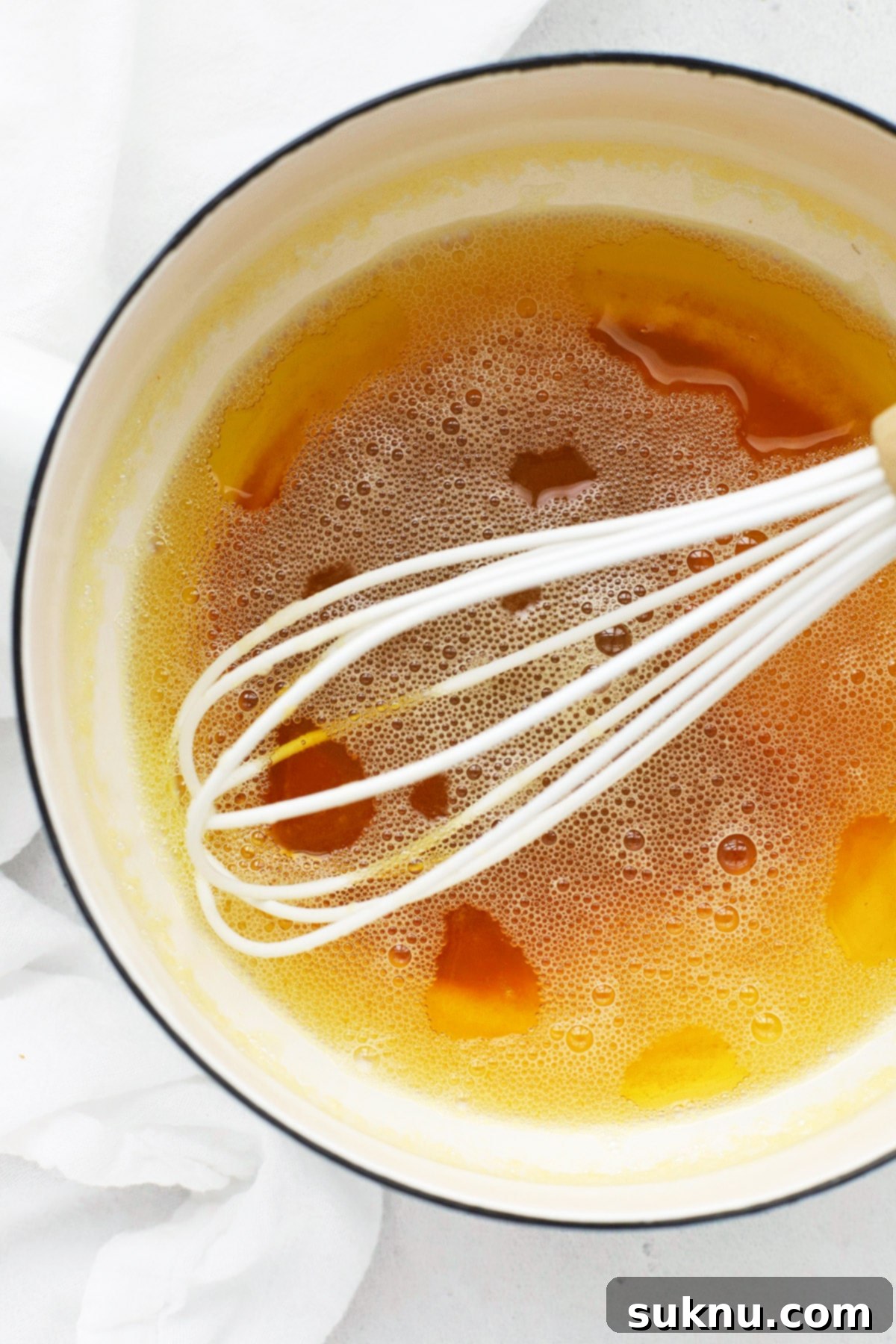
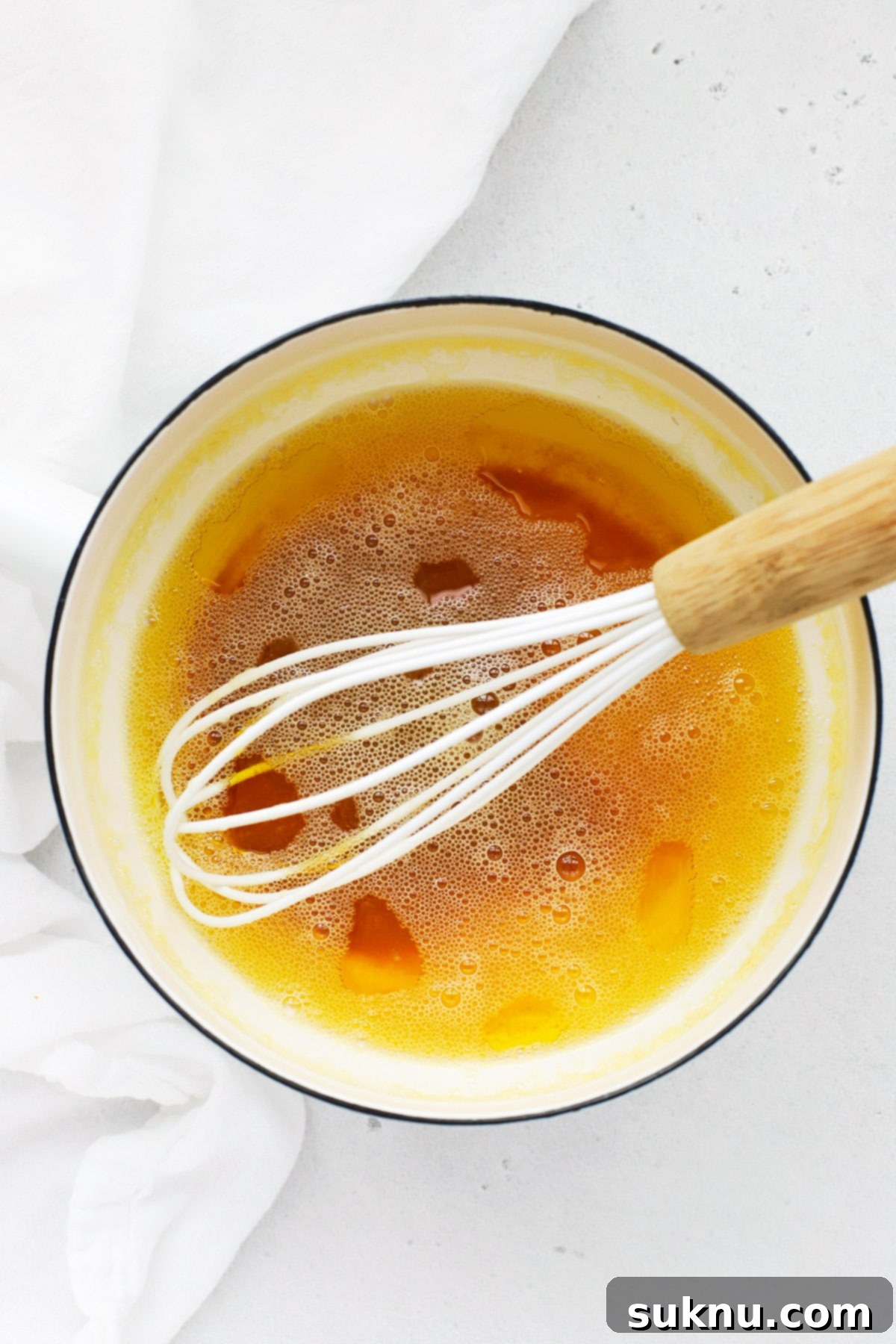
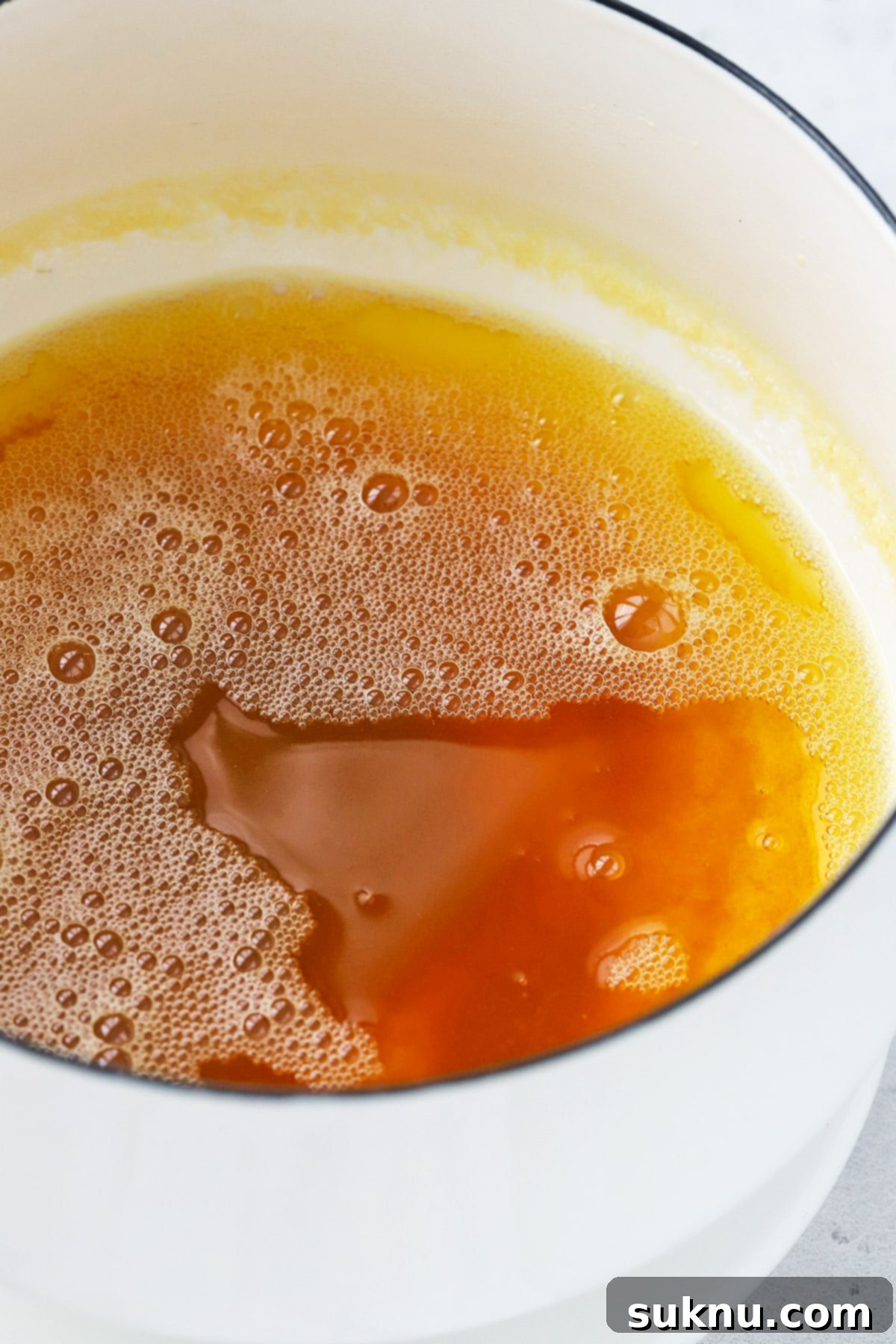
- Observe the Transformation: Once the butter has completely melted, continue stirring. After approximately 6-8 minutes (this timing can vary based on butter quantity and heat level), you’ll notice the butter beginning to foam and bubble. This is a crucial stage where the milk solids are separating and the water is evaporating. Keep a very close eye on the color and aroma. The butter can quickly transition from perfectly browned to burnt in a matter of seconds.
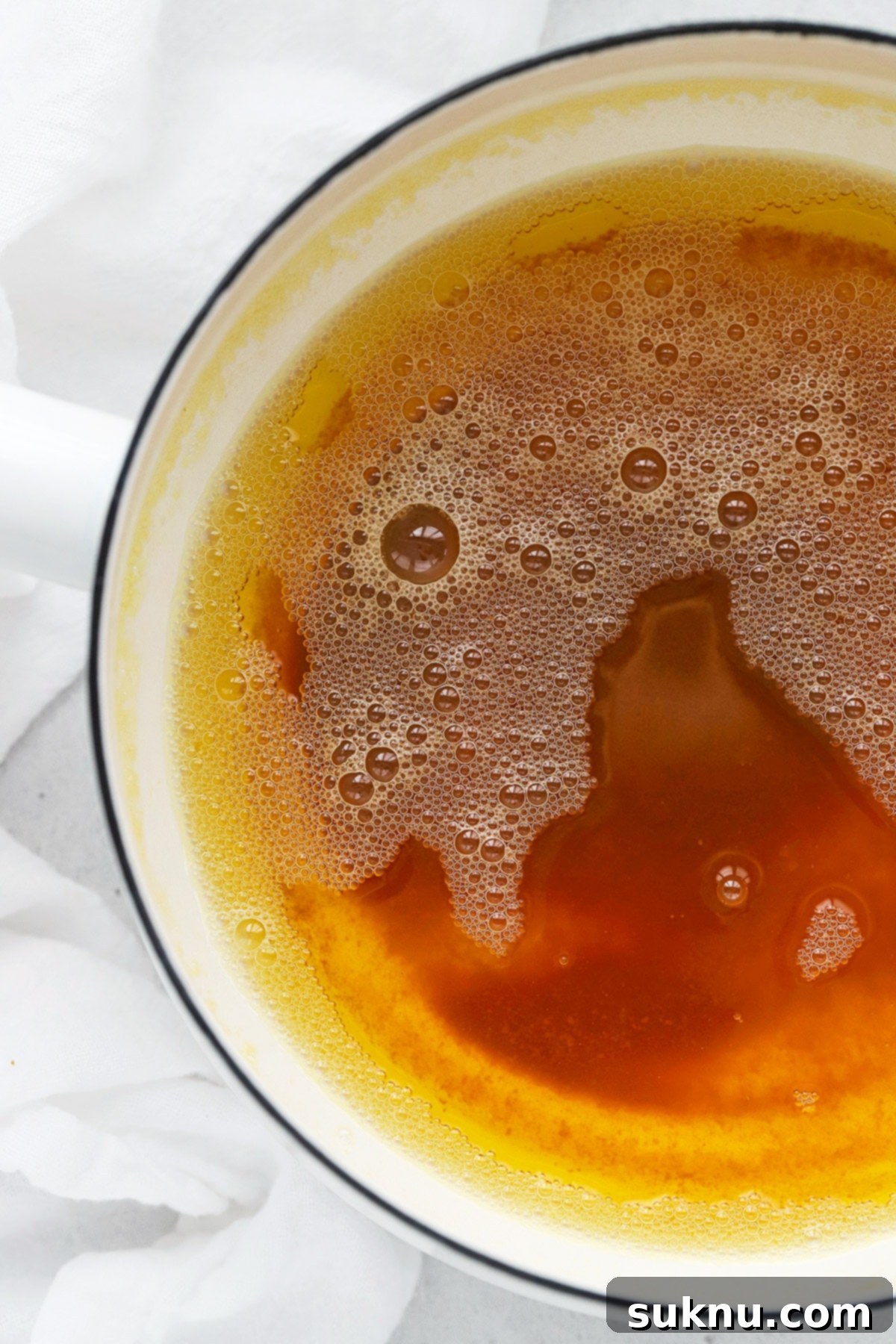
- Identify Golden Perfection: As the foaming subsides slightly, peek underneath to observe the milk solids. They will start to turn a deep golden brown, resembling toasted nuts or caramel bits. Simultaneously, you’ll be greeted by an incredibly fragrant, nutty aroma. At this point, the butter itself will have taken on a rich amber hue. Immediately remove the pan from the heat once you reach this deep golden color and distinct fragrance.
- Stop the Cooking Process: Brown butter continues to cook from residual heat in the hot pan even after being removed from the burner. To prevent it from burning, promptly transfer the browned butter (including all the delicious brown bits) into a separate heatproof bowl. If you prefer to play it safe, remove the butter from the heat about a minute before you think it’s fully done, allowing the carry-over heat to finish the job. As it cools, the caramelized milk solids will settle at the bottom of the bowl.
- Ready to Use: Your homemade brown butter is now ready! You can use it immediately in your recipes, or transfer it to an airtight container and refrigerate it for later use.
PRO TIP: The Right Pan Matters! For the best results, always use a light-colored saucepan. Darker pans can make it incredibly difficult to accurately judge the color of the browning butter, increasing the chances of overcooking and burning. A heavy-bottomed pan also helps distribute heat more evenly, preventing hot spots that can scorch the butter.
Knowing When It’s Perfect: How Do You Know If Butter Is Brown?
Mastering brown butter is all about engaging your senses. Here’s what to look, smell, and even taste for to ensure perfection:
- LOOK: Initially, the butter will melt and then begin to foam on the surface. As you continue to stir, look through the foam or gently push it aside to observe the liquid underneath. You’ll notice the butter changing from a pale yellow to a beautiful golden amber, eventually settling into a deep, rich honey or hazelnut color. At the bottom of the pan, tiny specks (the milk solids) will begin to turn a toasted golden brown. This is your visual cue – avoid any black specks, which indicate burning.
- SMELL: The aroma transformation is quite distinct. Gone will be the creamy, dairy scent of plain butter. Instead, it will be replaced by a captivating fragrance that’s sweet, nutty, and reminiscent of toasted nuts, warm caramel, or freshly baked toffee. This inviting aroma is a clear sign that the Maillard reaction is working its magic. If you detect a sharp, acrid, or smoky smell, it might be overcooked.
- TASTE: If you’re feeling brave and careful (remember, it’s hot!), you can dip a tiny spoon into the butter and taste a minuscule amount. The flavor should be complex, with prominent notes of caramel, toasted nuts, and a delightful sweetness. It should not taste bitter or burnt. This final taste test confirms the perfect balance of flavors before you integrate it into your recipe.
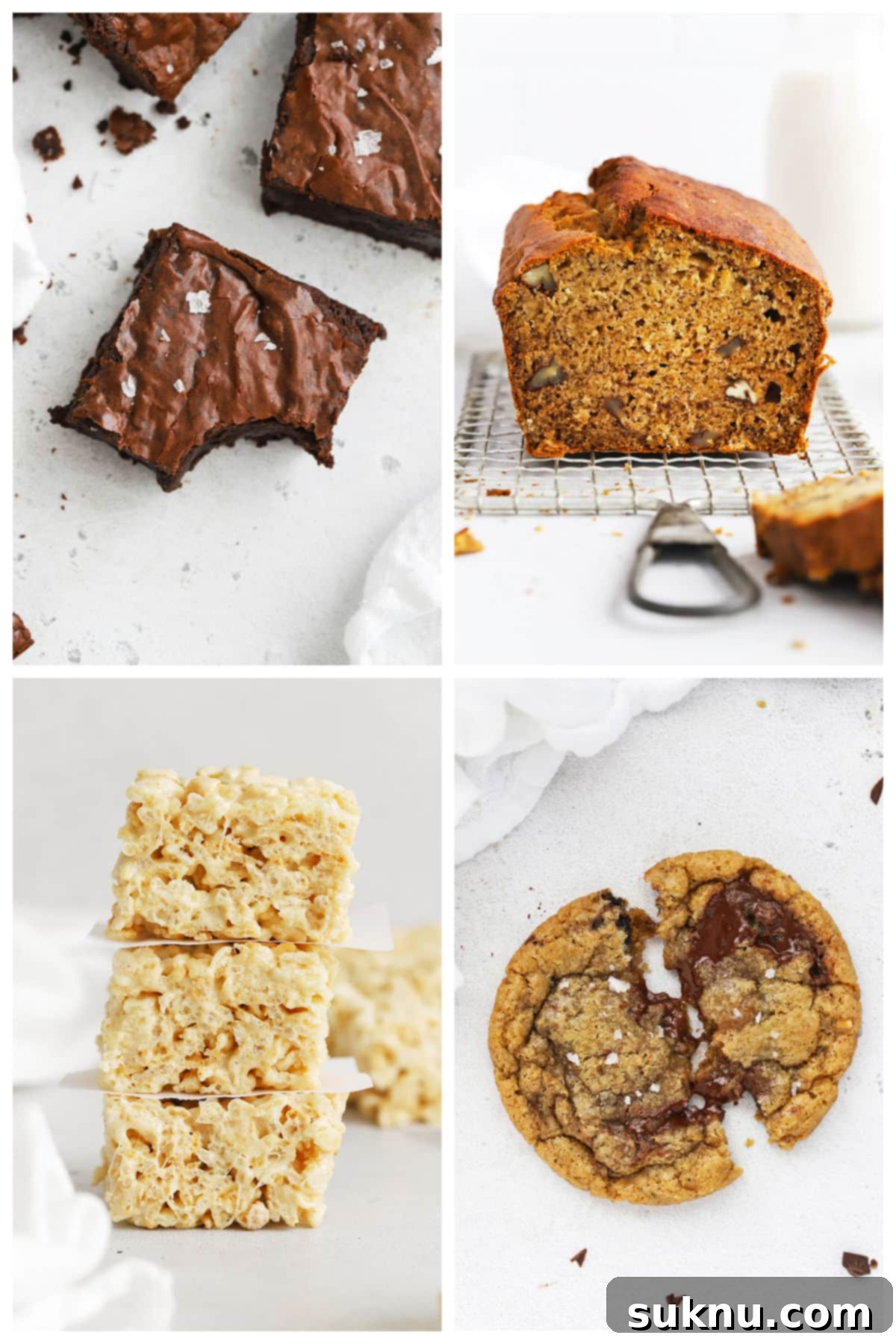
Unlock Culinary Magic: Delicious Ways to Use Brown Butter (Sweet & Savory!)
The true reward of mastering brown butter comes from incorporating its magnificent flavor into your cooking. Its rich, nutty, and caramelly notes are incredibly versatile, enhancing a wide range of both sweet and savory applications. While we admittedly have a soft spot for dessert recipes, the possibilities are truly endless!
- Elevate Baked Goods: Substitute brown butter for melted butter in any recipe. This simple switch adds an incredible depth to classics like Gluten-Free Brown Butter Chocolate Chip Cookies, Gluten-Free Brown Butter Brownies, or even your everyday vanilla cake.
- Irresistible Rice Krispie Treats: Take your favorite nostalgic treat to new heights by making the BEST Brown Butter Rice Krispie Treats. The browned butter adds a gourmet touch that’s surprisingly easy.
- Savory Enhancer: Drizzle over roasted vegetables like butternut squash, green beans, or asparagus for a gourmet side dish. It also transforms mashed potatoes, giving them a rich, complex flavor.
- Breakfast & Brunch Boost: Stir into pancake or waffle batter, or brush onto French toast for a delightful morning treat. It pairs beautifully with warm spices and fall flavors in recipes like Pumpkin Snickerdoodles, Brown Butter Banana Bread, or even a simple bowl of oatmeal.
- Decadent Frostings: Incorporate into frostings for a nutty, caramel twist. Try it in a Brown Butter Cream Cheese Frosting for carrot or zucchini cake, or whip up a luxurious Brown Butter Buttercream.
- Popcorn Perfection: Ditch regular melted butter and pour warm brown butter over freshly popped popcorn. The flavor explosion is truly addictive!
- Elevate Pasta Dishes: Brown butter is a classic pairing with pasta, especially when infused with fresh sage. Toss it with ravioli, tortellini, or any simple pasta for an incredibly flavorful and effortless meal.
- Gourmet Meats & Seafood: Use it to baste pan-seared scallops, flaky white fish, or even a perfectly cooked steak. The nutty richness complements proteins beautifully.
- Toasted Nuts & Granola: Toast nuts in brown butter before adding them to salads or desserts, or incorporate it into your homemade granola for an extra layer of flavor.
Frequently Asked Questions & Expert Tips for Perfect Brown Butter
Have more questions about brown butter? Here are answers to common queries and a few extra tips to ensure your brown butter endeavors are always successful.
Can You Refrigerate Brown Butter?
Absolutely! Brown butter can be stored in the refrigerator. Due to its composition, it will solidify, much like regular butter. You can use it in its solid form, or gently re-melt it over low heat if a liquid consistency is required for your recipe. Stored in an airtight container, brown butter will last well for at least 1 week in the refrigerator, and some sources even suggest it can keep for 2-4 weeks. Always use your best judgment regarding freshness, relying on smell and appearance.
Can You Substitute Brown Butter With Anything Else?
While you can certainly substitute regular melted butter for brown butter in recipes structurally (e.g., in batters or doughs), you will undeniably lose the distinct, complex, and rich caramel-nutty flavor that brown butter brings. There’s no direct substitute that perfectly replicates its unique taste profile. If a recipe specifically calls for brown butter, it’s because that flavor is integral to the dish’s character. If you want to achieve a deeper flavor without browning butter, consider using dark brown sugar instead of light brown sugar in recipes that already call for it, or adding a pinch of toasted nuts to mimic some of the nutty notes.
What Are Those Brown Flecks At The Bottom Of Brown Butter? Are They Bad?
Those wonderful little flecks, often resembling sediment at the bottom of your pan or bowl, are perfectly normal and are in fact the caramelized milk solids from the butter. These “brown bits” are packed with the delicious nutty and caramel flavors you’re aiming for! As long as they are a deep golden brown (not black and burnt) and the butter itself smells and tastes sweet and nutty, you’ve achieved perfection. Embrace these flavorful morsels – they are a sign of a job well done!
Do You Have to Strain Brown Butter?
Generally, no, you do not have to strain brown butter. The caramelized milk solids are where much of the incredible flavor resides, and leaving them in enhances both the taste and texture of many dishes. Some recipes might specify straining brown butter for purely aesthetic reasons, especially if a silky-smooth appearance is desired, such as in certain delicate sauces. However, for most applications, like cookies, brownies, or savory drizzles, those little brown bits are a welcome addition. I rarely strain my brown butter, as I adore their delightful crunch and concentrated flavor. Ultimately, it’s a matter of personal preference and the specific requirements of your recipe.
What Kind of Butter is Best for Browning?
For best results, use unsalted butter. This gives you complete control over the final salt content of your dish. While salted butter can be browned, it can sometimes become too salty or develop a slightly off-flavor during the cooking process. High-quality butter with a higher butterfat content will also yield a richer, more flavorful brown butter.
Can I Burn Brown Butter? How Can I Avoid It?
Yes, brown butter can go from perfectly golden to burnt in a blink! The key to avoiding this is constant vigilance and knowing when to pull it off the heat. Use a light-colored pan, stir frequently, and pay close attention to the smell. The moment it develops that deep nutty, caramel aroma and the milk solids turn golden brown, remove it immediately from the heat and transfer it to a cool bowl to stop the cooking process. If it smells acrid or looks black, it’s unfortunately burnt and should be discarded. Don’t worry, even experienced chefs have burnt a batch or two!
More Baking Tips To Try
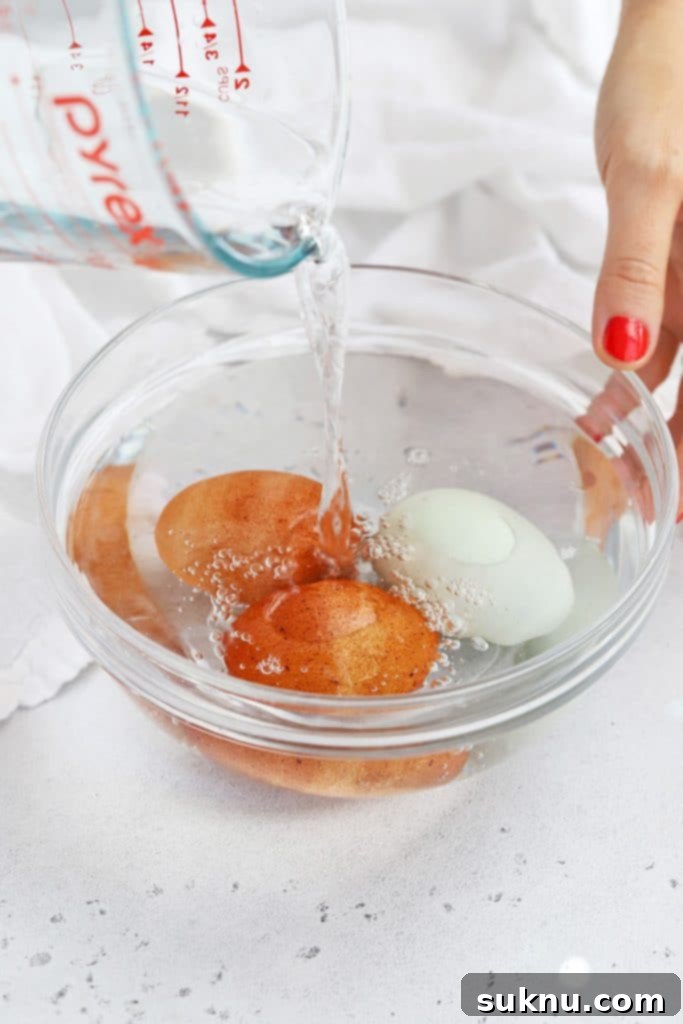
How to Get Eggs To Room Temperature Quickly
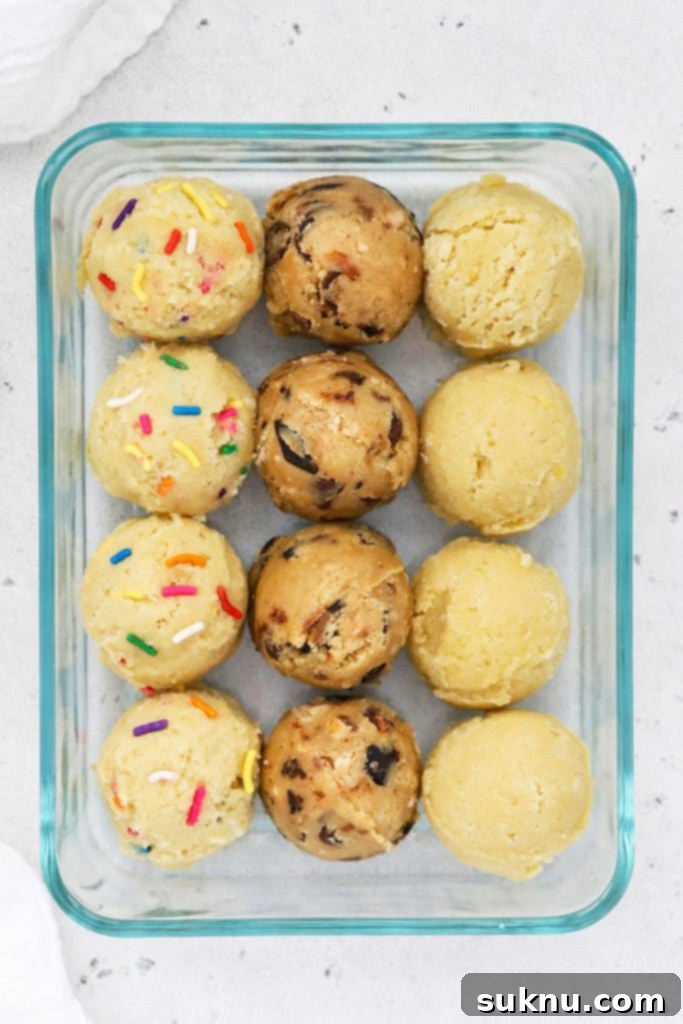
How to Freeze Cookie Dough
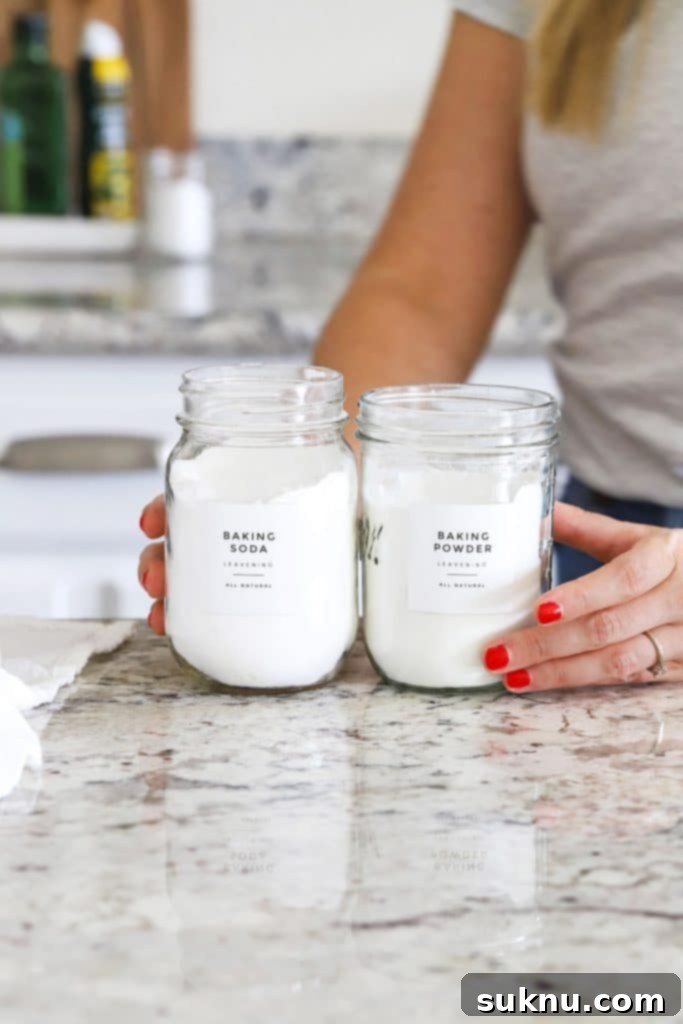
How to Test If Baking Soda & Baking Powder Are Fresh
Recipe Card
Did you make this recipe?
Leave a star rating below when you try our Brown Butter recipe! We can’t wait to hear how it goes!
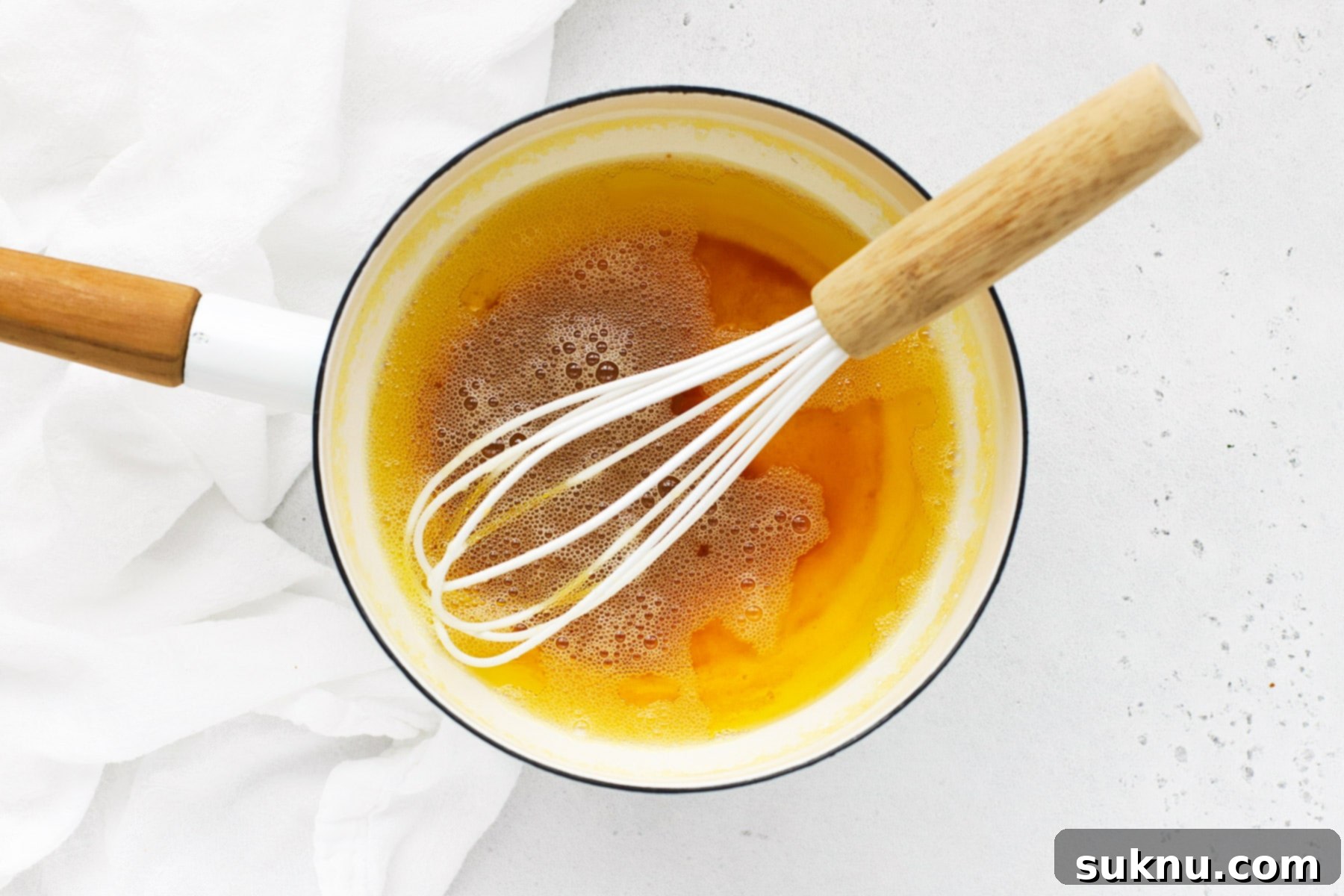
How to Brown Butter
Print
Pin
Rate
Equipment
- 1 Light Colored Saucepan It’ll be easier to see the color of the butter in a light-colored pan
- 1 Whisk
Ingredients
- ½ cup butter more or less, as called for in your recipe
Instructions
- Add butter to the saucepan or a skillet (preferably one with a heavy bottom)
- Whisking or stirring continuously, melt the butter over medium or medium-low (depending on how hot your stove runs–you don’t want it to burn!)
- Once the butter is melted, continue stirring. After 6-8 minutes, the butter will begin to foam and bubble. Pay attention to how the butter looks and smells here, as it can go from browned to burned fairly quickly.
- When the butter looks deeply golden and you can see that the butter solids are starting to brown, remove the pan from the heat. (The butter will continue cooking in with the residual heat of the hot pan, so transfer it to a heatproof bowl to cool down or pull it off the heat a minute before you think it’s fully done.)
- Use right away or refrigerate to use later! Brown butter will keep in an airtight container in the fridge up to 2 weeks. (No need to strain out the little brown bits, unless your recipe calls for it.)
Notes
- LOOK: The butter will foam slightly on top, and after a few minutes of foaming, you’ll notice that the butter underneath has a deeper more golden, almost honey-colored tone.
- SMELL: It should smell slightly sweet and fragrant. It won’t smell like movie theater popcorn butter any more. Instead, it’ll have sweeter notes, almost like brown sugar or caramel.
- TASTE: If you carefully taste a tiny bit (it’s hot!), you’ll taste caramel-y or nutty notes.
Video
Find the recipe:
sweetsandthankyou.com/brown-butter/