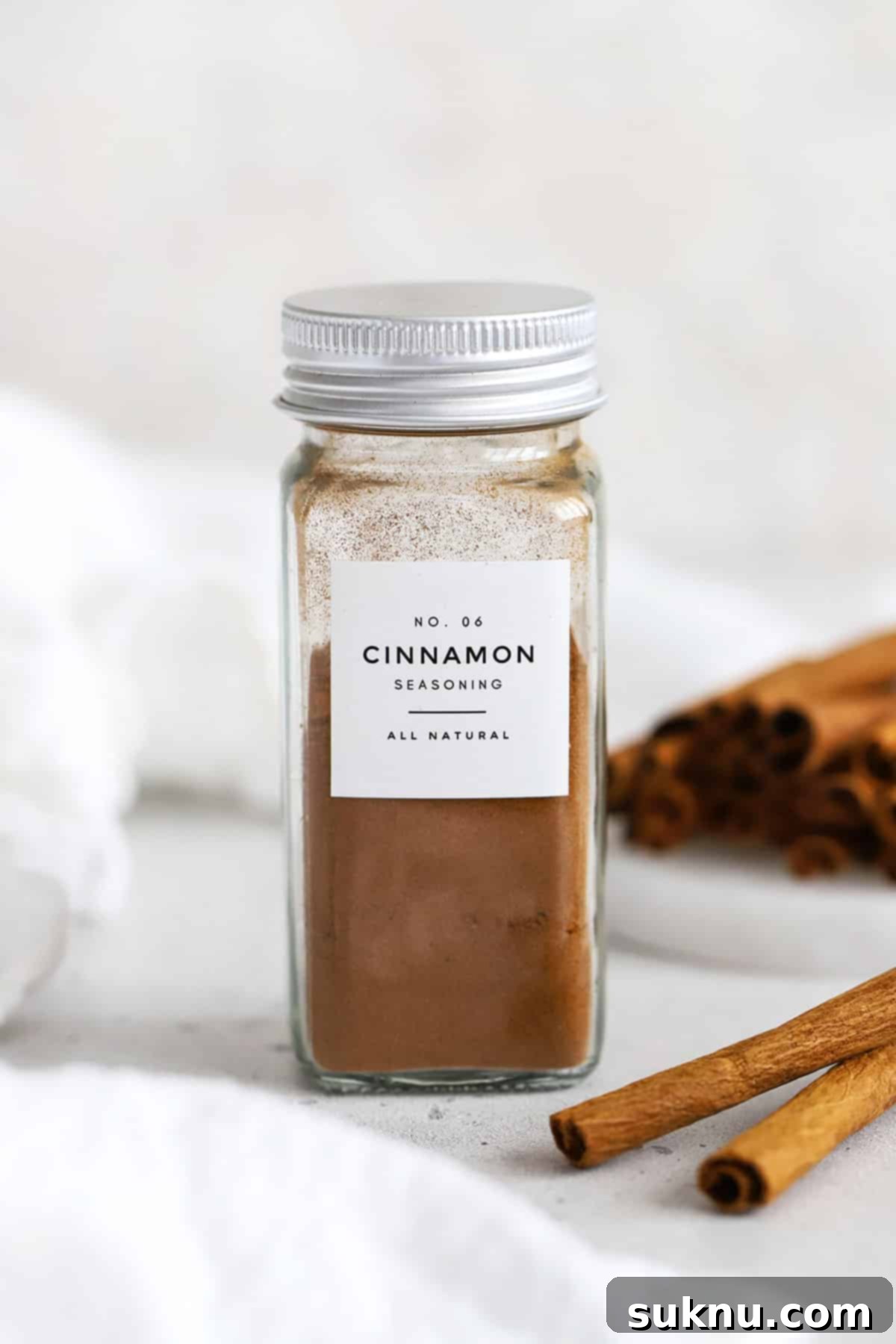
Is Cinnamon Gluten-Free? Your Ultimate Guide to Safe Spices
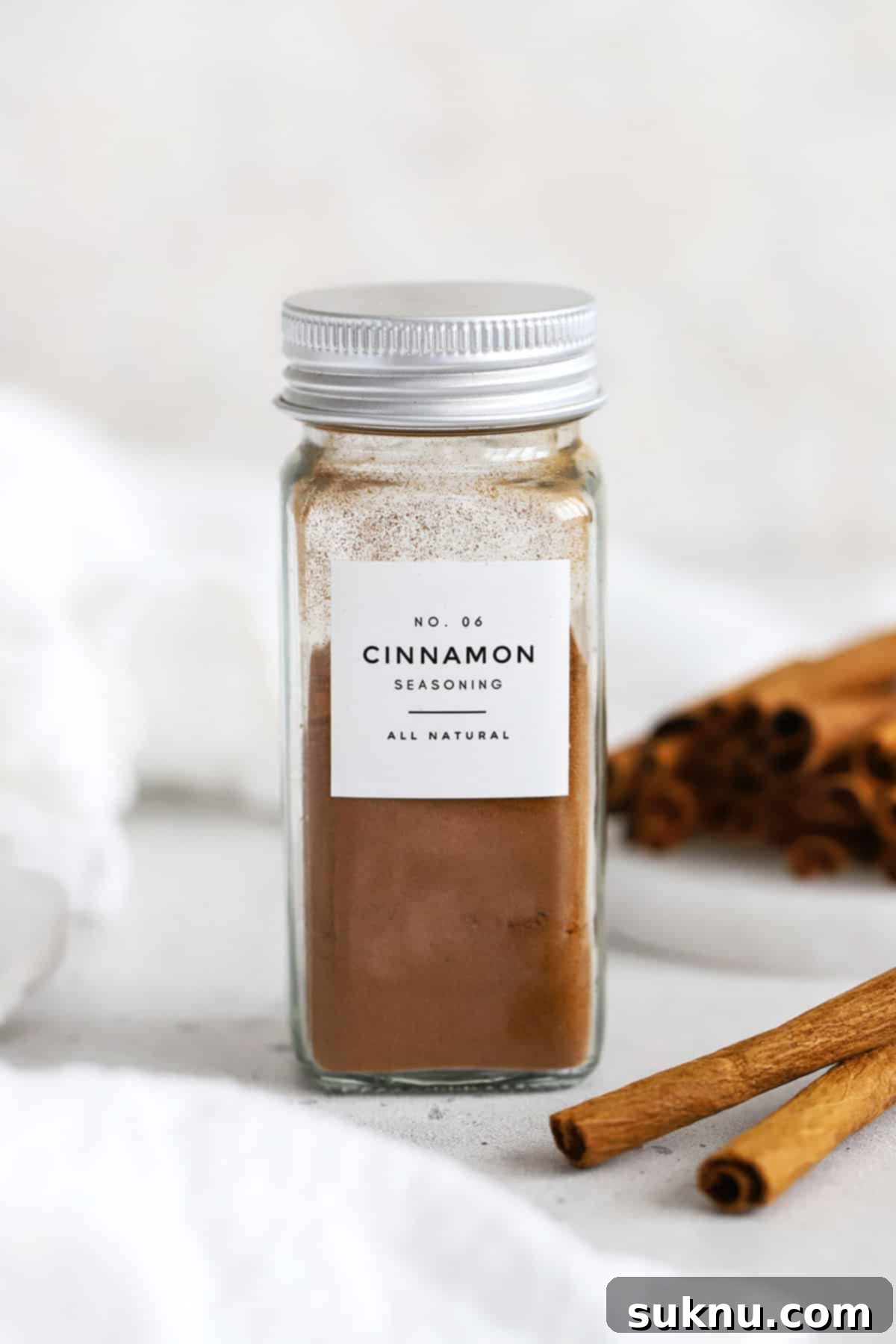
As the holiday season approaches and the aroma of freshly baked goods fills our homes, cinnamon takes center stage. From delightful gluten-free snickerdoodles and warm cinnamon buns to festive ginger cookies and rich cupcakes with cinnamon cream cheese frosting, this beloved spice adds a magical touch to countless recipes. Its versatility extends beyond sweet treats, enhancing savory dishes like curries and even turkey brines for a comforting, aromatic experience.
If you’re embracing the joy of gluten-free baking for yourself or preparing a thoughtful meal for a friend or family member with celiac disease or gluten sensitivity, a common question might arise: “Is cinnamon gluten-free?” It’s a valid and important query, and we’re here to provide clarity. Understanding the ingredients in your pantry is a crucial step towards ensuring a safe and delicious gluten-free diet.
Today, we’re diving deep into everything you need to know about cinnamon and its gluten-free status. We’ll guide you through identifying safe cinnamon products at the grocery store, understanding label claims, and distinguishing between different types of cinnamon. Get ready to bake and cook with confidence, knowing your favorite spice is truly gluten-free!
Here’s what you need to know about gluten-free cinnamon:
Gluten-Free Cinnamon: Quick Overview
- What Exactly is Cinnamon?
- Is Ground Cinnamon Naturally Gluten-Free?
- Are Cinnamon Sticks Gluten-Free?
- Choosing Gluten-Free Cinnamon Brands
- Navigating Gluten-Free Spices: FAQs
- Identifying Gluten-Free Cinnamon on Labels
- Understanding Spice Certifications
- Ceylon vs. Cassia: Are Both Gluten-Free?
- Cross-Contamination Concerns with Spices
- Beyond Cinnamon: Other Gluten-Free Spices
- Delicious Gluten-Free Recipes Featuring Cinnamon
- More Essential Gluten-Free Baking Tips
What Exactly is Cinnamon?
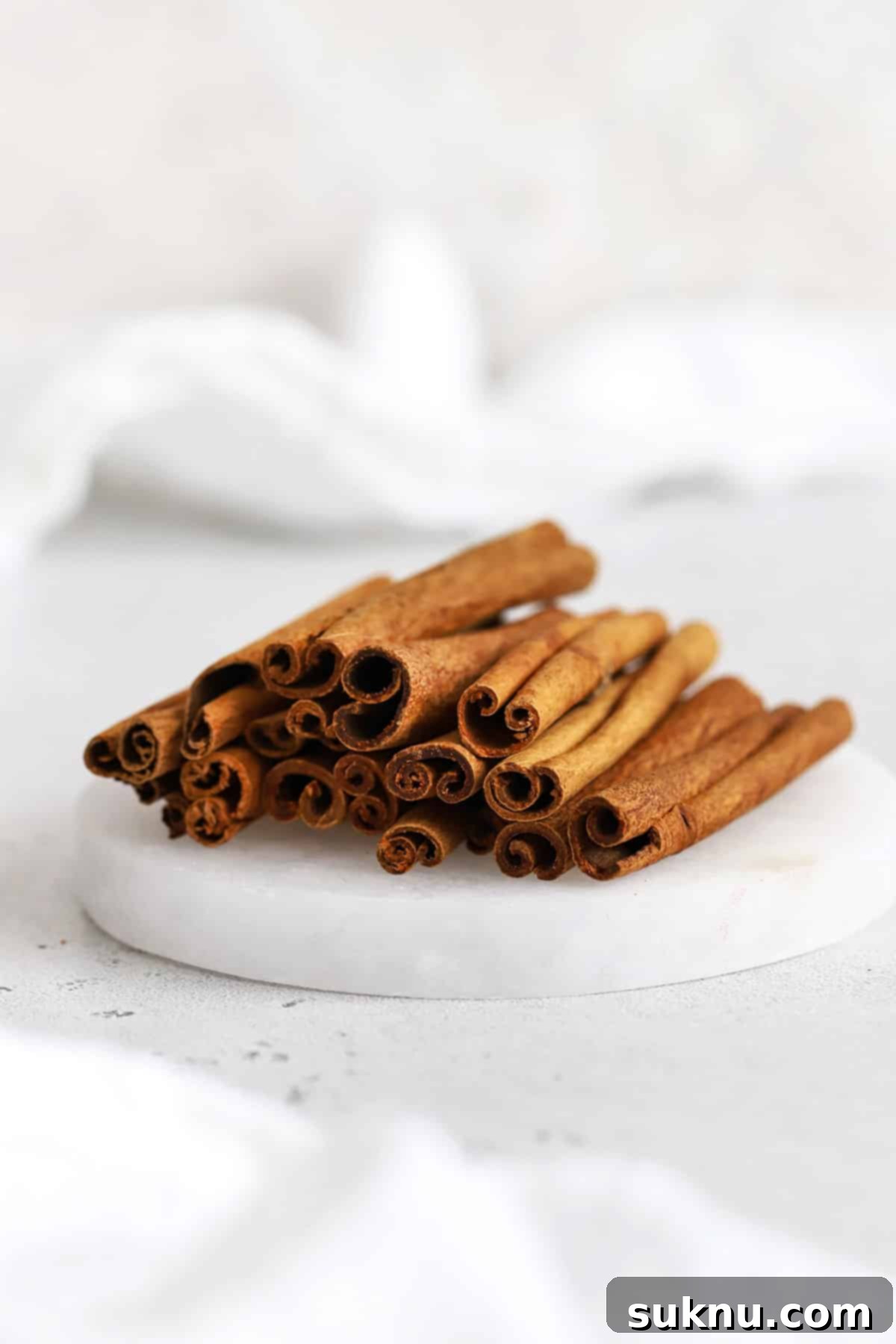
Before we delve into its gluten status, let’s briefly understand what cinnamon is. Cinnamon is a spice obtained from the inner bark of several tree species from the genus Cinnamomum. The bark is peeled, dried, and then curls into rolls known as cinnamon sticks. These sticks can then be ground into the powdered form we commonly use in cooking and baking. It’s a natural product, originating directly from a plant, which is key to its inherent gluten-free nature.
Is Ground Cinnamon Naturally Gluten-Free?
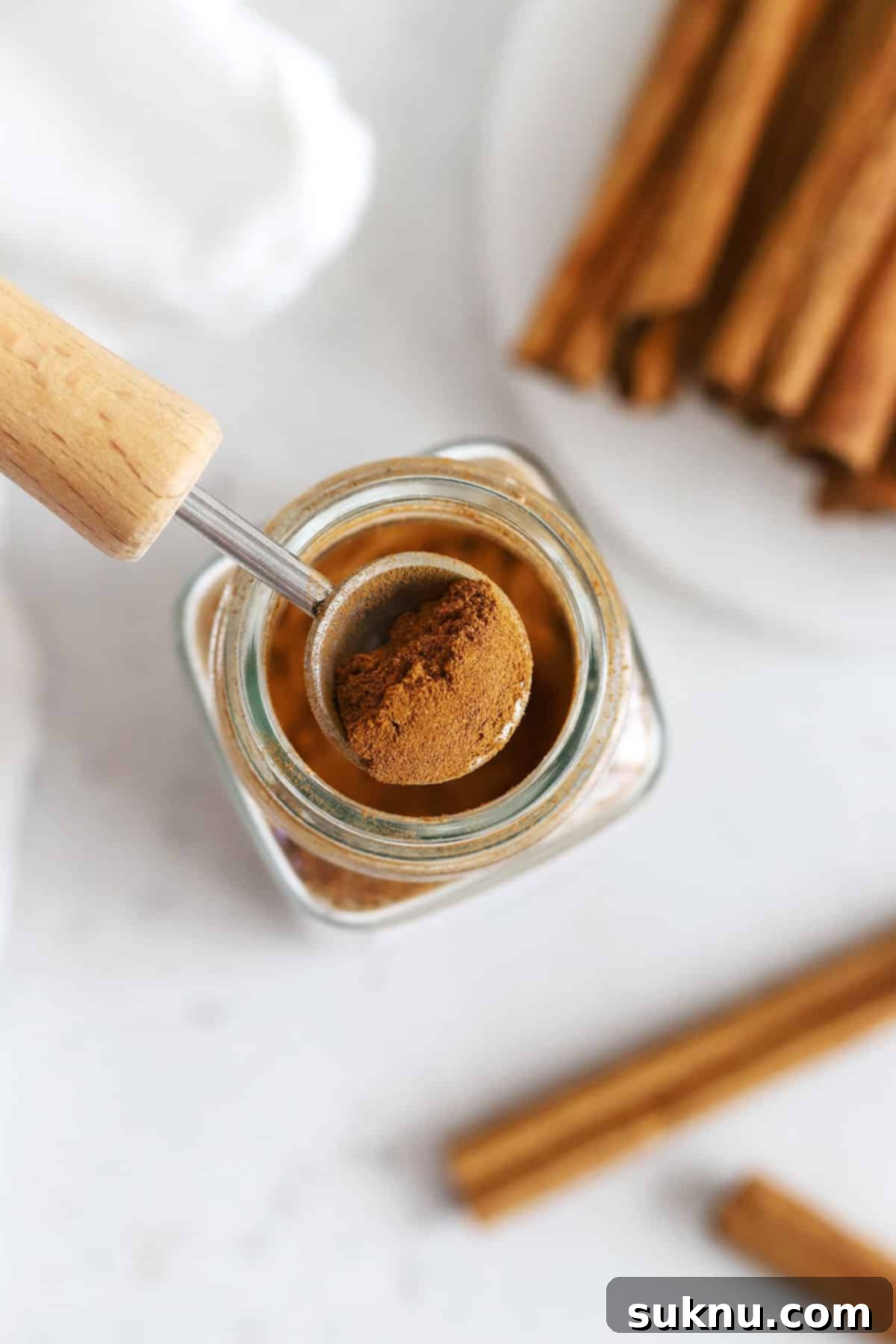
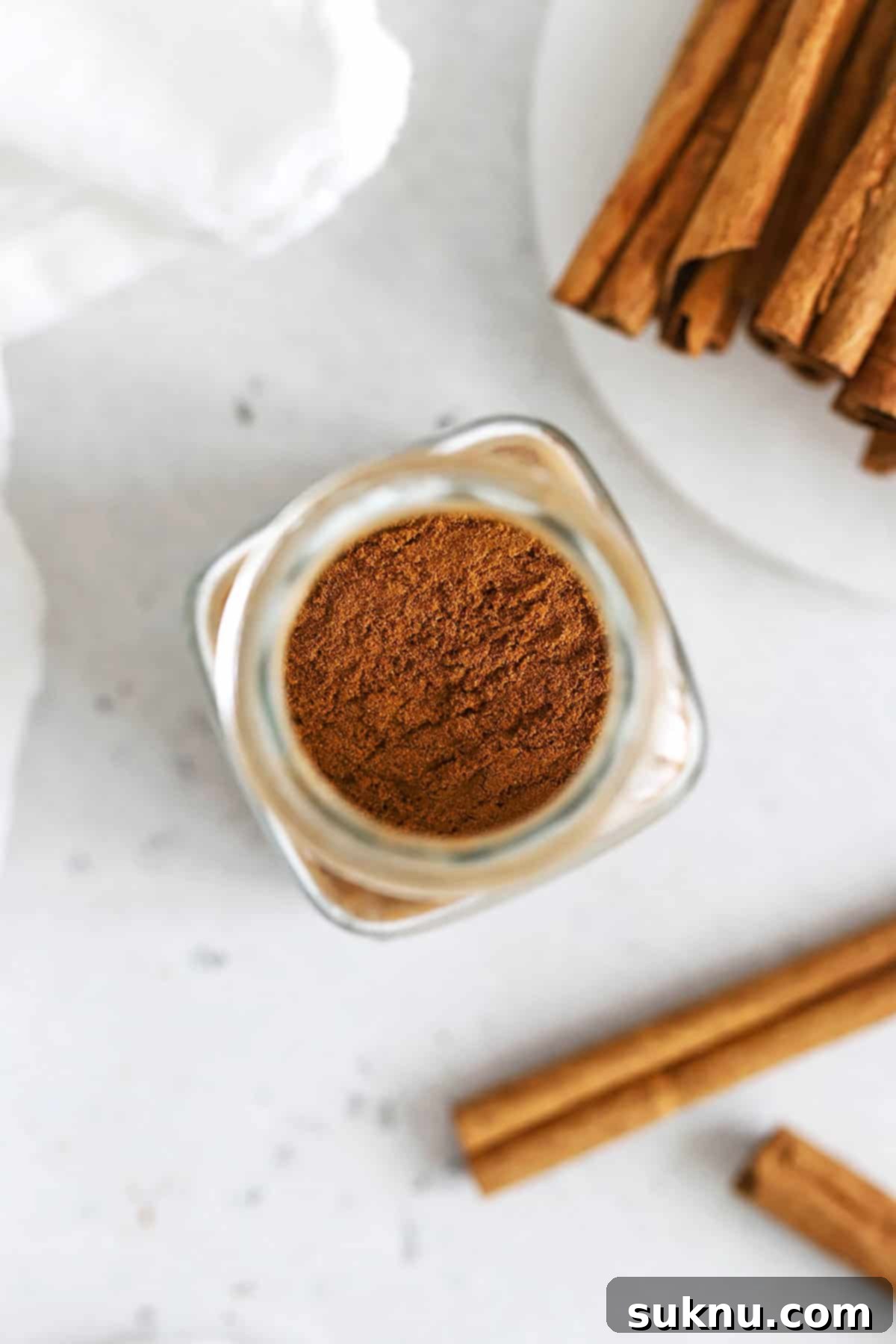
Yes, absolutely! Pure ground cinnamon is naturally gluten-free. It is simply the pulverized bark of a cinnamon tree and, in its purest form, contains no gluten ingredients or wheat-based components. This means that if you pick up a jar of ground cinnamon that lists “cinnamon” as its sole ingredient, it is considered safe for individuals with celiac disease, non-celiac gluten sensitivity, gluten intolerance, and wheat allergies.
The beauty of single-ingredient spices like cinnamon is their simplicity. They come directly from nature, untouched by gluten-containing grains like wheat, barley, or rye. This natural purity makes them a staple in any gluten-free kitchen, allowing you to add rich, warm flavor to your dishes without worry.
Are Cinnamon Sticks Gluten-Free?
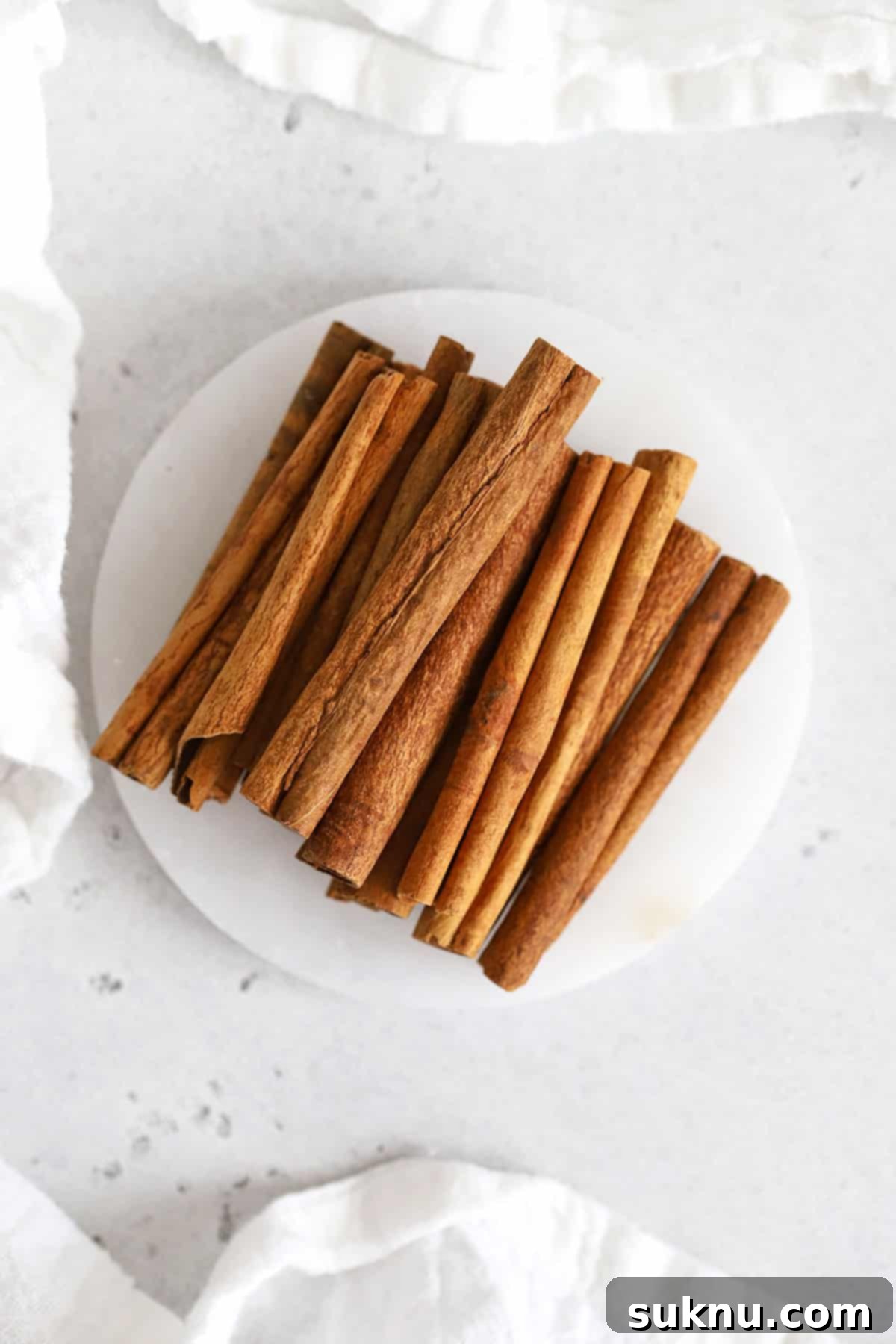
Yes, just like their ground counterpart, cinnamon sticks are also naturally gluten-free. These fragrant quills are simply dried pieces of cinnamon bark, with no added ingredients. When purchasing cinnamon sticks, always ensure they are indeed single-ingredient products with no other additives listed. This is generally true for most whole spices, which typically maintain their natural, gluten-free state.
Choosing Gluten-Free Cinnamon Brands
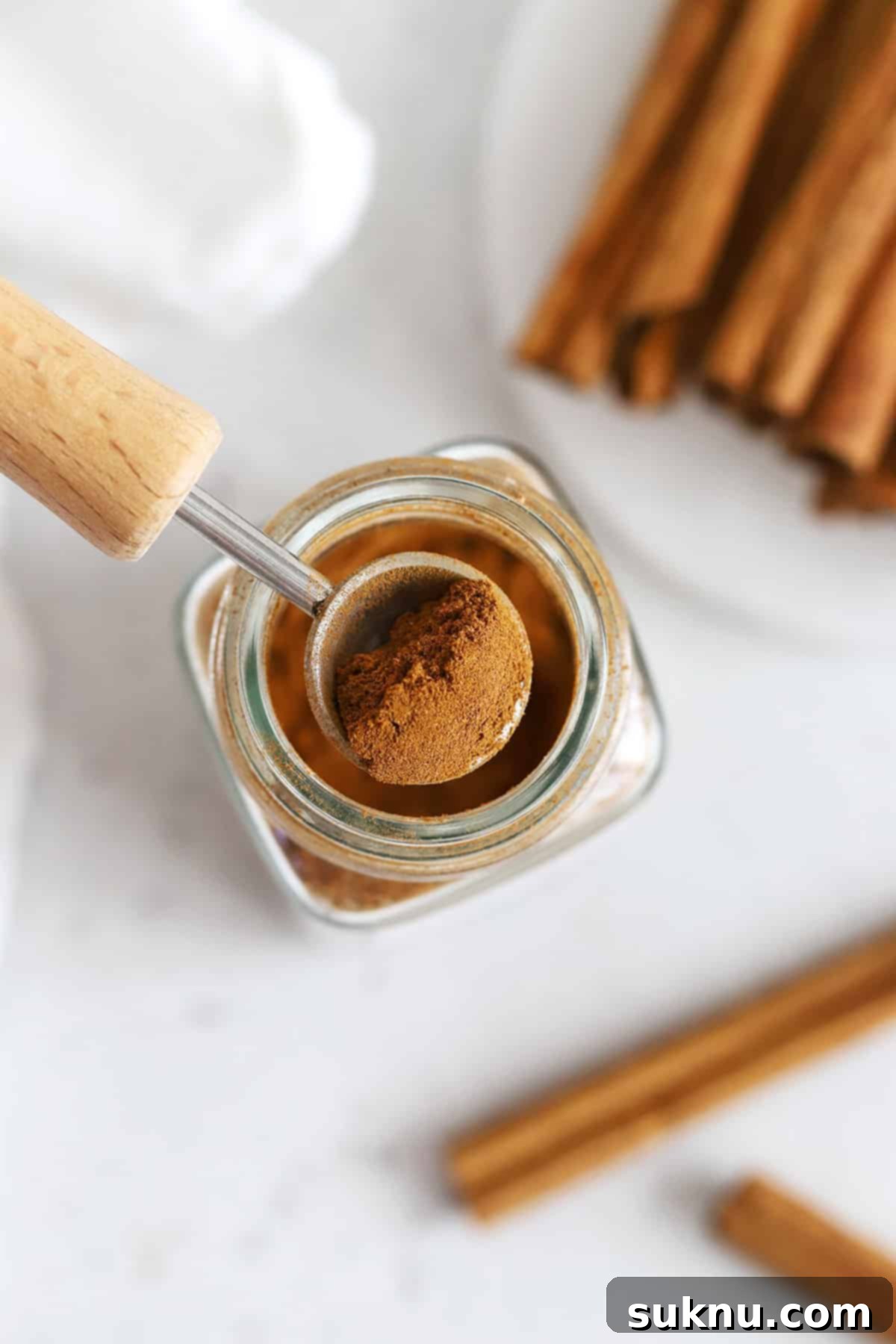
The excellent news for gluten-free consumers is that the vast majority of cinnamon brands on the market are indeed gluten-free. The key is to always look for pure, single-ingredient spices. If the ingredient list simply states “cinnamon,” you’re generally in the clear. Many brands prioritize clean labeling, making it easy to spot safe choices.
Here are some of our favorite reputable brands that offer gluten-free cinnamon, widely available in most grocery stores and online:
- Simply Organic – A highly regarded brand known for its organic and gluten-free spices. They offer a variety including Ceylon cinnamon, cinnamon sticks, and their popular ground Korintje/Indonesian cinnamon.
- Frontier Co-Op – Another excellent choice for quality, organic spices. They provide Ceylon, Vietnamese, and Korintje Cinnamon, along with cinnamon sticks.
- Burlap & Barrel – For the spice connoisseur, this brand offers exceptional quality single-origin spices directly from smallholder farmers, ensuring purity and superior flavor.
- McCormick Organic – A widely accessible and trusted brand. Their organic line is a reliable option, including Saigon cinnamon sticks.
- Spice Islands – Known for premium spices and clear labeling.
- McCormick Cinnamon – The classic McCormick brand is budget-friendly and available almost everywhere, typically a safe bet for pure cinnamon.
- Watkins – A long-standing brand offering quality spices.
- Whole Foods 365 – Their organic and conventional cinnamon varieties are great choices from a trusted retailer.
- Good & Gather (Target brand) – A popular store brand offering dependable pantry staples.
- Kirkland (Costco brand) – Known for large quantities and good value, their cinnamon is generally a safe option.
- Simple Truth Organic (Kroger brand) – Another excellent store-brand choice for organic and gluten-free products.
WE ♥ CLEAN LABELS & PURE SPICES!
Navigating Gluten-Free Spices: FAQs
How Do You Know If Cinnamon Is Gluten-Free?
The most important step is to read the ingredient list carefully. For pure cinnamon, whether ground or in stick form, the label should ideally list only one ingredient: “cinnamon.” This simplicity is your best indicator of a gluten-free product.
Be cautious of any products that list additional ingredients. While most are harmless, some brands might include anti-caking agents (like silicon dioxide), silicates (such as calcium silicate), or other preservatives. In rare instances, these additives could potentially be derived from wheat starch or processed on shared equipment, increasing the risk of cross-contamination. While this is uncommon for pure cinnamon, it’s a critical consideration for spice blends or products with longer ingredient lists. Prioritizing single-ingredient spices minimizes this risk.
Additionally, always check for allergen statements on the packaging. The presence of a “contains wheat” or “may contain wheat, rye, barley, etc.” warning is a clear sign to avoid the product if you’re following a strict gluten-free diet. If no such warning is present and the ingredient list is clean, it’s generally considered safe.
Are Spices Certified Gluten-Free?
While the vast majority of pure herbs and spices are naturally gluten-free, few spice brands pursue official “certified gluten-free” status. This is primarily due to the rigorous and often expensive testing and auditing processes required to obtain such a designation. To be certified gluten-free in the U.S. (according to FDA guidelines), a product must contain less than 20 parts per million (ppm) of gluten, and manufacturers must adhere to strict good manufacturing practices to prevent cross-contamination.
However, manufacturers are legally obligated to disclose major allergens on their packaging. Therefore, if you don’t see a “contains” statement (e.g., “contains wheat ingredients”) or a “may contain” advisory (e.g., “may contain wheat, rye, barley”), and the ingredient list consists only of “cinnamon,” it is highly likely to be gluten-free. For those with celiac disease or severe gluten sensitivities, consulting resources like the Celiac Disease Foundation’s label-reading guide and tips from the Gluten Intolerance Group can provide invaluable assistance in navigating gluten-free claims and making informed choices.
What Are The Different Kinds Of Cinnamon? Are They All Gluten-Free?
- Ceylon Cinnamon – Often referred to as “true cinnamon” or Cinnamomum verum, Ceylon cinnamon originated in Sri Lanka (formerly Ceylon). It’s known for its delicate, sweet, and complex flavor profile with citrus notes. The bark is thin and fragile, hand-rolled into multiple layers, making it softer and easier to grind. Culinary experts often recommend Ceylon for its superior flavor, especially in desserts and lighter dishes. It’s sometimes sold as “canela” or “Mexican cinnamon.”
- Cassia Cinnamon – This is the most common type of cinnamon found in North American grocery stores. It’s a broader category that includes several varieties, such as Chinese, Indonesian (Korintje), and Saigon (Vietnamese) cinnamon. Cassia cinnamon has a stronger, spicier, and more pungent flavor compared to Ceylon, with a thicker, coarser bark that usually curls into a single, tighter scroll. Indonesian Cassia (Korintje) is the most prevalent type in the U.S., while Saigon (Vietnamese) is prized for its exceptionally high oil content and intense aroma.
- Both types of cinnamon—Ceylon and all varieties of Cassia—are naturally gluten-free and perfectly safe for individuals following a gluten-free diet. The difference lies in their flavor, aroma, and texture, not their gluten content.
Cross-Contamination Concerns with Spices
While pure cinnamon is naturally gluten-free, the risk of cross-contamination in manufacturing or packaging facilities is a legitimate concern for those with severe gluten sensitivities or celiac disease. Spices can be processed on equipment shared with gluten-containing ingredients, or they might be stored in facilities where airborne gluten particles are present. To minimize this risk:
- Opt for Certified Gluten-Free Brands: If available and your sensitivity is high, look for brands that explicitly state “certified gluten-free” on their packaging.
- Buy from Reputable Brands: Established spice companies often have stricter quality control and may have dedicated lines or rigorous cleaning protocols.
- Check for “Allergen-Free” Statements: Some brands will specify that their products are processed in facilities free from common allergens, including wheat.
- Be Mindful of Bulk Bins: While tempting, buying spices from bulk bins carries a higher risk of cross-contamination from shared scoops or airborne particles. It’s generally safer to purchase pre-packaged spices.
- Kitchen Storage: In your own kitchen, store gluten-free spices separately from gluten-containing ones, especially if sharing a kitchen with non-gluten-free items. Use separate measuring spoons for each if possible.
Beyond Cinnamon: Other Gluten-Free Spices
The good news extends beyond cinnamon! Most other single-ingredient spices are also naturally gluten-free. This includes popular choices like paprika, cumin, turmeric, ginger, cloves, nutmeg, black pepper, and chili powder (when it’s pure chili pepper, not a blend). The same rules apply: always check the ingredient list for purity and be wary of spice blends, which are more likely to contain anti-caking agents, fillers, or seasonings that might include gluten.
Delicious Gluten-Free Recipes For Cinnamon Lovers:
Now that you’re confident about cinnamon’s gluten-free status, it’s time to get baking! Here are some fantastic recipes where cinnamon truly shines:
- The BEST Gluten-Free Pumpkin Bars: Spiced with cinnamon and nutmeg, these moist pumpkin bars are perfect for autumn gatherings.
- Gluten-Free Brown Butter Snickerdoodles: A classic cookie elevated with nutty brown butter and a generous cinnamon-sugar coating.
- Gluten-Free Apple Spice Bundt Cake: A beautifully spiced cake, bursting with apple flavor and warming cinnamon notes.
- Easy Cinnamon Almonds: A crunchy, sweet, and spicy snack that’s addictive and simple to make.
- Whipped Cinnamon Butter (Cinnamon Honey Butter): Perfect for spreading on toast, muffins, or sweet potatoes.
- (UnFried) Gluten-Free Fried Ice Cream: Get all the flavor of this dessert without the fuss, featuring a delicious cinnamon-crunch coating.
- Easy Cinnamon Tea – Detoxinista: A comforting, aromatic beverage perfect for chilly evenings.
More Essential Gluten-Free Baking Tips To Try:
-
Are Rice Krispies Gluten-Free? Learn about this breakfast cereal’s gluten status. -
Are Graham Crackers Gluten-Free? Discover if this classic snack fits a gluten-free diet. -
What Oreos Are Gluten-Free? Find out which popular cookies are now safe for gluten-free diets. -
Are M&Ms Gluten-Free? Get the facts on your favorite chocolate candies. -
Are Marshmallows Gluten-Free? Essential info for s’mores and dessert lovers. -
Are Corn Flakes Gluten-Free? Understand which breakfast cereals are safe.

We hope this comprehensive guide takes the guesswork out of finding gluten-free cinnamon and helps you feel more confident in your gluten-free kitchen. Enjoy the rich, warm flavors of cinnamon in all your favorite dishes, knowing you’re making safe and informed choices!