Mastering Lemon Zest: Your Essential Guide to Unlocking Vibrant Citrus Flavor
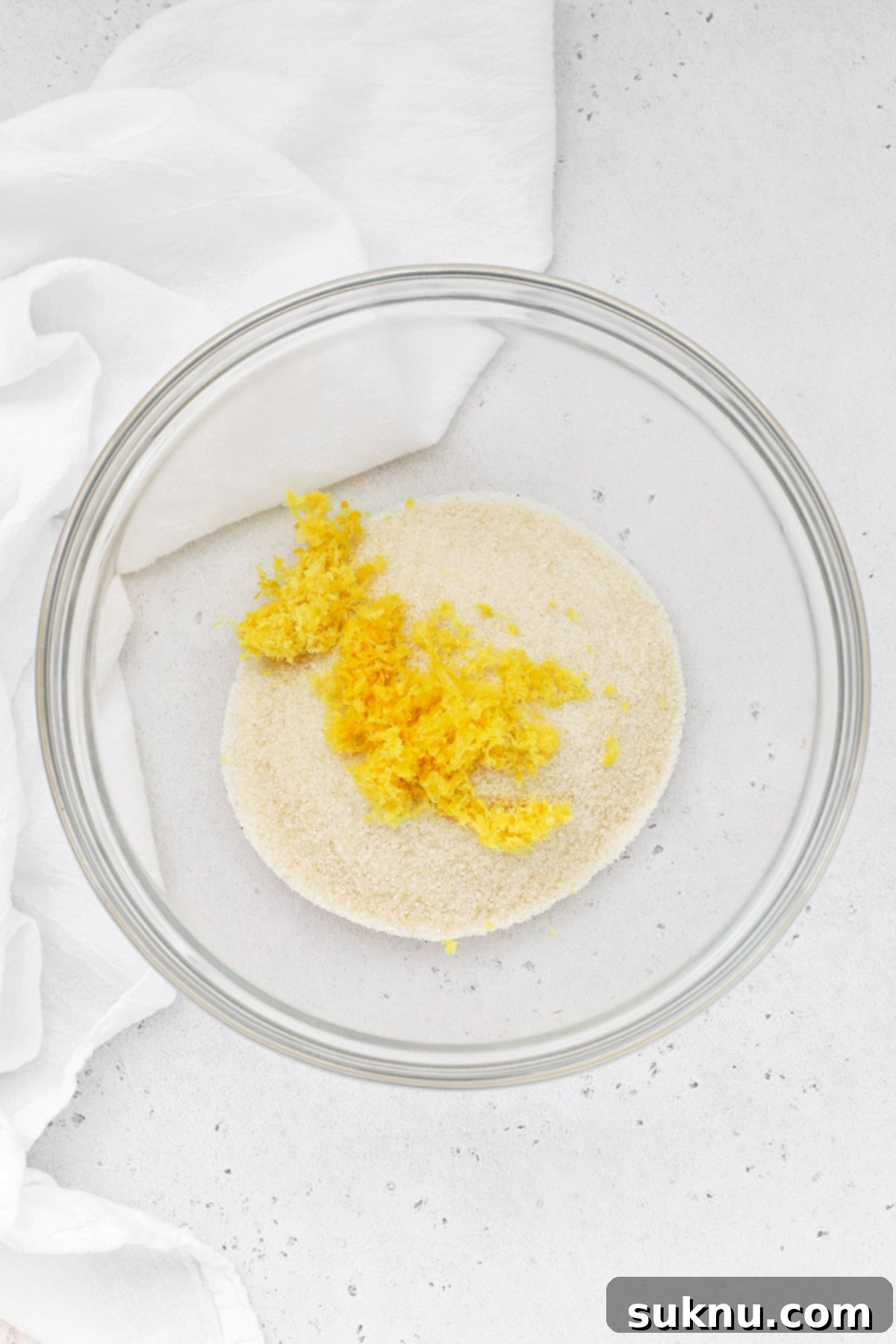
Lemon is a culinary superstar, celebrated for its bright, tangy, and invigorating flavor. While lemon juice gets much of the credit, it’s the lemon zest – the aromatic outer layer of the peel – that truly encapsulates the fruit’s essence. Packed with highly concentrated essential oils, lemon zest offers an unparalleled aromatic depth that elevates dishes from simple to spectacular.
Whether you’re an avid baker crafting delicate cookies and rich cakes, or a home cook adding a fresh twist to savory chicken, vibrant salads, or flavorful sauces, learning how to zest a lemon is a fundamental skill. It’s a super easy technique that instantly infuses your recipes with a burst of fresh, authentic lemon flavor without adding excess liquid or acidity.
Many of our favorite lemon-infused recipes achieve their irresistible brightness by leveraging both lemon zest and lemon juice. But if you’ve ever found yourself pondering “what does it mean to zest a lemon?”, “how much zest can I get from a single lemon?”, or “what exactly is lemon zest?”, you’re in the right place! This comprehensive guide will demystify lemon zesting, offering practical insights and techniques to help you master this simple yet impactful culinary trick for lemons and other citrus fruits.
What Exactly Is Lemon Zest?
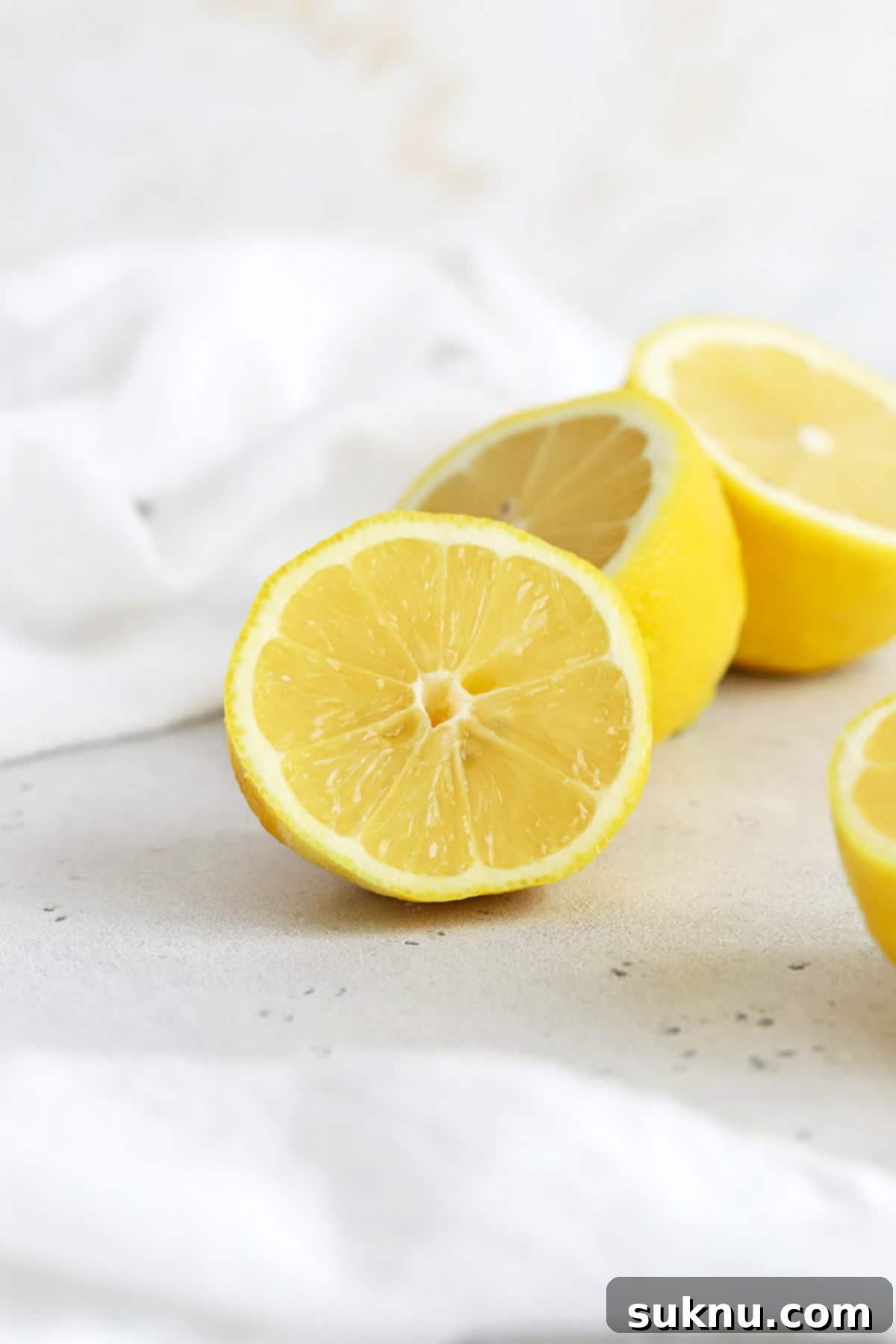
To truly appreciate lemon zest, it’s essential to understand what it is and what it isn’t. Lemon zest is the outermost, bright yellow layer of the lemon’s peel, also known as the rind. This thin, fragrant layer is absolutely bursting with natural lemon essential oils, which are responsible for the fruit’s distinctive aroma and intense flavor profile.
- Lemon Zest Defined: It is exclusively the vibrant yellow portion of the lemon peel. It’s porous and packed with flavor-carrying oils, making it a powerful ingredient in both sweet and savory applications.
- The Bitter Pith: Crucially, lemon zest does NOT include the white, spongy layer directly beneath the yellow rind. This white layer is called the “pith,” and it’s notoriously bitter. Accidentally including pith when zesting can impart an unpleasant, acrid taste to your dishes, so it’s vital to avoid it.
How Much Lemon Zest Can You Expect From One Lemon?
As a general guideline, a single medium-sized lemon typically yields approximately 1 Tablespoon of fine zest. However, this amount can vary based on the lemon’s size and ripeness. Larger lemons may provide a bit more, while smaller ones will offer slightly less. When a recipe calls for a specific amount of zest, it’s often best to have an extra lemon on hand just in case.
Why Incorporate Lemon Zest into Your Cooking and Baking?
Beyond its simple definition, lemon zest brings a unique set of benefits to your culinary creations that lemon juice alone cannot:
- Concentrated Flavor & Aroma: The essential oils in zest are highly concentrated, offering a more intense and complex lemon flavor than juice. It provides a deeper, more aromatic “lemony” essence.
- Brightening Effect: Zest has a remarkable ability to brighten other flavors in a dish, acting as a natural flavor enhancer without overpowering them.
- No Added Liquid: Unlike lemon juice, zest adds pure flavor without altering the liquid content or texture of your recipe, which is especially crucial in baking.
- Reduced Acidity: While flavorful, zest is significantly less acidic than lemon juice, making it perfect for dishes where you want lemon notes without the sharp tartness.
- Visual Appeal: Fine zest adds delicate flecks of bright yellow, enhancing the visual presentation of your food.
Mastering the Art: Different Ways to Zest a Lemon
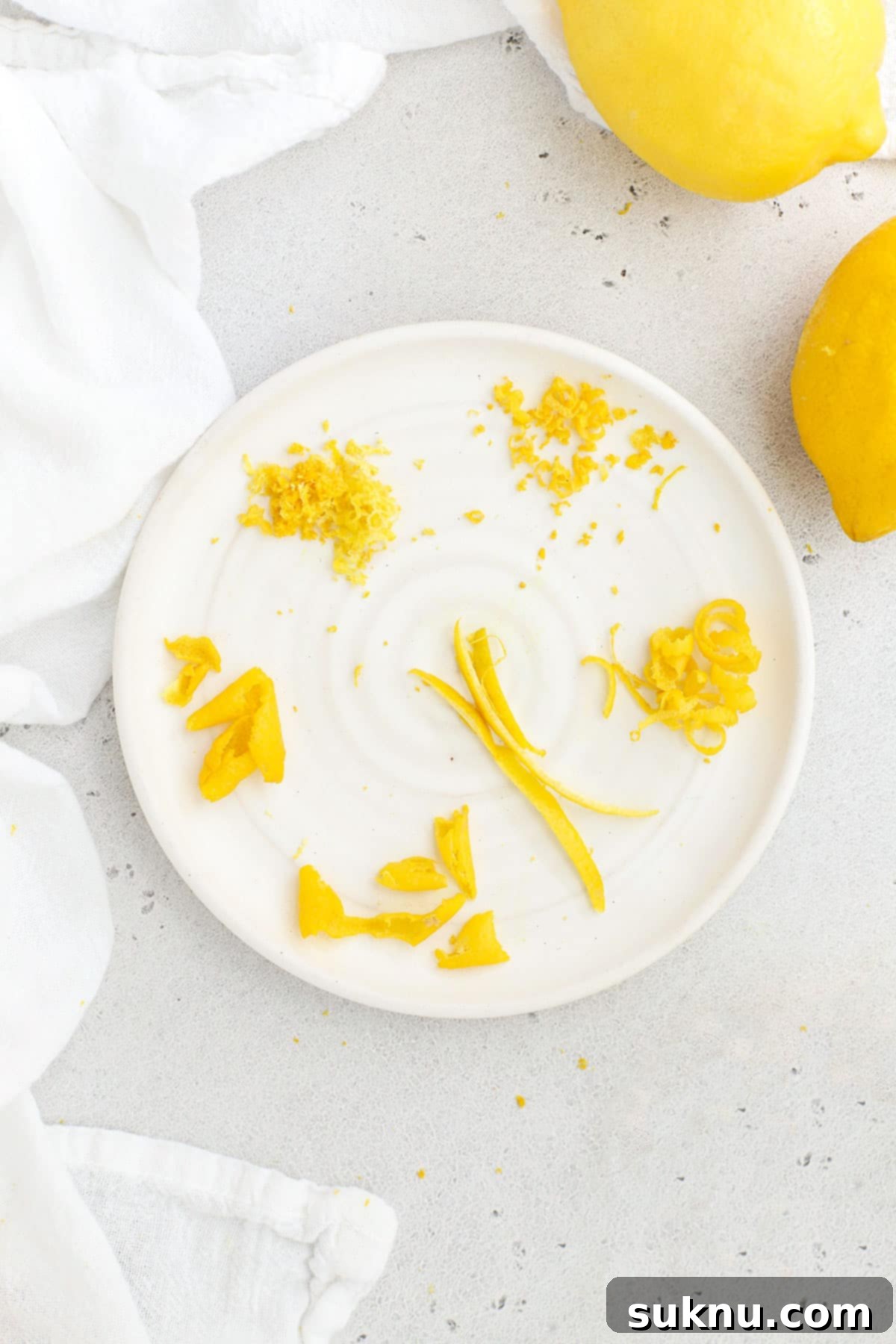
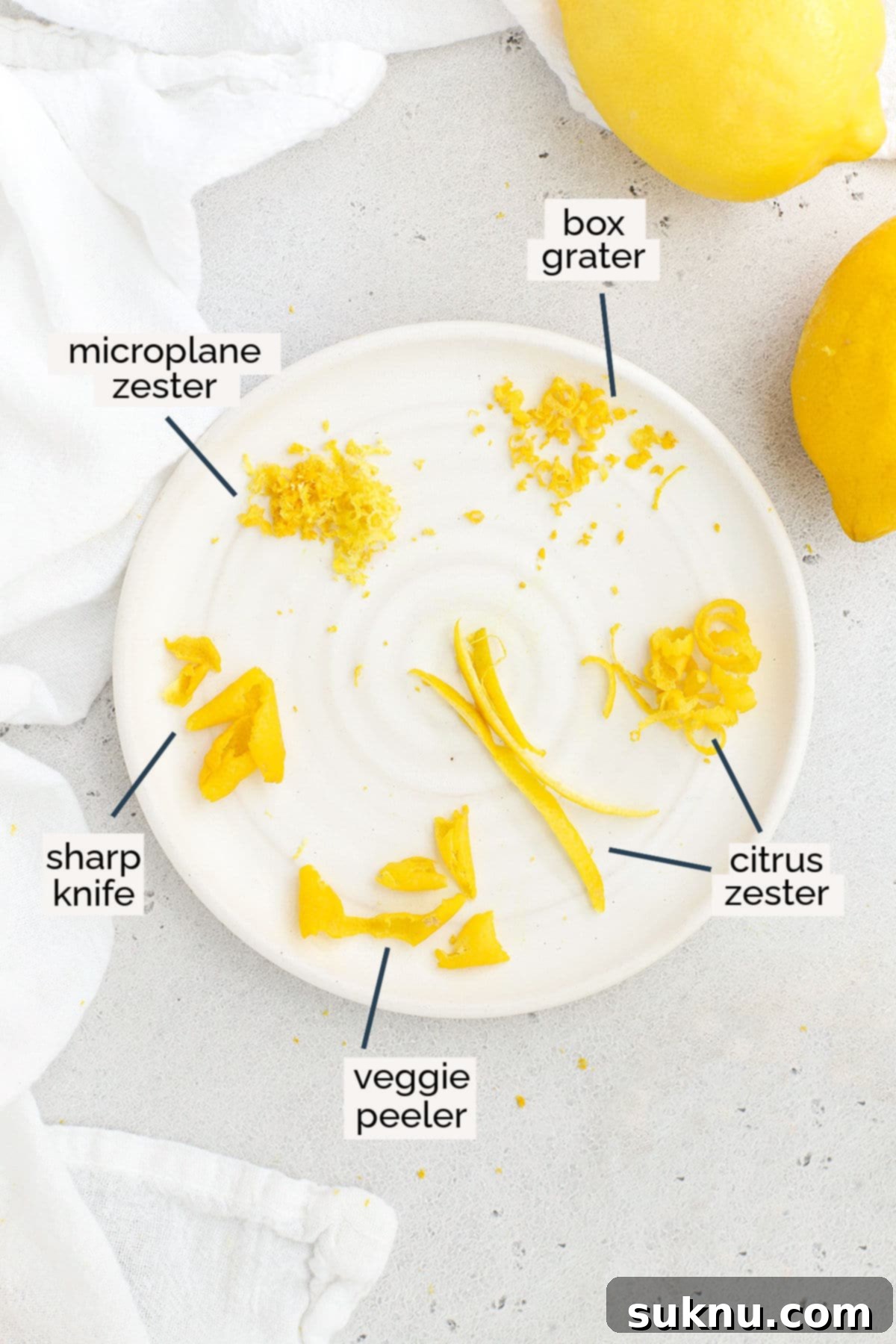
Now that you’re acquainted with what lemon zest is and its culinary benefits, let’s explore the various tools and techniques you can employ to extract this flavorful component. These methods are also applicable to zesting other citrus fruits like oranges, limes, and grapefruits. We’ll start with the easiest and most efficient options and move towards more challenging alternatives.
1. Using a Microplane Zester (The Easiest & Most Effective Method)
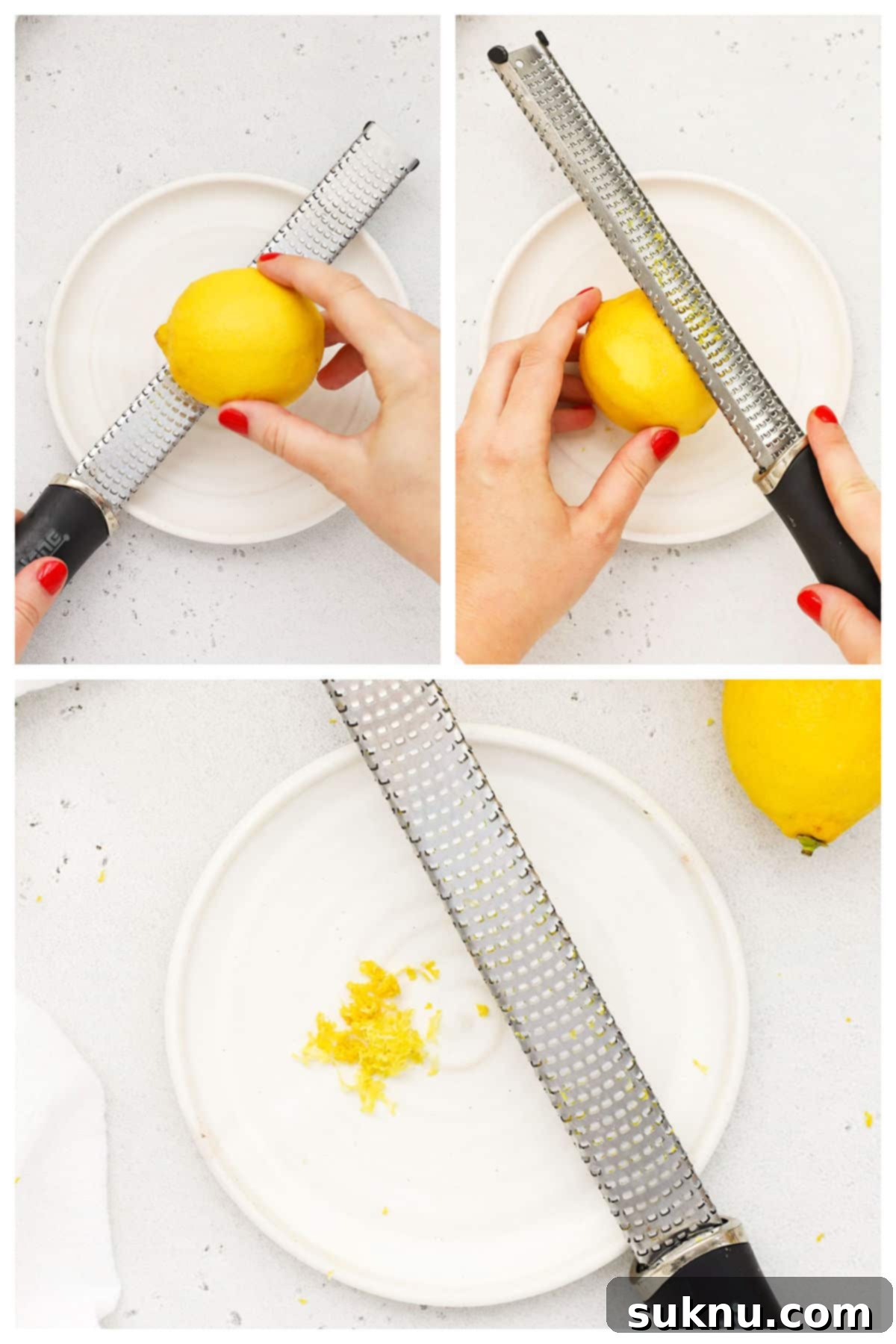
The microplane zester, often simply referred to by its brand name “Microplane” (similar to how “Kleenex” became synonymous with tissues), is hands-down the best tool for producing fine, fluffy zest with minimal effort and maximum flavor. Its razor-sharp, exceptionally fine teeth are designed to shave off only the colorful outer layer, leaving the bitter pith untouched.
**How to Zest with a Microplane:**
- Positioning: For optimal stability and visibility, hold the microplane zester at an angle, resting one end on a stable surface like a cutting board or countertop. Alternatively, you can hold the zester in one hand and the lemon in the other.
- The Zesting Motion: Gently but firmly draw the lemon across the zester’s blades, applying light pressure. Move the lemon in one direction, then lift it and rotate it slightly to a fresh patch of yellow peel.
- Avoid the Pith: The key is to stop zesting in a particular spot as soon as you see the white pith appearing. You want only the vibrant yellow zest.
- Collecting the Zest: The fine zest will collect on the underside of the microplane. Tap the zester against your hand or a bowl to release it. A small knife or spoon can help gently scrape off any stubborn bits.
**Pros of a Microplane Zester:**
- Produces incredibly fine, delicate zest that melts seamlessly into dishes.
- Minimizes the risk of getting bitter pith.
- Fast and efficient.
- Versatile for grating hard cheeses, ginger, nutmeg, and chocolate.
**Cons of a Microplane Zester:**
- Can be very sharp, requiring careful handling.
- Creates fine zest; not suitable for large strips or curls.
**Pro Tip for Microplane:**
Zest your lemon directly over the bowl of ingredients if possible, or place a piece of parchment paper underneath for easy collection.
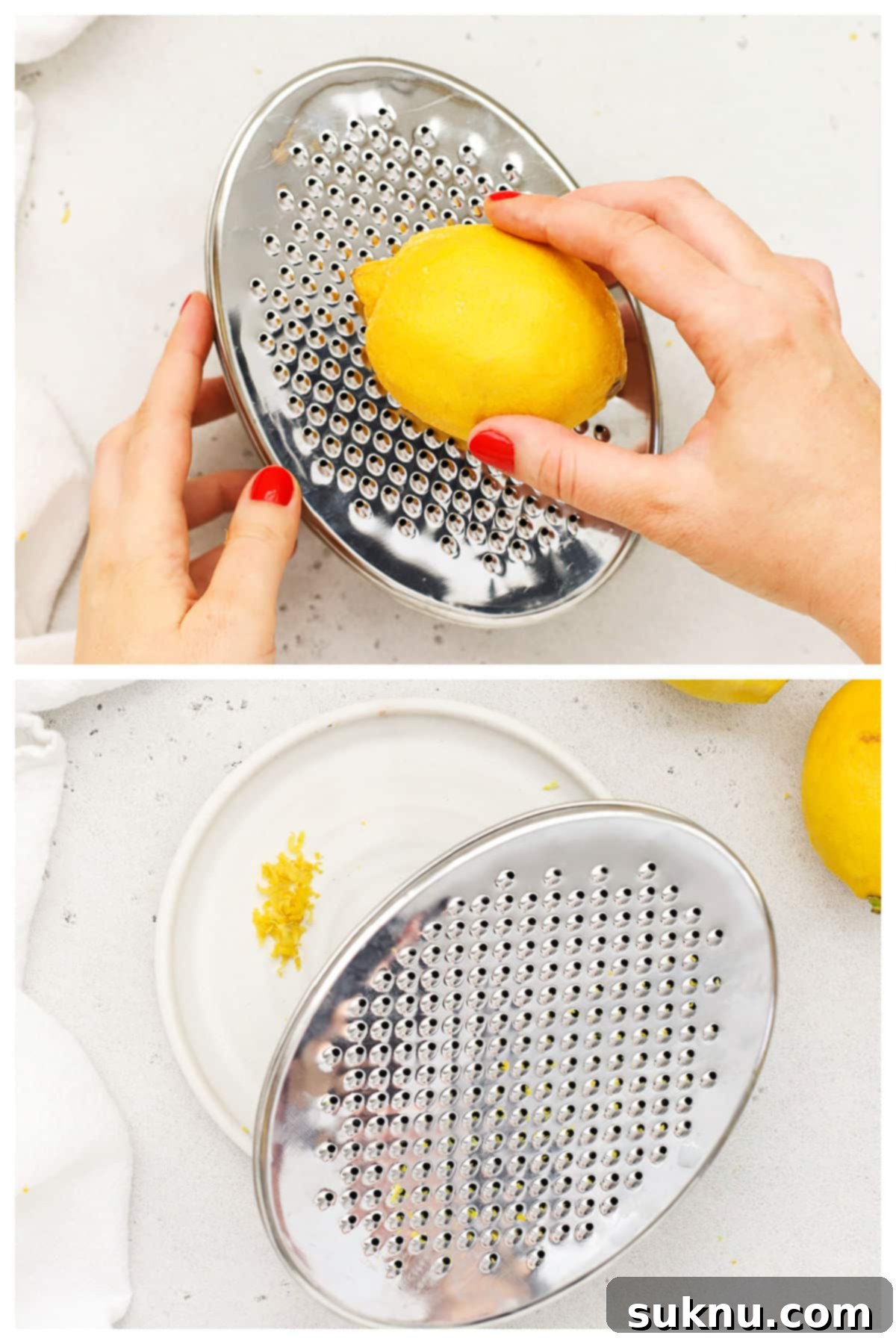
2. Utilizing a Box Grater
If a microplane isn’t readily available, a standard box grater (or a hand-held cheese grater) can serve as a suitable alternative. Look for the side with the smallest holes – often designed for grating Parmesan cheese or ginger. While it may yield slightly coarser zest than a microplane, it’s still effective.
**How to Zest with a Box Grater:**
- Stabilize: Place the box grater on a cutting board or a stable surface.
- Grating: Hold the lemon in your dominant hand and gently rub it across the smallest holes of the grater.
- Rotate and Watch: As with the microplane, rotate the lemon continuously to expose new areas of yellow peel. Stop immediately when you reach the white pith to prevent bitterness.
**Pros of a Box Grater:**
- A common kitchen tool, widely available.
- No need for specialized equipment.
**Cons of a Box Grater:**
- Zest can be coarser, which might be noticeable in delicate dishes.
- It’s easier to accidentally grate off some of the bitter pith if not careful.
- More cumbersome to clean.
**Pro Tip for Box Grater:**
Use very light pressure and keep a close eye on the lemon’s surface to ensure you only remove the yellow part.
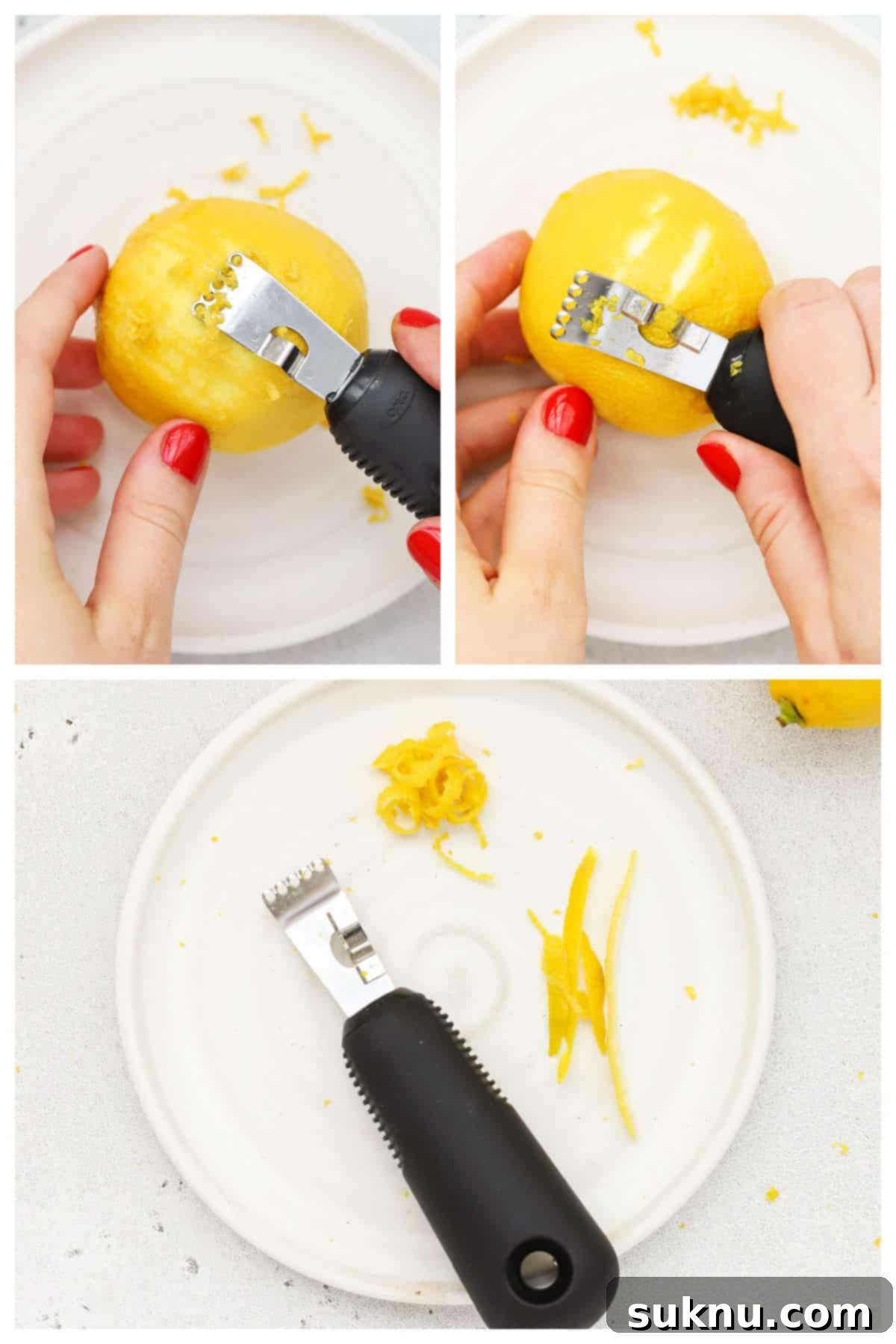
3. Employing a Citrus Zester with Channel Knife
This specialized citrus zester is ideal when your goal is not finely minced zest but rather elegant, long strands or decorative curls of lemon peel. These larger pieces are perfect for garnishing cocktails, mocktails, desserts, or savory dishes where visual impact is desired.
A typical citrus zester tool usually has two distinct features: small, sharp circular holes at the top for creating long, thin strings of zest, and an indented grater on the side, known as a channel knife, which carves out broader, curly peels.
**How to Use a Citrus Zester (Strings):**
- Hold Firmly: Grip the zester in your dominant hand.
- Scrape Gently: Press the zester’s circular holes into the lemon peel and drag it towards your body, applying gentle pressure. Aim to remove only the yellow zest, leaving the pith behind. This motion will create fine, curly threads of zest.
**How to Use a Channel Knife (Curls/Strips):**
- Press and Scrape: Using the channel knife side, press firmly but steadily into the lemon peel and pull to create longer, wider strips or curls. This may take a bit of practice to achieve uniform pieces.
- Creative Accents: These strips can be twisted into spirals or used as elegant garnishes. (For visual guidance, consider watching videos on how chefs use a channel knife for decorative accents.)
**Pros of a Citrus Zester/Channel Knife:**
- Excellent for decorative garnishes and visual presentation.
- Adds a rustic or elegant touch to drinks and plates.
**Cons of a Citrus Zester/Channel Knife:**
- Requires practice to master the technique.
- Not suitable for recipes requiring finely minced zest.
- More specialized and less versatile than a microplane.
**Pro Tip for Channel Knife:**
For extra curly strips, gently wrap the freshly zested peel around a chopstick or pencil immediately after removing it.
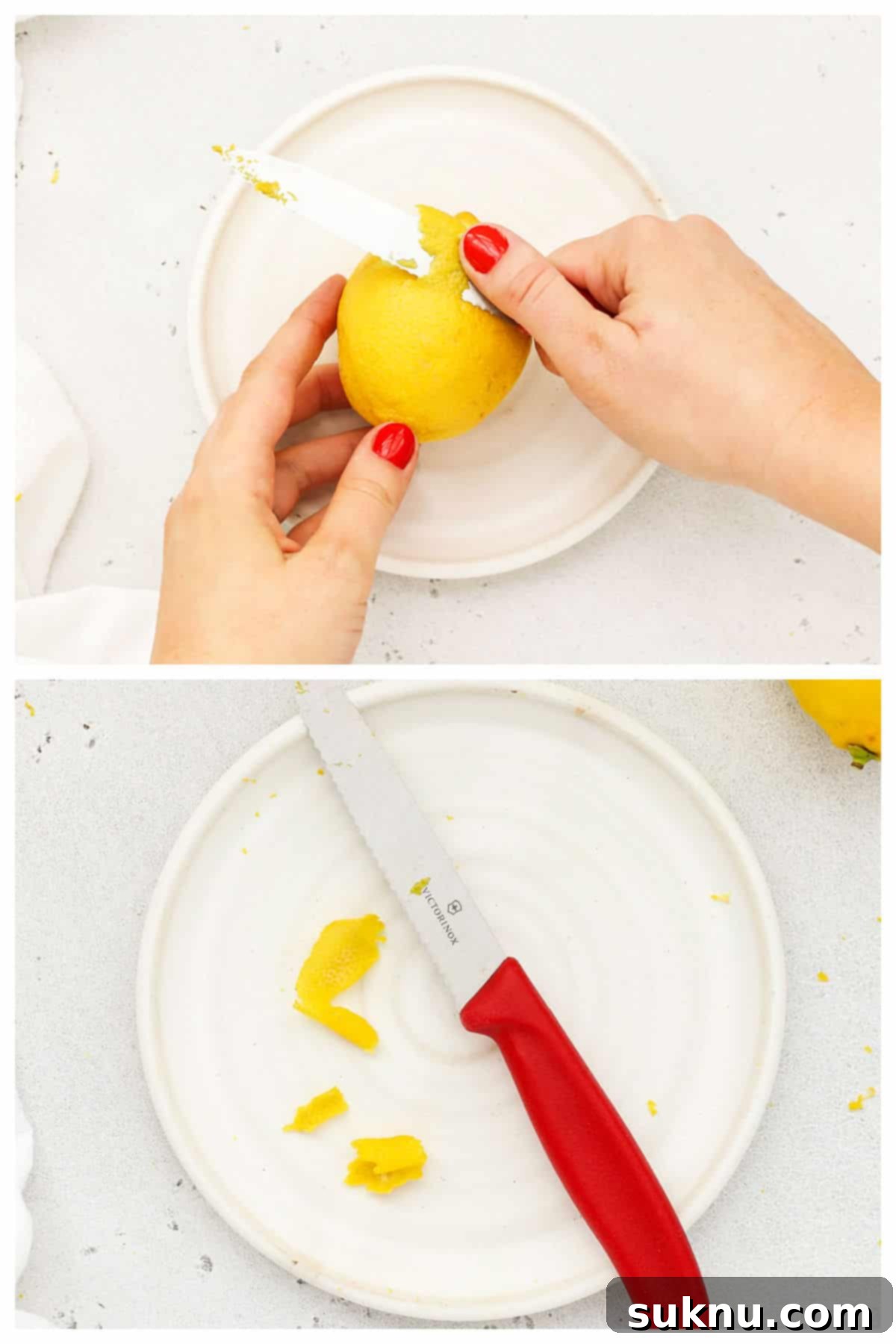
4. Zesting with a Sharp Knife (When No Grater is Available)
Yes, it is possible to zest a lemon without a specialized grater! This method demands good knife skills and a very sharp paring knife or a small, sharp serrated knife. While more challenging to avoid the pith, it’s a viable option in a pinch.
**How to Zest with a Knife:**
- Secure the Lemon: Place the lemon on a stable cutting board.
- Careful Peeling: Using your sharp knife, carefully cut away thin strips of the yellow zest. Angle your knife shallowly to skim just the surface of the peel, doing your absolute best to leave the white pith behind.
- Refine the Zest: Once you have large pieces of yellow zest, you can either use them as is (for infusing liquids or garnishes) or mince them further into smaller pieces as required by your recipe. Stack a few strips and slice them thinly, then turn and dice finely.
**Pros of Using a Knife:**
- Requires no specialized equipment beyond a kitchen knife.
- Allows for very large pieces of zest for specific applications.
**Cons of Using a Knife:**
- Highly prone to including bitter pith if not executed perfectly.
- Requires excellent knife skills and a very sharp blade.
- Time-consuming and less efficient for fine zest.
- Increased risk of injury.
**Pro Tip for Knife Zesting:**
Focus intently on only removing the bright yellow outer layer. If you get some pith, carefully scrape it off the zest with your knife.
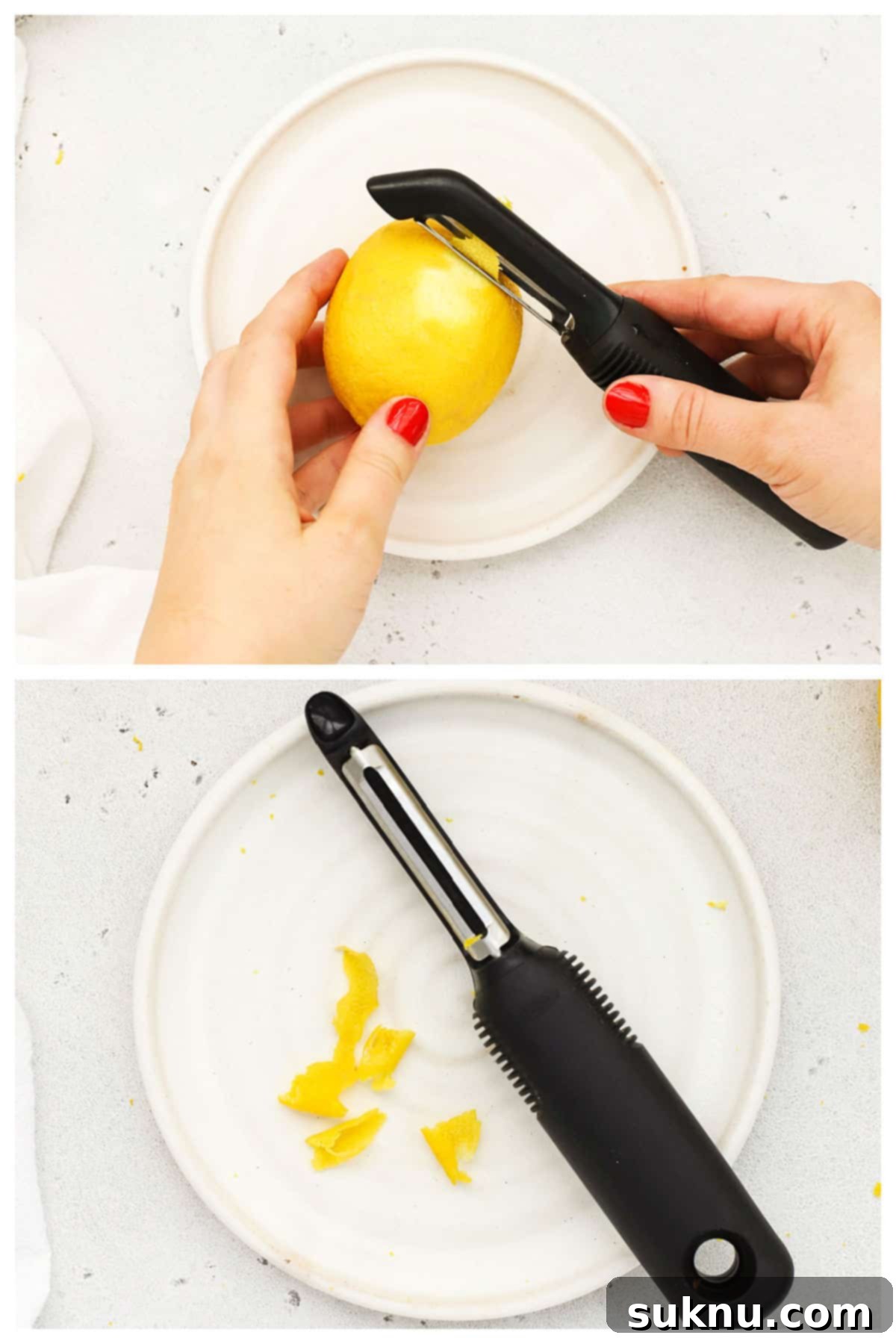
5. The Vegetable Peeler Method (Least Recommended)
In most scenarios, using a vegetable peeler is the least effective and most difficult way to zest a lemon. While it can produce long strips, it’s notoriously challenging to avoid the bitter pith, and the strips are often thicker than ideal for many recipes.
**How to Zest with a Vegetable Peeler:**
- Choose Wisely: This method is only advisable if you possess a very sharp peeler and a firm lemon.
- Careful Peeling: Hold the lemon firmly and carefully draw the peeler down the fruit, aiming to remove thin strips of only the yellow peel.
- Trim if Necessary: If significant amounts of pith are attached, you’ll need to use a paring knife to carefully scrape it off the back of the zest strips.
**Pros of a Vegetable Peeler:**
- A common kitchen tool.
- Can produce broad strips of zest.
**Cons of a Vegetable Peeler:**
- Very difficult to avoid the bitter pith.
- Strips tend to be thicker, requiring further knife work.
- Higher risk of cutting yourself due to the awkward angle and pressure needed.
- Often results in inconsistent zest.
**Pro Tip for Vegetable Peeler:**
If this is your only option, focus on firm, short strokes and immediately trim any white pith from the removed strips. This method is best reserved for experienced cooks.
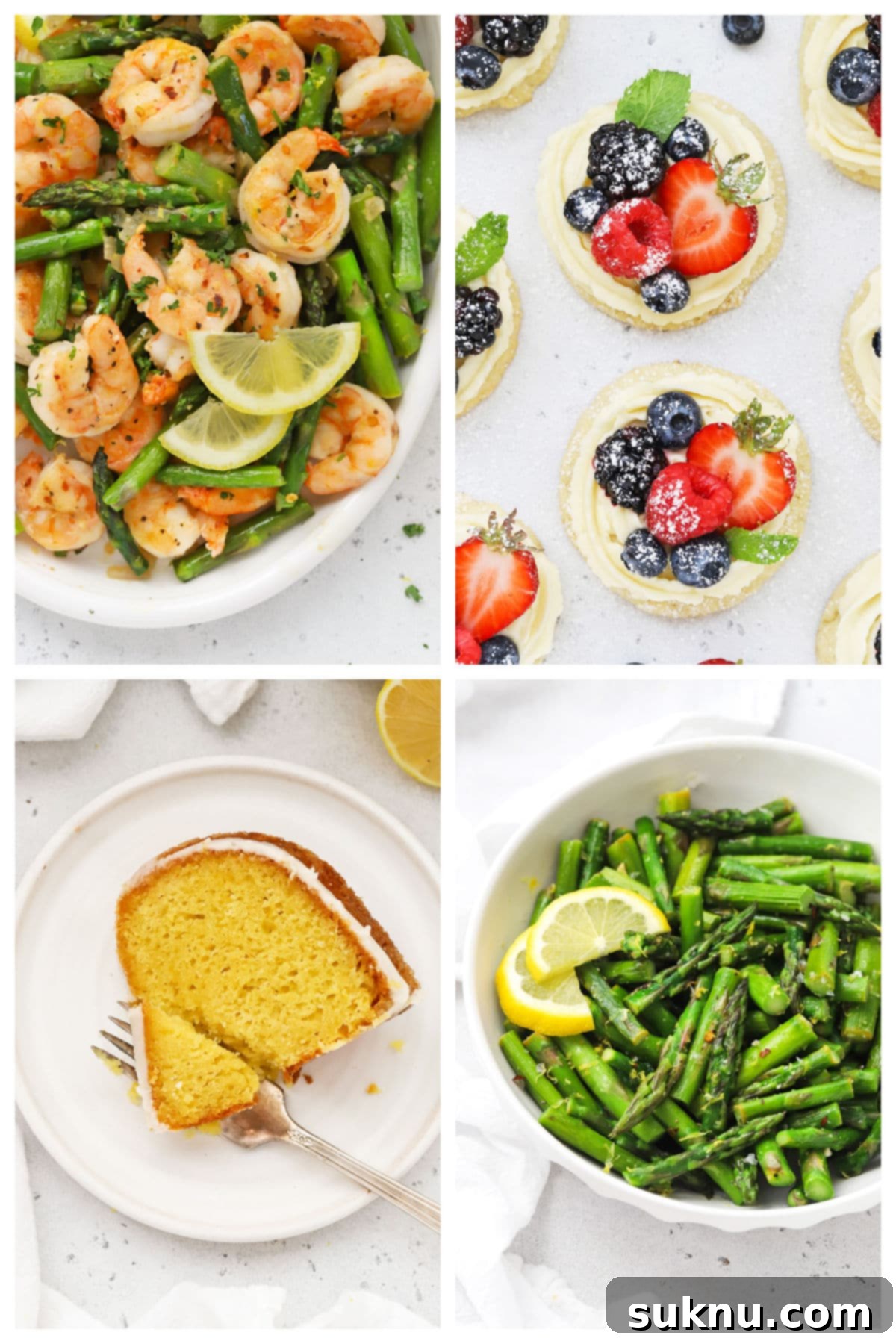
10+ Delicious Ways to Use Lemon Zest in Cooking & Baking
Once you’ve mastered the art of zesting, a world of vibrant lemon flavor opens up. Here are some of our favorite ways to incorporate this aromatic ingredient into your everyday cooking and baking:
- Lemon Bundt Cake: Infuse your cakes with incredible brightness. A recipe like this Gluten-Free Lemon Bundt Cake truly “takes the cake” with its light, fluffy texture and bursting lemon flavor.
- Garnishing Green Vegetables: A simple sprinkle of lemon zest, perhaps with a squeeze of fresh lemon juice, can transform steamed, roasted, grilled, or sautéed green veggies. Try it with Lemon Asparagus, Lemon Broccoli, zucchini, artichokes, peas, or even Spinach with Lemon and Garlic for an instant refresh.
- Lemon Poppy Seed Muffins: For muffins that truly sing with citrus, ample lemon zest is key. Our Lemon Poppy Seed Muffins are a testament to the powerful flavor zest provides.
- Energy Bites: Add a surprising and delightful citrus kick to your healthy snacks. A bit of zest in Lemon Energy Bites makes them taste incredibly decadent without any added sugar.
- Lemon Shrimp: Seafood and lemon are a classic pairing for a reason. This super quick One-Pan Lemon Shrimp recipe becomes an even fresher and easier weeknight dinner with a generous amount of zest.
- Pesto Enhancement: Next time you’re whipping up a batch of homemade pesto, incorporate a touch of lemon zest and juice. It adds a bright, herbaceous note that you’ll wonder how you ever lived without!
- Chicken Marinades: Create an instantly delicious and tenderizing chicken marinade by combining lemon juice, plenty of lemon zest, olive oil, minced garlic, and your favorite fresh herbs like rosemary or thyme.
- Lemon Brownies: Move over, traditional brownies! These fudgier, cake-like lemon bars are a unique treat not to be missed, with zest providing their signature bright flavor.
- Elevate Mocktails & Cocktails: Thick strands or delicate curls of lemon zest make for a beautiful and aromatic garnish. Add them to a glass of our Strawberry Basil Lemonade or Raspberry Lemonade for a sophisticated touch.
- Cheesecake Brilliance: A subtle addition of lemon zest to our Gluten-Free Cheesecake Recipe introduces a gorgeous layer of brightness that cuts through the richness of the velvety filling, creating a perfectly balanced dessert.
- And SO MUCH MORE: Don’t limit yourself! Lemon zest is fantastic in salad dressings, light sauces, pasta dishes, cupcakes, smoothies, and can even add a gourmet touch to unexpected items like deviled eggs!
PRO TIP: Optimal Flavor Pairings. Lemon is incredibly versatile and pairs beautifully with a vast array of flavors. Consider combining lemon zest with honey, all types of berries, garlic, fresh herbs (basil, cilantro, thyme, rosemary, dill), black pepper, seafood, ricotta cheese, balsamic vinegar, olive oil, chicken, almonds, cream cheese, yogurt, tahini, ginger, butter, mushrooms, feta, chili pepper, lavender, curry, turmeric, and cherries. Don’t be afraid to get creative in the kitchen by experimenting with these delicious combinations in your next recipe!
FAQ: Expert Tips & Tricks for Zesting Lemons
Here are answers to common questions and essential tips to make your lemon zesting experience even better:
Always Zest FIRST. If your recipe calls for both lemon zest and lemon juice, make it a golden rule to zest the lemon before you cut and juice it. A whole, firm lemon is significantly easier and safer to zest than a juiced, soft, and half-collapsed lemon. This simple step saves you effort and ensures you get the maximum amount of zest.
Preparing Your Lemons for Zesting: Before you begin, always wash your lemons thoroughly under running water. Many lemons, especially conventional ones, are coated with a thin layer of wax to preserve freshness during transport. To remove this, you can place your lemons in a colander and pour very hot (even boiling) water over them. Then, gently scrub the peel with a microfiber cloth or a vegetable brush and rinse again. This ensures you’re only getting pure lemon flavor.
Choosing the Best Lemons for Zesting: Look for lemons that feel firm and heavy for their size, indicating juiciness. Their skin should be bright yellow and relatively smooth, free from major blemishes or soft spots. While not always necessary, organic lemons are often preferred for zesting as they are less likely to have been treated with pesticides or excessive wax.
How Long Does Fresh Lemon Zest Last in the Fridge? While you can refrigerate fresh lemon zest for up to 2 days in an airtight container, it’s important to know that it begins to dry out and lose its vibrant flavor and aromatic potency almost immediately. For the best results, use fresh zest as soon as possible after grating. If you can’t use it right away, freezing is a much better option.
Can You Freeze Lemon Zest? YES! Freezing lemon zest is one of the best kitchen hacks for preserving that precious lemon flavor. Don’t let any zest go to waste! To freeze it effectively, spread the zest in a single layer on a parchment-lined baking sheet and freeze until solid (about 30 minutes). Once frozen, transfer the zest to an airtight freezer-safe bag or container. It will retain its potent flavor for up to 1 month, making it readily available for your next culinary creation.
Can I Substitute Lemon Juice for Lemon Zest in Recipes? In most recipes, lemon juice is NOT a good substitute for lemon zest, and vice-versa. The reason lies in their distinct compositions: lemon zest contains concentrated lemon essential oils, which provide intense aroma and flavor without significant acidity or liquid. Lemon juice, on the other hand, is primarily acidic and adds liquid to a recipe. Substituting juice for zest would introduce too much liquid and acidity, potentially throwing off the balance and texture of your dish (especially in baking), and it wouldn’t deliver the same aromatic punch.
Can You Buy Lemon Zest in Stores? Fresh lemon zest is generally not available for sale in grocery stores, whether in jars or frozen. It’s simply too delicate to store fresh without rapidly losing its quality and potency. You might find candied lemon peel (often used as a garnish or in baked goods) or dried lemon peel. Dried lemon peel, however, lacks the vibrant potency and fresh aroma of freshly zested lemon, so it’s only recommended if a recipe specifically calls for it.
WE ♥
Printable Tutorial
Did You Try It?
Leave a star rating below and let me know which method you used!
Print

How To Zest A Lemon 5 Ways
5 Stars
4 Stars
3 Stars
2 Stars
1 Star
5 from 1 review
Author: Emily Dixon, Sweets & Thank You
Total Time: 5 minutes
Yield: 1 batch
Diet: Gluten Free
Description
Learn how to zest a lemon using 5 different methods to add a lovely lemon twist to your next recipe!
Ingredients
- Fresh lemons (medium-sized, firm, and bright yellow)
- A microplane zester, box grater (smallest side), handheld zester with channel knife, sharp paring knife, or a very sharp vegetable peeler
Instructions
Method 1: With A Microplane Zester or Rasp Grater:
- Hold the microplane zester at an angle with one end braced on a stable surface (like a countertop or cutting board) for stability. Hold your lemon in your other hand.
- Gently scrape the lemon across the surface of the microplane zester. As you zest, continuously rotate the lemon to expose new areas of yellow peel. Stop immediately when you see the white pith, as you want ONLY the yellow lemon zest. If any zest sticks to the back, gently tap it off or use a knife to scrape it away, being cautious of the sharp edges.
Method 2: With A Box Grater:
- Hold the box grater firmly in your non-dominant hand, bracing it against a stable surface. Hold your lemon in your dominant hand.
- Scrape the lemon across the smallest grater side, applying light pressure. Rotate the lemon as you go, ensuring you only remove the yellow zest and avoid the bitter white pith.
Method 3: With A Handheld Citrus Zester Tool (or Channel Knife):
- Understand the tool: The small, circular holes at the top are for creating long, thin strings of zest, while the indented grater on the side is the channel knife, designed for making broader, curly peels.
- To use the zester end: Hold the tool in your dominant hand, gently press the zester into the lemon peel, and scrape towards your body. Aim to remove only the yellow zest.
- To use the channel knife: Hold the zester tool in your dominant hand, press firmly, and scrape to create long, decorative strips of zest.
Method 4: With A Sharp Knife:
- Carefully use a small, sharp knife (such as a paring knife or serrated paring knife) to cut away large, thin sections of the yellow zest. Focus on keeping the knife shallow to avoid the white pith as much as possible.
- Once you have the large pieces, you can use them as is for infusing, or mince them further by stacking a few strips and slicing them thinly, then dicing finely, as needed for your recipe.
Method 5: With A Vegetable Peeler:
- If you have a very sharp vegetable peeler and a firm lemon, you can use it much like a paring knife. Carefully remove long strips of the yellow zest. This method requires a steady hand to avoid scraping off the white pith. If any pith is removed, carefully scrape it off the zest with a knife.
Notes
Key Tips for Perfect Lemon Zest:
- No Pith Allowed: Always remember that lemon zest is ONLY the yellow outer layer. The white, spongy pith underneath is bitter and should be avoided.
- Yield Estimate: A typical medium lemon yields about 1 Tablespoon of zest.
- Best When Fresh: For optimal flavor and aroma, use lemon zest immediately after grating.
- Proper Cleaning: To remove wax from lemons before zesting, place them in a colander and pour very hot (or boiling) water over them. Scrub gently with a microfiber cloth or vegetable brush, then rinse thoroughly.
- Zest Before Juicing: If your recipe calls for both zest and juice, always zest the whole, firm lemon first. It’s much easier and more effective than trying to zest a cut or juiced lemon.
- Storage: While fresh zest can be refrigerated briefly (up to 2 days), it loses potency quickly. For longer storage, freeze it.
- Freezing Zest: Spread zest on a parchment-lined tray to freeze solid, then transfer to an airtight container or freezer bag. It keeps well for up to 1 month.
- Prep Time: 5 minutes
- Category: Tutorial
- Method: No-Cook
- Cuisine: American