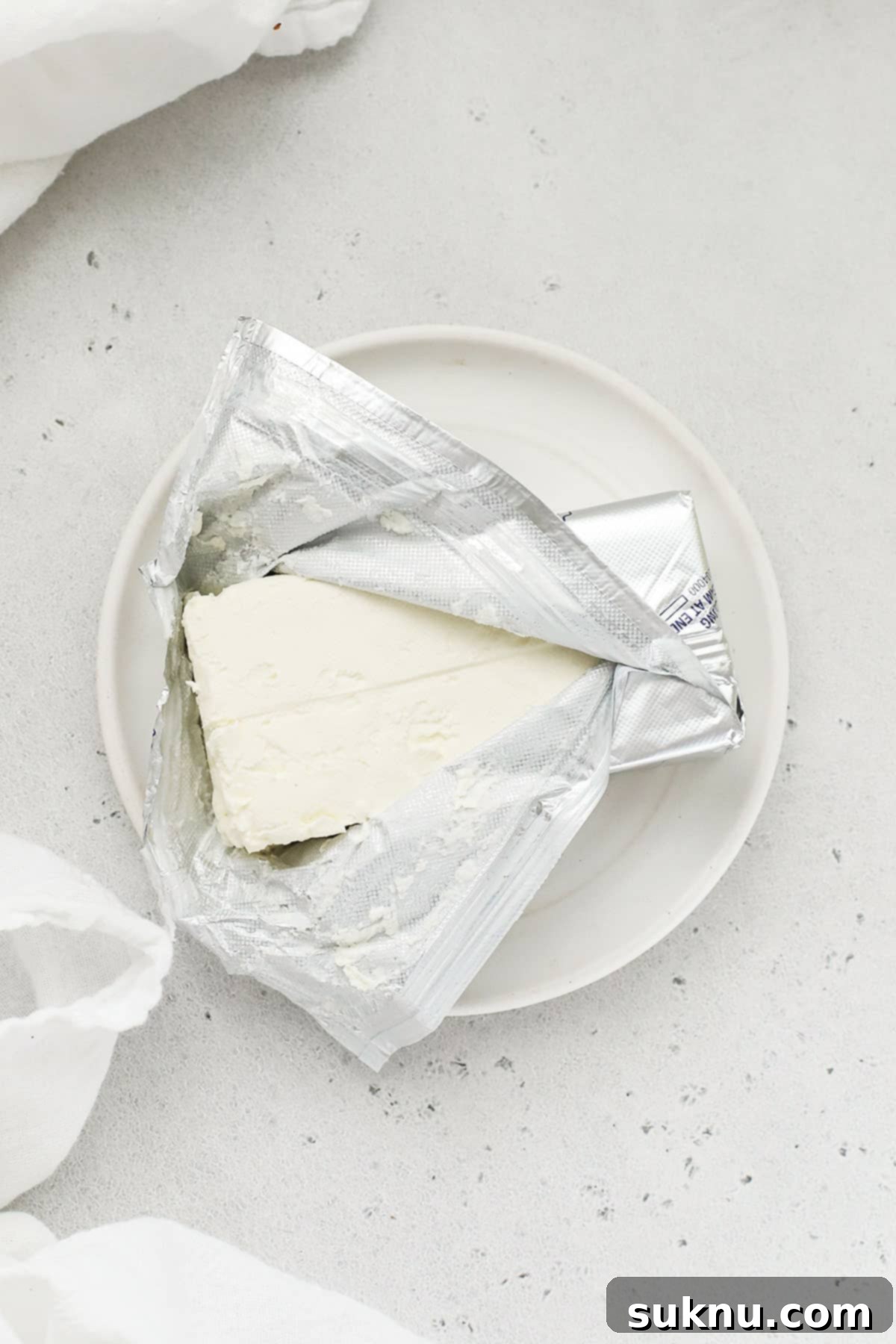
Unlock the secrets to perfectly softened cream cheese every time! Essential for creating luscious frosting, velvety cheesecake, irresistible dips, and countless other culinary delights. Discover our top three effortless methods for achieving that ideal creamy texture quickly and efficiently.
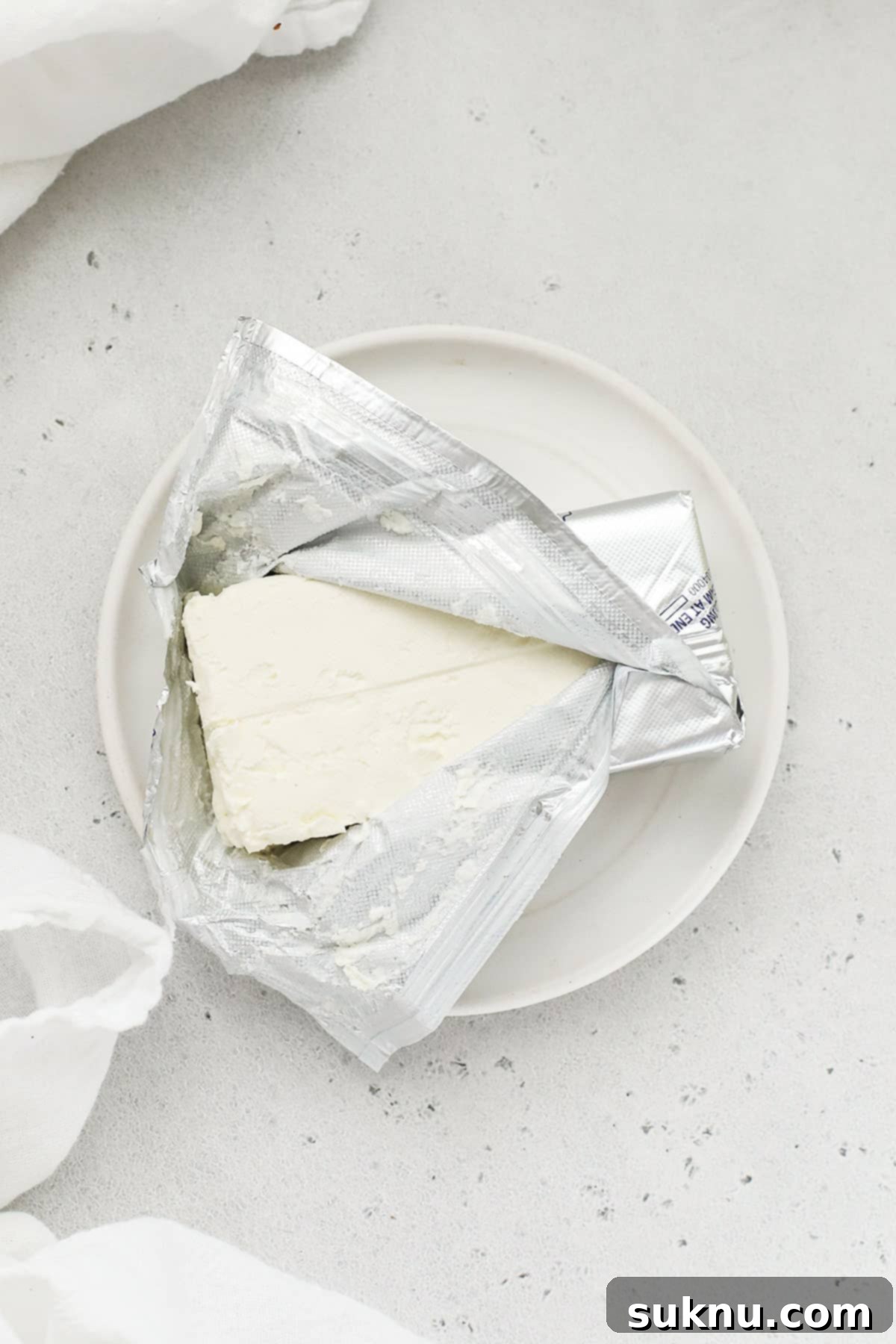
Welcome back to another essential baking tip that will elevate your kitchen skills: mastering the art of softening cream cheese! This seemingly simple step is, in fact, crucial for countless recipes, ensuring a smooth, lump-free consistency that can make or break your dish.
Softened cream cheese is a foundational ingredient in many beloved recipes. Think of the decadent creaminess of a homemade cheesecake, the airy delight of a rich cream cheese frosting, the delightful tang of a sweet fruit dip, or the melt-in-your-mouth texture of velvety truffles. Its unique creamy texture and slightly tangy flavor make it incredibly versatile for both sweet and savory applications.
Just like with room temperature eggs or butter, the temperature of your cream cheese significantly impacts the final outcome of your culinary creations. Using cream cheese that’s too cold can lead to a lumpy batter or frosting, while cream cheese that’s too warm can result in a greasy, separated mess. Achieving that perfect, pliable consistency is the key to unlocking the full potential of your recipes.
So, what’s the optimal way to get your cream cheese to that ideal state? We’re here to guide you through everything you need to know, providing three distinct and highly effective methods to try the next time your recipe calls for softened cream cheese. (Hint: The third method is our absolute favorite for its speed and reliability!) Let’s dive in and transform your cream cheese softening game!

Do I Really Need to Soften Cream Cheese for My Recipes?
Absolutely, if your recipe specifically calls for it! When a recipe specifies “softened cream cheese” or “room temperature cream cheese,” it’s not just a suggestion; it’s a critical instruction that directly impacts the structure, consistency, and overall quality of your final dish. Achieving the correct temperature yields a softer, more pliable texture, which is paramount for smooth results.
The ideal temperature for softened cream cheese is typically between 68-70 degrees Fahrenheit (20-21 degrees Celsius). At this temperature, the cream cheese should be soft enough that you can easily press into it with a spoon or your finger, yet it should still hold its shape without being gooey or melted. This perfect consistency is what ensures a velvety smooth cheesecake batter, an incredibly light and lump-free frosting, or perfectly blended, homogeneous truffles. Ignoring this step can lead to a less-than-ideal outcome, so it truly makes a significant difference.
Why is the temperature so crucial?
- Cold Cream Cheese: Using cream cheese straight from the refrigerator can be a baker’s nightmare. Its firm texture makes it difficult to blend evenly with other ingredients, often resulting in a lumpy batter that won’t bake or set properly. These stubborn lumps can be particularly problematic in frostings, where a silky-smooth finish is desired, or in cheesecakes, where an un-uniform texture can ruin the experience.
- Melted Cream Cheese: On the other hand, cream cheese that is too warm or melted (often from aggressive microwave attempts) can also be detrimental. Cream cheese has a high-fat content, and when it overheats, the fat can separate from the other ingredients, leading to a greasy, oily, and often curdled texture. This separation can irrevocably ruin the texture of delicate recipes like frosting, dips, and even certain cookies.
So, how do we hit that sweet spot? Let’s explore three reliable methods for softening cream cheese to perfection, along with one common method you should always avoid.
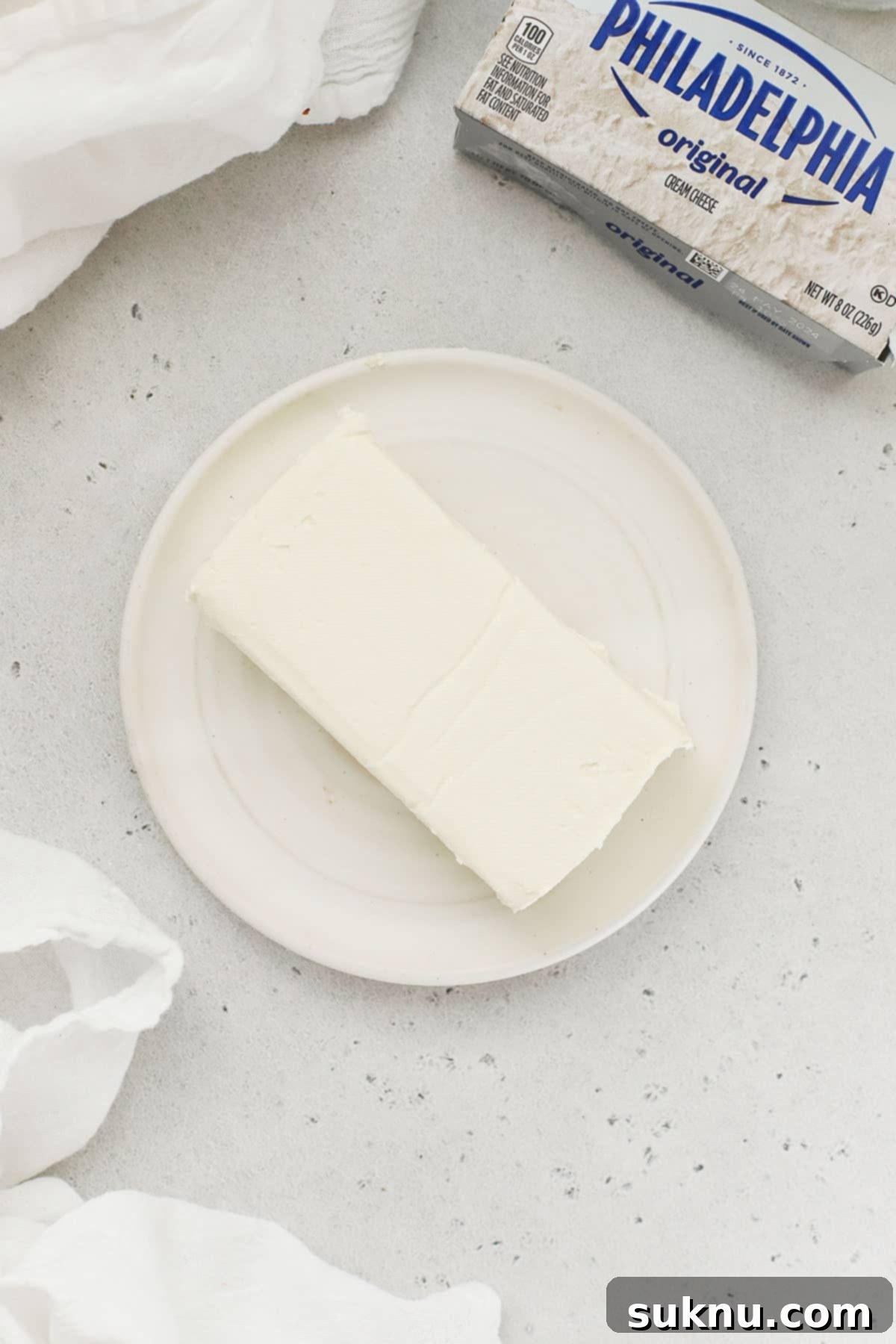
Option 1: The Classic Countertop Method
The most traditional and perhaps simplest way to soften cream cheese is to allow it to gradually come to room temperature on your kitchen counter. This method requires the least active effort but demands the most patience. Generally, this method takes approximately 60-90 minutes, making it the most time-consuming of the three techniques we’ll cover today. However, it’s also the most gentle, ensuring uniform softening without any risk of overheating.
Here’s how to effectively use the countertop method:
- Prepare the Cream Cheese: Start by removing the cream cheese from its outer cardboard box if it came packaged that way. Leave the cream cheese wrapped in its inner foil packaging. This foil protects it from environmental contaminants and helps it soften more evenly.
- Unwrap and Place: Carefully unwrap the block of cream cheese entirely. You can either let the whole block soften directly on the open foil wrapper (which creates less mess) or transfer it to a clean plate. Place it on your kitchen counter, away from direct sunlight or heat sources, which could cause uneven softening or melting.
- Patiently Wait: Allow the cream cheese to rest for 60-90 minutes. The exact time will depend on the ambient temperature of your kitchen. On a warmer day, it might take less time, while a cooler kitchen could extend the waiting period. You’ll know it’s ready when it’s easily pliable and no longer feels cold to the touch. A simple test is to gently press a spoon or your finger into the block – it should create an easy indent with minimal resistance.
Pros & Cons: This method is undeniably the easiest in terms of active involvement since you simply unwrap and wait. It requires no special equipment and carries almost no risk of damaging the cream cheese’s texture. Its main drawback is the time commitment, requiring you to plan ahead for your baking or cooking projects. If you’re often in a rush, you might prefer a faster technique.
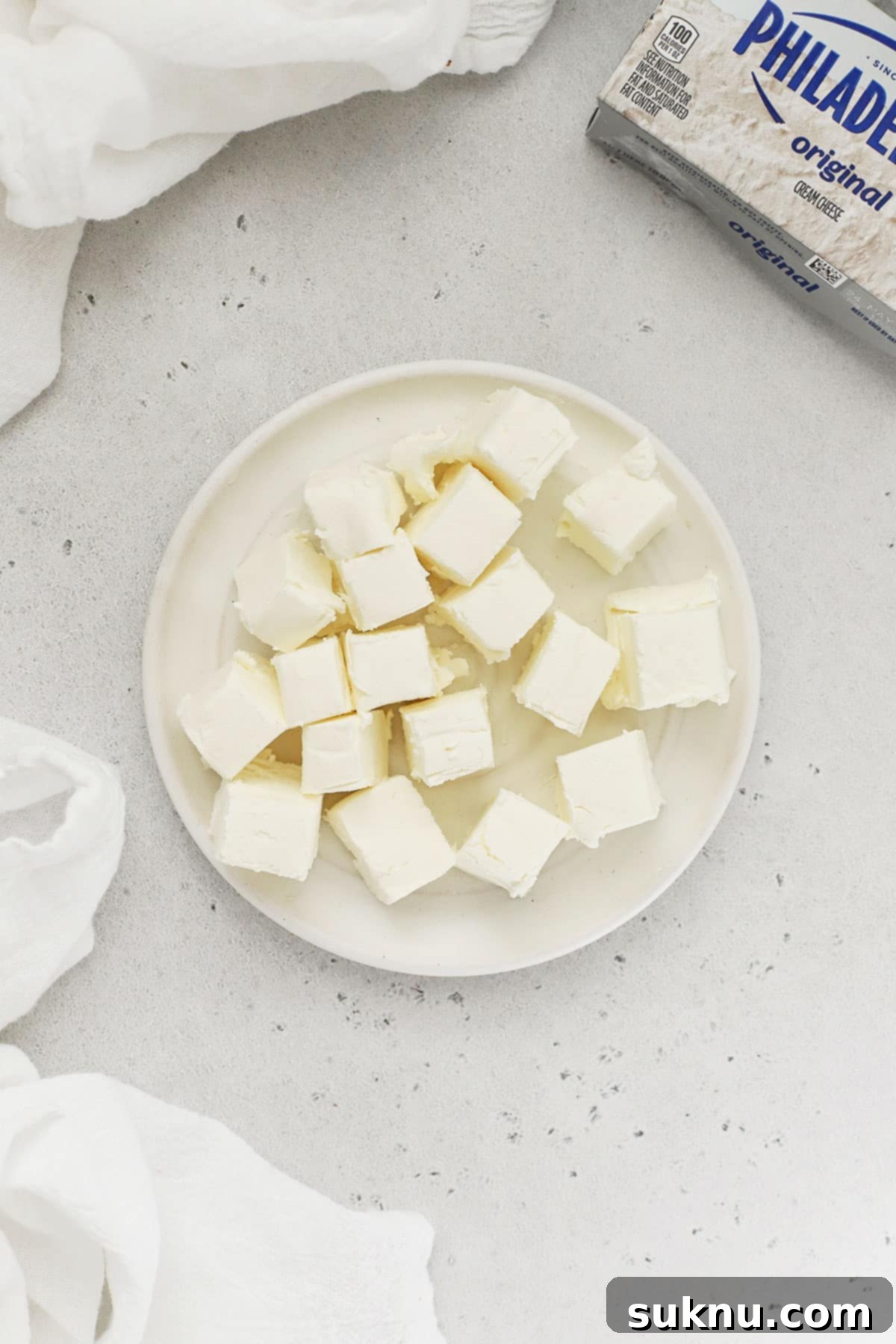
Option 2: The Efficient Cube Method
If you find yourself short on time but still want to leverage the natural warming of room temperature, the cubing method is an excellent compromise. By cutting the cream cheese into smaller pieces, you significantly increase its surface area exposed to the air, which in turn speeds up the softening process. With this technique, you can expect your cream cheese to reach the ideal pliable consistency in just 20-30 minutes at room temperature.
Here’s how to employ the cube method for faster softening:
- Unpack the Cream Cheese: Begin by completely unwrapping your block of cream cheese. Discard or recycle any cardboard packaging and remove the foil wrapper.
- Precision Cubing: Using a sharp knife, carefully cut the cream cheese block into small, uniform ½-inch cubes. The goal is to create as much surface area as possible. Once cubed, spread the pieces out on the original open wrapper or transfer them to a clean plate or baking sheet. Ensure the cubes are not piled on top of each other, as this would hinder even air circulation and slow down the process.
- Let Them Soften: Allow the small cream cheese cubes to rest on your kitchen counter for 20-30 minutes. Keep them away from any direct heat sources. Monitor the cubes; they should become noticeably softer and more pliable, yielding easily to a gentle touch. Again, a spoon or your finger should create an easy indent without the cream cheese feeling cold or stiff.
Why It Works: The science behind this method is straightforward. By breaking the large block into smaller pieces, you expose a much greater total surface area of the cream cheese to the ambient temperature of the room. Heat transfer occurs more rapidly across these smaller, more exposed surfaces, allowing the cream cheese to soften much faster and more uniformly compared to a single large block. This method is a fantastic middle-ground between speed and gentleness.
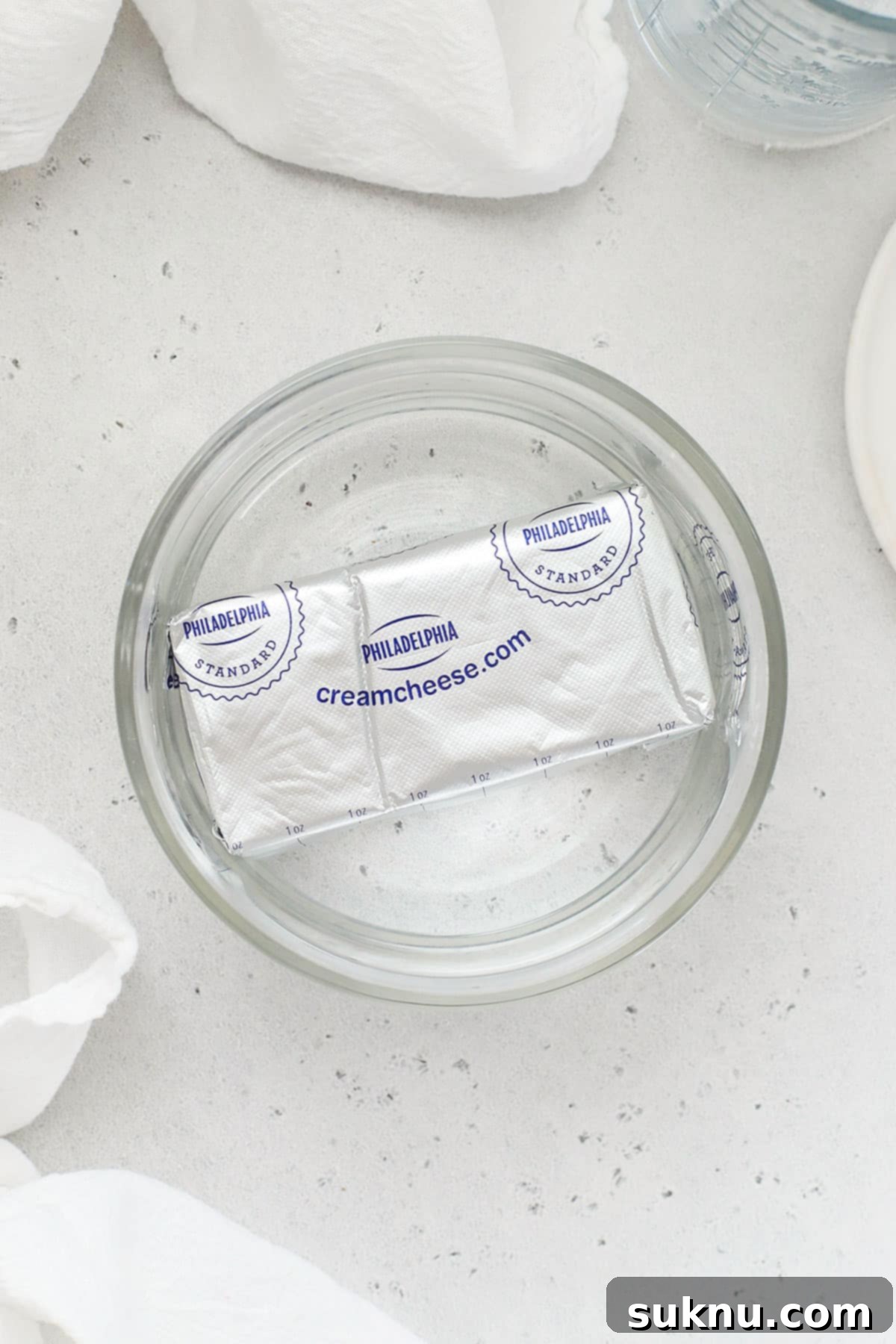
Option 3: The Rapid Water Bath Method (Our Fastest Choice!)
For those times when you need softened cream cheese in a flash, the warm water bath method is your ultimate solution. This technique is by far the quickest way to bring cream cheese to the perfect room temperature consistency, often achieving results in less than 20 minutes. It operates on the same principle as quickly bringing eggs to room temperature and is our preferred method for its speed and reliability, provided you follow the crucial temperature guidelines.
Here’s how to execute the fast water bath method:
- Initial Unpackaging: If your cream cheese comes in a cardboard box, remove and recycle it. Crucially, leave the cream cheese tightly wrapped in its original foil packaging. This foil acts as a protective barrier, preventing water from seeping in and maintaining the cream cheese’s integrity.
- Prepare the Bath: Find a bowl or container that is deep enough to fully submerge the foil-wrapped blocks of cream cheese. Place the wrapped cream cheese into the bowl. If your cream cheese is sold unwrapped or in a tub (though block cream cheese is generally recommended for baking), you can place it into a sealed Ziploc bag, pressing out any excess air before submerging it. This extra step ensures no water contamination.
- Add Warm Water (Key Step!): Fill the bowl with lukewarm water. This is the most critical part: the water should feel warm to your fingertips, similar to comfortable bathwater, but absolutely not hot. Hot water can quickly melt the cream cheese, causing it to separate and become unusable for your recipe. Aim for water that is gently warm, not scalding.
- Soak and Rotate: Let the cream cheese sit in the warm water for about 15-20 minutes. To ensure even softening throughout the block, it’s a good idea to rotate the packages every few minutes. This helps the heat distribute uniformly, preventing overly soft spots on one side and still-cold areas on the other. After the designated time, the cream cheese should be perfectly soft and pliable.
Nervous about leaking? For an extra layer of protection, especially if you’re concerned about the foil wrapper’s integrity, place the foil-wrapped cream cheese into a large, sturdy Ziploc bag. Press out all the air before sealing it tightly. This creates an impermeable barrier, safeguarding your cream cheese from any water exposure while still allowing the warmth to penetrate effectively.
Can I Use A Microwave To Soften Cream Cheese?
While the microwave is a convenient tool for many kitchen tasks, I strongly advise against using it to soften cream cheese. This method is by far the riskiest and least reliable. Microwaves are notorious for heating unevenly, creating hot spots that can quickly melt or even scorch parts of your cream cheese while other areas remain cold and firm.
The primary danger lies in the high-fat content of cream cheese. When exposed to intense, uneven microwave heat, the fat can easily separate from the milk solids, resulting in a curdled, grainy, or greasy texture that is impossible to recover. This separation will ruin the smooth consistency crucial for recipes like frostings and cheesecakes, turning your perfect dessert into a regrettable mishap.
If you absolutely must use your microwave as a last resort (and we really don’t recommend it), proceed with extreme caution:
- Unwrap Fully: Always unwrap the cream cheese completely and place it on a microwave-safe plate or dish.
- Low Power Setting: Use a very low power setting, ideally 50% power or less, if your microwave allows.
- Short Intervals: Microwave for extremely short increments, starting with no more than 10-second intervals at a time.
- Check and Flip: After each interval, immediately remove the cream cheese, flip it over, and gently press it to check for softness. Continue microwaving in 5-10 second bursts, flipping and checking each time, until it reaches the desired pliable texture. Stop as soon as it’s soft enough – any longer, and you risk melting and separation.
This method requires constant vigilance and is prone to error. The other three methods are much safer and more effective for achieving that ideal, smooth consistency without compromising the quality of your cream cheese.

FAQ + Essential Tips For Softening Cream Cheese
Mastering the art of softening cream cheese can significantly improve your baking and cooking results. Here are answers to common questions and additional tips to ensure your success:
What’s The Best Kind of Cream Cheese for Baking?
For almost all baking and cooking projects, especially those requiring a stable structure like cheesecakes or firm frostings, you will achieve the best results using a full-fat block of cream cheese (often referred to as brick-style cream cheese). This type of cream cheese has a higher fat content and a denser texture compared to whipped cream cheese or cream cheese spreads, which often contain stabilizers and more air. Whipped varieties are too airy and spreads are too soft and thin, often leading to runny frostings or collapsed cheesecakes. Always refer to your specific recipe’s recommendation, as the recipe creator has factored this into their instructions.
How Long Does It Actually Take Cream Cheese To Soften?
The time required for cream cheese to soften varies greatly depending on the method used and the temperature of your environment:
- Countertop Method: If you’re simply leaving a full block of cream cheese out on the counter, it can take anywhere from 60 to 90 minutes to reach the perfectly pliable, room-temperature state. This depends heavily on your kitchen’s temperature and humidity.
- Cubing Method: By cutting the cream cheese into small pieces, you can significantly reduce the softening time to approximately 20-30 minutes.
- Water Bath Method: This is the speed champion! Using our recommended warm water bath method, your cream cheese can be perfectly softened in just 15-20 minutes, making it ideal for last-minute preparations.
How Long Can Softened Cream Cheese Sit Out?
For optimal food safety, it’s crucial to adhere to general guidelines: cream cheese, once softened, should not be left out at room temperature for longer than 2 hours. Beyond this timeframe, the risk of bacterial growth increases, making it unsafe for consumption. If you’ve softened more cream cheese than you need, promptly refrigerate the excess. It’s best to use softened cream cheese within a day or two of being brought to room temperature, ensuring it is always stored properly in the refrigerator.
What if My Cream Cheese Gets Too Soft or Melts?
If your cream cheese accidentally becomes too soft, warm, or even slightly melted, especially from using methods like the microwave, it can compromise its structure. The fat may separate, leading to a greasy, curdled texture. While it might still be usable in certain baked goods where texture isn’t paramount, for frostings and cheesecakes, this can be disastrous. Your best bet is to gently stir it to see if it recombines. If it remains separated or too liquid, it’s often better to start over with fresh, properly softened cream cheese to ensure the quality of your recipe.
How Do I Know My Cream Cheese is Perfectly Softened?
The ideal consistency for softened cream cheese is smooth, creamy, and easily pliable. When you press it with a spoon or your finger, it should yield easily and leave an indentation, without being runny or greasy. It should also be uniform in temperature throughout the block, without any cold, hard spots in the center. Properly softened cream cheese will effortlessly blend with other ingredients, creating a homogeneous mixture without lumps.
Delicious Ways To Use Softened Cream Cheese

Brown Sugar Cream Cheese Fruit Dip
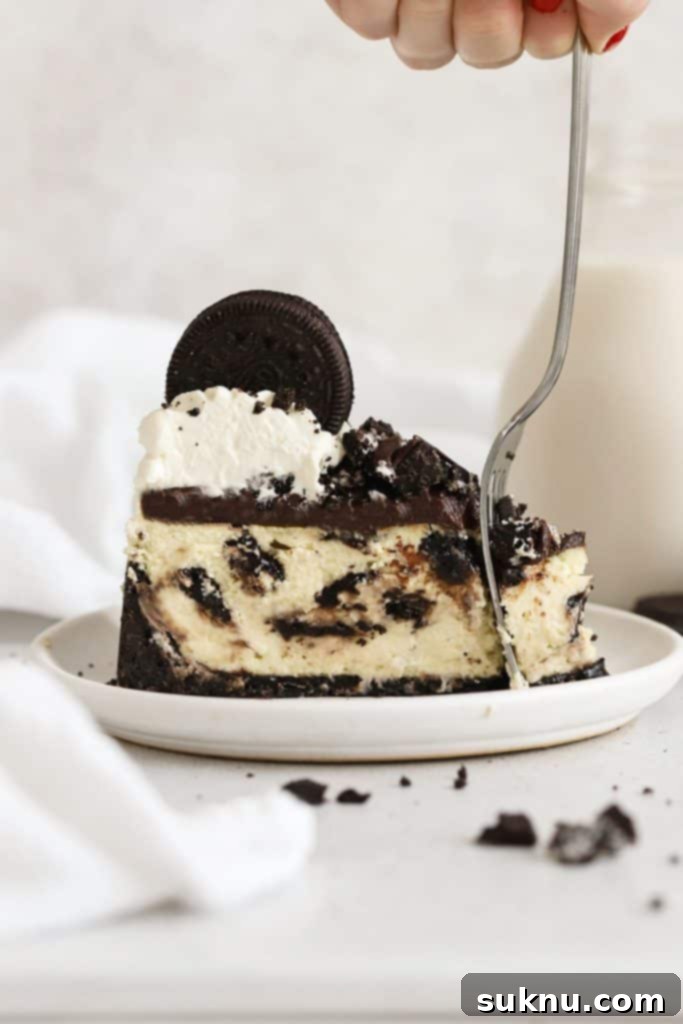
Gluten-Free Oreo Cheesecake
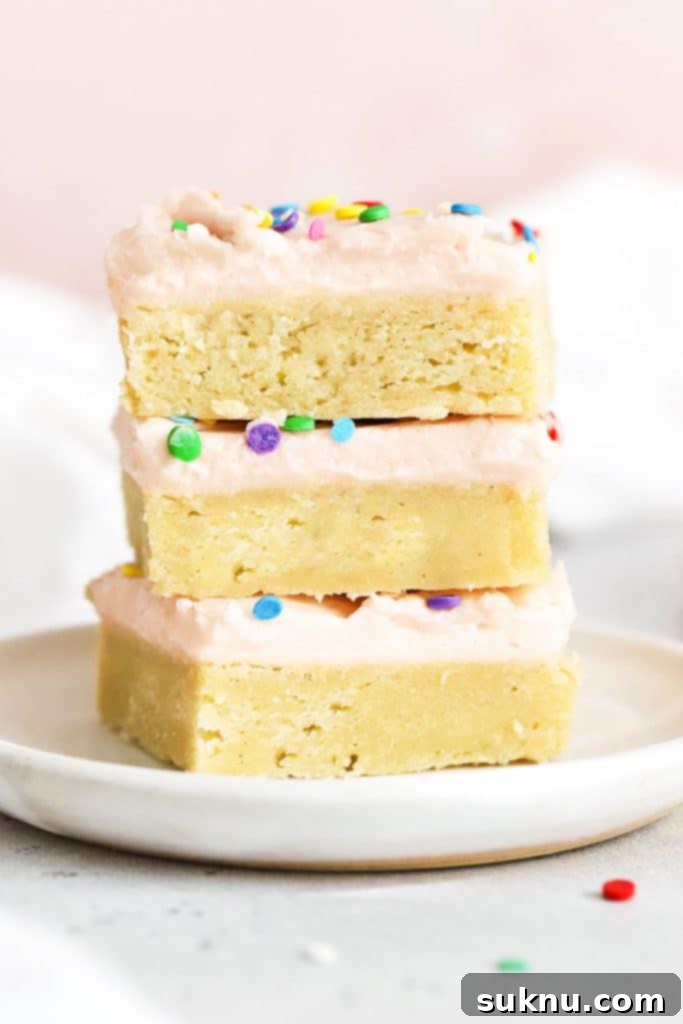
Gluten-Free Sugar Cookie Bars

Gluten-Free Fruit Pizza Cookies
🌟 Did You Master This Technique?
Share your success! Leave a star rating below and let me know which method worked best for you! I can’t wait to hear how your cream cheese creations turn out!
Tap to Leave a Review
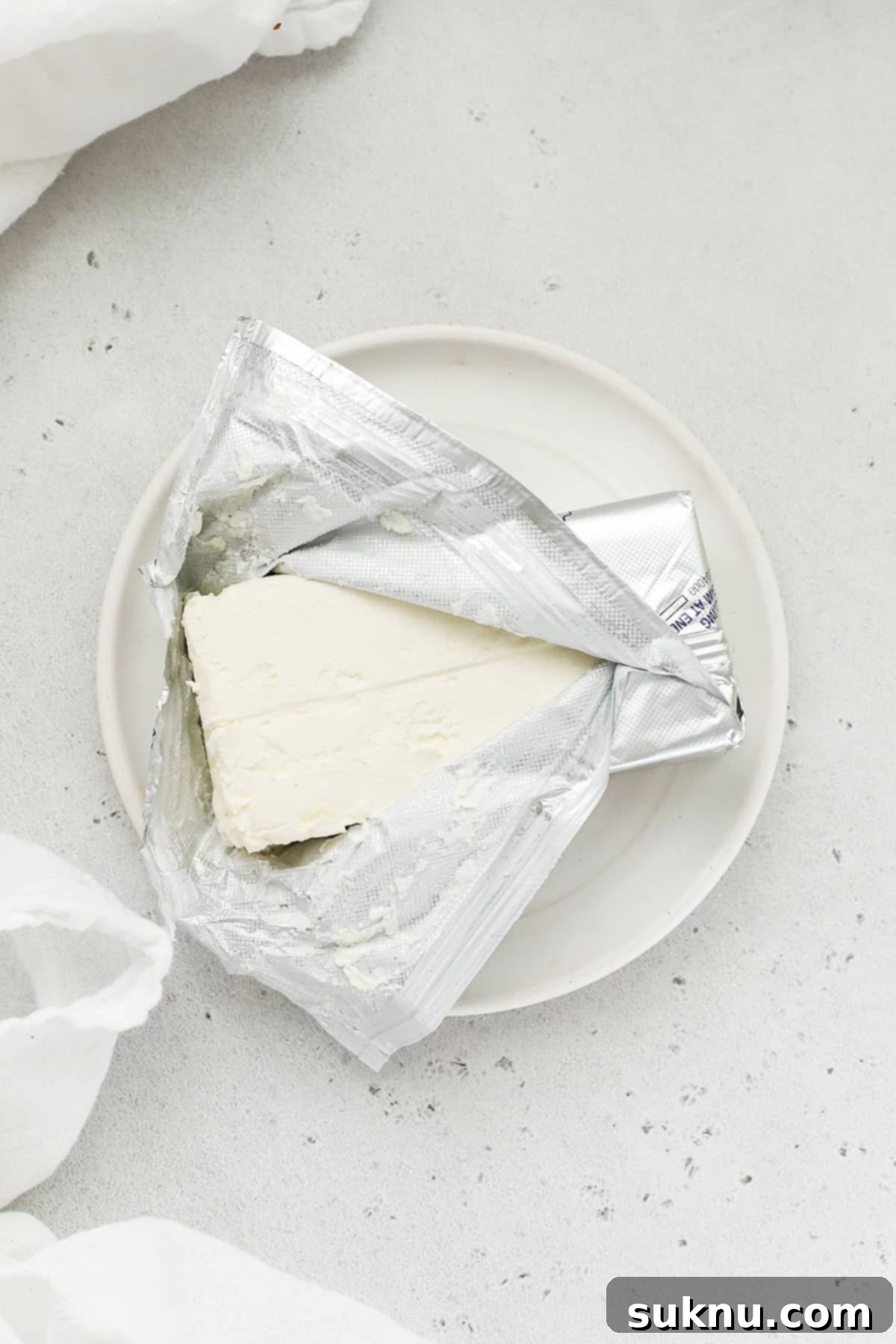
How To Soften Cream Cheese Quickly
Emily Dixon, Sweets & Thank You
20 minutes
Print
Pin
Rate
1
batch
Ingredients
- Block Cream Cheese (Full-Fat Recommended)
-
For Water Method: A large bowl or container
+ an optional sealed bag for extra protection - For Cubing Method: A sharp knife
Instructions
For Countertop Method (60-90 Minutes)
- Remove Outer Packaging. If your cream cheese is foil-wrapped within a cardboard box, remove and recycle the box, ensuring the cream cheese block remains wrapped in its foil. Then, fully unwrap the cream cheese block and place it on its open wrapper or a clean plate. This allows the air to circulate around it evenly.
- Allow to Rest for 60-90 minutes at room temperature, or until the cream cheese is easily pliable and no longer feels cold when touched. You should be able to make an easy indent with a spoon or your finger. Avoid direct sunlight or heat, which could melt it.
For Cube Method (20-30 Minutes)
- Unwrap Completely. Start by fully unwrapping the cream cheese from both its cardboard box (if any) and its foil.
- Cut Into Small Cubes. To significantly accelerate the softening process, use a sharp knife to slice the cream cheese into small, approximately ½-inch cubes. Arrange these cubes in a single layer on a plate or the open wrapper on your kitchen counter. This increases the surface area exposed to the ambient air.
- Rest and Observe for 20-30 minutes, or until the individual cubes are easily pliable and have lost their refrigerator chill. A gentle press with a spoon or finger should leave a clear indent.
For Water Method (15-20 Minutes – Fastest!)
- Remove Cardboard Packaging Only. If your cream cheese is foil-wrapped inside a cardboard box, remove and recycle the box. It is absolutely crucial to leave the cream cheese tightly wrapped in its original foil packaging for this method to prevent water from seeping in.
- Submerge in a Bowl. Place the foil-wrapped cream cheese into a bowl deep enough to fully submerge the block(s) in water. For unwrapped cream cheese or extra peace of mind, you can first place it in a sturdy Ziploc bag, pressing out all excess air before sealing and submerging.
- Cover With Warm Water. Fill the bowl with lukewarm (not hot!) water. The water should feel comfortably warm to your touch, like bathwater, but not hot enough to melt or separate the cream cheese. Hot water will ruin its texture.
- Let It Sit for 15-20 minutes. If possible, gently rotate the packages every few minutes to ensure even softening across all sides. After this time, your cream cheese should be perfectly soft and ready for your recipe.
Notes
- For optimal food safety, softened cream cheese should not be left at room temperature for longer than 2 hours to prevent bacterial growth.
- Always use full-fat, block-style cream cheese for best baking results unless your recipe specifically states otherwise. Whipped or spreadable cream cheese has a different consistency that can negatively impact many recipes.
- Avoid using the microwave if possible, as it can easily melt and separate the cream cheese, ruining its texture.
Video Tutorial
Baking Tip
American
Gluten Free Friendly (for applicable recipes)
how to soften cream cheese, room temperature cream cheese, quick cream cheese softening, cream cheese for baking, baking tips
Find the full recipe guide and more essential baking tips at:
sweetsandthankyou.com/soften-cream-cheese-quickly/