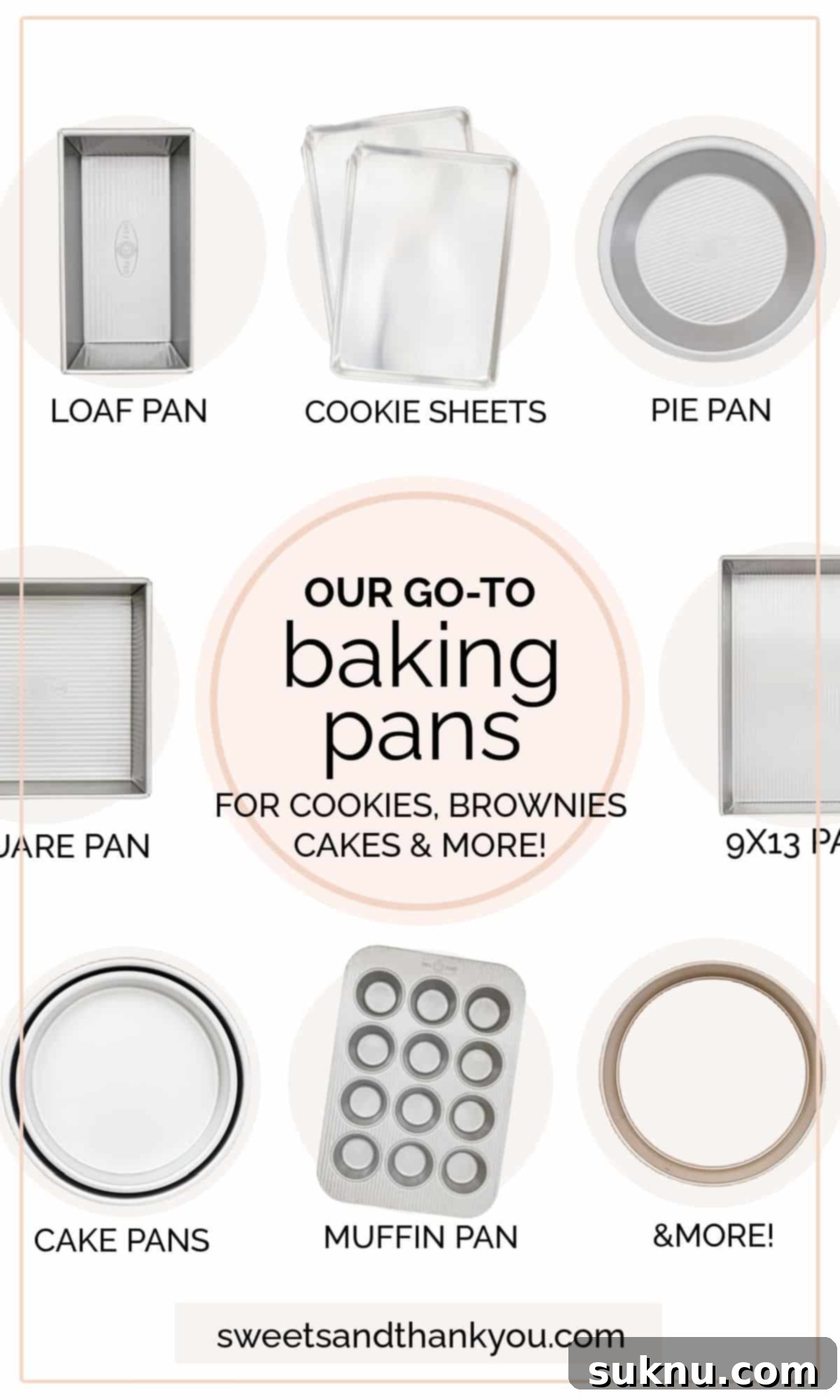
Discover the Secret to Perfect Baking: The Ultimate Guide to Essential Baking Pans!
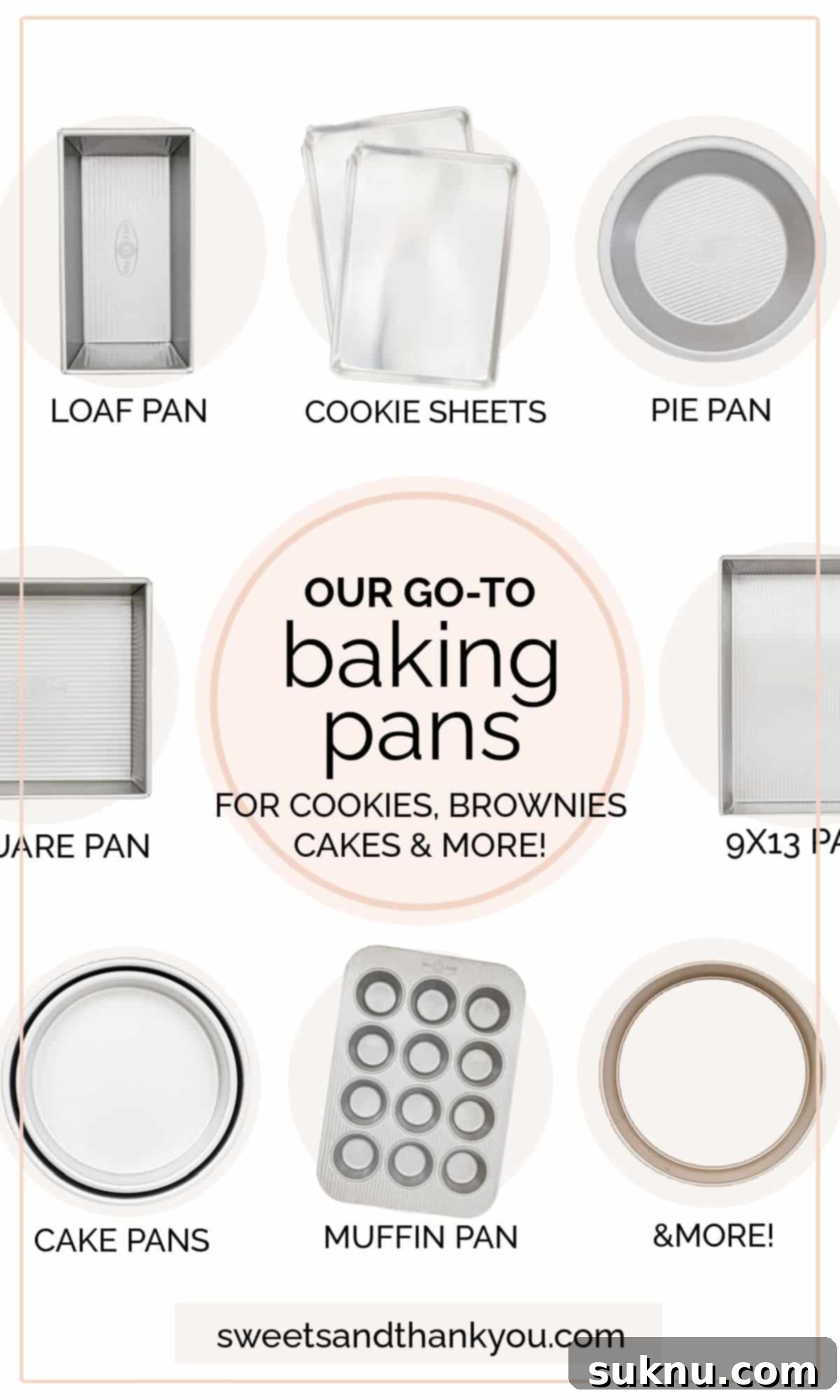
Are you tired of unevenly baked goods, burnt edges, or cakes that stick to the pan? Whether you’re upgrading your kitchen essentials, replacing worn-out bakeware, or searching for the perfect gift for a passionate baker, this comprehensive guide is designed for you. We understand that the right tools make all the difference in the kitchen, especially when it comes to baking.
We’ve meticulously researched and rigorously tested countless baking pans to bring you a curated selection of our absolute favorites. Our goal is to simplify your decision-making process, ensuring you find the ideal pan for every recipe, every time. You won’t have to navigate endless options or suffer through baking mishaps – we’ve done the groundwork so you can bake with confidence and achieve consistently delicious results.
If you’ve ever found yourself asking:
- “What truly is the best type of cake pan for a perfect rise?”
- “Should I opt for a metal or glass pan when baking fudgy brownies?”
- “Which brand consistently delivers the best cookie sheets?”
Look no further! We’ve got all your questions covered. This guide features our most-used and most-loved pans, thoroughly vetted for all the baking endeavors we undertake here at Sweets & Thank You.
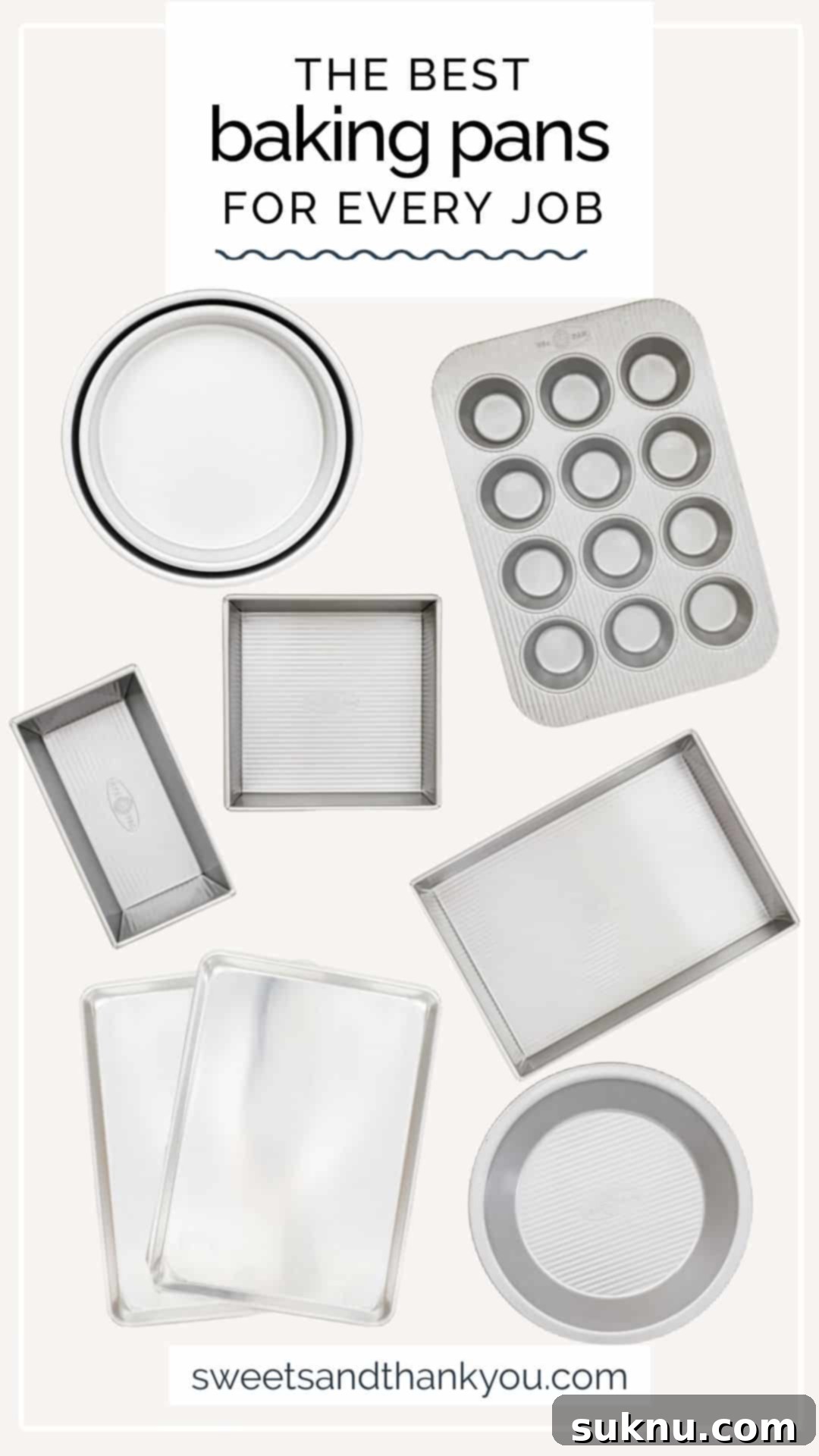
Our Favorite Pans, At A Glance:
- Top Recommended Baking Pan Brands
- The Science Behind Our Pan Material Preference
- Cookie Sheets (Half Sheet Pans)
- Square 8×8 Metal Pan
- Rectangular 9×13 Metal Pan
- Versatile Loaf Pan
- Muffin & Cupcake Pan
- Perfect Pie Pans
- Round Cake Pans
- Specialty Pans Worth Considering
- Mastering Your Baking Pans: Essential Tips & Tricks
Top Recommended Baking Pan Brands
Before we delve into the specifics of each pan, it’s important to clarify that this post is entirely independent and not sponsored. Every single pan recommended here has been personally purchased and rigorously tested by us. You’ll notice certain brands reappearing throughout our recommendations, a testament to their consistent quality and performance. Here are the brands that consistently impress us:
- USA Pan: This brand has consistently exceeded our expectations over the past several years. We’ve baked hundreds of cookies, brownies, and cakes in their pans, and their durability, even heating, and non-stick properties are truly exceptional. They are a robust choice for any serious baker.
- NordicWare: A true classic in the baking world, NordicWare has earned its stellar reputation for delivering high-quality bakeware at remarkably affordable prices. We wholeheartedly endorse their products, finding them reliable and effective for a wide range of baking needs.
- Wilton: Renowned for its accessibility and budget-friendly options, Wilton is an excellent choice, particularly celebrated for its diverse range of cake pans. They offer reliability without breaking the bank, making professional-looking cakes achievable for everyone.
- Fat Daddio: A firm favorite among professional cake bloggers and home bakers alike, Fat Daddio pans are unparalleled for cake baking. Their anondized aluminum construction ensures even heat distribution, resulting in perfectly baked cakes in an impressive variety of shapes and sizes.
The Science Behind Our Pan Material Preference
As you explore our recommendations, you’ll likely notice a consistent theme: our strong preference for light-colored aluminum baking pans. This isn’t merely a personal quirk or aesthetic choice; it’s deeply rooted in the science of heat transfer and baking dynamics. These pans are superior because they conduct heat most evenly and gently, leading to consistently beautiful and delicious results across a wide spectrum of baked goods.
Light-colored aluminum pans minimize direct heat absorption, preventing the rapid browning or even scorching that can occur with darker metal pans. This gentle heat distribution is crucial for:
- Perfectly Golden Cookies: Achieving that desirable uniform golden hue without overly browned or crisp bottoms.
- Evenly Baked Cakes: Ensuring the cake rises uniformly and cooks through completely, from the edges to the center, without dry crusts or gummy middles.
- Superior Brownies and Bars: Producing that ideal fudgy or chewy texture with a consistent bake, preventing crunchy edges and undercooked centers.
Conversely, materials like glass and ceramic, while beautiful and functional for certain dishes, significantly impact both temperature distribution and the rise of delicate baked goods. They heat up and cool down more slowly, retaining heat for longer, which can lead to overbaking or uneven cooking. This slower, more intense heat can also interfere with the leavening process, potentially causing cakes and brownies to “climb” the sides and then sink in the middle. For most baking applications, particularly those involving leavening agents, light aluminum is the undisputed champion.
Cookie Sheets (Half Sheet Pans)
- OUR PICK: NordicWare, USA Pan, Orson Gygi
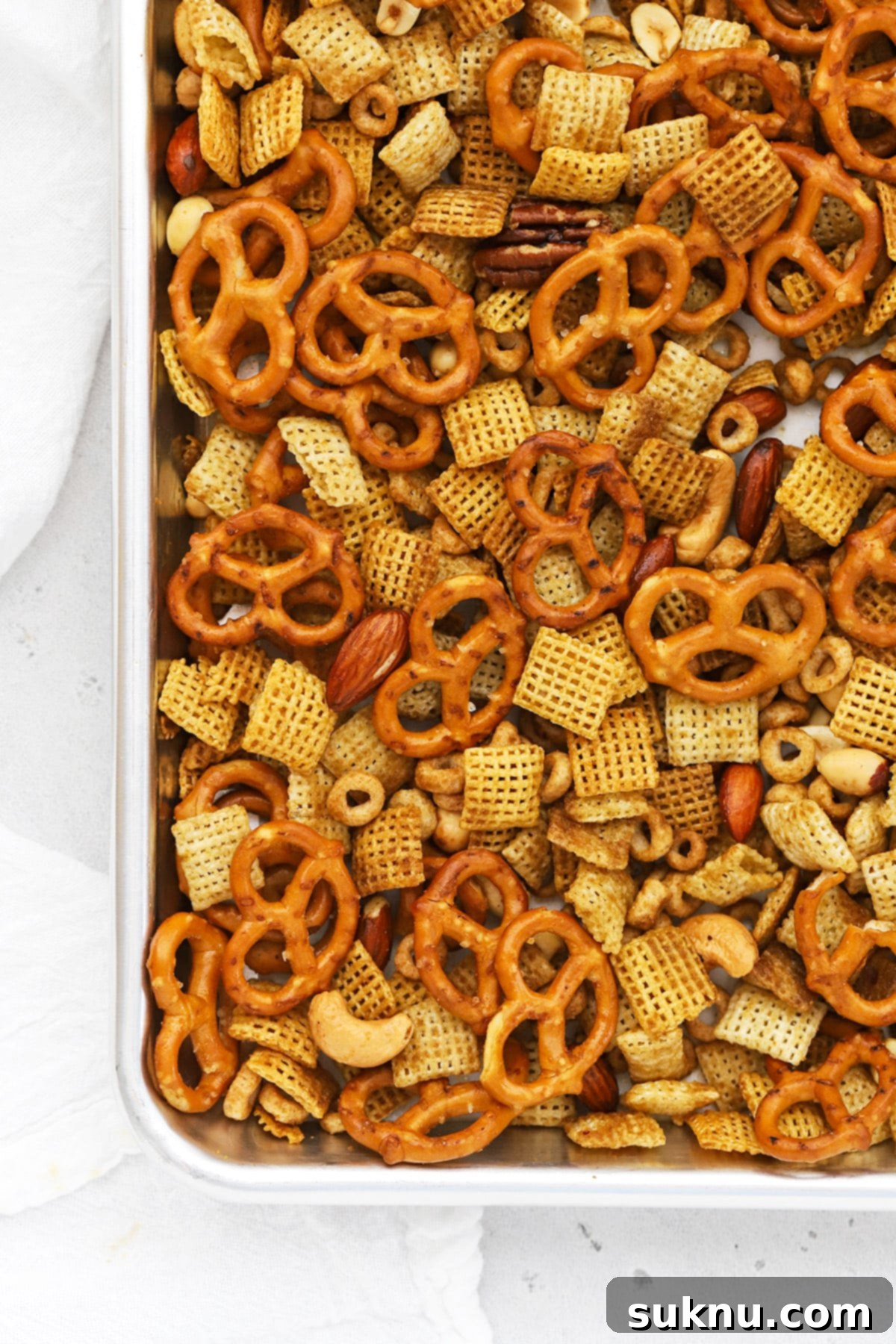
- USES: Cookies, snack mix, sheet cakes, chocolate curls, roasted vegetables, sheet pan dinners, and much more.
Is there any kitchen essential more remarkably versatile than a sheet pan? These generous pans, universally known as half sheet pans or cookie sheets, are an absolute workhorse in any kitchen. Beyond their obvious utility for baking perfect batches of cookies, they excel at creating delightful sheet cakes and rich pumpkin bars. But their capabilities don’t stop there. They are also indispensable for quick sheet pan dinners, crafting delicate chocolate curls, mixing up a savory batch of snack mix, and even roasting vegetables to perfection. Their large surface area allows for ample space, ensuring even cooking and crisping.
- Light-colored aluminum sheet pans are paramount for superior results. They conduct heat gently and evenly, preventing the common issue of scorched or overly crisp bottoms that often plague cookies, bars, and other delicate bakes when dark metal pans are used. This even heat distribution is key to achieving uniformly golden and perfectly textured treats.
- We highly recommend owning at least two sheet pans. This allows for seamless transitions between batches, which is crucial for recipes like cookies. Placing cold cookie dough onto a hot baking pan can drastically alter its spread and bake time, often leading to inconsistent results. Having a second pan ready ensures optimal baking conditions for every batch.
Square 8×8 Metal Pan
- OUR PICK: USA Pan
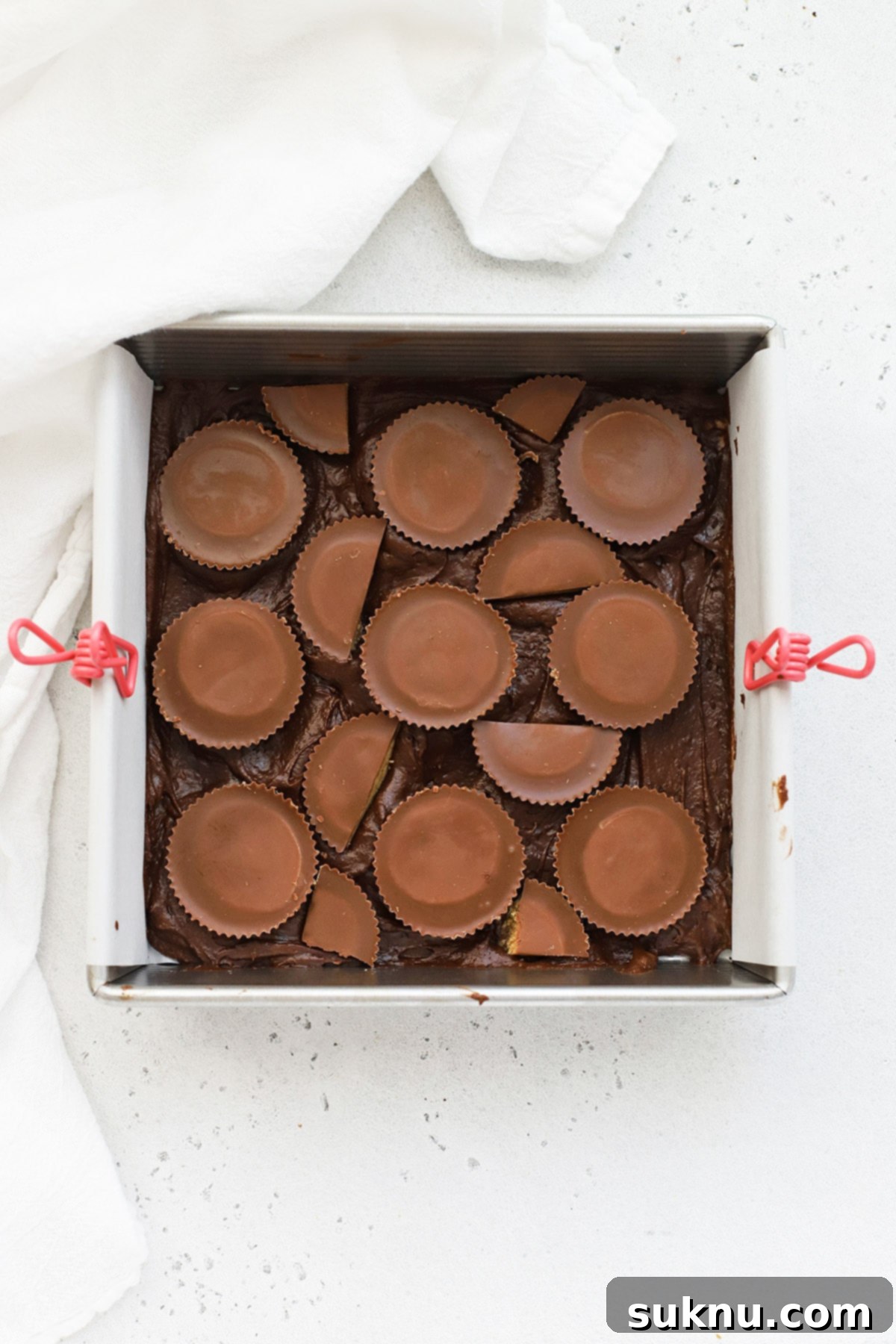
- USES: Brownies, blondies, single-layer square cakes, pie bars, cookie bars, small casseroles, and savory bakes.
Next to the versatile cookie sheet, an 8×8 metal pan is arguably my second most frequently used baking essential. This compact yet mighty pan is indispensable for creating perfectly portioned batches of decadent fudgy brownies, bright key lime pie bars, satisfying cookie bars, elegant square cakes, and even smaller savory dishes like gratins or casseroles.
- Light-colored metal pans are crucial for consistent results. They conduct heat distinctly from glass or ceramic, ensuring a more even and thorough bake for everything from dense brownies and delicate pie bars to square cakes. This prevents the edges from over-browning while the center cooks to perfection.
- Opt for a square pan with sharp, defined edges. While seemingly a minor detail, sharp corners contribute significantly to a professional, bakery-level appearance. They allow for clean, precise cuts, ensuring every piece of your brownie or bar is uniformly shaped and appealing. We strongly prefer sharp corners over rounded ones for this reason.
- Prioritize metal over ceramic or glass for most recipes, unless a specific recipe explicitly calls for alternative materials. Baking brownies in a metal pan, for instance, can dramatically influence the texture, rise, and overall shape of your final product, delivering a superior result compared to other materials.
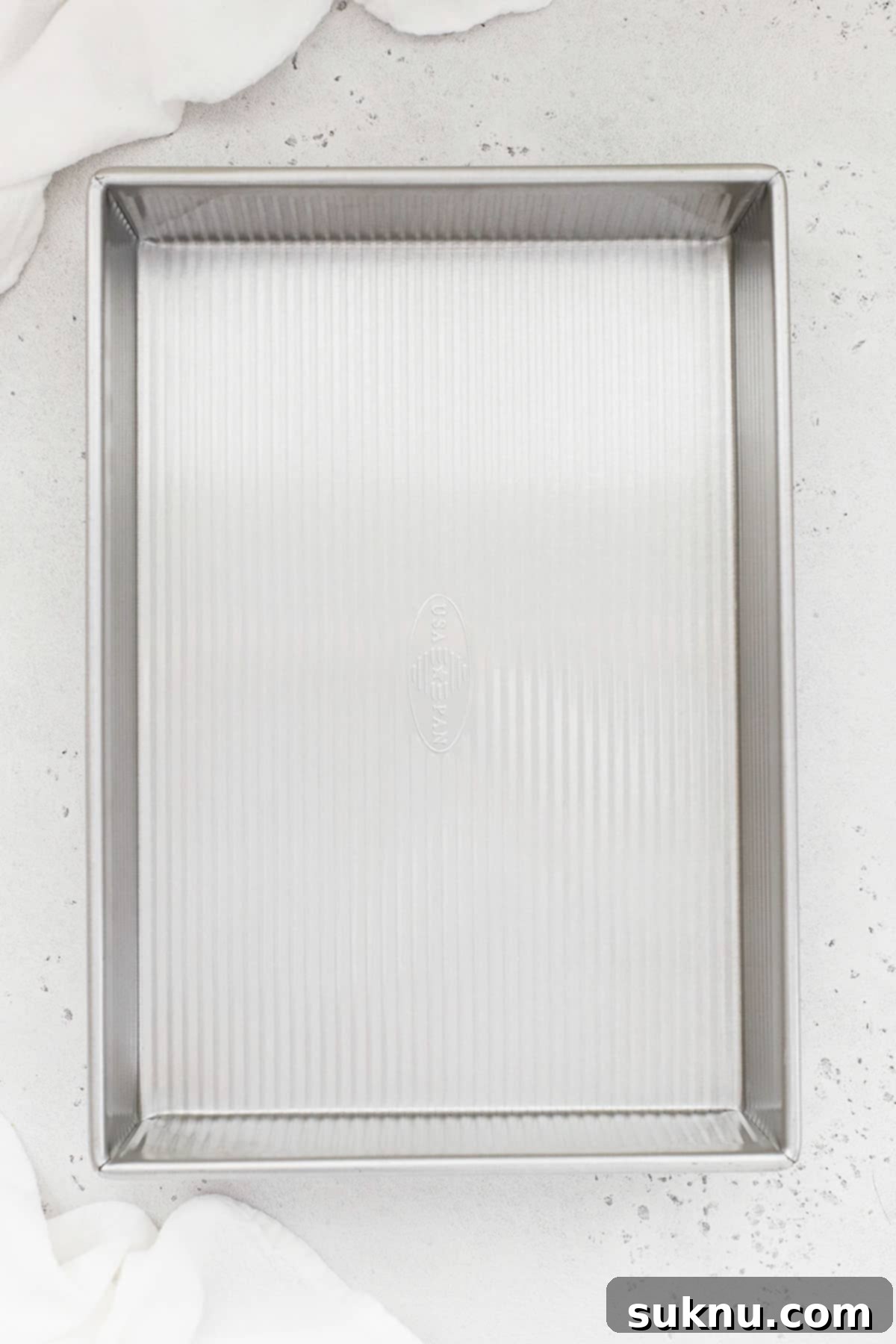
Rectangular 9×13 Metal Pan
- OUR PICK: USA Pan
- USES: Large sheet cakes, generous batches of brownies or rice krispies treats, family-sized casseroles, lasagna, and no-bake desserts.
If you’re investing in just one 9×13 pan, my unequivocal top recommendation is a light-colored metal 9×13 pan. This size is incredibly versatile, serving as the cornerstone for baking large format desserts and savory meals alike. It performs exceptionally for expansive sheet cakes, big pans of brownies, and can just as easily be utilized for no-bake bars and treats such as decadent scotcheroos or classic rice krispies treats. Its utility extends far beyond desserts, making it a staple for family dinners.
- For Brownies, Bars & Sheet Cakes, a metal pan consistently delivers the best bake. Metal pans conduct heat with superior efficiency and evenness. This critical property ensures that your cake will rise properly, achieve a beautiful golden brown crust, and cook thoroughly without the common issue of overcooked edges and an underdone center. Glass and ceramic pans, by contrast, significantly influence both the baking time and the rise of your baked goods. They require longer cooking durations, brown less uniformly, and can negatively impact the rise, sometimes causing cakes or brownies to “climb” the sides of the pan before collapsing, resulting in an uneven, sunken appearance. For a compelling visual comparison, we highly recommend checking out this insightful resource.
- Glass Or Ceramic 9×13 Pans can be suitable for specific applications like lasagna, certain casseroles, and no-bake desserts such as Rice Krispies treats. In these cases, where precise rising and leavening are not critical factors, their heat retention properties can be beneficial. However, for most baked goods that rely on even heat distribution and a proper rise, they are not strictly necessary and often less ideal than their metal counterparts.
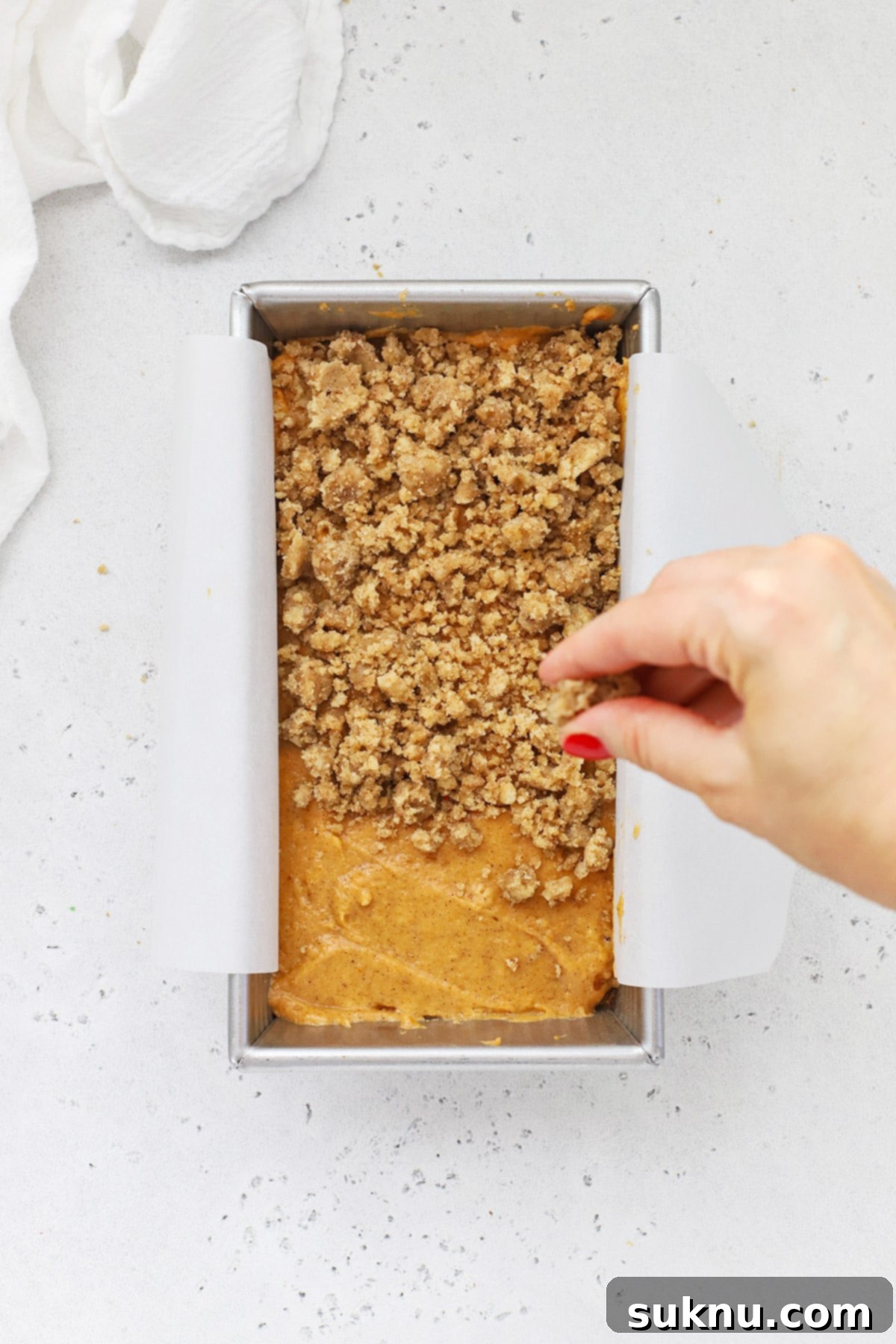
Versatile Loaf Pan
- OUR PICK: USA Pan, Wilton
- USES: Banana bread, various yeasted breads, delectable quick breads, elegant loaf cakes, classic pound cakes, and even meatloaf.
A high-quality loaf pan is a cornerstone of any baker’s collection, proving its worth across a myriad of kitchen projects. From crafting moist loaf cakes and seasonal pumpkin bread to hearty sandwich bread and other quick breads, its utility is undeniable. In the United States, the widely accepted standard size for a loaf pan is 8.5 x 4.5 inches. This is the size we most frequently recommend, and it’s a popular choice among countless other reputable bakers and food bloggers for its versatility and consistent results.
- Light-colored metal pans are critical for even baking. They conduct heat much more evenly and gently than their dark metal, glass, or ceramic counterparts. This characteristic is particularly vital for loaf cakes and quick breads, which often demand extended bake times—sometimes exceeding an hour. Using a light metal pan ensures that the exterior develops a beautiful golden crust without burning or drying out, simultaneously allowing sufficient time for the dense center of your loaf to cook through completely and properly.
- Seek out a brand that features sharp, well-defined edges. While admittedly a cosmetic preference, sharp edges contribute significantly to a professional, bakery-quality presentation. They give your finished loaves a neat, structured appearance that elevates their visual appeal.
- As a general rule, avoid ceramic or glass loaf pans unless the recipe specifically dictates their use. These materials heat and cool more slowly and distribute heat differently than metal, which can lead to longer bake times and an uneven texture, often resulting in an overbaked exterior and a potentially underbaked interior, especially for delicate quick breads.
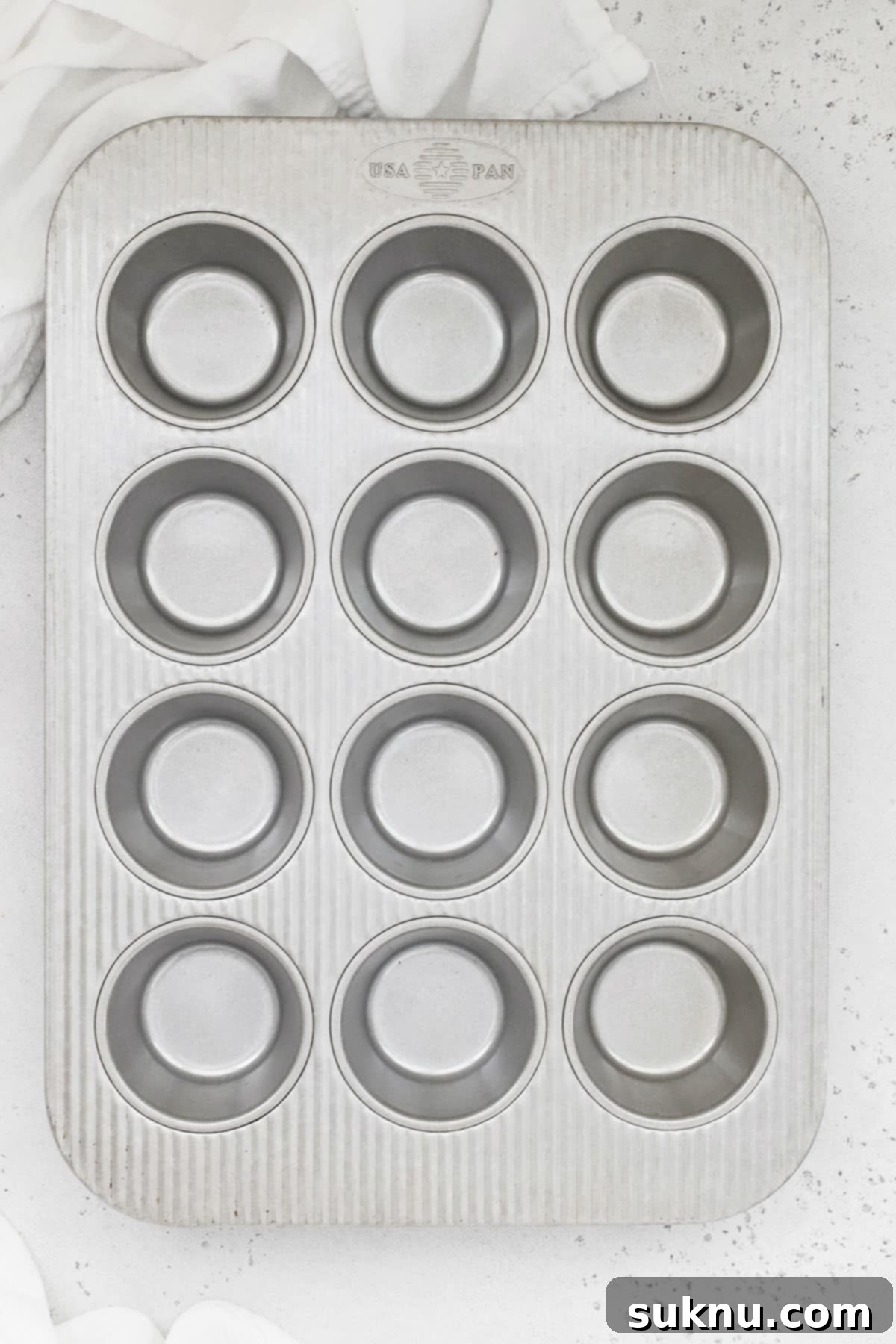
Muffin Pan/Cupcake Pan
- OUR PICK: USA Pan
- USES: Delightful cupcakes, fluffy muffins, savory mini quiches, impressive popovers, and even individual cornbread servings.
There’s an undeniable comfort and charm in a freshly baked batch of muffins or a cheerful array of cupcakes. To achieve the absolute best results—muffins with golden-brown tops and tender interiors, or cupcakes that rise perfectly and bake evenly—a superior muffin or cupcake pan is essential. True to our consistent recommendations, we advocate for a light-colored metal pan.
The reasoning remains consistent: light-colored metal conducts heat with unparalleled evenness. This property ensures a beautiful golden-brown exterior on your muffins and cupcakes, baking gently enough to allow the centers to cook through completely without any risk of overcooking or drying out the delicate crumb. Darker pans can lead to overly crisp or burnt edges before the interior is fully set. With a quality light metal pan, you’ll consistently achieve beautifully domed tops, perfectly set textures, and delicious results every single time.
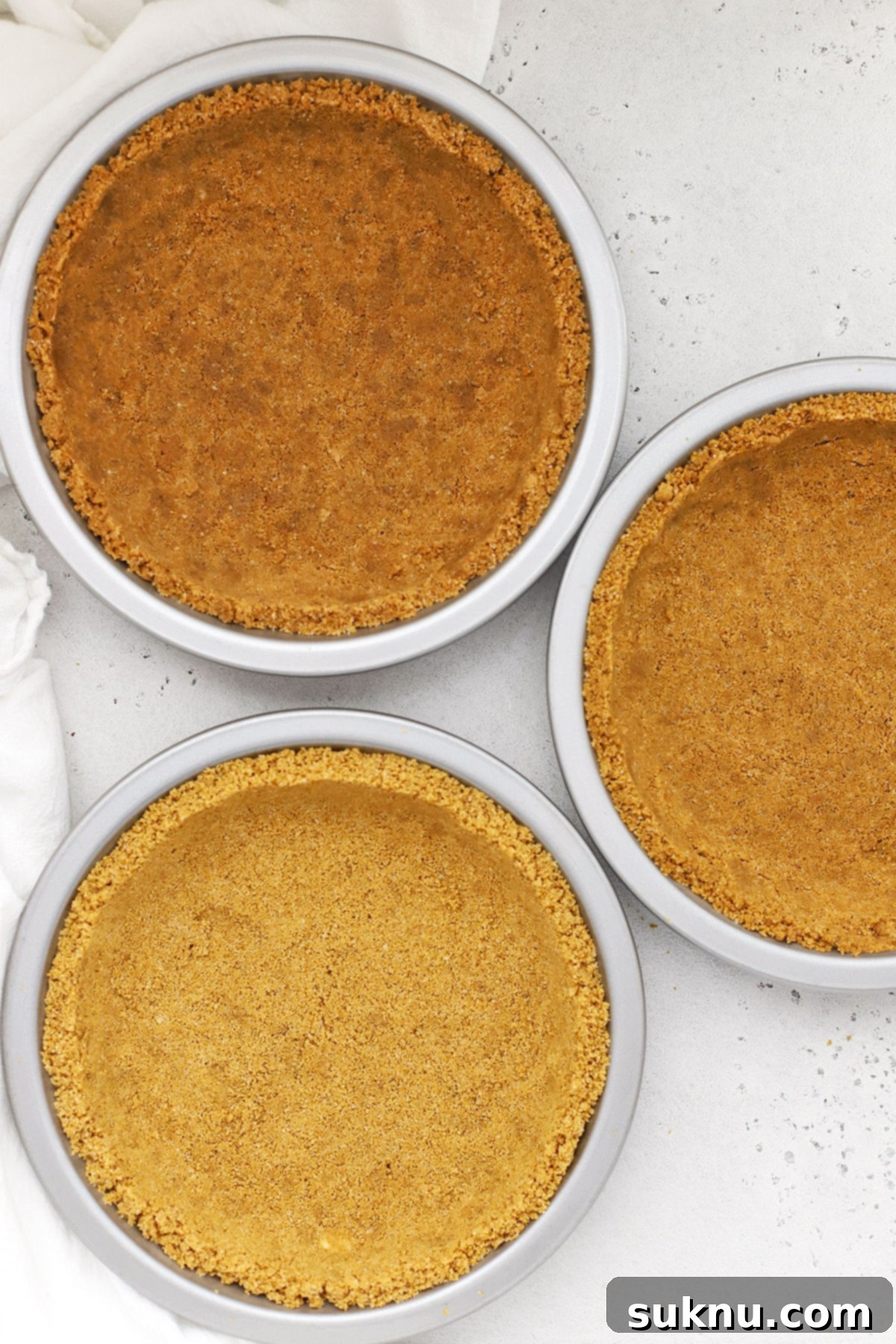
Perfect Pie Pans
- OUR PICK: USA Pan
- USES: All types of pies! From luscious cream pies, to perfectly structured graham cracker crusts, rich Oreo crusts, comforting savory pies, and much more.
The choice of pie pan plays a surprisingly significant role in the overall success and cooking time of your pie. This is one area where there isn’t a single “right” answer, as different pan materials excel in different pie-making scenarios. Understanding these nuances can elevate your pie baking from good to exceptional.
- For most standard pies, including delicate cream pies, we consistently rely on these 9-inch metal pie pans. Their even heat conduction is paramount for achieving a beautifully crisp and uniformly baked bottom crust, which is essential for preventing sogginess in custard and cream-filled pies. Furthermore, these metal pans are incredibly durable, stack efficiently for storage, and clean up easily after use.
- For robust deep-dish pies, we often opt for ceramic pie pans. Deep-dish pies typically feature a thicker filling and often require the crust to be blind-baked (pre-baked before the filling is added). Ceramic pans heat up and cool down more slowly than metal, which can be advantageous here. This slower heat transfer provides the dense interior of a deep-dish pie more time to cook through completely before the bottom crust becomes excessively browned or overcooked, ensuring a perfectly balanced bake.
Round Cake Pans
- OUR PICK: USA Pan, Fat Daddio, Wilton
- USES: Creating stunning and delicious layer cakes for any celebration.
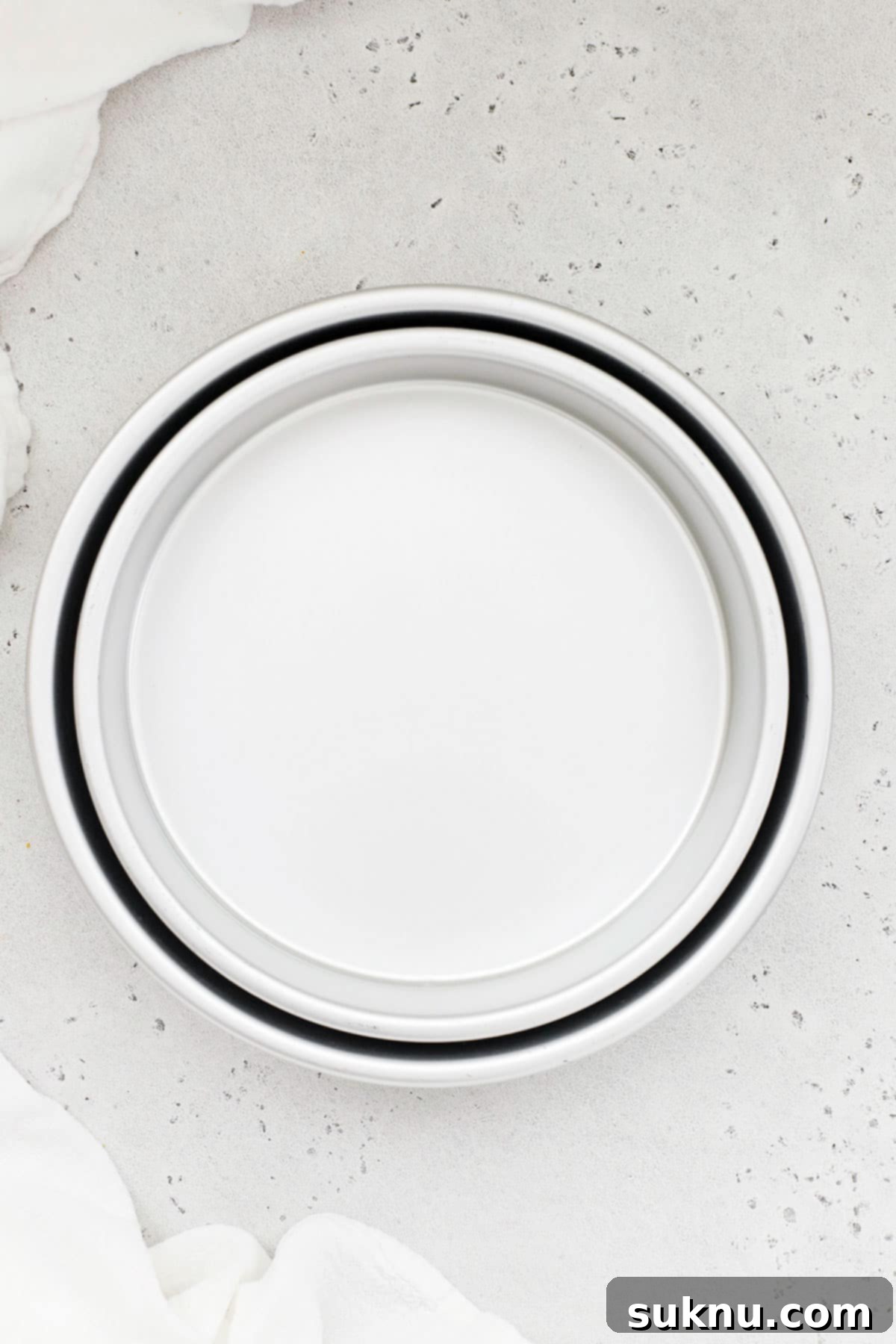
Few things evoke a sense of elegance and celebration quite like a beautifully crafted layer cake. If you’re ready to dive into the rewarding world of layer cake baking, you’ll find an astonishing array of pan sizes and shapes available. For most home bakers, we find that 8-inch or 9-inch round cake pans offer the perfect balance of versatility and manageability, suiting a wide variety of recipes and serving needs.
- An Abundance of Excellent Brands to Choose From! The world of cake baking has truly blossomed, much like the sourdough craze of 2020, offering a passionate following and more high-quality resources than ever before. When it comes to round cake pans, you’re spoiled for choice with top-tier brands. Our personal favorites, consistently delivering exceptional results, include Fat Daddio, USA Pan, and Wilton. Each offers superior construction designed for even baking and easy release.
- Consider the Number of Pans You’ll Need. Many classic layer cake recipes specify either two 9-inch layers or three 8-inch layers. To ensure efficiency and avoid re-baking in batches, we strongly recommend having at least three round cake pans on hand, especially if you plan to bake recipes that call for three or more layers. This allows for a continuous baking process and a more streamlined experience.
Specialty Pans Worth Considering
While the foundational pans discussed above form the core of any well-equipped baking kitchen, certain specialty pans can open up a world of exciting new possibilities and make specific recipes significantly easier and more successful. Here are a couple of specialty pans we find invaluable:
- Bundt Pan: A 10-12 cup Bundt pan is the ideal size for the vast majority of Bundt cake recipes. When choosing one, consider that simpler designs generally make it easier to release the cake from the pan, minimizing frustration and preserving your beautiful creation. For an exceptionally easy release, this particular Bundt pan design is widely considered one of the best choices available. Its intricate yet functional pattern helps ensure your cake comes out perfectly intact.
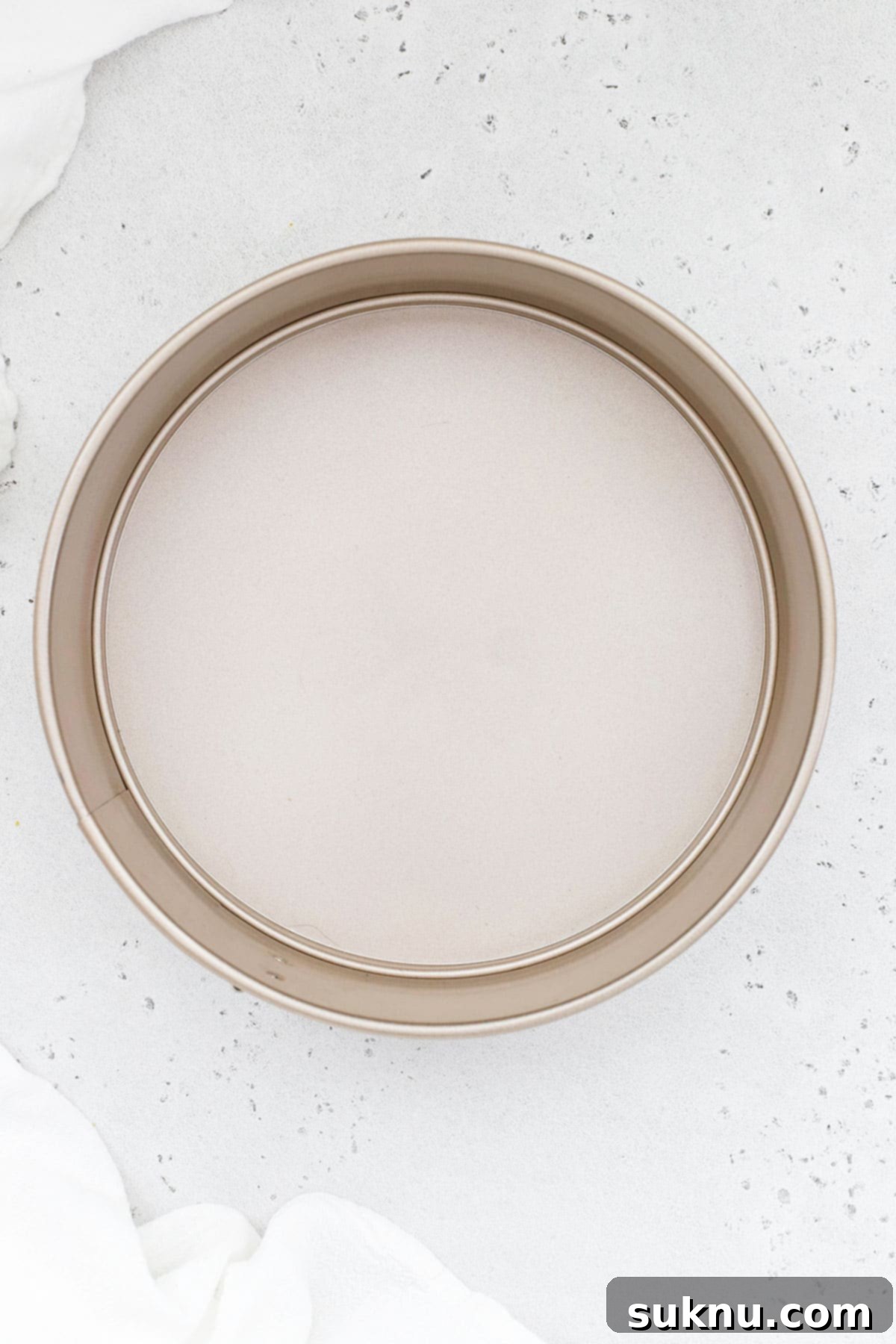
- 9-Inch Springform Pan: This pan is a game-changer for delicate desserts. Its unique design features removable sides that detach from the base, allowing for effortless unmolding without disturbing the fragile edges of your bake. It is absolutely perfect for creamy cheesecakes, elegant tarts, and certain deep-dish pizzas or quiches. For any baker serious about these types of recipes, a springform pan is 100% worth the investment and convenience it offers.
Mastering Your Baking Pans: Essential Tips & Tricks
Investing in high-quality baking pans is just the first step. Proper care and smart usage will extend their lifespan, maintain their performance, and consistently contribute to your baking success. Here are our top tips and tricks for getting the most out of your bakeware:
- Hand Wash Whenever Possible: This simple practice makes a monumental difference in the longevity and condition of your pans. Hand washing significantly reduces the likelihood of warping, scuffing, tarnishing, and corrosion compared to the harsh environment of a dishwasher. Gently clean with warm, soapy water and a soft sponge.
- Dry Them Thoroughly Immediately After Washing: While it might seem like a trivial step, allowing pans to air dry or neglecting immediate towel drying can lead to water spots, mineral build-up, and even rust, particularly on aluminum or carbon steel pans. A quick dry with a clean cloth will prevent these issues and keep your pans looking pristine.
- Line Them & Grease Properly for Optimal Release: Preventing sticking and stubborn residue is key to both easy cleanup and perfect results. Always follow recipe instructions for lining pans with parchment paper, or greasing them meticulously with butter or oil. Be cautious with commercial baking sprays; many contain flour or other additives that can leave a sticky, difficult-to-remove residue on your pans over time. If you opt for a spray, ensure it is 100% pure oil with no added flour, emulsifiers, or propellants.
- Be Mindful of Your Utensils: Treat your baking pans with care when using utensils. Sharp spatulas, knives, or metal scrapers can easily scratch, cut, or damage the non-stick coating or surface of your pans, compromising their performance and appearance. Opt for silicone, wood, or plastic utensils to protect your investment and ensure your pans last for years to come.
TIPS & TRICKS
More tips to help you:
- 8 Cookie Tools We Use All The Time
- How To Brown Butter
- 3 Ways To Separate Egg Yolks & Egg Whites
- How To Get Eggs To Room Temperature FAST
- How To Measure Flour Correctly(Scoop & Level Method)
- How To Check If Your Baking Soda & Baking Powder Are Fresh
- How To Freeze Cookie Dough (& Bake From Frozen)
Armed with this knowledge about the best baking pans and essential care tips, you are now perfectly equipped to elevate your baking endeavors. Choosing the right pan isn’t just about owning a piece of equipment; it’s about investing in the consistent success and joy of your culinary creations. Happy baking!