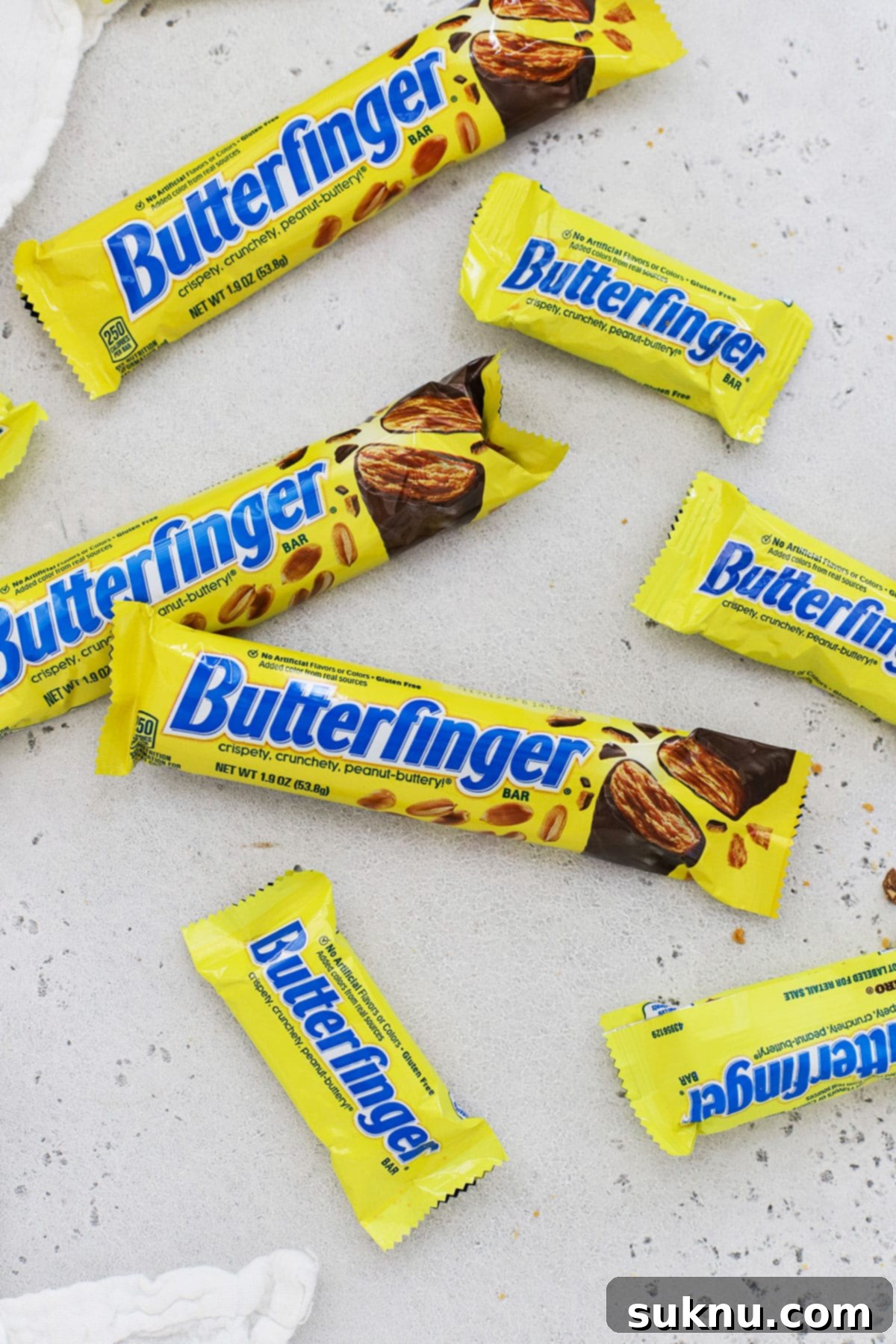
Are Butterfingers Gluten-Free? Uncover the Definitive Answer, Safe Varieties, and Essential Tips for Celiac & Gluten Sensitivities!
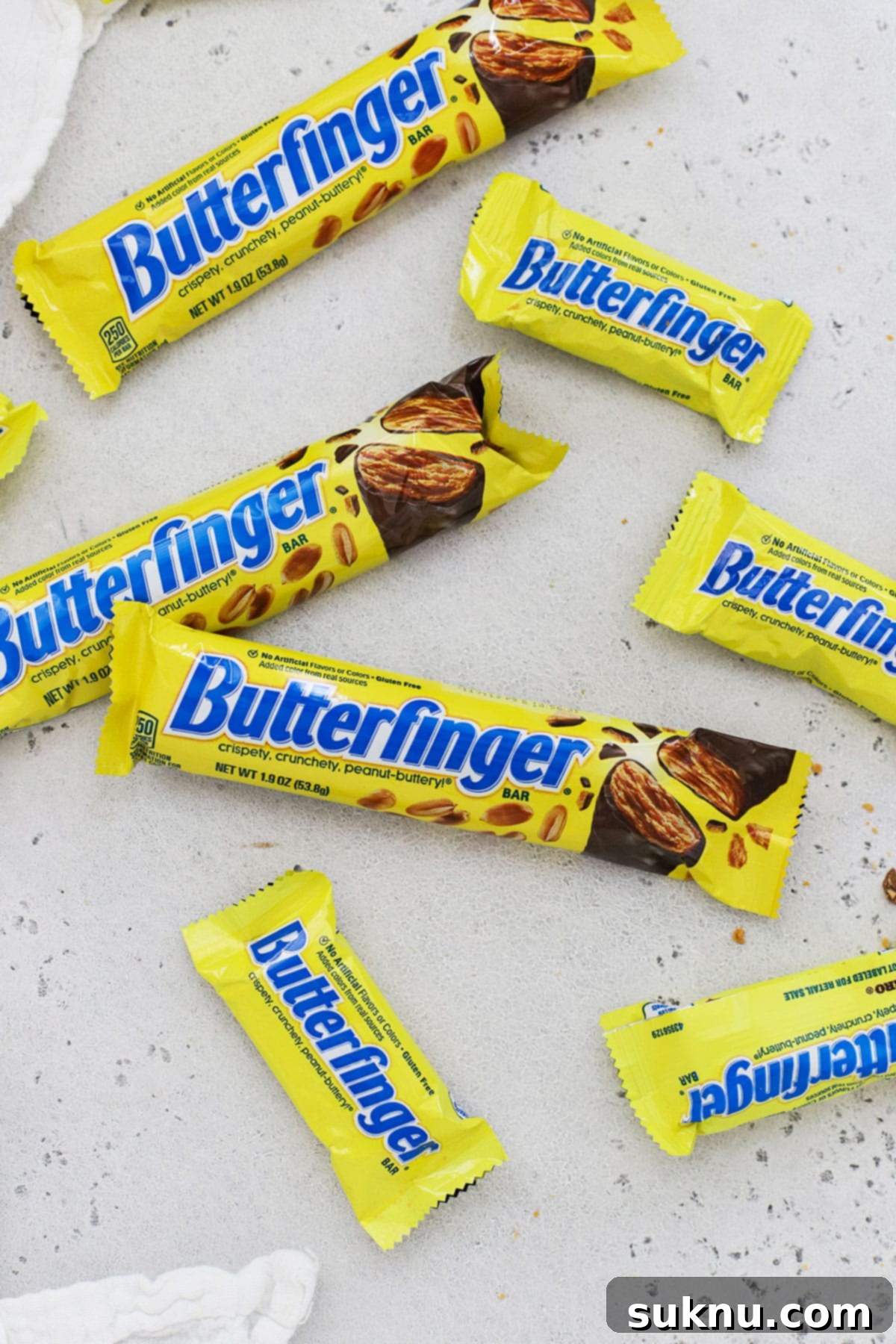
Are you a devoted Butterfinger enthusiast? You’re certainly not alone! This iconic “crispety, crunchety peanut-buttery” candy bar has captivated taste buds for over a century, ever since its invention in 1923. Its unique texture and distinctive flavor have made it a beloved treat across generations.
For many, including myself, the crunchy layers and rich peanut butter essence of a Butterfinger evoke cherished childhood memories. So, when embarking on a gluten-free journey, one of the first questions that often comes to mind is: “Can I still enjoy my favorite candy?” It’s a critical concern for anyone managing a gluten-free diet due to health reasons like Celiac disease, a wheat allergy, or non-Celiac gluten sensitivity.
Navigating the world of gluten-free treats can sometimes feel like a puzzle. Whether you’re preparing for Halloween, planning a special dessert, or simply seeking to satisfy a sweet craving, ensuring your chosen candy aligns with your dietary needs is paramount. That’s precisely why we’re dedicating this comprehensive guide to everything Butterfinger! We’ll delve into which Butterfinger varieties are safe, what ingredients to look for (and avoid), the fascinating story behind its reformulation, and offer valuable tips for a worry-free candy experience.
Let’s unwrap the facts and get you the essential information you need to enjoy your Butterfinger bars safely and deliciously!
Gluten-Free Butterfinger Bars: Your Quick Guide
- Short Answer: Are Butterfingers Gluten-Free?
- Understanding Gluten, Celiac Disease, and Gluten Sensitivity
- Butterfinger Ingredients List: A Deep Dive
- Which Kinds Of Butterfinger Are Gluten-Free?
- Critical Exceptions: What To Watch Out For
- The Butterfinger Reformulation Story
- FAQ + Tips And Tricks For Buying Gluten-Free Butterfinger Bars
- General Tips for Gluten-Free Candy Shopping
- The Bottom Line: Enjoying Butterfingers Safely
- Delightful Gluten-Free Recipes With Candy You’ve Got To Try
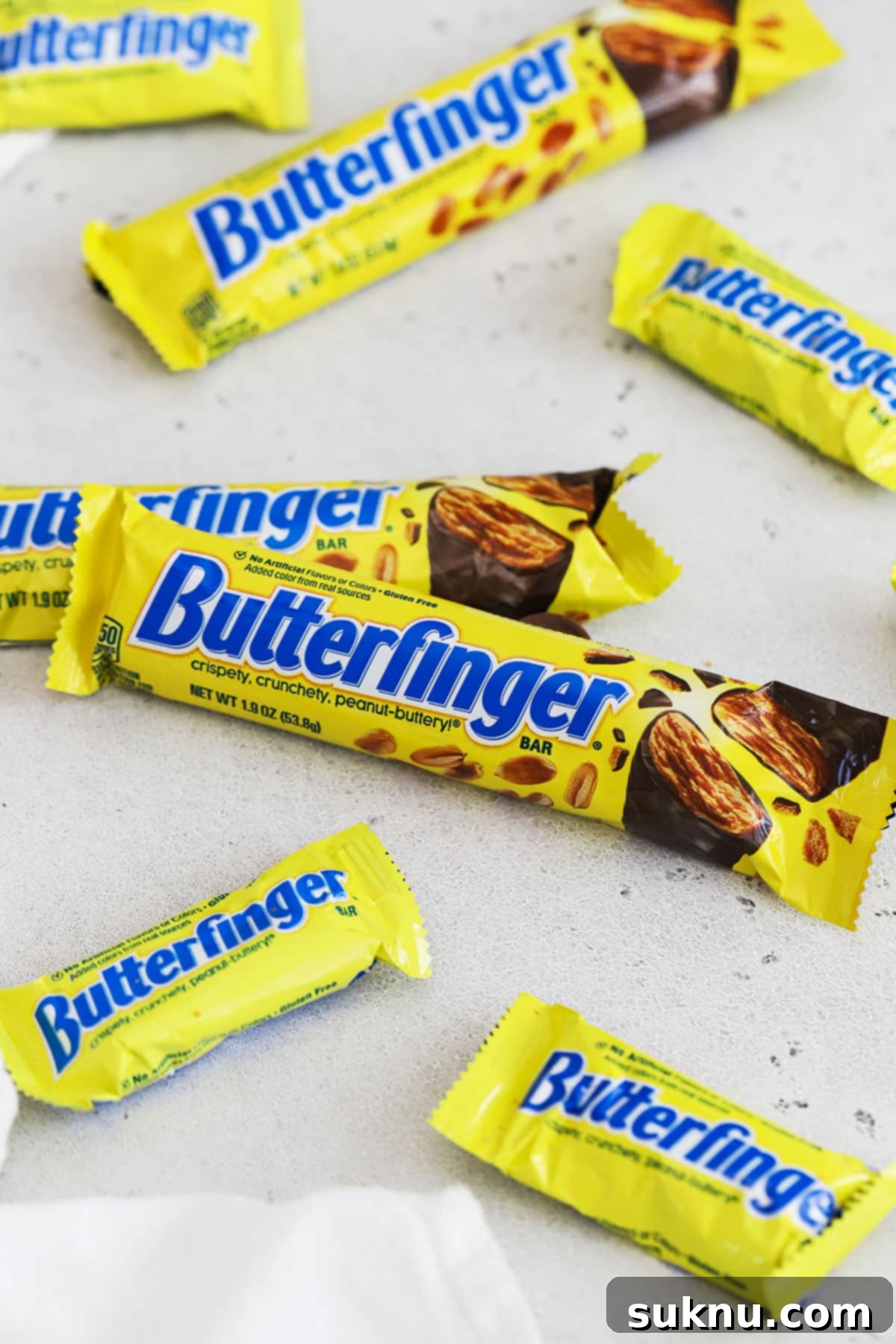
Short Answer: Are Butterfingers Gluten-Free?
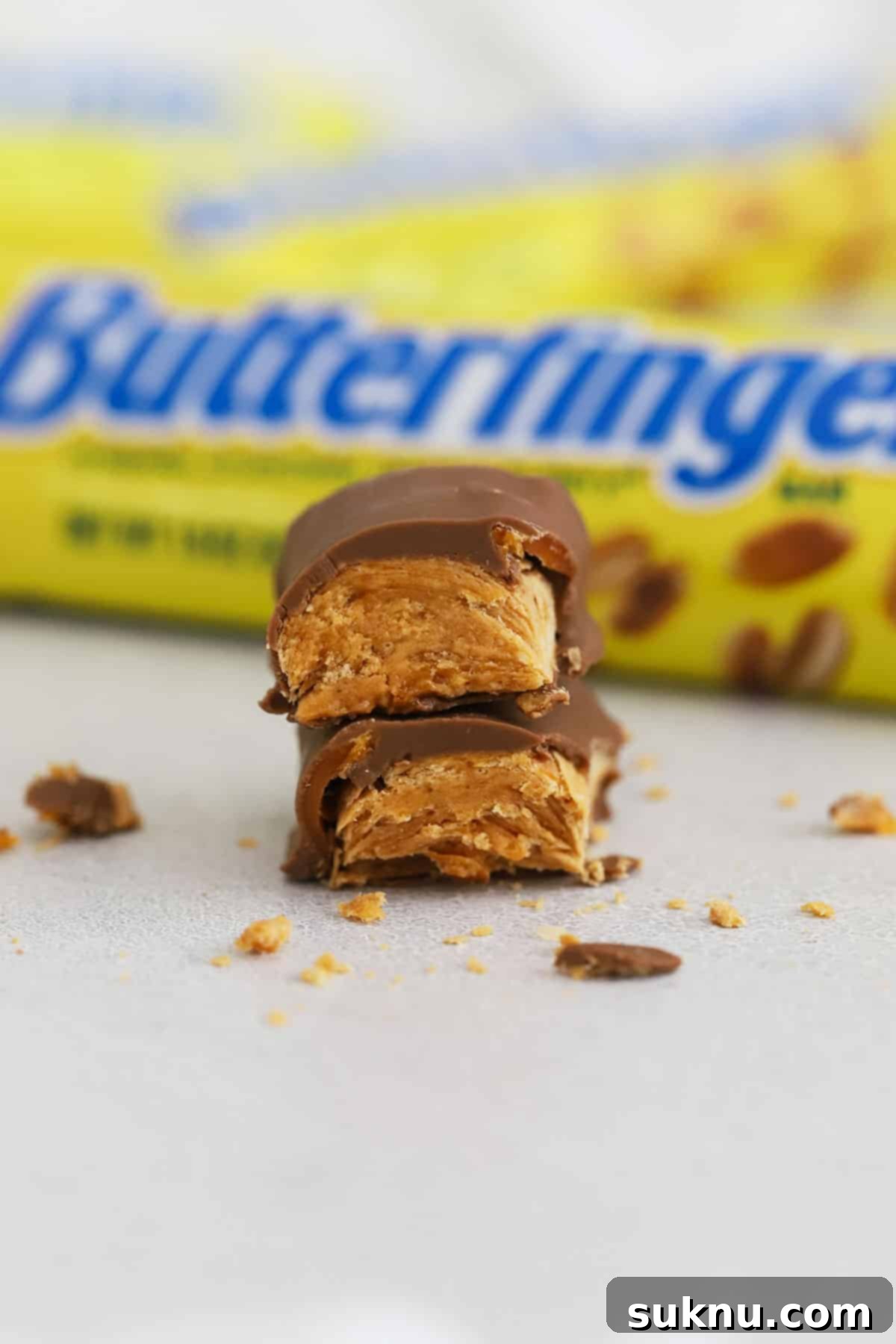
- Yes! The classic Butterfinger candy bars are explicitly labeled “gluten-free” and formulated without any gluten-containing ingredients.
Ferrero, the parent company of Butterfinger (via its subsidiary The Ferrara Candy Company), provides clear guidance on its official FAQ page. They confidently state that nearly all Butterfinger products are gluten-free, with two specific exceptions: Butterfinger Crisp and certain seasonal varieties. This commitment to clear labeling and ingredient transparency is a significant relief for those managing gluten-free diets.
Seeking More Gluten-Free Insights? We’re here to help! Explore our in-depth articles on popular treats like M&Ms, Snickers, marshmallows, Oreos, graham crackers, corn flakes, sprinkles, and a wealth of other gluten-free tips!
Understanding Gluten, Celiac Disease, and Gluten Sensitivity
Before diving deeper into Butterfinger’s ingredients, it’s helpful to understand what gluten is and why it’s a concern for many. Gluten is a family of proteins found in grains like wheat, barley, and rye. It acts as a “glue” that holds food together, giving it elasticity and texture.
- Celiac Disease: This is an autoimmune disorder where ingesting gluten leads to damage in the small intestine, impairing nutrient absorption. For individuals with Celiac disease, even tiny amounts of gluten can cause significant health issues.
- Non-Celiac Gluten Sensitivity (NCGS): People with NCGS experience symptoms similar to Celiac disease (digestive upset, fatigue, headaches) after consuming gluten, but without the intestinal damage associated with Celiac.
- Wheat Allergy: This is an allergic reaction to proteins found in wheat, which can be life-threatening. While wheat contains gluten, a wheat allergy is distinct from Celiac disease or gluten sensitivity.
For all these conditions, strictly avoiding gluten-containing ingredients is crucial for health and well-being. This makes clear labeling from food manufacturers incredibly important.
Butterfinger Ingredients List: A Deep Dive
Knowing that the main Butterfinger bar is labeled gluten-free is reassuring, but let’s examine the ingredient list closely to understand why. Understanding each component can help build confidence in its safety.
- Corn Syrup: Derived from corn, which is naturally gluten-free. It provides sweetness and helps create the candy’s texture.
- Sugar: A simple carbohydrate, sugar is inherently gluten-free.
- Peanuts: The star of the show! Peanuts are legumes and are naturally gluten-free, providing the distinctive nutty flavor and much of the “peanut-buttery” character.
- Vegetable Oil (Palm Kernel And Palm Oil): These oils are extracted from palm fruit and kernels. All vegetable oils, including palm oil, are gluten-free.
- Peanut Flour: Made from ground peanuts, this ingredient is also naturally gluten-free and enhances the peanut flavor and texture.
- Nonfat Milk: Dairy products like nonfat milk are gluten-free.
- Less Than 2% of Cocoa, Milk, Salt, Soy Lecithin, Natural Flavors, and Annatto Color:
- Cocoa & Milk: Gluten-free ingredients, providing chocolate notes and creamy richness.
- Salt: A mineral, naturally gluten-free.
- Soy Lecithin: An emulsifier derived from soybeans, which are gluten-free. It helps to bind ingredients together and maintain consistency.
- Natural Flavors: While “natural flavors” can sometimes be a gray area, in a product labeled “gluten-free” by a reputable company like Ferrero, these flavors are guaranteed to be free of gluten-containing components.
- Annatto Color: A natural food coloring derived from the annatto tree seeds, it is gluten-free.
The allergy statement on Butterfinger packaging clearly lists potential allergens: Milk, Peanut, and Soy. Notably, it does *not* list wheat or gluten for the standard bar, which aligns with its gluten-free labeling. This transparency is crucial for consumers with various dietary restrictions.
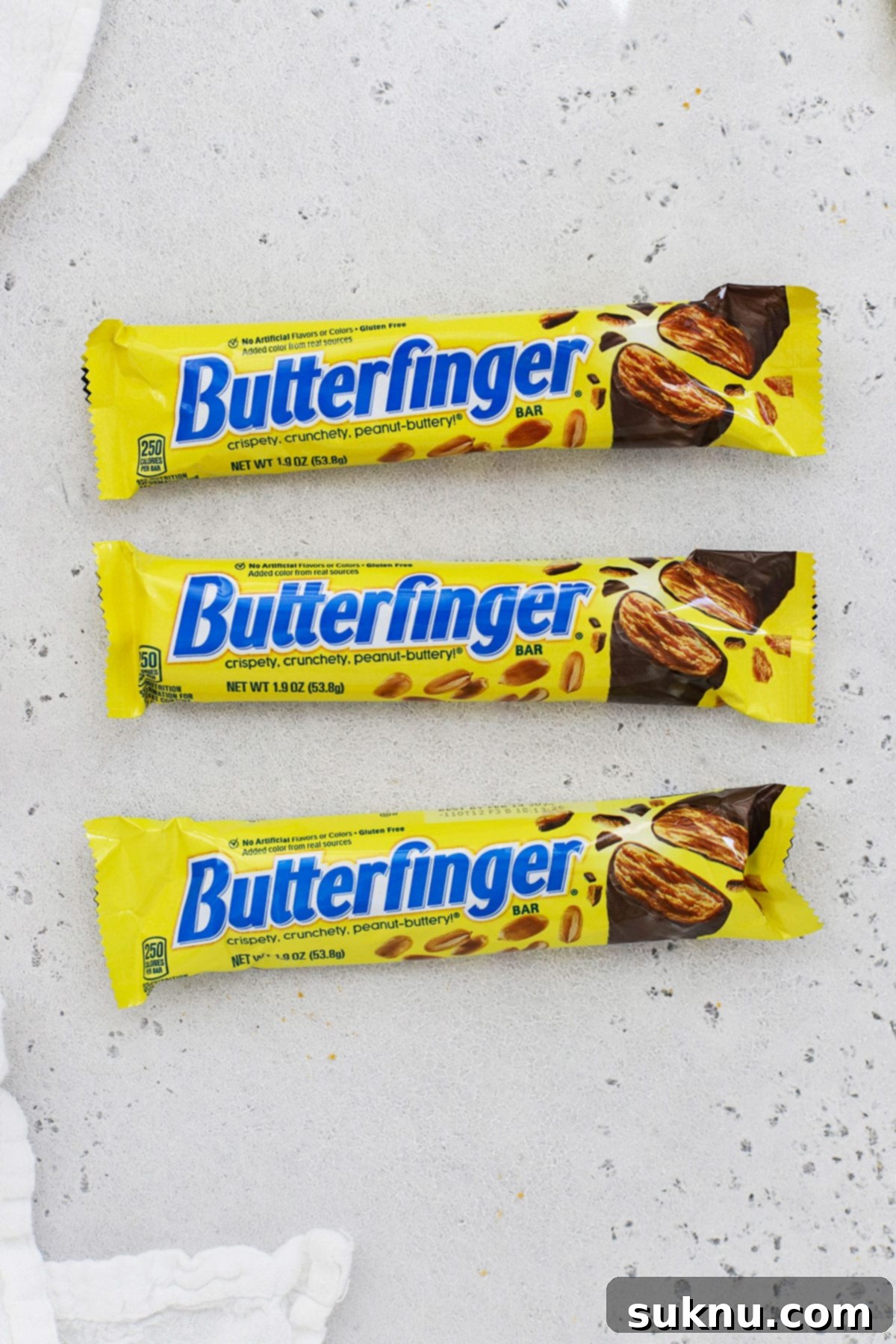
Which Kinds Of Butterfinger Are Gluten-Free?
Ferrero, Butterfinger’s parent company, makes it clear that the vast majority of Butterfinger products are gluten-free. This commitment ensures that fans can enjoy their favorite treat in various forms. The following Butterfinger products are confirmed to be gluten-free:
- Butterfinger (Original Bar): The classic, full-size candy bar that started it all.
- Butterfinger Share Pack: Larger packs of individual bars, perfect for sharing (or not!).
- Butterfinger Fun Size: The smaller, individually wrapped bars often distributed during holidays like Halloween.
- Butterfinger Minis: Even smaller versions, ideal for quick treats or for baking.
- Butterfinger Unwrapped Minis: Similar to Minis, but without individual wrappers, often found in bags.
- Butterfinger Bites: Small, poppable pieces of Butterfinger.
- Butterfinger Baking Bits: Specifically designed for baking, these chopped pieces bring the Butterfinger flavor and crunch to cookies, brownies, and more.
- Butterfinger Dessert Toppers: Similar to baking bits, these are perfect for sprinkling over ice cream or other desserts.
These varieties are produced with gluten-free ingredients and adhere to strict manufacturing practices to maintain their gluten-free status.
Critical Exceptions: What To Watch Out For
While the news is overwhelmingly positive for Butterfinger lovers on a gluten-free diet, it’s crucial to be aware of the two main exceptions where gluten may be present. Always remember to check the packaging carefully, as product formulations and manufacturing practices can sometimes change.
- Butterfinger Crisp Bars: This particular product is NOT gluten-free. Unlike the original Butterfinger, Butterfinger Crisp bars contain wheat flour as an ingredient. Always double-check the product name and ingredient list before purchasing if you have Celiac disease or gluten sensitivity.
- Some Seasonal Butterfinger Shapes: This is where attention to detail becomes paramount. While the ingredients in these special shapes (like Halloween Skulls, Easter eggs, or Christmas shapes) might be naturally gluten-free, their manufacturing process can pose a risk. Seasonal products are sometimes produced in different facilities or on shared lines that also process wheat-containing products. This increases the potential for cross-contamination. These products will have an explicit allergen statement on their packaging, such as: “May Contain: Milk, Peanut, Soy. May Contain Tree Nuts, Wheat.” If you see “May Contain Wheat,” it is NOT safe for a gluten-free diet. Always read the allergen warnings carefully on any seasonal or specialty Butterfinger product.
The Butterfinger Reformulation Story
The Butterfinger candy bar has a rich history, having been owned and produced by various companies since its inception. A significant change occurred in 2018 when Ferrero acquired Butterfinger from Nestlé. This acquisition brought about a notable reformulation of the classic candy bar, a move that stirred curiosity among long-time fans.
Ferrero’s primary goal with the reformulation was to enhance the quality of the ingredients and align the product with modern consumer preferences for cleaner labels. The key changes included:
- Removal of Hydrogenated Oils: These fats were replaced with non-hydrogenated vegetable oils, addressing concerns about trans fats and overall health.
- Elimination of TBHQ: Tertiary butylhydroquinone (TBHQ) is a synthetic antioxidant (preservative) that was removed from the ingredient list, catering to the demand for fewer artificial additives.
- Improved Peanut Quality: Ferrero committed to sourcing higher-quality peanuts, aiming for an even richer and more authentic peanut flavor.
- Utz-Certified Cocoa Powder: The cocoa powder used was switched to Utz-certified, indicating a commitment to sustainable farming practices and responsible sourcing.
While some fans noted a subtle shift in taste or texture after the reformulation, the overall aim was to improve the product’s quality and appeal without compromising its iconic “crispety, crunchety” essence. Importantly for our discussion, these changes did not introduce gluten into the standard Butterfinger bar; in fact, Ferrero’s explicit gluten-free labeling efforts have been highly beneficial for the gluten-free community.
FAQ + Tips And Tricks For Buying Gluten-Free Butterfinger Bars
Let’s address some common questions and offer practical advice for enjoying Butterfingers safely on a gluten-free diet:
Are Butterfingers Safe For Celiac Disease? Yes, the standard Butterfinger candy bars (including original, Fun Size, Minis, Share Packs, Bites, Baking Bits, and Dessert Toppers) are considered safe for individuals with Celiac disease and gluten intolerance. They do not contain gluten-containing ingredients and are clearly labeled “gluten-free” by Ferrero. Reputable organizations like Celiac.org frequently include them on their lists of safe gluten-free candies. The crucial exception, as always, is Butterfinger Crisp bars, which are NOT gluten-free and should be avoided by anyone with Celiac disease.
Are Butterfinger Bits Gluten-Free? Absolutely! Butterfinger Baking Bits and Dessert Toppers share the same gluten-free ingredient profile as the traditional Butterfinger candy bars. They are also labeled gluten-free, making them a fantastic and safe addition to your gluten-free baking projects, from brownies to cookies and ice cream sundaes.
Are Seasonal Butterfinger Shapes Gluten-Free? This requires careful attention. While the core ingredients in seasonal shapes (like Halloween skulls or holiday-themed bars) are typically the same as regular Butterfingers, their production can differ. Some seasonal products might be manufactured in facilities or on lines that also process wheat-containing products, leading to a risk of cross-contamination. Always check the allergen label on the product packaging. If you see “May Contain Wheat” or any other gluten-related warning, it’s best to err on the side of caution and avoid it.
Was Butterfinger Reformulated? Yes, as discussed, Butterfinger was reformulated after Ferrero purchased the brand from Nestlé in 2018. The changes included removing hydrogenated oils and the preservative TBHQ, and upgrading to high-quality peanuts and Utz-certified cocoa powder. These changes aimed to improve ingredient quality and align with consumer demand for cleaner labels, without compromising the gluten-free status of the main product line.
General Tips for Gluten-Free Candy Shopping
Expanding beyond just Butterfinger, here are some invaluable tips for confidently choosing any candy when following a gluten-free diet:
- Always Read Labels: This is the golden rule. Ingredient lists and allergen statements are your best friends. Don’t assume a product is safe just because a similar item from the same brand is. Formulations can vary.
- Look for “Gluten-Free” Certification: In the United States, products labeled “gluten-free” must meet FDA standards, meaning they contain less than 20 parts per million (ppm) of gluten. This label offers a high level of assurance.
- Be Wary of “May Contain Wheat/Gluten” Statements: If you see these warnings, it means there’s a risk of cross-contamination. For those with Celiac disease or severe gluten sensitivity, it’s best to avoid these products.
- Check Manufacturer Websites: For specific questions or the most up-to-date information, always refer to the candy manufacturer’s official website or contact their customer service. Their FAQ sections are often very helpful.
- Seasonal and Holiday Candies: Exercise extra caution during holidays like Halloween, Easter, and Christmas. As seen with Butterfinger, seasonal shapes are more likely to be produced in different facilities with cross-contamination risks.
- Unwrapped vs. Wrapped: Bulk bins of unwrapped candies are a high-risk area for cross-contamination, even if the individual candy itself is gluten-free. Stick to individually wrapped products.
- New Products: Be extra diligent with new product releases. Always check the label, even if the brand is generally reliable for gluten-free options.
The Bottom Line: Enjoying Butterfingers Safely
For individuals managing Celiac disease, gluten intolerance, or a wheat allergy, the good news is that most Butterfinger candy bars are a safe and delicious choice. The classic Butterfinger bar, along with its various sizes and forms like Fun Size, Minis, Bites, and Baking Bits, are explicitly labeled gluten-free by Ferrero. These products are made without gluten-containing ingredients and are generally safe for consumption.
However, vigilance is key. Remember the two critical exceptions: avoid Butterfinger Crisp bars, which contain wheat, and exercise caution with certain seasonal Butterfinger shapes. Always take a moment to carefully read the product packaging, especially the ingredient list and allergen statement, to identify any “May Contain Wheat” warnings. By staying informed and making mindful choices, you can continue to enjoy the “crispety, crunchety, peanut-buttery” goodness of Butterfinger bars without worry.

Delightful Gluten-Free Candy Treats To Try:
Now that you’re confident in your Butterfinger knowledge, why not incorporate your favorite safe candies into some mouth-watering gluten-free recipes? Here are a few ideas to get you started:
- Easy Gluten-Free M&M Brownies
- Gluten-Free Brown Butter Toffee Chocolate Chip Cookies
- Gluten-Free Reese’s Cookies
- Soft & Chewy Gluten-Free M&M Cookies
- Gluten-Free Peanut Butter Cup Brownies