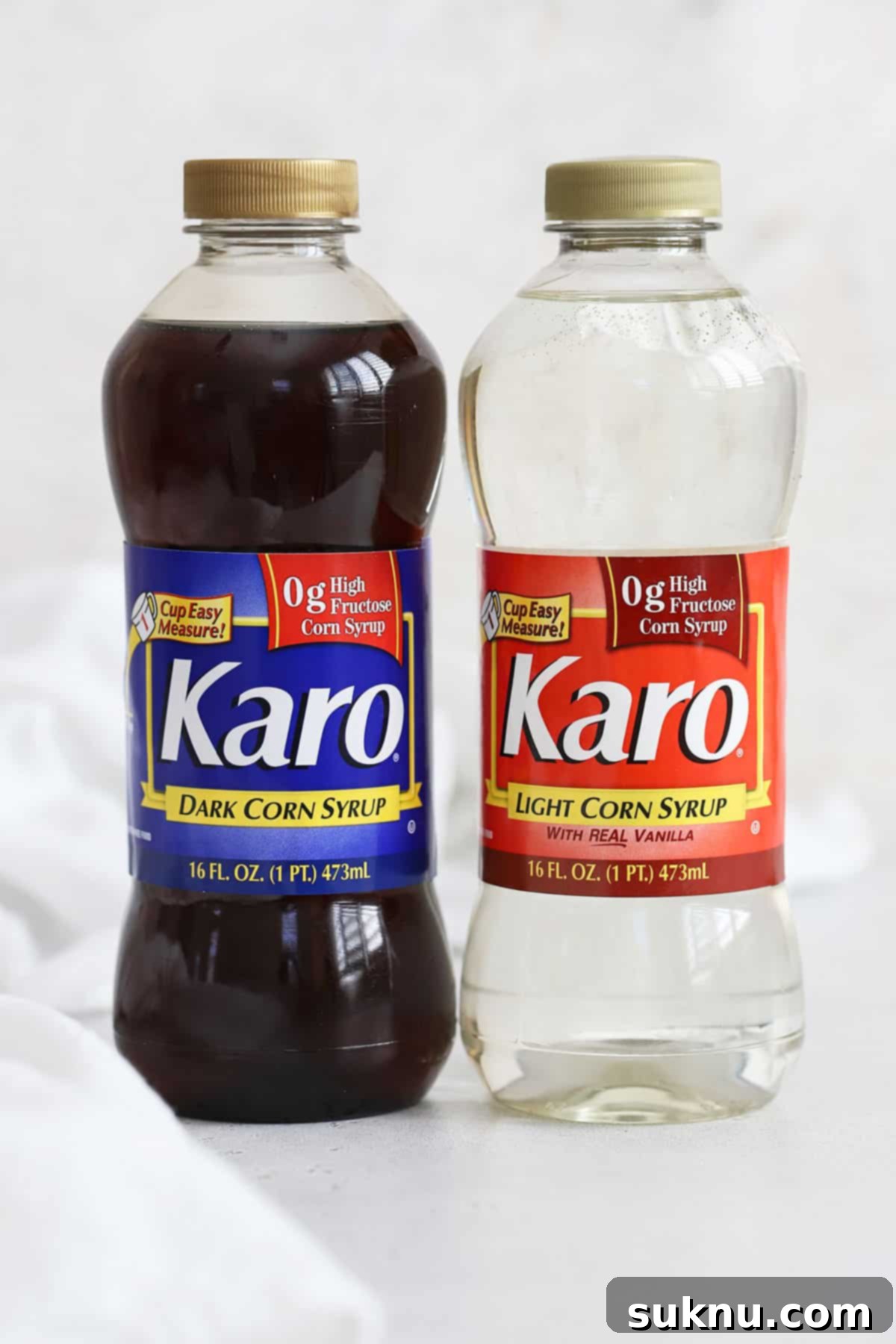
Navigating the world of gluten-free eating can be challenging, especially when it comes to common ingredients like sweeteners. A frequently asked question among those with gluten sensitivities or celiac disease is: “Is corn syrup gluten-free?” This comprehensive guide will provide clarity on corn syrup, including popular brands like Karo syrup, what to look for on labels, and its role in gluten-free baking.
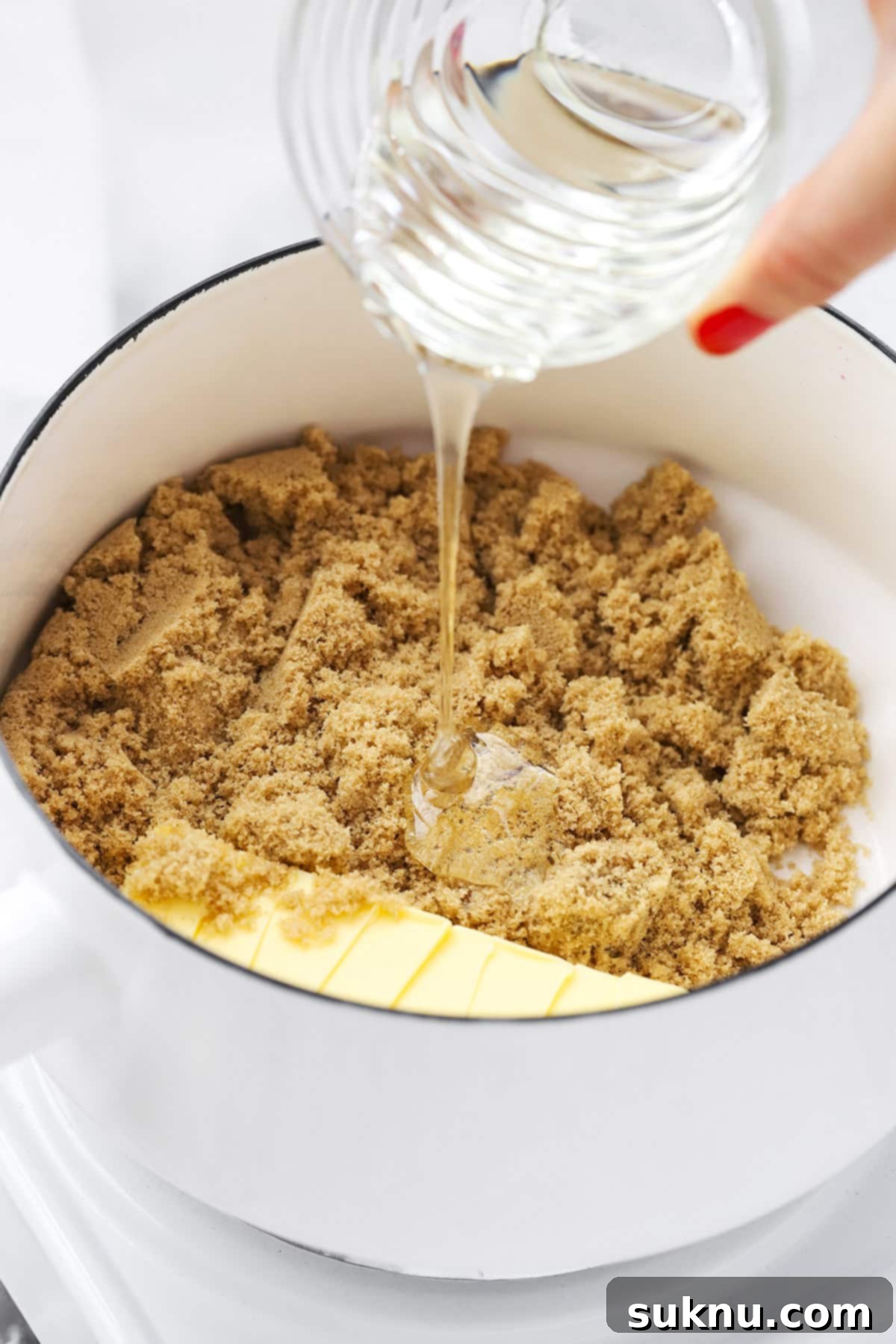
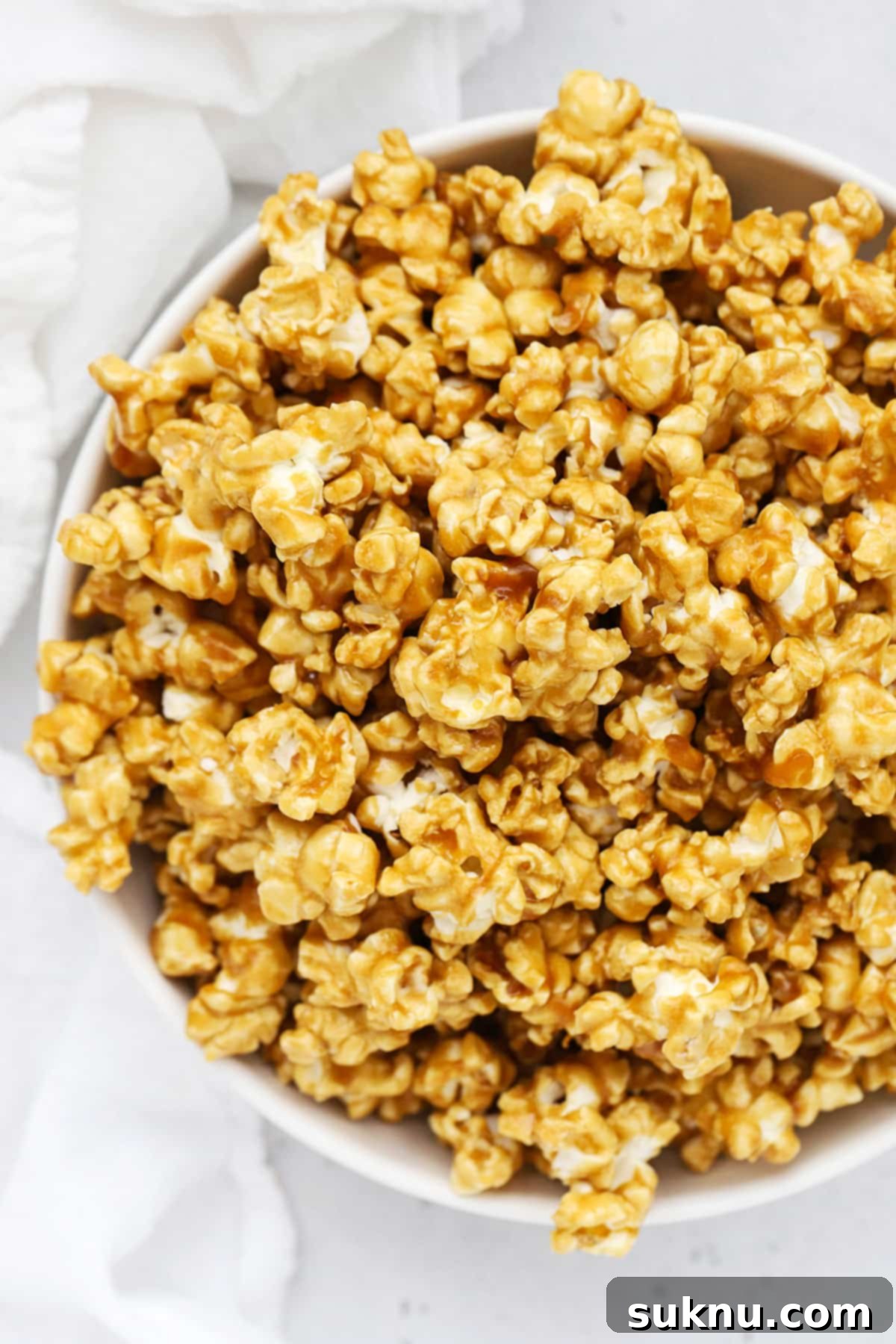
While corn syrup often receives criticism regarding its health implications, its utility in the culinary arts, particularly in baking, is undeniable. It’s a versatile ingredient that plays a crucial role in achieving specific textures and consistencies that other sweeteners simply cannot replicate. From adding a delightful gloss to a luscious chocolate frosting to contributing a crispy crunch in caramel popcorn, or even ensuring the smooth texture of a salted caramel sauce, corn syrup is a valuable tool in many kitchens.
Beyond home baking, corn syrup is also a prevalent ingredient in a vast array of processed foods. This means that whether you’re meticulously scrutinizing food labels at the grocery store or crafting a delicious dessert from scratch, understanding its gluten-free status is essential for maintaining a strict gluten-free diet. Let’s delve into everything you need to know about corn syrup, including details about brands like Karo syrup, its composition, and delicious recipes that incorporate it safely.
Gluten-Free Corn Syrup At A Glance:
- Short Answer: Is Corn Syrup Gluten-Free?
- Understanding Corn Syrup: Ingredients and Composition
- Is Karo Syrup Gluten-Free?
- What To Watch Out For: Cross-Contamination & Label Reading
- Corn Syrup vs. Karo Syrup: Clarifying the Brand Distinction
- Corn Syrup vs. High Fructose Corn Syrup: A Key Distinction
- Which Kinds Of Corn Syrup Are Gluten-Free? Trusted Brands
- FAQ + Tips And Tricks For Using Corn Syrup in Gluten-Free Cooking
- The Bottom Line: Your Guide to Gluten-Free Corn Syrup
Short Answer: Is Corn Syrup Gluten-Free?
- Yes, in its pure form, corn syrup is naturally gluten-free. It is derived from corn starch, which does not contain gluten proteins. Consequently, most corn syrup products are labeled gluten-free and contain no gluten-containing ingredients. However, it is always crucial for individuals with celiac disease or severe gluten sensitivities to carefully examine nutrition labels for any potential allergens or warnings regarding processing.
Understanding Corn Syrup: Ingredients and Composition
Corn syrup is a sweetener made from the starch of corn. The process involves treating corn starch with enzymes to break it down into glucose. This glucose-rich syrup is then purified to create the final product. Unlike regular sugar, which is sucrose (a disaccharide of glucose and fructose), corn syrup is primarily composed of glucose molecules. This unique composition gives it distinct properties that are highly valued in baking and confectionery.
Let’s look at the typical ingredient list for common varieties found in grocery stores:
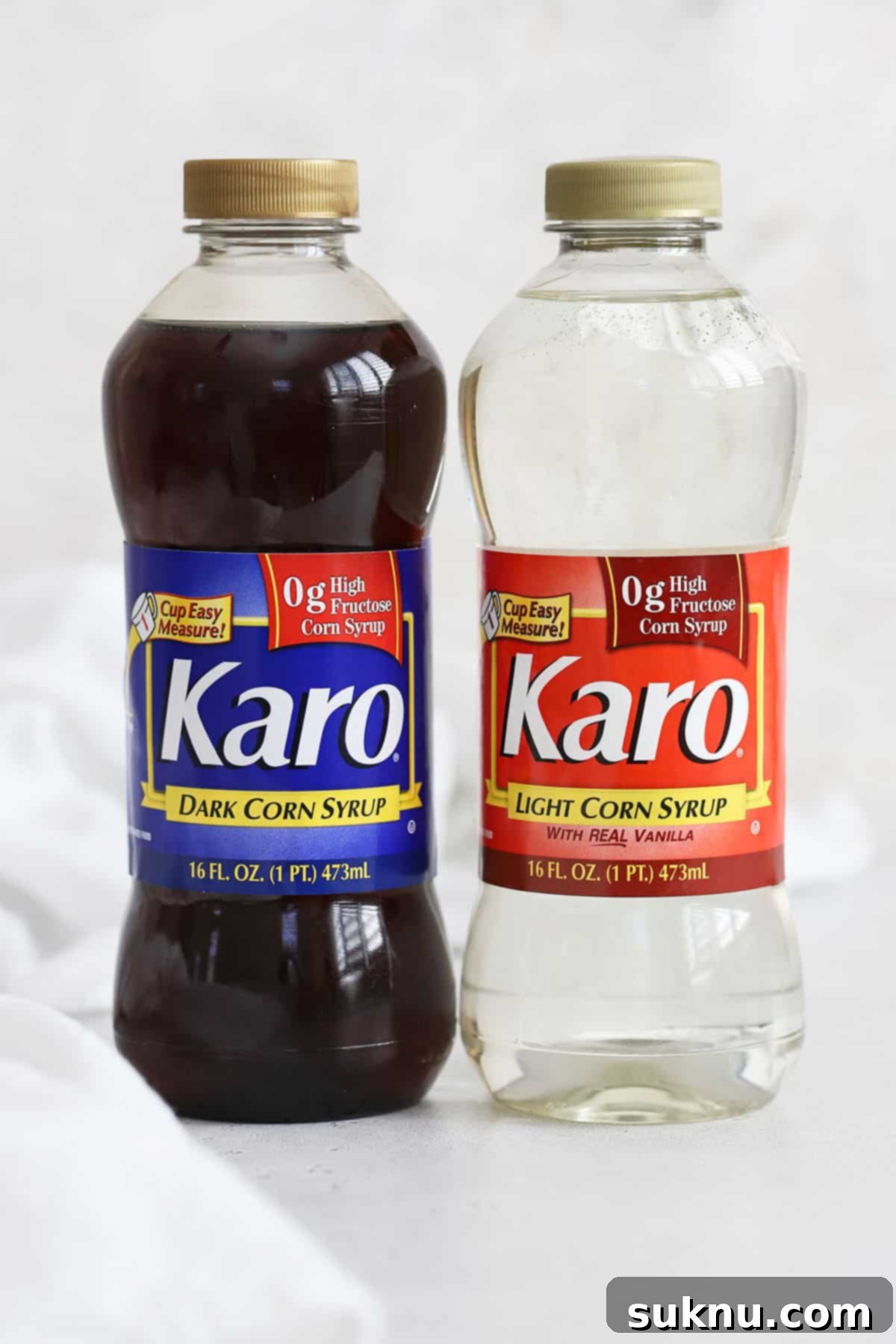
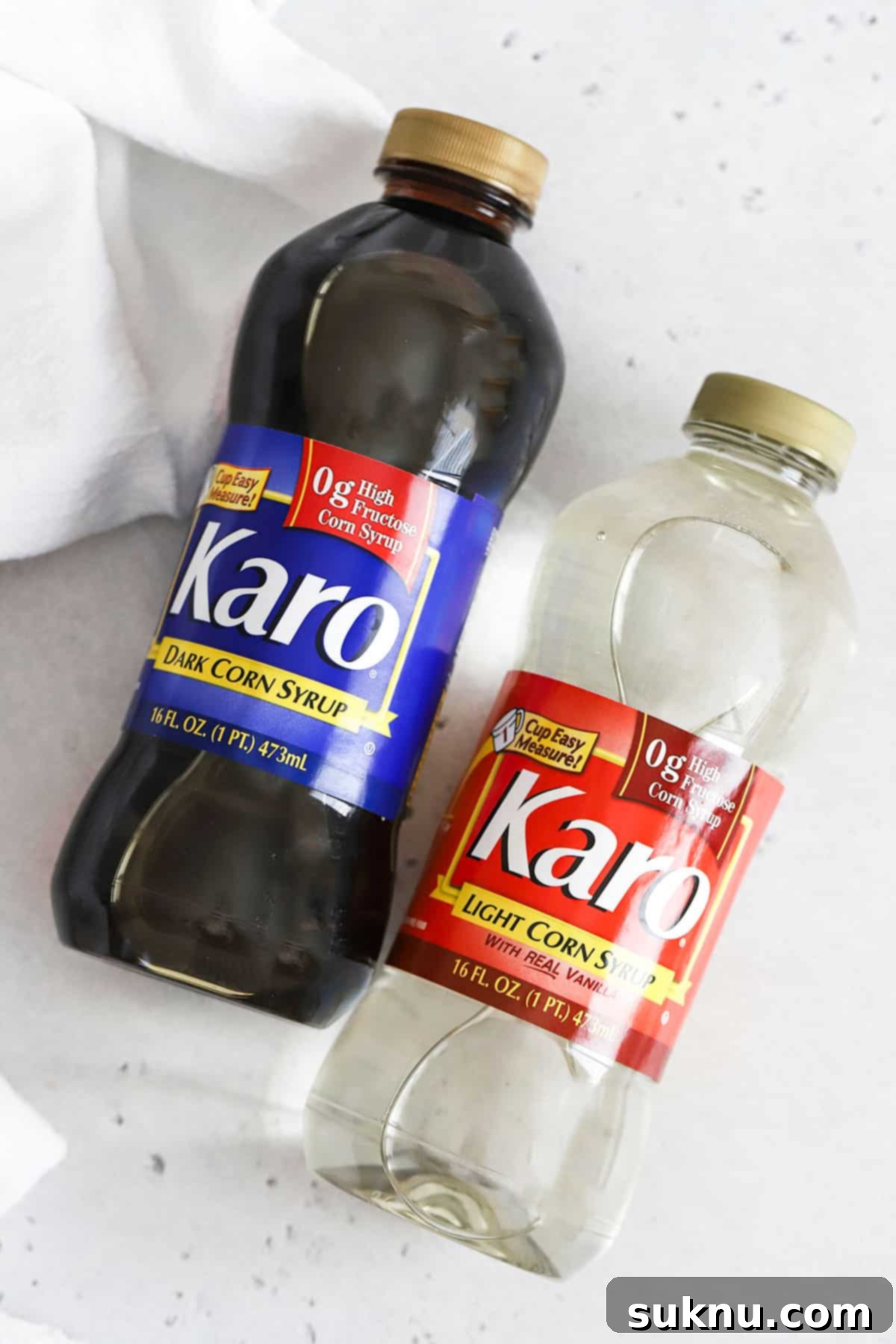
- Light Corn Syrup: Typically contains Corn Syrup, Salt, and Vanilla Extract (which itself is usually a mixture of vanilla beans, water, and ethyl alcohol). All these components are inherently gluten-free.
- Dark Corn Syrup: This variety includes Corn Syrup, Molasses, Salt, and often Sodium Benzoate (a preservative). Molasses is a byproduct of sugar refining and is also gluten-free.
As you can see, the core ingredients for both light and dark corn syrup are naturally free of gluten. Many reputable brands go a step further by explicitly labeling their products as “gluten-free,” which provides an extra layer of assurance for consumers.
Is Karo Syrup Gluten-Free?
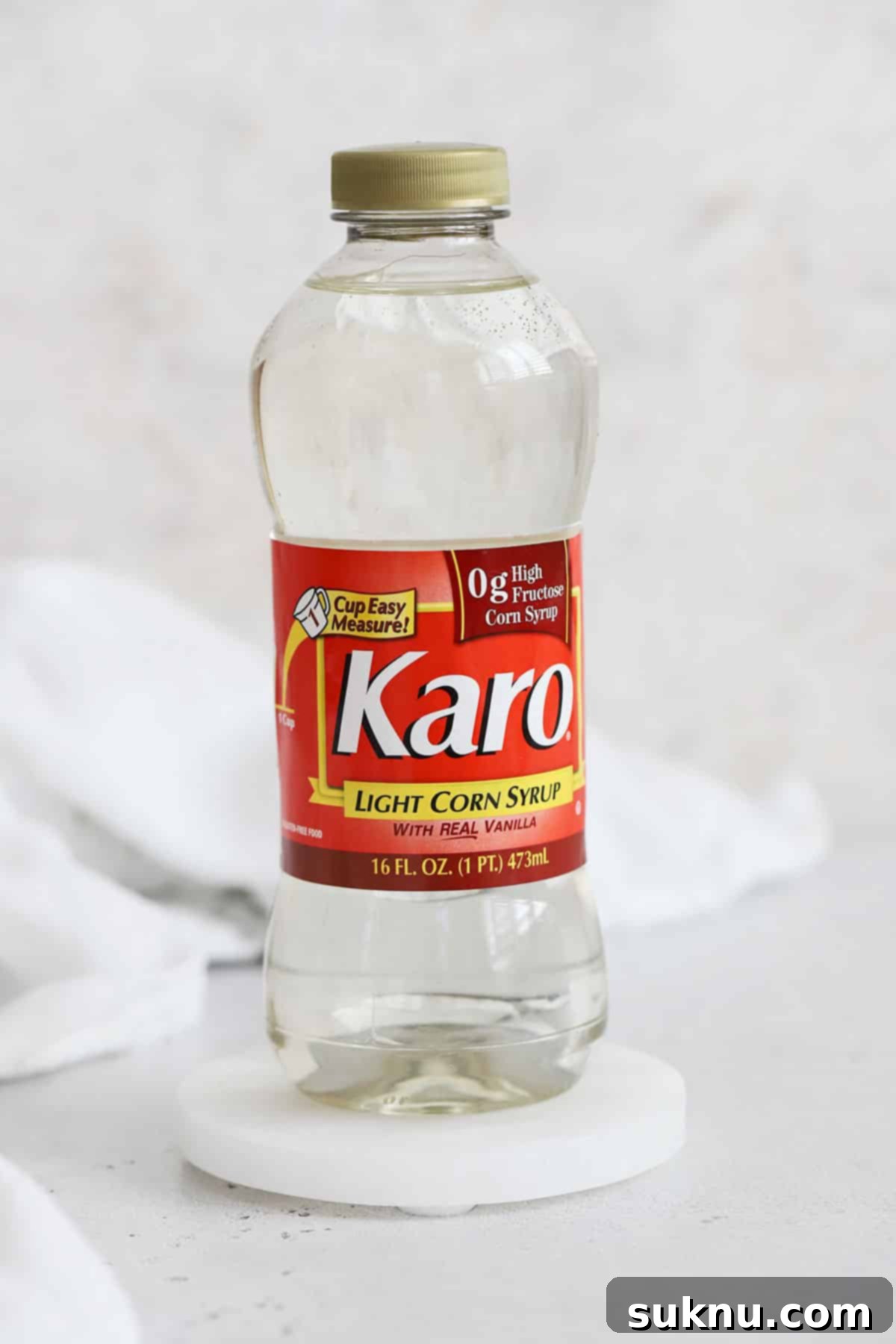
Absolutely! Karo syrup, one of the most widely recognized brands of corn syrup, confirms that all its products are gluten-free. According to Karo syrup’s official website, “All Karo® Syrups are gluten free and are produced in a facility free of gluten.” This statement offers significant peace of mind for consumers relying on Karo products for their gluten-free recipes.
Seeking More Gluten-Free Insights? We’re here to help you navigate the gluten-free landscape! Explore our detailed articles on popular foods like M&Ms, marshmallows, Oreos, graham crackers, corn flakes, sprinkles, and many more gluten-free tips to empower your dietary choices!
What To Watch Out For: Cross-Contamination & Label Reading
While corn syrup itself is gluten-free, the primary concern for individuals on a strict gluten-free diet is potential cross-contamination. This occurs when gluten-free ingredients come into contact with gluten-containing ingredients during the manufacturing process. Many food manufacturers process a variety of products on shared equipment or within the same facilities, which can introduce a risk of gluten exposure.
To mitigate this risk, it’s crucial to carefully read food labels beyond just the ingredient list. Look for explicit allergen statements. Many brands in the food industry will disclose if a product is processed in a facility that also handles common allergens, including wheat, barley, or rye (which contain gluten).
For example, some store-brand corn syrups might list gluten-free ingredients but then include a warning such as “Processed In A Facility That Also Handles Egg, Milk, Soy, Wheat and Fish Ingredients.” This indicates a potential risk of cross-contamination, even if gluten isn’t an intentional ingredient. For those with celiac disease, severe gluten allergies, or a high degree of gluten intolerance, such warnings necessitate caution. In these cases, it is highly recommended to opt for brands that are clearly labeled “gluten-free” or, even better, “certified gluten-free.” Certified products undergo rigorous testing by third-party organizations to ensure they meet strict gluten-free standards, typically less than 20 parts per million (ppm) of gluten.
Corn Syrup vs. Karo Syrup: Clarifying the Brand Distinction
There can sometimes be a misunderstanding between “corn syrup” and “Karo syrup.” It’s important to clarify that Karo syrup is simply a well-known brand name for corn syrup. Think of it like how “Kleenex” is a brand name for facial tissue. If a recipe specifically calls for Karo syrup, you can confidently use any other brand of corn syrup that meets your dietary needs. Conversely, if a recipe simply requests corn syrup, Karo brand syrup will work perfectly, provided it’s the type (light or dark) specified in the recipe.
Corn Syrup vs. High Fructose Corn Syrup: A Key Distinction
It’s crucial to understand that corn syrup and high-fructose corn syrup (HFCS) are not identical, although both are derived from corn and are considered gluten-free. The key difference lies in their processing and chemical composition.
- Corn Syrup: As discussed, this is primarily glucose, produced by breaking down corn starch. It’s the type you typically find in the baking aisle of grocery stores, used for its anti-crystallization and texture-enhancing properties.
- High-Fructose Corn Syrup (HFCS): HFCS begins as regular corn syrup, but it undergoes an additional enzymatic process. This process converts some of the glucose into fructose, resulting in a syrup with a higher concentration of fructose relative to glucose. The most common forms are HFCS 42 (42% fructose) and HFCS 55 (55% fructose). HFCS is a prevalent sweetener in many commercial food products, including soft drinks, candies, processed snacks, salad dressings, and imitation maple syrups, primarily due to its sweetness profile and cost-effectiveness.
While both are gluten-free, their differing sweetness levels and applications mean they are not generally interchangeable in recipes, especially in baking where precise sugar ratios and chemical reactions are critical. This article primarily focuses on the corn syrup readily available for home baking.
Which Kinds Of Corn Syrup Are Gluten-Free? Trusted Brands
For optimal safety and peace of mind when following a gluten-free diet, it’s best to choose brands that explicitly state “gluten-free” on their packaging or have a clear allergen policy. The following brands of corn syrup are known to be made without gluten-containing ingredients and, at the time of this writing, do not contain cautionary allergen warnings on their labels (always double-check current packaging):
- Karo Syrup: Both Karo Light Corn Syrup and Karo Dark Corn Syrup are labeled gluten-free and produced in a gluten-free facility.
- Wholesome Sweeteners: Their Organic Light Corn Syrup is certified gluten-free, making it an excellent choice for organic-conscious consumers.
- Kroger: Their generic Light Corn Syrup is generally considered gluten-free based on ingredients and lack of allergen warnings.
- Great Value (Walmart): Walmart’s store brand Light Corn Syrup is typically safe for gluten-free diets.
- Griffin’s: Known for their Light Corn Syrup, often found in southern US markets, it’s also a reliable gluten-free option.
- Blackburn’s: Their Light Corn Syrup typically contains only gluten-free ingredients.
- Golden Barrel: Offers Light Corn Syrup, which is produced without gluten.
- Food Club: A private label brand, their Light Corn Syrup is usually free from gluten ingredients.
Remember to always verify the most current labeling, as manufacturing practices and ingredient sourcing can occasionally change.
FAQ + Tips And Tricks For Using Corn Syrup in Gluten-Free Cooking
What Is Corn Syrup?
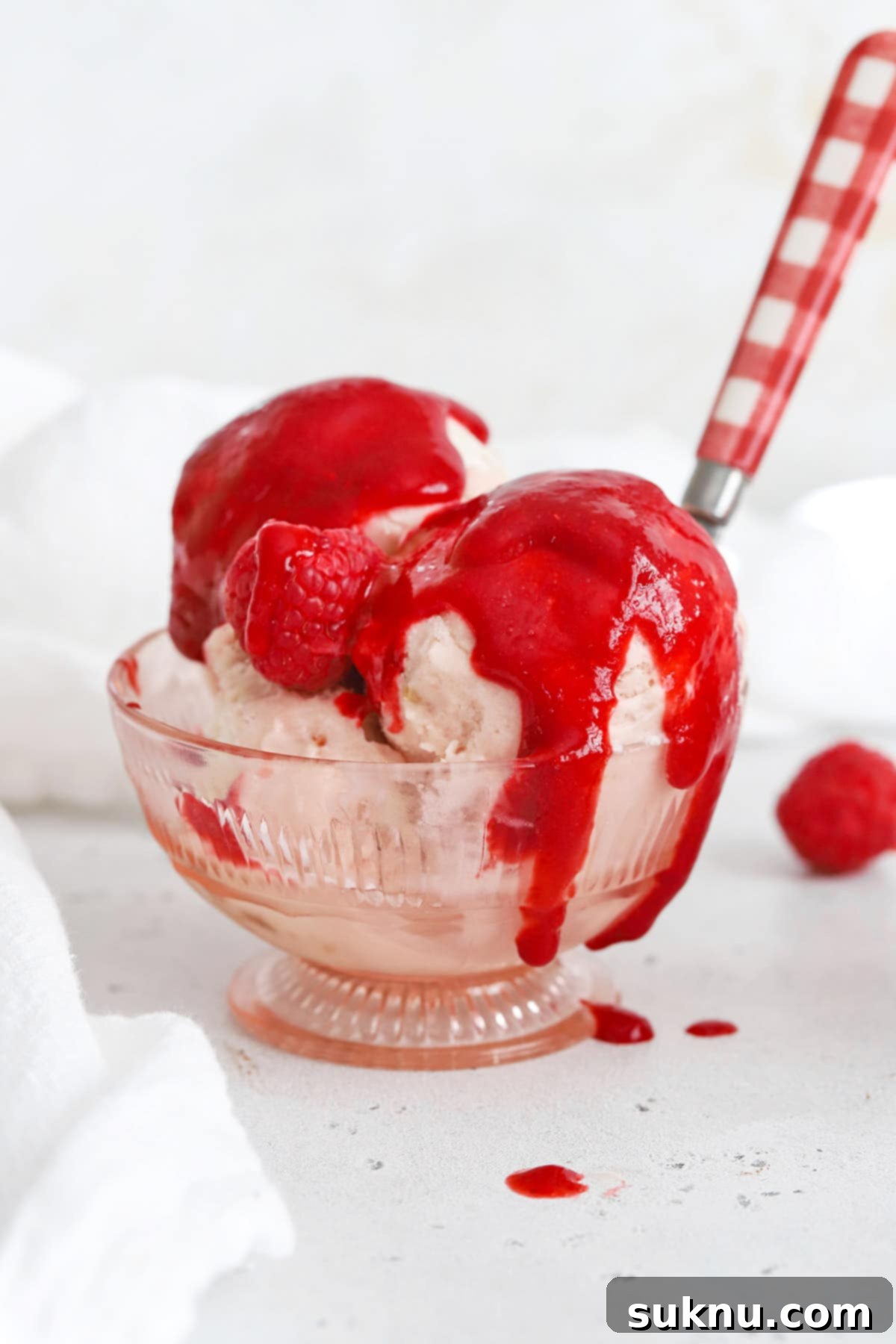
Corn syrup is a viscous, gently sweet syrup produced by hydrolyzing corn starch. It’s not a “natural” sweetener in the same vein as honey or maple syrup, but its unique chemical structure makes it incredibly valuable in baking and confectionery. It prevents sugar crystallization in recipes like caramel sauce and candy, ensures smooth textures by inhibiting ice crystal formation in ice cream, and adds a desirable shiny, glossy effect to buttercreams, caramel popcorn, and ganache. Furthermore, corn syrup contributes moisture and chewiness to cookies and provides essential structure in treats like Chex Mix, classic pecan pies, or Scotcheroos.
What’s The Difference Between Light Corn Syrup & Dark Corn Syrup?
The two primary types of corn syrup available for home use are light corn syrup and dark corn syrup, and they are not generally interchangeable. Light corn syrup is clear, possesses a subtle vanilla flavor, and is used when a neutral flavor and light color are desired. Dark corn syrup, on the other hand, has a deep amber color and a distinct, robust molasses flavor due to the addition of refiner’s syrup (molasses). Substituting dark corn syrup for light corn syrup will impart a strong molasses taste and darker color to your dish, which may not be desirable for all recipes. Always follow the recipe’s specific recommendation for the type of corn syrup to ensure the best results in both flavor and appearance.
Is There A Good Substitute For Corn Syrup?
Finding an ideal substitute for corn syrup largely depends on its function within a specific recipe. Corn syrup serves multiple purposes, from preventing crystallization and adding gloss to providing moisture and structure. Here’s a breakdown:
- For Preventing Crystallization (e.g., caramel, candy): Glucose syrup is the most direct substitute, as it performs the same anti-crystallization function. Light honey or agave nectar can also work in some cases, but they will impart their own distinct flavors.
- For Glossiness (e.g., frostings, glazes): Glucose syrup or a small amount of light honey can often provide a similar shiny finish.
- For Moisture and Chewiness (e.g., certain cookies, bars): While honey or maple syrup might add moisture, they will also alter the flavor and potentially the texture. Brown rice syrup could also be considered, but it’s less sweet and can be thicker.
- For Structure (e.g., sticky Chex Mix, some pecan pies): This is where substitutions become most challenging. Corn syrup’s unique viscosity and adhesive qualities are difficult to replicate. For recipes where corn syrup is crucial for binding and structural integrity, it is often best NOT to substitute, or to seek out recipes specifically designed with alternative ingredients.
Always consider the impact on flavor, sweetness, and texture when choosing a substitute, and be prepared for slightly different results.
The Bottom Line: Your Guide to Gluten-Free Corn Syrup
In summary, corn syrup is typically gluten-free, derived from corn starch which contains no gluten proteins. This applies to both light and dark varieties. When following a gluten-free diet, the main consideration is potential cross-contamination during manufacturing, rather than gluten as an ingredient. Always scrutinize ingredient labels for explicit “gluten-free” declarations or for warnings about shared facilities. For those with celiac disease or severe gluten sensitivities, prioritizing certified gluten-free brands like Karo corn syrup is the safest approach to prevent adverse reactions or an immune response. By being an informed consumer, you can confidently use corn syrup in your gluten-free baking and cooking endeavors.
Yummy Recipes To Try
- Easy Caramel Sauce Recipe (For Beginners!)
- Luscious Chocolate Buttercream Frosting
- The BEST Caramel Popcorn (Gluten-Free!)
- Zebra Popcorn