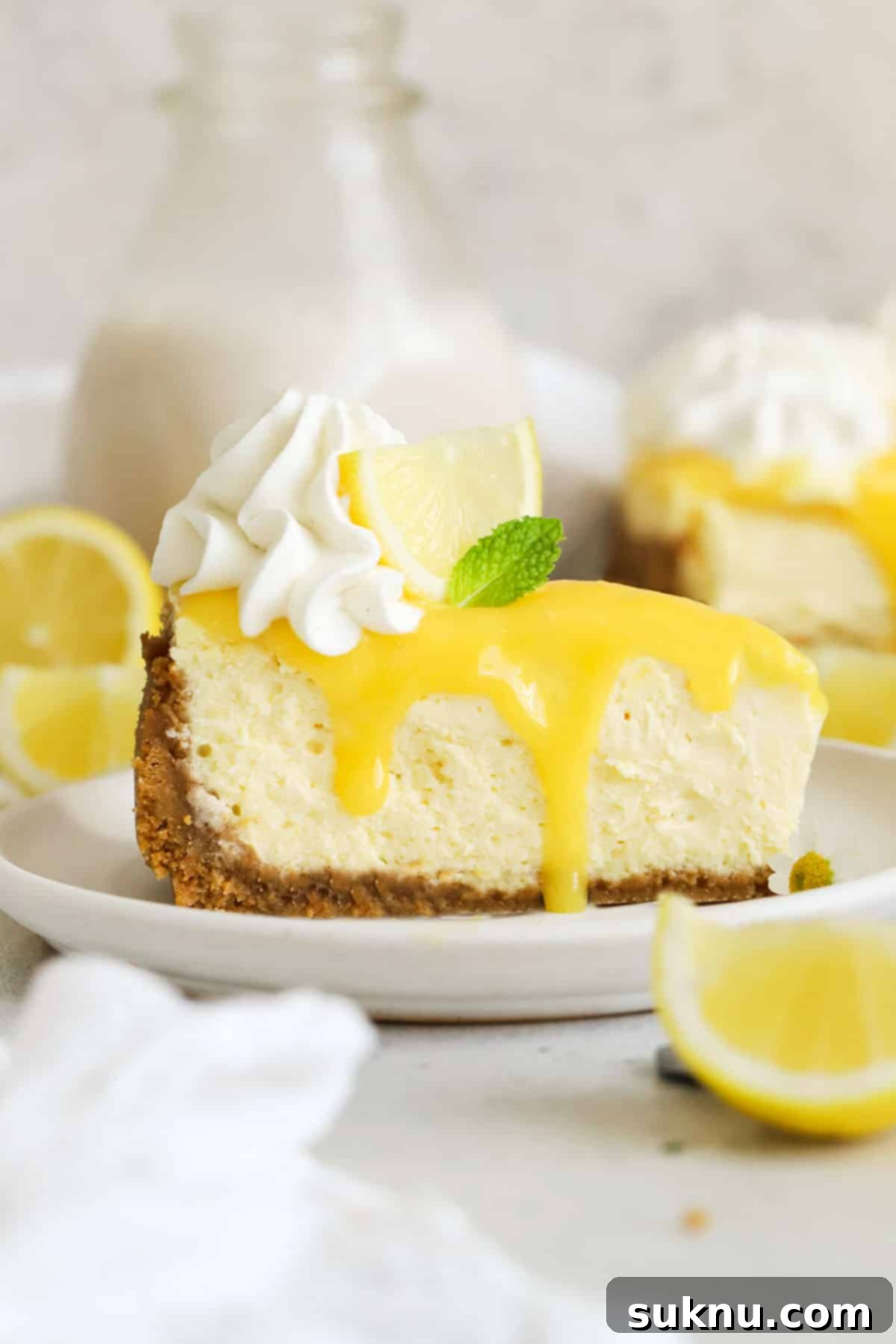
Ultimate Gluten-Free Lemon Cheesecake: A Zesty Delight for Every Occasion
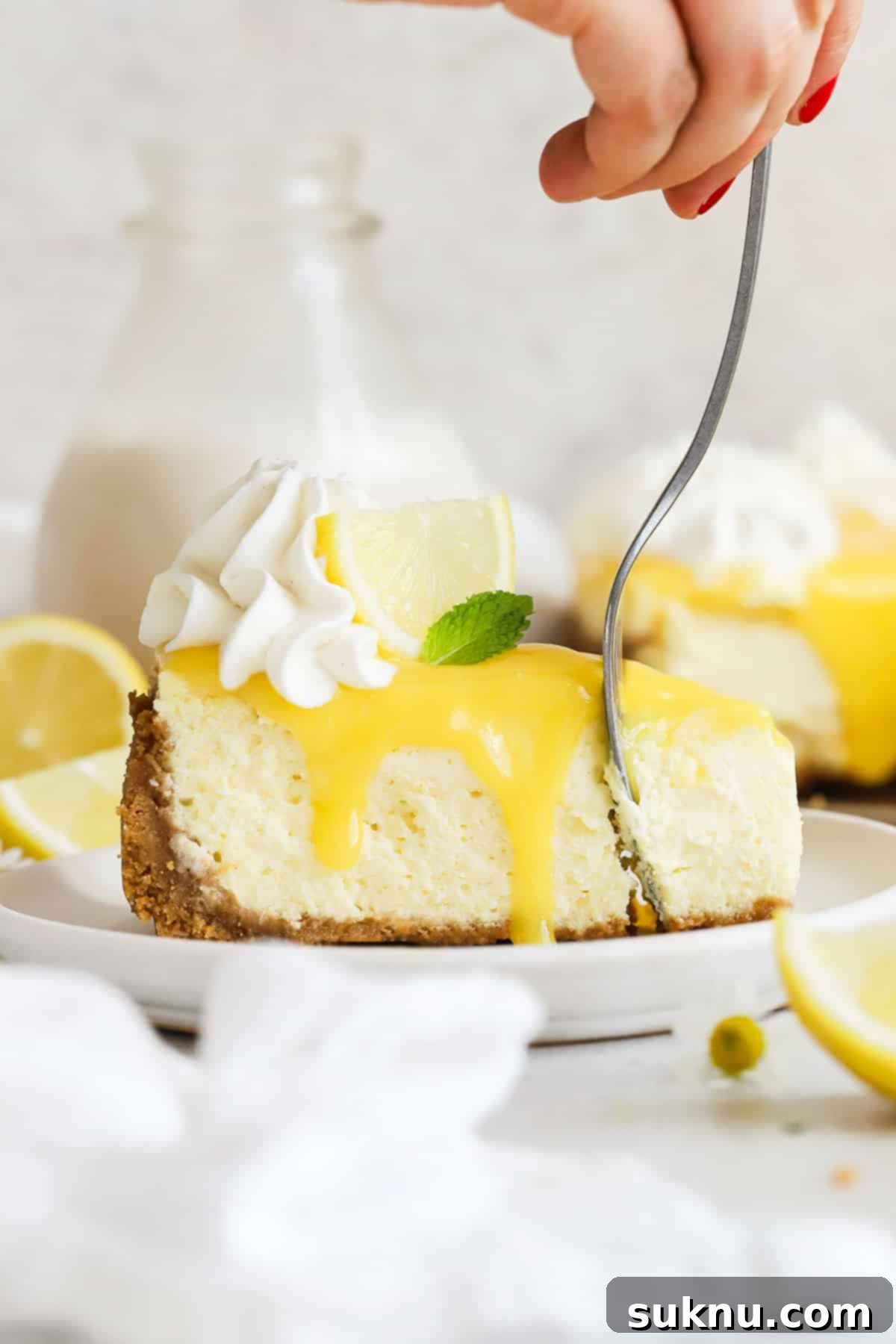
Calling all lemon lovers! Prepare for an extraordinary dessert experience with our Ultimate Gluten-Free Lemon Cheesecake recipe. This show-stopping creation features a perfectly buttery gluten-free graham cracker crust, a luxuriously smooth and tangy lemon cream cheese filling, a bright, homemade lemon curd topping, and delicate swirls of fluffy whipped cream. Each bite is a symphony of flavors, making it the perfect dessert for any celebration or a delightful treat for yourself.
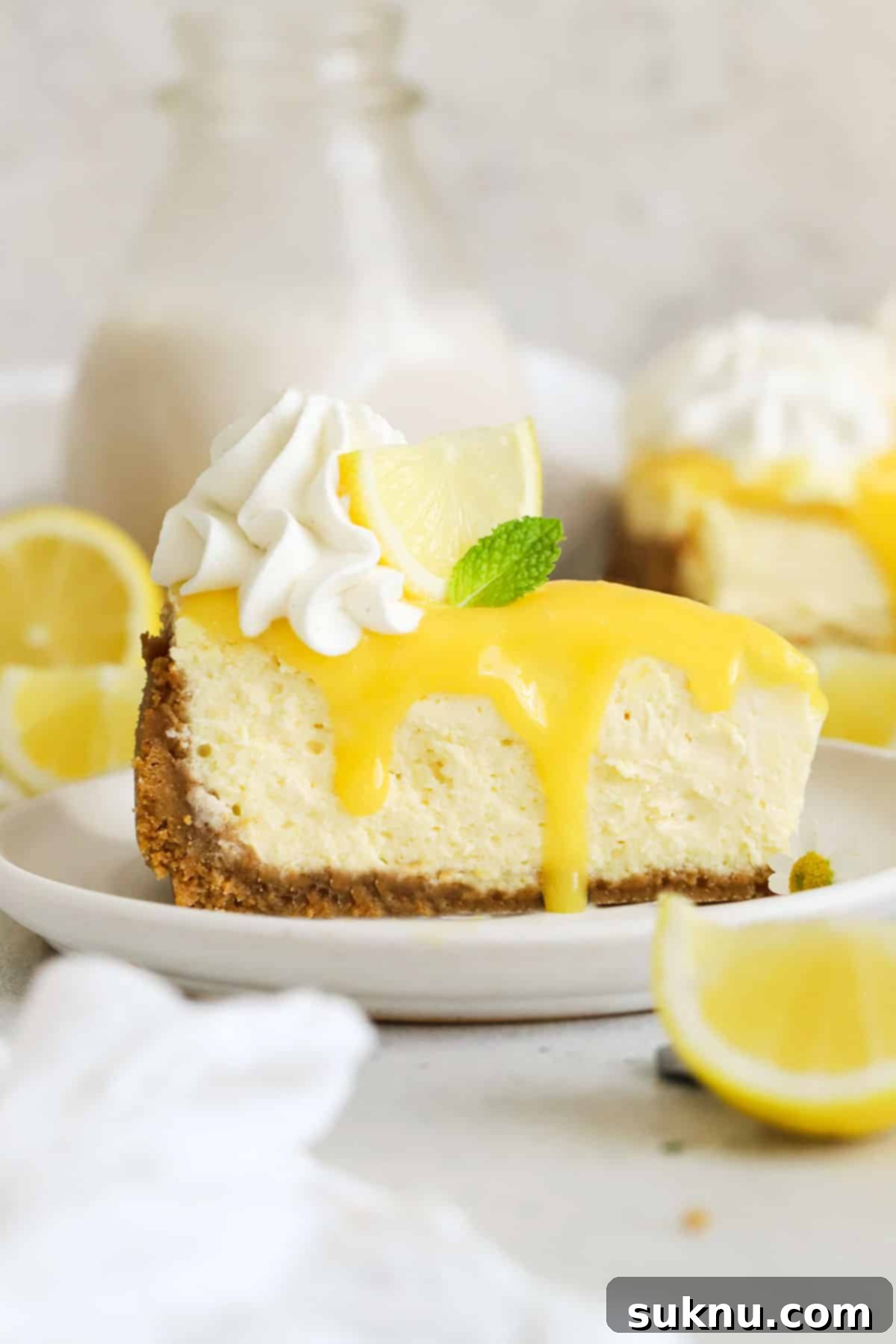
If you adore the vibrant, refreshing taste of lemon, then this is truly the ultimate cheesecake for you. We’ve meticulously crafted every layer to deliver an intense burst of citrus flavor. From the aromatic lemon zest infused into the creamy filling to the bright, sun-kissed homemade lemon curd that crowns this masterpiece, every element sings with lemony goodness. This decadent dessert promises a taste of pure heaven with every spoonful.
Whether you’re embarking on your very first cheesecake adventure or you’re a seasoned baking pro, our comprehensive guide has everything you need. We’ll walk you through each step with clear instructions, share invaluable insider tips, and provide a deliciously reliable recipe that will empower you to create a show-stopping dessert with confidence. Get ready to impress your friends and family – or simply treat yourself to a truly exceptional gluten-free delight!
So, gather your fresh lemons, preheat your oven, and let’s dive into creating this unforgettable gluten-free lemon cheesecake. Your kitchen is about to be filled with the most inviting citrus aroma!
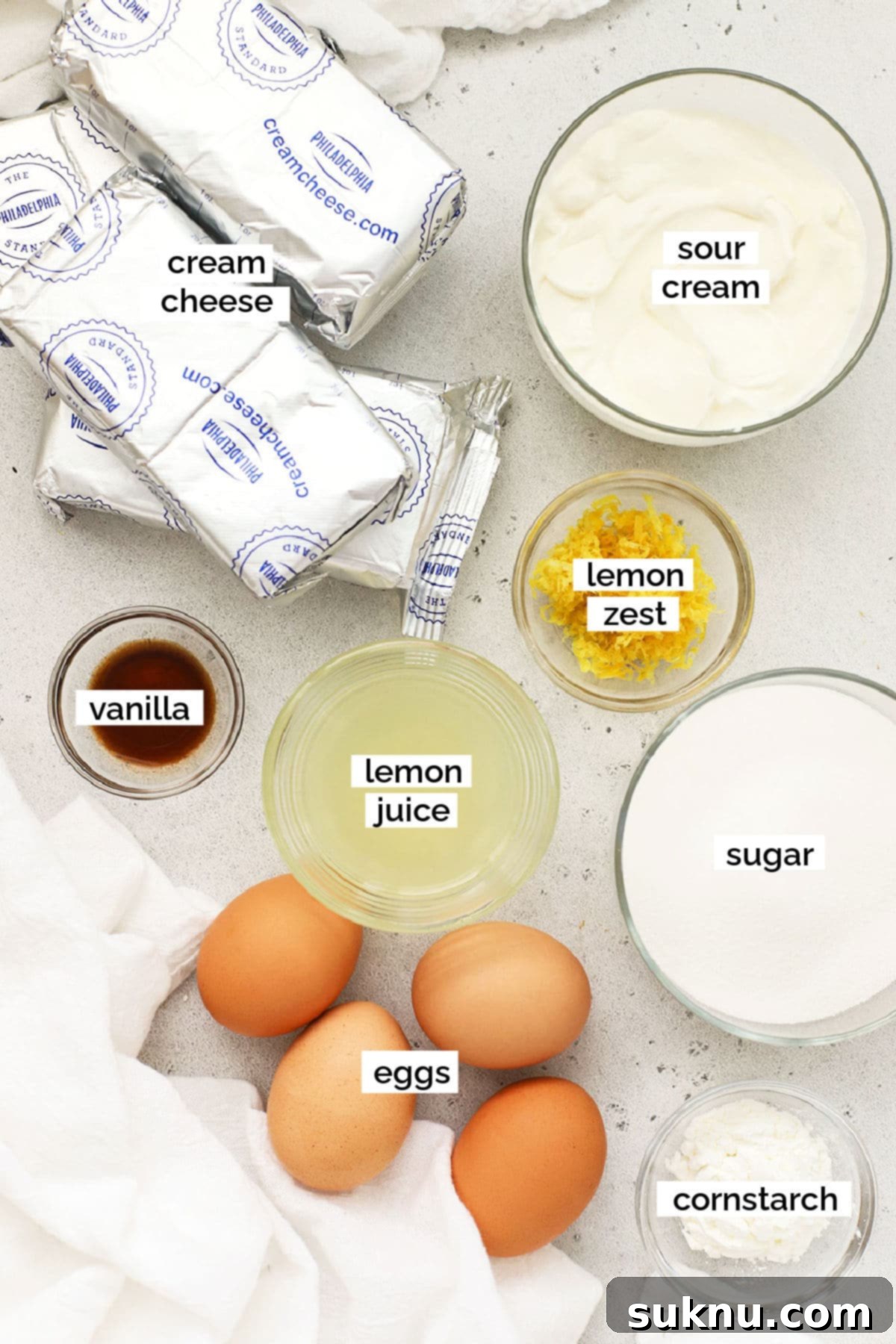
Simple Ingredients to Master This Gluten-Free Lemon Cheesecake
Creating an exceptional cheesecake begins with high-quality ingredients. Here’s a detailed look at what you’ll need and why each component is crucial for our gluten-free lemon cheesecake:
- Gluten-Free Graham Crackers: This is a non-negotiable for a truly gluten-free crust. Traditional graham crackers contain wheat, so ensure you source certified gluten-free alternatives. Brands like Pamela’s, Schar, or Kinnikinnick offer excellent options. We highly recommend Pamela’s for their superior taste and texture, which perfectly mimics conventional graham crackers. This forms the essential foundation for our delicious gluten-free cheesecake.
- Granulated Sugar: A key ingredient that serves multiple purposes. In the crust, it helps bind the crumbs and adds a touch of sweetness. In the filling, it balances the tartness of the lemon and cream cheese, creating a harmonious flavor profile.
- Melted Butter: The secret to a perfectly cohesive and buttery crust. Melted butter acts as the binder for the graham cracker crumbs, ensuring your crust is firm, flavorful, and easy to press into the pan.
- Full-Fat Cream Cheese: For an impeccably rich and creamy cheesecake, full-fat block cream cheese is paramount. Avoid using spreadable or low-fat versions, as they contain more water and stabilizers, which can negatively impact the texture and richness of your cheesecake. Philadelphia brand is our top recommendation for consistent, high-quality results.
- Sour Cream: A classic cheesecake ingredient that contributes significantly to the filling’s signature tang and incredibly smooth, velvety texture. It adds a subtle brightness and richness that elevates the overall flavor.
- Lemon Zest: Absolutely essential! Fresh lemon zest is where the most concentrated lemon flavor resides, thanks to the potent essential oils in the peel. Always remember to zest only the bright yellow outer layer, avoiding the bitter white pith underneath. This brings an unparalleled aromatic intensity to the cheesecake.
- Fresh Lemon Juice: Just like the zest, fresh lemon juice is a must for this recipe. Bottled lemon juice simply cannot replicate the vibrant, authentic flavor that freshly squeezed lemons provide, making a significant difference in the final taste of your lemon cheesecake.
- Cornstarch: A small but mighty ingredient that acts as a stabilizer. A touch of cornstarch helps prevent cracks in the cheesecake and contributes to its smooth, sliceable texture without altering the flavor.
- Vanilla Extract: A kiss of pure vanilla extract adds a beautiful depth and warmth, perfectly complementing and enhancing the bright citrus notes of the lemon. It’s a subtle addition that makes a big difference.
- Large Eggs: Eggs are crucial binders in the cheesecake filling, providing structure and helping the mixture set into that classic, creamy consistency. Ensure they are at room temperature for optimal mixing.
- Lemon Curd: Our homemade lemon curd recipe is highly recommended for this cheesecake. Its vibrant color and fresh, tangy flavor are far superior to most store-bought varieties. You’ll only need a few simple ingredients to make it: sugar, lemon zest, lemon juice, eggs, and butter. This topping is truly what makes this cheesecake shine.
- Whipped Cream: Light and airy swirls of homemade whipped cream provide the perfect, elegant finish to this decadent dessert, offering a cool, creamy contrast to the rich cheesecake and tangy lemon curd.
Essential Baking Tips for Cheesecake Perfection
Achieving cheesecake perfection is all about understanding a few key techniques. These curated tips will guide you to a flawless gluten-free lemon cheesecake every time:
- 5 Ways To Zest A Lemon: Zesting can be tricky, but it’s crucial for maximizing lemon flavor. Learn different techniques to efficiently extract only the bright yellow zest, leaving behind the bitter white pith. Proper zesting ensures your cheesecake bursts with fresh citrus aroma.
- How To Make Lemon Curd: While store-bought lemon curd is an option, making your own offers unparalleled freshness and intensity of flavor. Our detailed guide simplifies the process, ensuring your homemade curd is silky smooth, tangy, and vibrantly colored – truly worth the extra step for this lemon cheesecake.
- Our Favorite Cheesecake Pan: The right equipment makes a difference. A high-quality 9-inch springform pan is essential for a perfectly shaped cheesecake that’s easy to release. Investing in a good pan will ensure professional-looking results and prevent common baking frustrations.
- The Best Gluten-Free Graham Crackers (Taste Test!): Not all gluten-free graham crackers are created equal. Our comprehensive taste test helps you choose the best brand for your crust, ensuring it’s buttery, flavorful, and provides the ideal base for your lemon cheesecake. This step is vital for a truly gluten-free and delicious dessert.
How to Make the Ultimate Gluten-Free Lemon Cheesecake: A Step-by-Step Guide
For precise ingredient measurements, detailed instructions, and additional tips, please refer to the recipe card at the end of this article.
Crafting the Perfect Gluten-Free Graham Cracker Cheesecake Crust:
A great cheesecake starts with an outstanding crust. Follow these steps to create a flavorful and sturdy gluten-free base:
- Preheat Oven & Prep Pan: Begin by preheating your oven to 325°F (160°C). This ensures the oven is at the correct temperature when your crust is ready. Next, prepare a 9-inch springform pan by lining its bottom with parchment paper. Using pre-cut parchment rounds can make this step even easier and ensures a clean release.
- Crush Gluten-Free Graham Crackers: Place your chosen gluten-free graham crackers into the bowl of a food processor. Pulse the crackers until they are finely crushed into uniform crumbs, making sure there are no large lumps remaining. If you don’t own a food processor, an excellent alternative is to place the graham crackers in a large zip-top bag and crush them thoroughly with a rolling pin.
- Incorporate Butter and Sugar: Add the granulated sugar and melted butter to the graham cracker crumbs in the food processor (or mixing bowl). Pulse or stir the mixture until all the crumbs are evenly coated with the butter and the sugar is well distributed. The mixture should resemble wet sand and hold together when pressed.
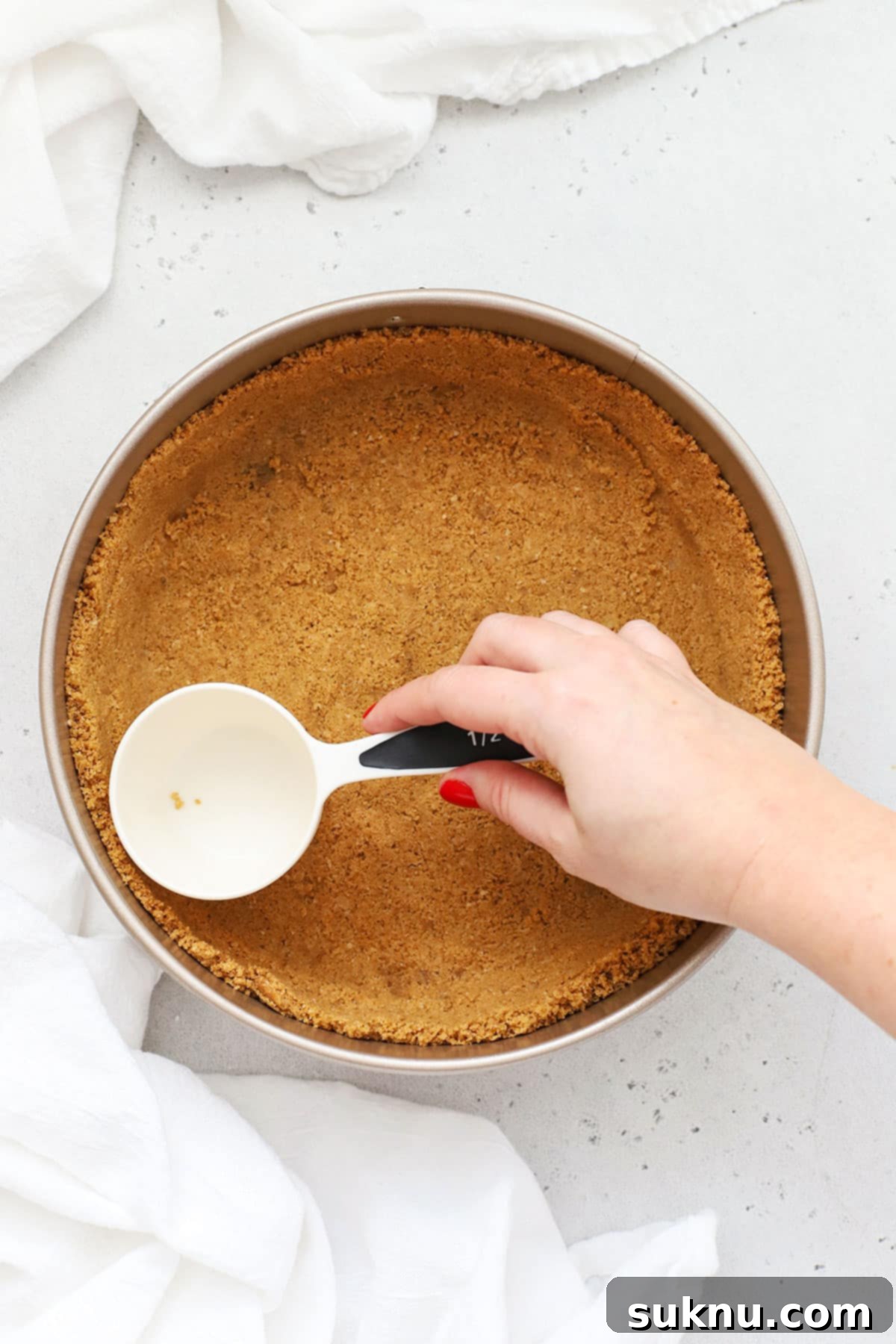
- Form the Crust: Pour the buttery crumb mixture into your prepared springform pan. Use your fingers, the back of a measuring cup, or a flat-bottomed drinking glass to firmly press the crumbs into an even layer across the bottom of the pan. Continue to press the mixture about 1 inch up the sides of the pan. Don’t worry, the crust isn’t meant to extend all the way up the pan’s sides!
- Bake and Cool: Transfer the pan with the crust into the preheated oven. Bake for 10-12 minutes, or until the crust becomes fragrant and lightly golden. Once baked, remove the crust from the oven and set it aside to cool completely while you prepare the cheesecake filling.
- Prepare Pan for a Water Bath (Highly Recommended): For a truly crack-free and silky-smooth cheesecake, a hot water bath is essential. Wrap the bottom and sides of the springform pan securely with heavy-duty aluminum foil. For superior waterproofing, place the entire foil-wrapped springform pan into a slow cooker liner bag or a large oven/turkey bag. Pull the bag up the sides of the pan, gather any excess material to one side, and tie it tightly to ensure no water can seep in during baking.
Creating the Silky Smooth Lemon Cheesecake Batter:
The key to a perfect cheesecake lies in a well-mixed, smooth batter. Pay close attention to these steps for an irresistible texture:
- Crucial Room Temperature Ingredients: Before you even start mixing, ensure your cream cheese, sour cream, and eggs are all at room temperature. This step is non-negotiable! Cold ingredients will result in a lumpy, inconsistent batter, while room temperature ingredients blend seamlessly for a smooth, homogenous filling.
- Maintain Oven Temperature: Keep your oven consistently preheated to 325°F (160°C). Position an oven rack in the center of the oven, which is ideal for even baking and browning.
- Prepare for Water Bath: As you begin preparing the cheesecake batter, start bringing a small pot of water to a boil. Simultaneously, set out a large roasting pan for a traditional water bath, or a 9×13-inch pan if you’re opting for a modified hot water bath (refer to our notes below for detailed instructions on both methods).
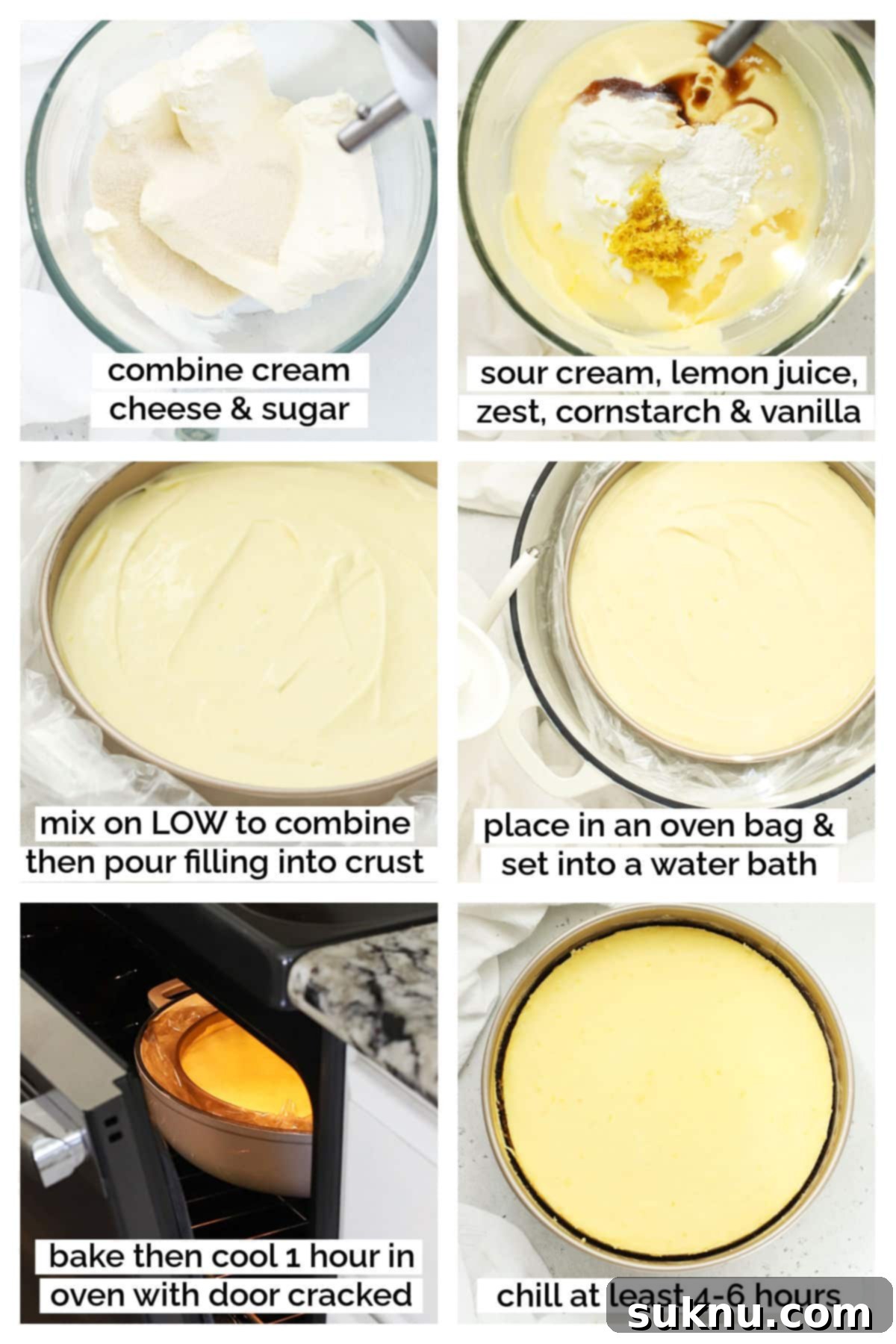
- Cream Cheese and Sugar: In the bowl of a stand mixer fitted with a paddle attachment, or using a large mixing bowl with a handheld electric mixer, combine the softened full-fat cream cheese and granulated sugar. Beat on medium-low speed for 2-3 minutes until the mixture is completely smooth, creamy, and well blended. Scrape down the sides of the bowl as needed.
- Incorporate Sour Cream, Cornstarch, Lemon Zest, Lemon Juice & Vanilla: Reduce the mixer speed to LOW. Add the room temperature sour cream, cornstarch, fresh lemon zest, fresh lemon juice, and vanilla extract to the cream cheese mixture. Mix on low speed until these ingredients are just barely combined. It’s vital to avoid overmixing at this stage, as incorporating too much air can lead to cracks in your baked cheesecake. Mixing by hand or keeping the speed very low helps maintain that dense, creamy texture we’re aiming for.
- Add Eggs Gradually: With the mixer still on LOW speed, add the large eggs one at a time. Mix only until each egg is just incorporated before adding the next. Overmixing the eggs can also introduce too much air. Once all eggs are mixed in, gently tap the mixing bowl against the counter a few times to release any trapped air bubbles, which also helps prevent cracks.
- Pour Filling Over Crust: Carefully pour the impeccably smooth cheesecake filling over the cooled gluten-free graham cracker crust in the prepared springform pan. Use a spatula to gently smooth the surface of the batter, ensuring an even layer.
- Assemble Hot Water Bath: Transfer your foil-wrapped springform pan (or oven-bag protected pan) into the larger roasting pan. Very carefully pour 3/4 to 1 inch of boiling water into the bottom of the roasting pan around the springform pan. The water should come up about 1 inch along the sides of your springform pan. (Again, refer to the notes section for instructions on a modified hot water bath if you don’t have a large enough roasting pan).
- Bake to Perfection: Gently transfer the entire roasting pan assembly (with the springform pan inside) to the preheated oven. Bake the cheesecake for 60-70 minutes. The cheesecake is done when the edges are set and firm, but the center still exhibits a slight, gentle wobble—like Jello or firm gelatin. If the center appears too liquid or “sloshy,” continue baking for an additional 3-5 minutes and check again. It’s always better to slightly under-bake a cheesecake than to over-bake it, as over-baking can lead to a dry texture and cracking.
- Slow Cool in Oven: Once the cheesecake has finished baking, turn off the oven heat. Prop the oven door open 2-3 inches and allow the cheesecake to cool completely inside the oven for 1 full hour. This gradual cooling prevents sudden temperature changes that can cause the cheesecake to crack. For added crack prevention, you can run a thin knife around the edges of the springform pan before it cools in the oven. After one hour, carefully remove the springform pan from the hot water bath and its protective liner/bag.
- Thorough Chilling: Place the cheesecake, uncovered, into the refrigerator. It absolutely must chill for a minimum of 4-6 hours, or ideally, overnight. This extended chilling period is crucial for the cheesecake to fully set, firm up, and develop its optimal creamy texture and flavor before you proceed with decoration.
Crafting Your Homemade Lemon Curd Topping:
While optional, homemade lemon curd elevates this cheesecake to an entirely new level. Its fresh, vibrant flavor and smooth texture are unmatched. Here’s how to make it:
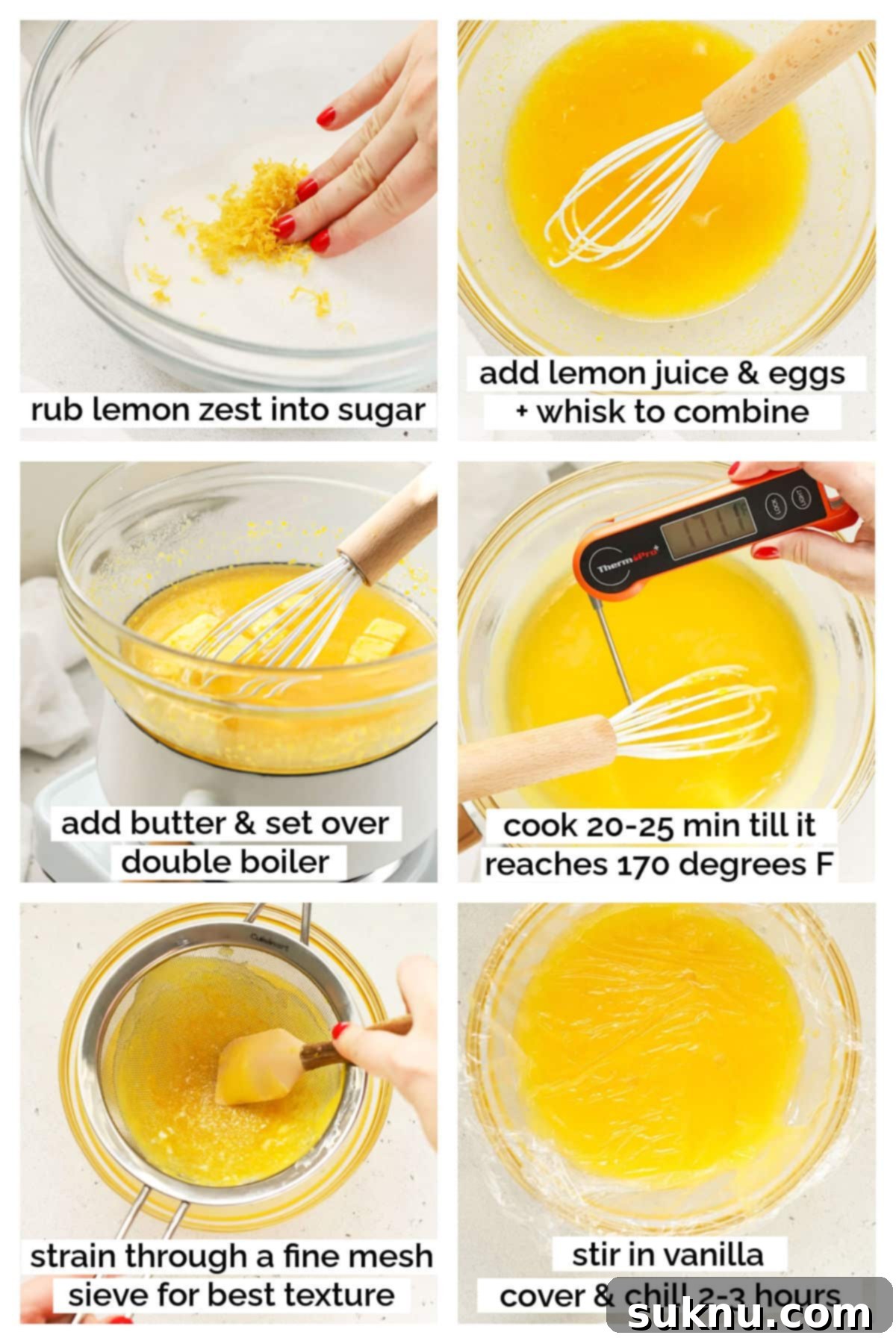
- Set Up a Double Boiler: To gently cook the lemon curd without scorching, you’ll need a double boiler. Add approximately 2 inches of water to a small saucepan. Find a heatproof glass bowl that fits snugly on top of the saucepan without its bottom touching the water. Bring the water in the saucepan to a gentle simmer over medium-high heat.
- Combine & Whisk: In the heatproof glass bowl, combine the granulated sugar, fresh lemon zest, fresh lemon juice, and large eggs. Whisk these ingredients together thoroughly until well combined. Once mixed, carefully set the bowl over the saucepan of simmering water. Continue whisking constantly, dropping in the small cubes of butter one by one. Initially, the mixture may appear a little clumpy or separated, but as the heat distributes and the butter melts, it will gradually smooth out into a luscious emulsion.
- Cook the Lemon Curd: Continue to cook the lemon curd over the simmering water, whisking constantly, for about 20-25 minutes. The curd is ready when it reaches a temperature of 170°F (77°C) on an instant-read thermometer and has thickened sufficiently to coat the back of a spoon. To test for doneness, run your finger down the back of the spoon; it should leave a clear trail, and the curd should visibly cling to the spoon. Consistent whisking is key to prevent scrambling the eggs.
- Strain for Silkiness: Once cooked, remove the bowl from the heat. To achieve an incredibly silky-smooth lemon curd, strain it immediately through a fine-mesh strainer directly into a clean glass bowl or container. This step removes any tiny bits of cooked egg or zest, ensuring a pristine texture.
- Add Vanilla & Cool: Stir in the vanilla extract, then allow the lemon curd to cool completely to room temperature.
- Cover and Chill: To prevent a “skin” from forming on the surface, press a piece of plastic wrap or food film directly onto the surface of the cooled lemon curd. Chill the curd in the refrigerator for at least 2-3 hours, or until it is thoroughly chilled and firm. Homemade lemon curd can be stored in the refrigerator for up to 1 week, or frozen for 2-3 months, making it an excellent component to prepare in advance.
Elevate Your Cheesecake with Beautiful Decoration:
The final touches make all the difference, transforming your baked cheesecake into a stunning centerpiece. Here’s how to decorate your gluten-free lemon cheesecake:
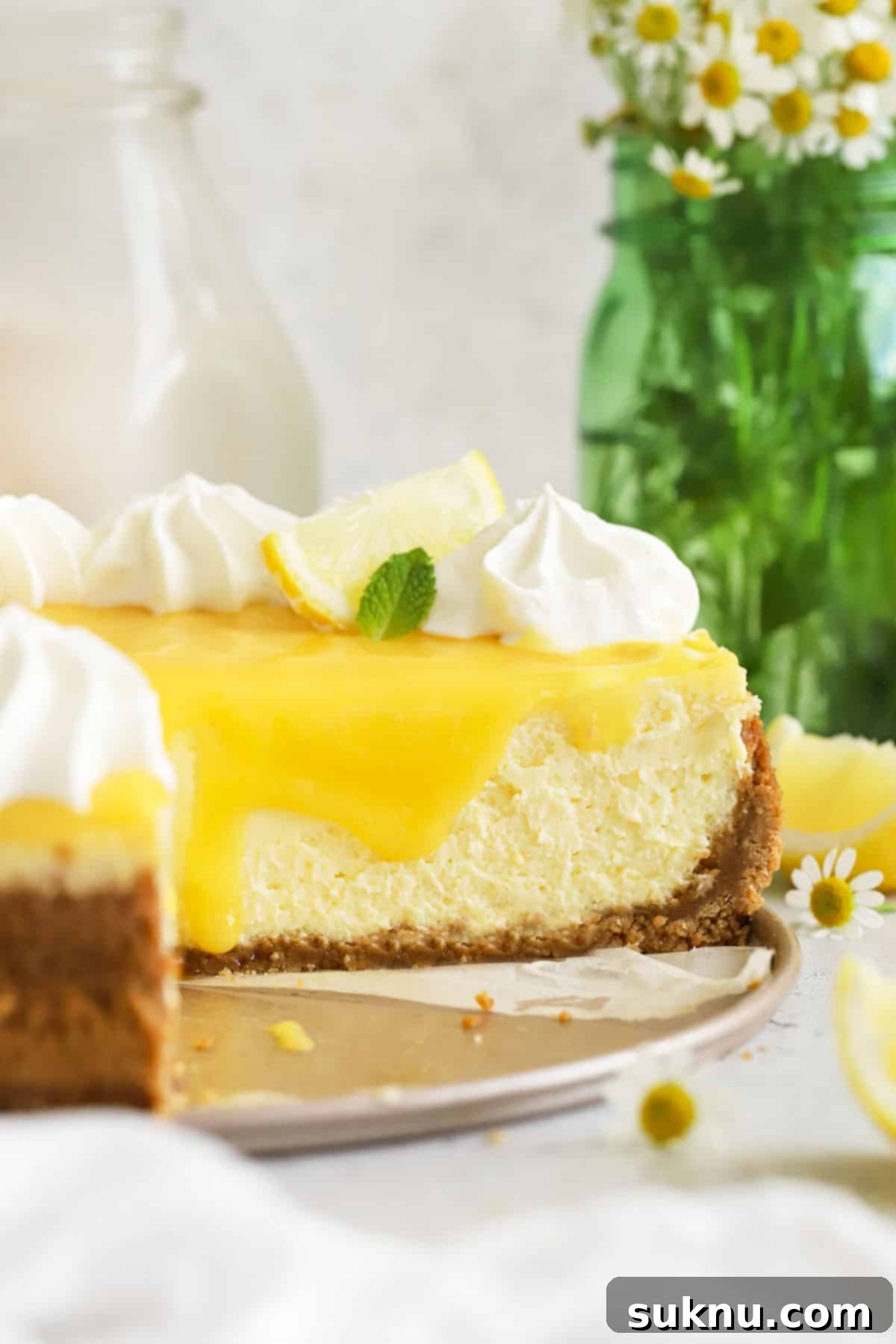
- Top with Lemon Curd: Once your cheesecake is thoroughly chilled, gently spread about 1 cup of the prepared lemon curd evenly over the top. An offset spatula works wonderfully for creating a smooth, professional-looking layer. For a visually appealing finish, we like to leave a small 1/4-inch border around the edge of the cheesecake, allowing the creamy white filling to peek through.
- Prepare Stabilized Whipped Cream: In a chilled glass or metal bowl, or the bowl of a stand mixer, pour the heavy cream. Beat on medium speed until the cream begins to thicken and become fluffy. Gradually add the powdered sugar and vanilla extract, then increase the speed to high. Continue whipping until stiff peaks form. The whipped cream should hold its shape firmly when you lift the beater or spatula, indicating it’s perfectly stabilized.
- Pipe Whipped Cream Swirls: Transfer the stabilized whipped cream into a piping bag fitted with your desired piping tip. A closed star tip, such as an Ateco 849, creates beautiful, elegant swirls. Carefully pipe small, decorative swirls of whipped cream around the border of the cheesecake, just inside the lemon curd layer.
- Garnish with Lemon & More: For an extra touch of visual appeal and flavor, consider adding fresh lemon slices, halved and tucked artfully between the whipped cream swirls. You can also sprinkle a little extra fresh lemon zest over the entire cheesecake or garnish individual slices (or dessert plates) with candied lemon peels, a sprig of fresh mint, or vibrant fresh raspberries for a pop of color and complementary flavor.
FAQ + Essential Tips and Tricks for the BEST Gluten-Free Lemon Cheesecake
Why Room Temperature Ingredients are Non-Negotiable!
This cannot be stressed enough: for a truly smooth and lump-free cheesecake filling, you MUST start with all dairy ingredients and eggs at room temperature. When cold cream cheese is mixed with other ingredients, it won’t blend smoothly, resulting in a chunky and inconsistent batter. Room temperature ingredients emulsify much better, creating that signature velvety texture that defines a perfect cheesecake. If you’re short on time, you can quickly bring cold ingredients to room temperature by placing sealed packages of cream cheese, a closed container of sour cream, and eggs in a bowl of warm (not hot!) water for about 15-20 minutes. This is far quicker than leaving them out for an hour and avoids microwaving, which can alter their texture.
Seriously, Try Homemade Lemon Curd. It’s Worth It!
While convenience often tempts us to reach for store-bought options, when it comes to lemon curd for this cheesecake, our tangy homemade lemon curd stands miles above the rest. The difference in taste, vibrant color, and luscious texture is truly remarkable. We’ve even done a side-by-side comparison in our dedicated lemon curd post, and the contrast is quite shocking! Homemade curd offers a brightness and depth of flavor that commercially produced versions simply cannot match. It’s an extra step, yes, but one that will profoundly elevate your gluten-free lemon cheesecake and leave a lasting impression. Trust us, you’ll be incredibly glad you made the effort.
The Secret to Creamy Texture: Keep the Mixer Speed LOW
To achieve that coveted, dense, and ultra-creamy signature texture in your cheesecake, it’s absolutely critical to mix the batter on a LOW speed. The goal here is to gently combine the ingredients without incorporating too much air. Excess air can lead to a lighter, more airy cake (like angel food cake, which is not what we want for cheesecake) and can also contribute to cracks forming during baking and cooling. Whether you’re using a stand mixer with a paddle attachment or a handheld electric mixer, always maintain a slow and steady speed. This mindful approach ensures your lemon cheesecake will have the rich, velvety smooth consistency everyone craves.
Optimizing Serving & Storage for Your Lemon Cheesecake
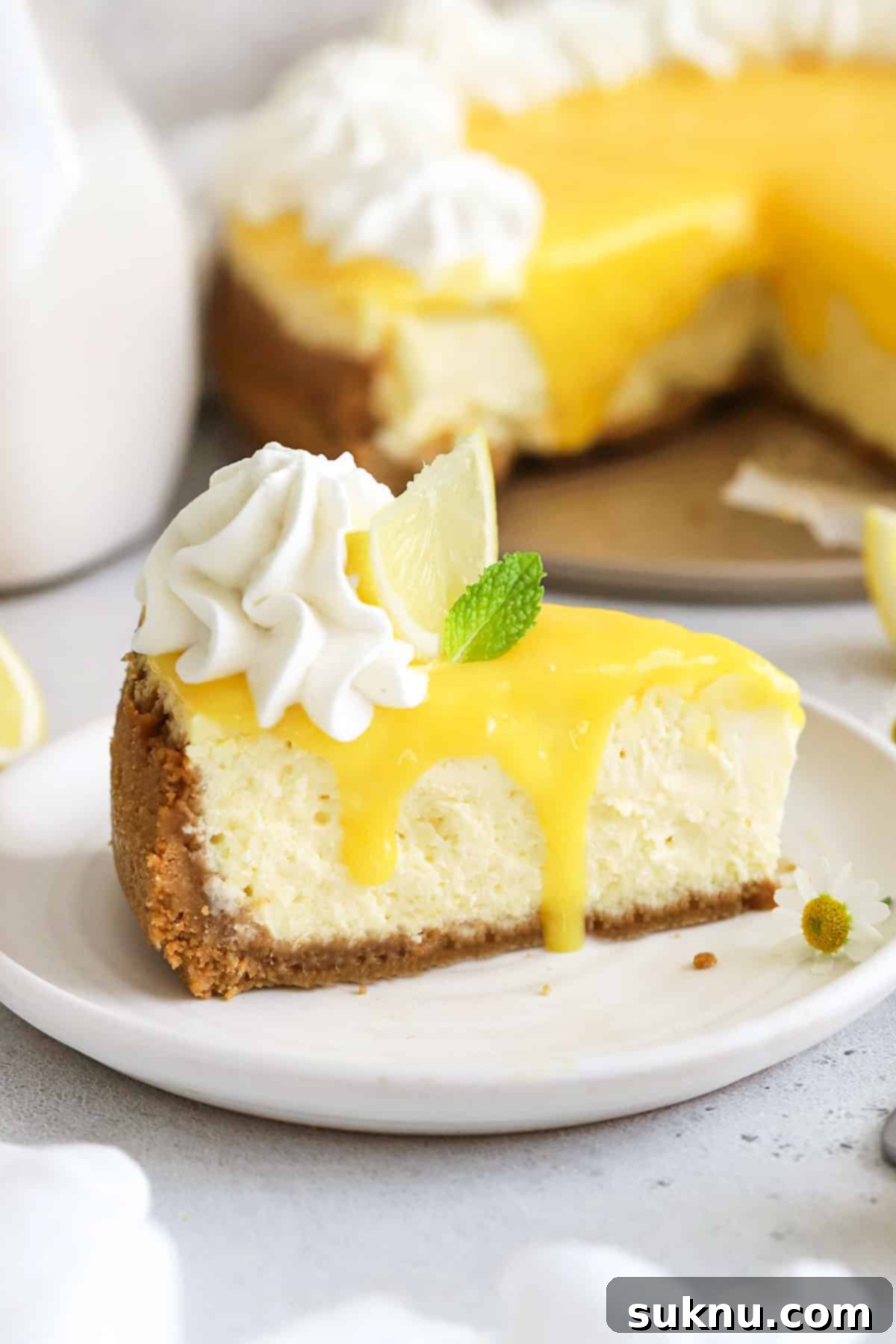
- Serving Your Cheesecake: You can enjoy your gluten-free lemon cheesecake immediately after it has fully chilled, or keep it stored, uncovered, in the refrigerator until you’re ready to serve. For the neatest, most professional-looking slices, use a long, thin, sharp knife. Between each cut, wipe the knife clean with a damp cloth. This prevents crumbs and curd from sticking, ensuring beautifully clean slices every time.
- Storing Leftover Cheesecake: Any leftover cheesecake should be stored covered in the refrigerator. It will maintain its delicious flavor and texture for 3-4 days. Ensure it’s well-covered to prevent it from absorbing any odors from other foods in your fridge.
- Freezing for Future Enjoyment: This lemony cheesecake is an excellent candidate for making ahead! You can bake and cool it completely, including the essential 4-6 hour chilling period. For the best results when freezing, do so WITHOUT any decoration (lemon curd or whipped cream). To freeze, place the undecorated cheesecake on a baking sheet and freeze until it is firm to the touch. Once firm, wrap it tightly in several layers of aluminum foil or plastic wrap, then place it inside a large freezer bag. Your baked cheesecake can be stored in the freezer for up to 2 months. When you’re ready to enjoy it, thaw the cheesecake in the refrigerator overnight. Once thawed, you can then proceed to decorate it with fresh lemon curd and whipped cream as desired before serving.
More Irresistible Gluten-Free Cheesecake Recipes To Try
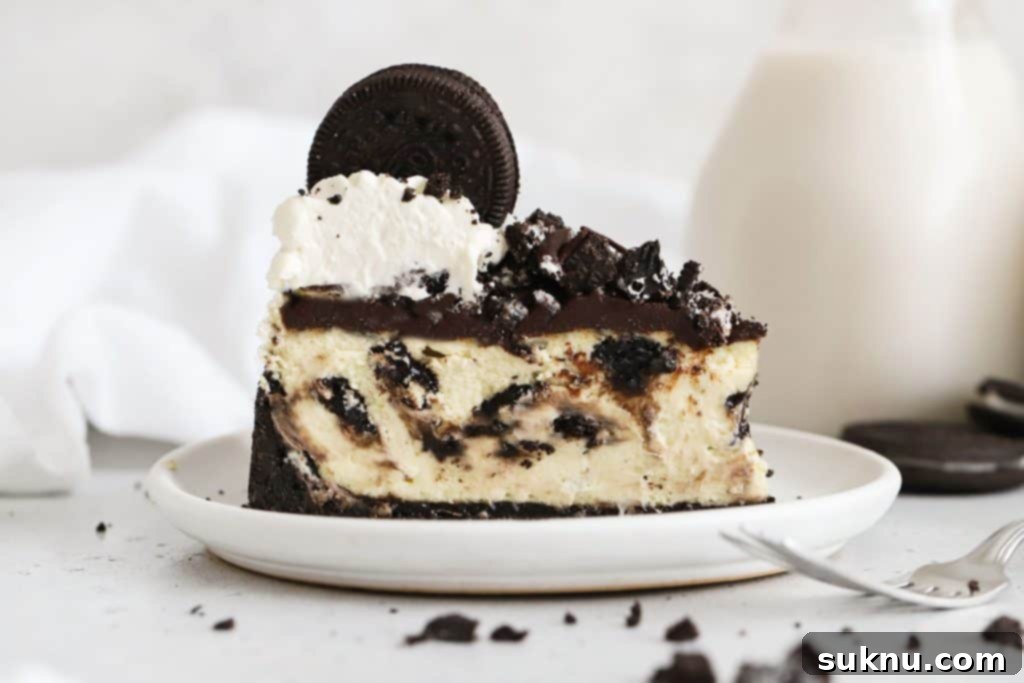
Gluten-Free Oreo Cheesecake
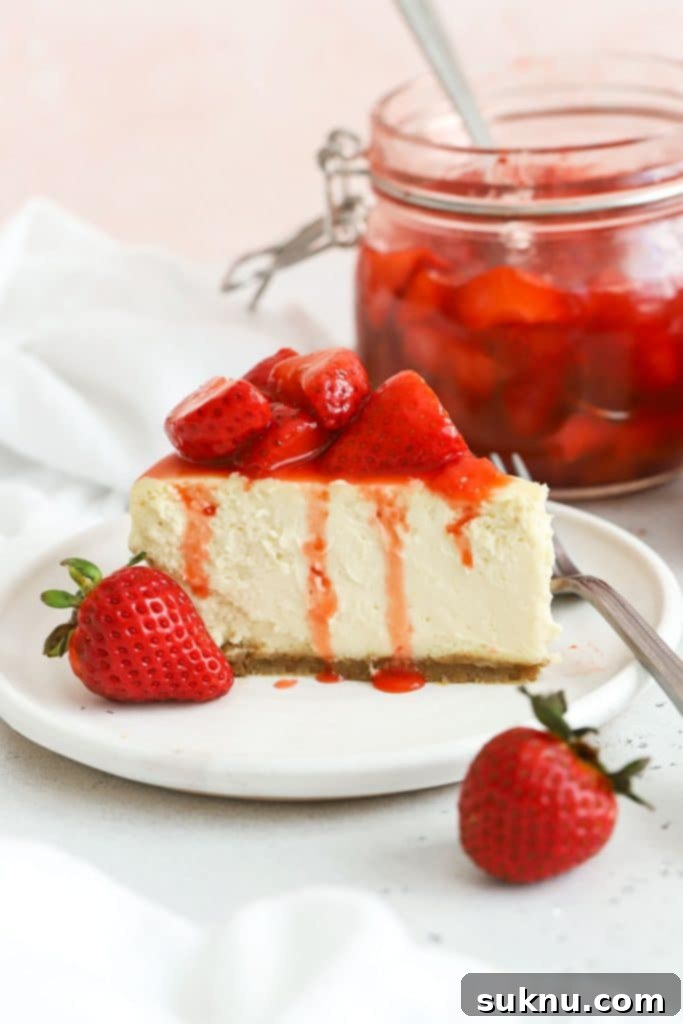
Gluten-Free Strawberry Cheesecake
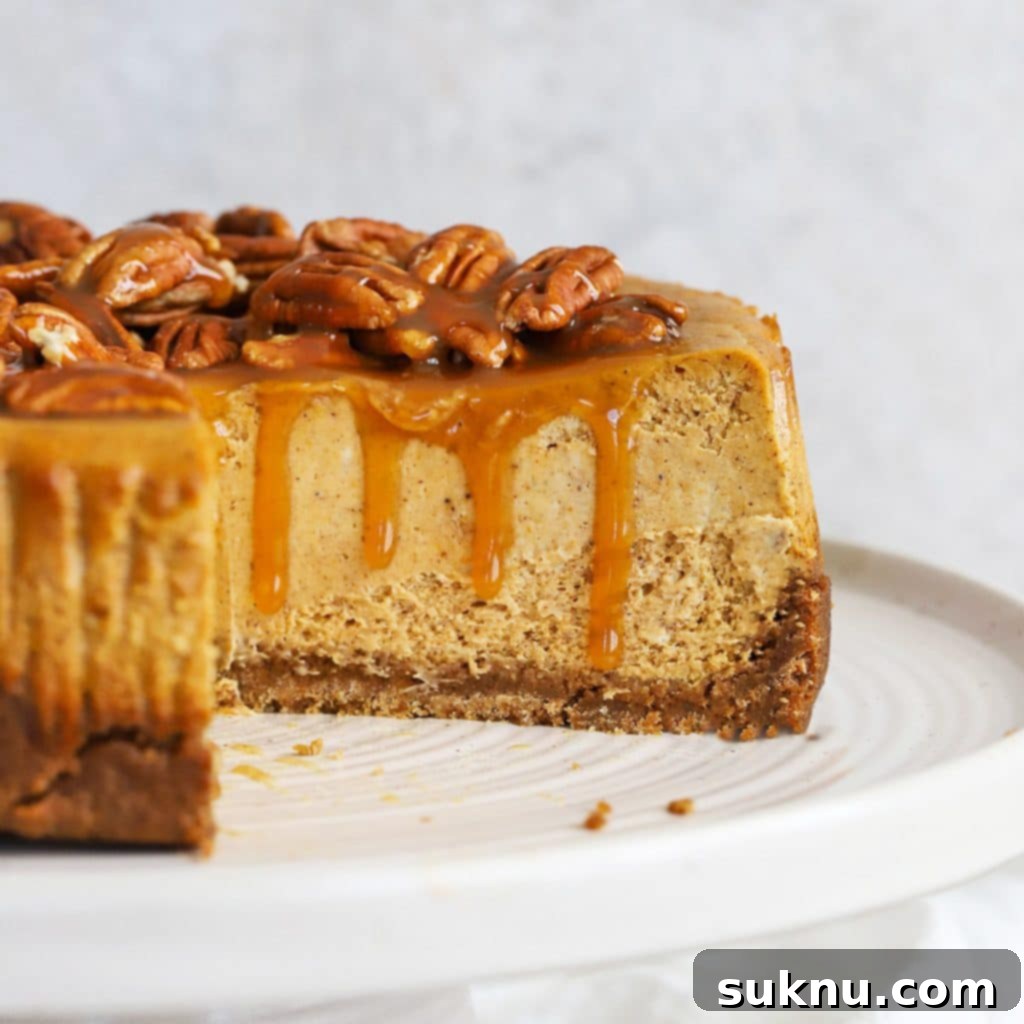
Gluten-Free Pumpkin Cheesecake
Recipe Card
Print Recipe

Gluten-Free Lemon Cheesecake
5 Stars
4 Stars
3 Stars
2 Stars
1 Star
5 from
1 review
-
Author:
Emily Dixon, Sweets & Thank You -
Total Time:
7 hours 30 minutes -
Yield:
1 (9-inch) cheesecake -
Diet:
Gluten Free
Description
This is the perfect cheesecake recipe for all lemon lovers out there! Featuring a rich, buttery gluten-free graham cracker crust, a lusciously creamy lemon filling, a vibrant homemade lemon curd topping, and delicate swirls of fluffy whipped cream, every single bite of this dessert is an absolute delight.
While making a cheesecake does require a bit of patience (it bakes for approximately an hour, followed by a crucial 5-6 hours of cooling and chilling time), the effort is incredibly rewarding. With our detailed steps and helpful tips, you’ve got this! Get ready to create a truly unforgettable dessert that will impress everyone.
Ingredients
Equipment:
- 9-inch Springform Pan: Essential for baking and easily releasing the cheesecake.
- Parchment paper cut to fit 9-inch pan: Ensures a non-stick bottom and easy removal.
- A Slow Cooker Liner Bag or Oven Bag: Highly recommended for waterproofing the springform pan during a water bath.
- Large Roasting Pan, for Hot Water Bath: To create a moist baking environment, preventing cracks.
- Optional: Piping bag + piping tip for whipped cream (e.g., Ateco 849 closed star tip for beautiful swirls).
- Food processor or large zip-top bag and rolling pin: For crushing graham crackers efficiently.
- Stand mixer with paddle attachment or handheld electric mixer: For smooth and consistent batter.
- Fine mesh strainer: To achieve a silky-smooth lemon curd.
For The Gluten-Free Graham Cracker Crust:
- 2 cups gluten-free graham cracker crumbs (240 grams): Pamela’s, Schar, or Kinnikinnick are great options.
- 1/4 cup granulated sugar (50 grams): For binding and sweetening the crust.
- 5 Tablespoons unsalted butter, melted (71 grams): Binds the crumbs together for a firm crust.
For The Luscious Cheesecake Filling:
- 4 (8-ounce) blocks full-fat cream cheese, softened to room temperature (907 grams): Philadelphia brand is highly recommended for best texture and flavor.
- 1 1/4 cup granulated sugar (250 grams): To sweeten and balance the tang.
- 1 cup sour cream, room temperature (226 grams): Adds creaminess and a subtle tang.
- 1 1/2 Tablespoons cornstarch (16 grams): Helps stabilize the cheesecake and prevent cracks.
- 2 Tablespoons fresh lemon zest (from about 2 large lemons): For intense lemon aroma and flavor.
- 1/4 cup fresh lemon juice (60 ml): Provides bright, natural lemon taste.
- 1/2 teaspoon pure vanilla extract: Enhances the overall flavor profile.
- 4 large eggs, room temperature: Act as a binder for the filling.
- 1 cup lemon curd (homemade or high-quality store-bought): For topping the finished cheesecake.
For The Zesty Homemade Lemon Curd (Highly Recommended):
- 1 cup granulated sugar (200 grams): Sweetness for the tangy curd.
- 1 Tablespoon lemon zest: Provides rich lemon flavor.
- 1/2 cup fresh lemon juice (120 ml): The primary tart component.
- 2 large eggs: For thickening and richness.
- 1/4 cup unsalted butter, cut into small cubes (4 Tablespoons/57 grams): Adds silkiness and flavor.
- 1/4 teaspoon pure vanilla extract: A hint of warmth to complement the lemon.
For Fluffy Whipped Cream & Garnish:
- 1 cup cold heavy cream: For making fresh whipped cream.
- 2 Tablespoons powdered sugar: Sweetens and stabilizes the whipped cream.
- 1/4 teaspoon pure vanilla extract: Adds flavor to the whipped cream.
- Optional decoration: Fresh lemon slices (halved), candied lemon slices, additional lemon zest, fresh mint sprigs, or fresh raspberries for a beautiful presentation.
Instructions
For The Gluten-Free Graham Cracker Cheesecake Crust:
- Preheat Oven & Prep Pan. Preheat your oven to 325°F (160°C). Line a 9-inch springform pan with a parchment paper round at the bottom for easy release.
- Crush Graham Crackers. In a food processor, pulse gluten-free graham crackers until they form fine crumbs. Alternatively, place them in a large zip-top bag and crush with a rolling pin.
- Add Butter & Sugar. Add granulated sugar and melted butter to the graham cracker crumbs. Pulse or stir until all crumbs are thoroughly coated and the sugar is evenly distributed.
- Pat Out Crust. Press the mixture firmly into the bottom and about 1 inch up the sides of the prepared springform pan using your fingers or the back of a glass.
- Bake & Cool. Bake the crust for 10-12 minutes until fragrant. Set aside to cool completely while you prepare the filling.
- Prep Pan For Water Bath. For a traditional water bath (recommended), wrap the bottom and sides of the springform pan tightly with heavy-duty foil. For full waterproofing, place the foil-wrapped pan into a slow cooker liner bag or oven bag, pulling the bag up the sides and knotting it securely.
For The Creamy Lemon Cheesecake Filling:
- Room Temperature Ingredients Are Key: Ensure cream cheese, sour cream, and eggs are at room temperature for a smooth, lump-free filling. Do not skip this critical step!
- Maintain Oven Temperature: Keep the oven at 325°F (160°C) with an oven rack positioned in the center.
- Prepare For Water Bath: Start boiling a small pot of water for the water bath. Set out a large roasting pan (for a traditional water bath) or a 9×13-inch pan (for a modified water bath – see notes).
- Combine Cream Cheese & Sugar. In a stand mixer (with paddle attachment) or large mixing bowl, beat softened cream cheese and sugar on medium-low speed for 2-3 minutes until smooth and well blended. Scrape down the bowl as needed.
- Add Remaining Wet Ingredients (Low Speed). Add sour cream, cornstarch, lemon zest, lemon juice, and vanilla extract to the cream cheese mixture. Mix on LOW speed until just combined, being careful not to incorporate too much air.
- Incorporate Eggs (One at a Time). Add eggs one at a time on LOW speed, mixing only until each is just incorporated. Gently tap the bowl on the counter to release any air bubbles.
- Pour Filling Over Crust. Pour the prepared filling over the cooled crust in the springform pan and smooth the surface with a spatula.
- Create Hot Water Bath. Carefully place the prepared springform pan into the roasting pan. Pour 3/4 to 1 inch of boiling water into the roasting pan, ensuring the water comes up about 1 inch along the sides of the springform pan.
- Bake. Transfer the pan to the oven and bake for 60-70 minutes, or until the edges are set and the center gently wobbles like gelatin. Add 3-5 minutes if the center is still too liquid. (Err on the side of under-baking.)
- Cool Slowly in Oven. Turn off the oven, crack the door open 2-3 inches, and let the cheesecake cool inside the oven for 1 full hour. This prevents cracks. (Run a thin knife around the edges before cooling, if desired.) Remove from water bath and protective bag.
- Chill Thoroughly. Chill the cheesecake, uncovered, in the refrigerator for AT LEAST 4-6 hours (or overnight) before decorating.
Make The Zesty Lemon Curd Topping:
- Set Up A Double Boiler. Add 2 inches of water to a small saucepan and bring to a simmer. Place a heatproof glass bowl over the saucepan, ensuring the bottom doesn’t touch the water.
- Combine & Whisk. In the glass bowl, combine sugar, lemon zest, lemon juice, and eggs. Whisk well. Set the bowl over the simmering water and whisk constantly, adding cubed butter one by one. The mixture will smooth out as it heats.
- Cook Lemon Curd. Continue cooking and whisking for 20-25 minutes, or until the curd reaches 170°F (77°C) and thickens enough to coat the back of a spoon (a clear trail should remain when a finger is run across it).
- Strain for Smoothness. Strain the hot lemon curd through a fine mesh strainer into a clean glass bowl or container to remove any solids and ensure a silky texture.
- Stir in Vanilla & Cool. Stir in vanilla extract and allow the lemon curd to cool completely to room temperature.
- Cover & Chill. Press plastic wrap directly onto the surface of the lemon curd to prevent a skin from forming. Chill in the refrigerator for at least 2-3 hours, or until totally cold and set. Lemon curd can be made in advance and stored for 1 week in the fridge or 2-3 months frozen.
To Decorate The Cheesecake:
- Top With Lemon Curd. Once the cheesecake is chilled, spread 1 cup of lemon curd evenly over the top using an offset spatula. Leave a small 1/4-inch border for a neat finish.
- Prepare Stabilized Whipped Cream. In a chilled bowl, beat heavy cream on medium speed until fluffy. Add powdered sugar and vanilla, then whip on high speed until stiff peaks form (whipped cream holds its shape).
- Pipe Whipped Cream Swirls. Transfer the whipped cream to a piping bag fitted with your desired tip (e.g., Ateco 849 closed star tip) and pipe small swirls around the cheesecake border.
- Decorate With Lemon & More. Optionally, tuck halved fresh lemon slices between whipped cream swirls, sprinkle with extra lemon zest, or garnish each slice with candied lemon or fresh raspberries.
Serving & Store:
- Serve. Enjoy immediately after decorating, or store uncovered in the refrigerator. For clean slices, use a long, thin knife, wiping it with a damp cloth between each cut.
- Store leftover cheesecake covered tightly in the refrigerator for 3-4 days.
- Freeze. To prepare in advance, bake and chill the cheesecake (4-6 hours). For best results, freeze UNDECORATED. Freeze uncovered on a baking sheet until firm, then wrap tightly in foil/plastic wrap and place in a freezer bag. Store for up to 2 months. Thaw in the fridge, then decorate as desired before serving.
Notes
Ingredients + Essential Tips:
- SOFTEN INGREDIENTS FASTER: Never microwave ingredients to soften them, as this can lead to an undesirable texture. Instead, fill a large bowl with warm (not hot!) water and place sealed packages of cream cheese, a closed container of sour cream, and eggs into the bowl. They will reach room temperature in about 15-20 minutes, much faster than simply letting them sit on the counter for an hour.
- GLUTEN-FREE GRAHAM CRACKERS: It’s crucial to remember that regular graham crackers are NOT gluten-free. To ensure your cheesecake is entirely gluten-free, you must use certified gluten-free graham cracker brands like Pamela’s, Schar, or Kinnikinnick. From our extensive taste tests, Pamela’s are our top choice for their excellent flavor and ideal texture, which create the perfect crust.
- CREAM CHEESE SELECTION: For the ultimate creamy and rich cheesecake, we exclusively recommend using full-fat block cream cheese. Avoid any cream cheese spreads, low-fat, or whipped varieties, as these contain higher water content and stabilizers that will negatively impact the texture and consistency of your baked cheesecake. Philadelphia cream cheese is our go-to brand for its consistent quality and superior results.
- PIPING TIP FOR WHIPPED CREAM: To achieve those elegant, professional-looking swirls of whipped cream for decoration, we used an Ateco 849 closed star piping tip. This tip creates beautifully defined patterns that enhance the visual appeal of your lemon cheesecake.
Hot Water Bath Instructions (Detailed):
- FOR A TRADITIONAL WATER BATH: Follow the detailed instructions provided above in the main recipe card. This method involves placing the foil-wrapped (and preferably bagged) springform pan directly into a larger roasting pan filled with boiling water. The steam generated creates a moist, even heat environment, which is highly effective in preventing cracks and promoting a silky-smooth texture.
- FOR A MODIFIED HOT WATER BATH: If you do not have a roasting pan large enough to accommodate your 9-inch springform pan, a modified water bath is a viable alternative. Place a 9×13-inch pan on a rack positioned below the center rack in your oven. Fill this 9×13-inch pan with boiling water just before baking. Then, place your prepared springform pan on a separate baking sheet on the center rack directly above the 9×13-inch pan. The steam rising from the hot water below will still help to humidify the oven environment, preventing excessive browning and reducing the likelihood of cracks, though it may not be as effective as a traditional full water bath. It is, however, far better than skipping the water bath entirely!
- IF YOU CHOOSE NOT TO USE A HOT WATER BATH: Be aware that if you decide to omit the water bath, your cheesecake will likely brown more significantly around the edges compared to one baked with a water bath. More importantly, it is much more prone to developing cracks as it bakes and cools. While these cracks are purely cosmetic and will not affect the taste, they will impact the visual presentation of your cheesecake, even after you spread the beautiful lemon curd topping.
-
Prep Time:
30 minutes -
Chill Time:
6 Hours -
Cook Time:
60 minutes -
Category:
Dessert -
Method:
Oven -
Cuisine:
American