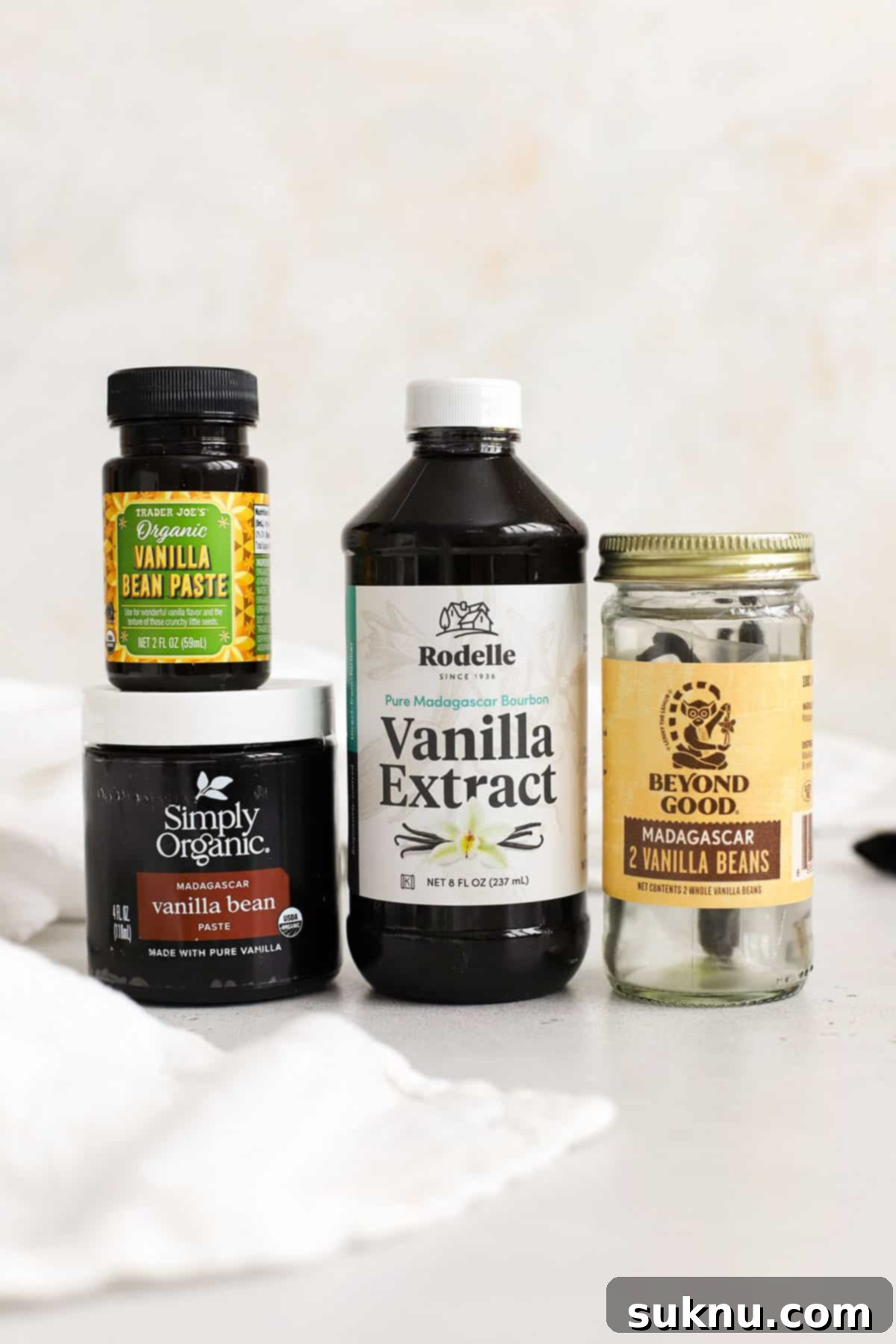
Unlock the Secret to Exquisite Flavor: A Deep Dive into the Different Kinds of Vanilla! From luxurious vanilla beans to versatile extracts and pastes, discover how to elevate your baking.
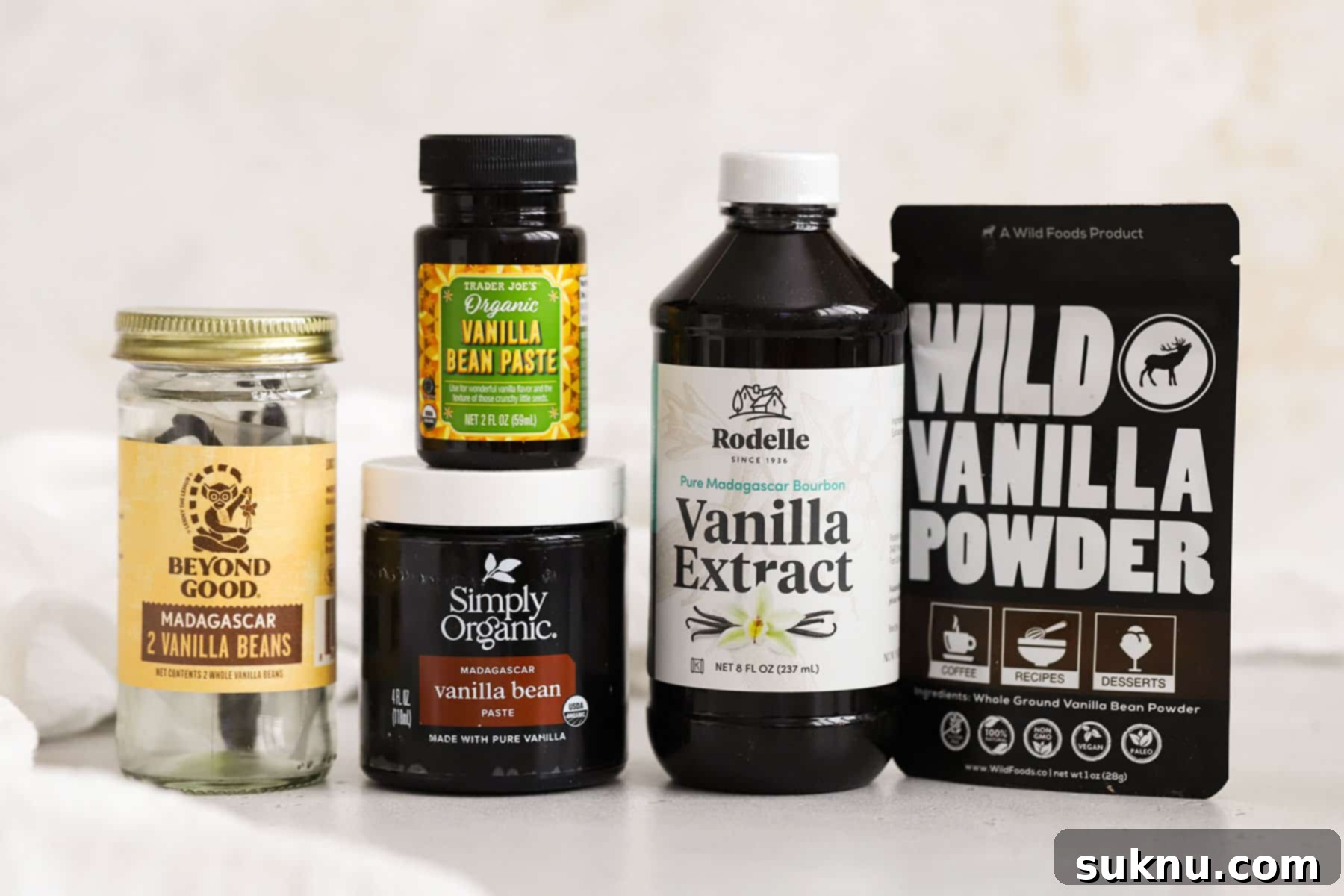
Vanilla is far more than just a flavor; it’s an experience, a subtle yet profound aromatic note that can transform ordinary dishes into extraordinary culinary creations. Its warm, sweet, and comforting essence is indispensable in countless recipes, from delicate frostings and classic cakes to rich ice creams, creamy puddings, aromatic sauces, and comforting beverages. While most home bakers are familiar with vanilla extract, this beloved ingredient actually comes in several distinct forms, each offering unique advantages and flavor nuances: whole vanilla beans, potent vanilla bean paste, convenient vanilla extract, and concentrated vanilla powder. Understanding these various types is key to unlocking the full potential of your baking.
In this comprehensive guide, part of our Be A Better Baker series, we’ll explore the four primary kinds of vanilla available to today’s cooks and bakers. We’ll delve into their origins, distinct characteristics, ideal uses, and practical substitution tips, empowering you to choose the perfect vanilla for every recipe and achieve professional-quality results.
Here’s everything you need to know about the different types of vanilla and how to master them in your kitchen.
Exploring the Different Kinds of Vanilla
Vanilla, derived from the fruit of the vanilla orchid, is a globally cherished spice. Its complex flavor profile boasts over 200 aromatic compounds, making it a favorite for enhancing both sweet and savory dishes. Today, we’ll focus on the four most common forms found in baking aisles. Tap on each one to learn more about its unique qualities!
- Vanilla Beans
- Vanilla Bean Paste
- Vanilla Extract
- Vanilla Powder
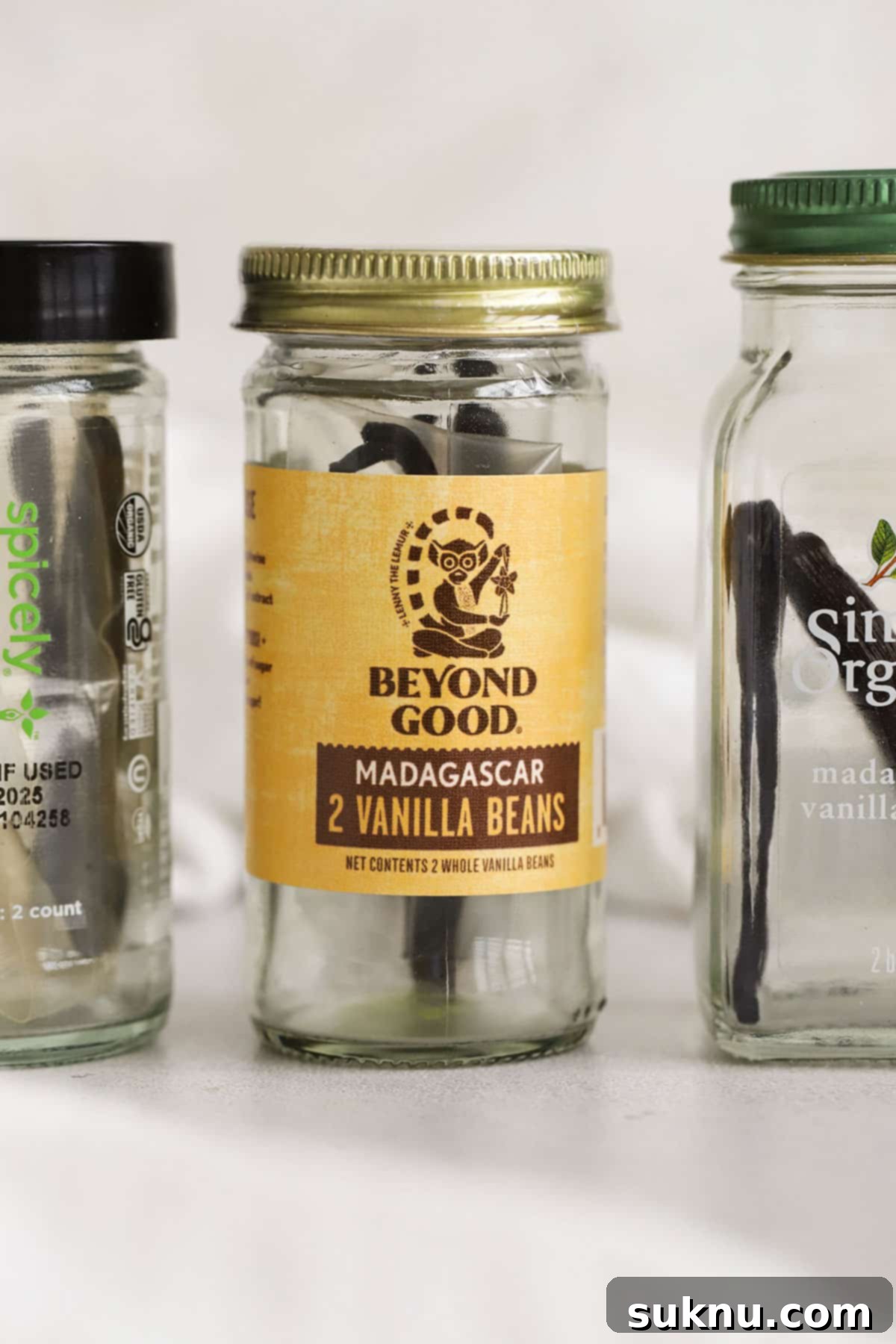
Vanilla Beans: The Purest Form of Vanilla
Vanilla beans are the whole, elongated, often dark brown or black pods of the vanilla orchid, characterized by a slightly waxy exterior and, crucially, a treasure trove of tiny black seeds within. These seeds are the primary source of the bean’s intense, nuanced, and truly authentic vanilla flavor. Vanilla beans are widely considered the gold standard of vanilla, offering an unparalleled depth of flavor and an exquisite visual appeal due to the delicate black flecks they impart to a dish. This makes them particularly prized in recipes where vanilla is the star, such as artisanal ice cream, crème brûlée, pastry cream, and elegant frostings.
Given their labor-intensive cultivation and curing process, vanilla beans are the priciest form of vanilla, with a single bean often ranging from $9 to $25, depending on its origin, grade, and market availability. However, their concentrated flavor means a little goes a long way, and the distinct aroma and visual quality they bring are often worth the investment for special occasions.
Where Do Vanilla Beans Come From? The Fascinating Origin Story
Vanilla beans are actually the fruit (seed pods) of the vanilla orchid, a genus of plants native to Mexico. Historically, the Totonac people of Mexico were among the first to cultivate vanilla. The intricate process of hand-pollination, originally carried out by Melipona bees native to Mexico, made its cultivation outside of its native region challenging for centuries. It wasn’t until the mid-19th century, with the discovery of an artificial hand-pollination method, that vanilla cultivation spread globally. Today, vanilla orchids thrive in specific tropical regions, including Madagascar (often labeled “Bourbon vanilla”), Tahiti, Mexico, the Caribbean, Hawaii, and Indonesia. Each region’s unique climate and curing methods lend subtle differences to the flavor profile, which connoisseurs often distinguish:
- Madagascar (Bourbon) Vanilla: The most common type, known for its rich, sweet, creamy, and buttery notes.
- Tahitian Vanilla: Offers a more floral, fruity, and anise-like aroma, often preferred in lighter desserts and fruit-based recipes.
- Mexican Vanilla: Features a bold, smoky, and spicy undertone, sometimes with hints of chocolate.
While a seasoned palate might discern these subtle variations, the average home cook will find all high-quality vanilla beans deliver an exceptional flavor experience.
Choosing and Grading Vanilla Beans
When selecting vanilla beans, look for plump, moist, and pliable pods. They should feel supple rather than dry and brittle, indicating a good moisture content and optimal flavor. A strong, sweet, and intoxicating fragrance is another excellent indicator of quality. Beans should also have a slightly glossy sheen.
Vanilla beans are typically classified into two grades based on their moisture content and appearance:
- Grade A (Gourmet or Prime): These beans have a higher moisture content (typically 25-35%), are plump, pliable, and visually appealing. They are ideal for applications where the bean will be scraped or infused directly, such as custards, sauces, and ice creams, where their intense, fresh flavor can shine.
- Grade B (Extract or Manufacturing): With a lower moisture content (typically 15-25%), these beans are often drier, less visually perfect, and may have splits. While their appearance is less pristine, their flavor is still concentrated. Grade B beans are perfect for making homemade vanilla extract, vanilla sugar, or infusing liquids over longer periods, where their robust flavor can be fully extracted.
How To Use Vanilla Beans for Maximum Flavor
To extract the precious seeds from a vanilla bean, lay the bean flat on a cutting board. Using a sharp paring knife, carefully make a lengthwise slit down the center of the pod, taking care not to cut all the way through the back. Once opened, use the sharp tip or the dull edge of your knife blade to scrape along the inside of each half, collecting all the tiny black vanilla seeds (often called “vanilla caviar”). These seeds are packed with flavor and provide that signature speckled appearance.
Don’t discard the spent vanilla pod after scraping out the seeds! It still contains valuable flavor compounds. You can repurpose it in several ways:
- Add it to a jar of granulated sugar to make fragrant vanilla sugar.
- Infuse it into hot milk, cream, or simple syrups for puddings, custards, or beverages.
- Steep it in alcohol to make your own homemade vanilla extract.
- Dry it completely and grind it into vanilla powder.
Vanilla Bean Substitutions: Achieving Similar Flavor and Appearance
If a recipe calls for a vanilla bean but you don’t have one on hand, or if you’re looking for a more cost-effective alternative, here are some common equivalencies:
- How much vanilla extract do you use for 1 vanilla bean? While the flavor profile of extract will differ slightly from the nuanced complexity of a fresh bean, you can generally substitute 1 Tablespoon of pure vanilla extract for 1 whole vanilla bean.
What’s the best substitute for vanilla beans?
For the closest substitute that retains the visual appeal of vanilla flecks, I highly recommend vanilla bean paste. It offers a concentrated flavor similar to beans and keeps those beautiful black specks. However, the potency can vary significantly between brands, so always check the label for specific equivalencies:
- Heilala Vanilla Paste = Typically 1 teaspoon vanilla paste per vanilla bean
- Nielsen-Massey Vanilla Paste = Often 1 Tablespoon vanilla paste per vanilla bean
- Rodelle Vanilla Paste = Generally 1 teaspoon vanilla paste per vanilla bean
- Simply Organic Vanilla Paste = Commonly 1 Tablespoon vanilla paste per vanilla bean
- Trader Joe’s Vanilla Paste = Usually 1 Tablespoon vanilla paste per vanilla bean
If your recipe is delicate and cannot tolerate additional liquid, such as certain meringues or dry mixes, vanilla powder is an excellent alternative. It provides intense vanilla flavor and the characteristic flecks without altering the recipe’s liquid balance.
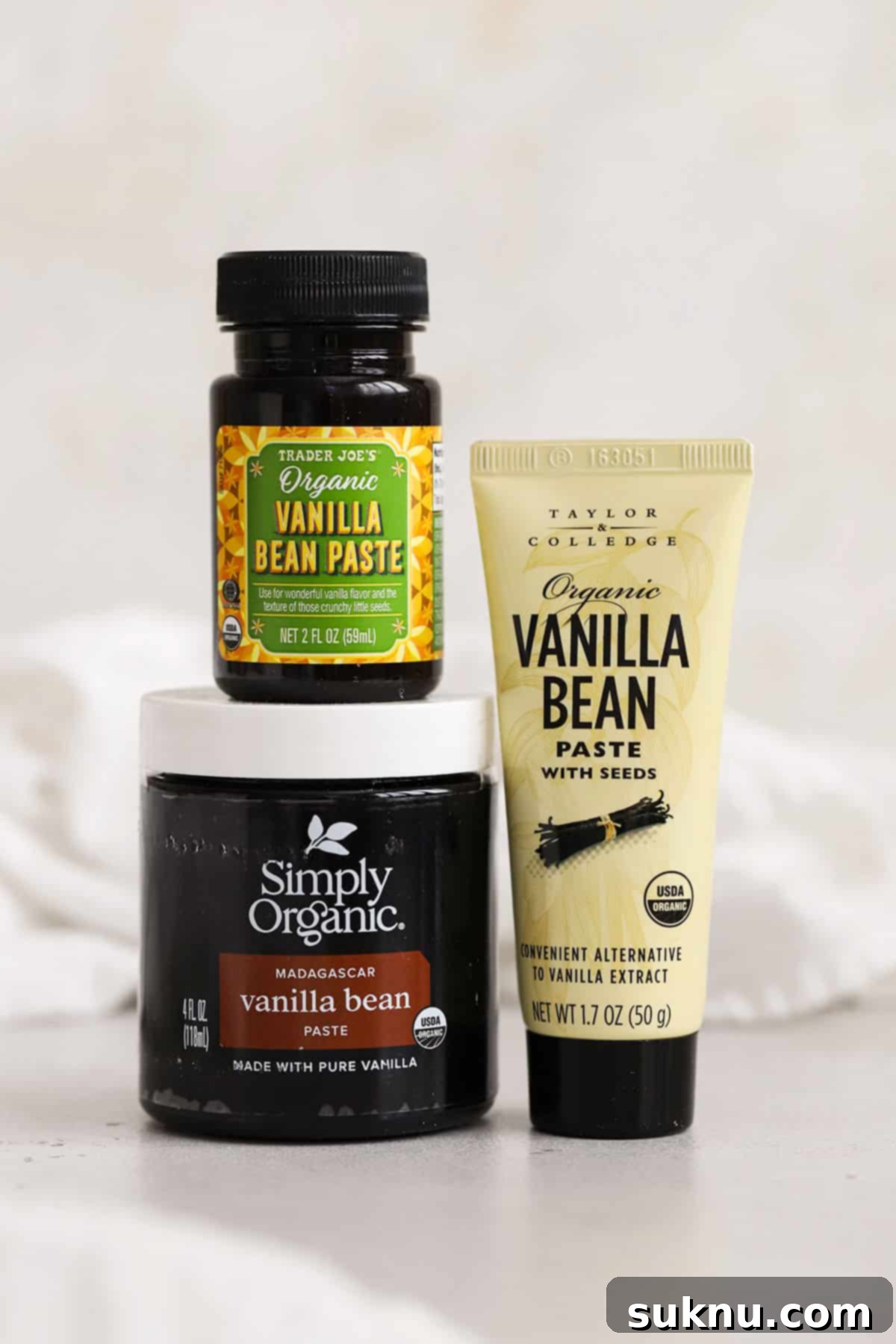
Vanilla Bean Paste: The Convenient Culinary Bridge
Vanilla bean paste, sometimes simply labeled “vanilla paste,” is a highly concentrated product that brilliantly bridges the gap between whole vanilla beans and vanilla extract. It’s a thick, syrupy solution made with real vanilla bean flecks, offering a true, robust vanilla flavor with the added visual appeal of those tiny, desirable black specks. It delivers a more vibrant and authentic vanilla taste than standard extract, making it a favorite among professional and home bakers alike.
This paste is an ideal choice when you desire the rich flavor and speckled aesthetic of a fresh vanilla bean without the effort of scraping pods or the higher cost. Its convenient ready-to-use form and intense flavor profile make it a powerful tool in any baker’s arsenal.
When to Use Vanilla Bean Paste
My preferred application for vanilla bean paste is in recipes where the vanilla flecks will be clearly visible and appreciated. Its beautiful visual quality truly shines in creations like:
- Frostings and Whipped Cream: It adds both exceptional flavor and an elegant, gourmet appearance.
- Custards and Puddings: The paste disperses beautifully, infusing every bite with rich vanilla and a lovely speckled texture.
- Ice Cream and Gelato: For homemade frozen desserts, vanilla bean paste delivers that classic artisanal look and a deep, comforting flavor.
- Cheesecakes and Creamy Fillings: It enhances the luxurious texture and taste of these desserts without adding excessive liquid.
Essentially, any recipe where vanilla is a prominent flavor and you want to impress with both taste and presentation is a perfect candidate for vanilla bean paste.
What is Vanilla Bean Paste Made From?
The core ingredients for vanilla bean paste typically include high-quality vanilla bean seeds and/or extract, suspended in a thick base. Common components are:
- Vanilla Bean: Real ground vanilla beans or extracted vanilla are always present.
- Sugar Syrup, Invert Syrup, or Glucose: These provide sweetness, act as a carrier, and help achieve the characteristic thick consistency.
- Alcohol (optional): Some brands include a small amount of alcohol, similar to extract, to help preserve flavor.
- Thickeners: Ingredients like xanthan gum or acacia gum are often used to give the paste its desirable, viscous texture, allowing it to coat ingredients effectively and distribute evenly.
Vanilla Paste Equivalencies: Simple Substitutions
One of the great advantages of vanilla bean paste is its ease of substitution:
- How Much Vanilla Paste Do You Use Per Teaspoon Vanilla Extract? In most recipes, vanilla bean paste can typically be used in a 1:1 ratio for vanilla extract. So, if your recipe calls for 1 teaspoon of vanilla extract, you can confidently use 1 teaspoon of vanilla bean paste. Always double-check your specific brand’s recommendations, as potency can vary slightly.
- How Much Vanilla Paste for a Vanilla Bean? As mentioned earlier, this varies by brand, usually between 1 teaspoon to 1 Tablespoon per vanilla bean.
What Is The Best Substitute For Vanilla Bean Paste?
The best and most readily available substitute for vanilla bean paste is pure vanilla extract. While you won’t achieve the signature vanilla bean flecks, you can use the same amount of pure vanilla extract in place of the paste (a 1:1 ratio). Keep in mind that the flavor might be slightly less intense than the paste, so if you want to boost the vanilla flavor, you could consider adding an extra splash of extract.
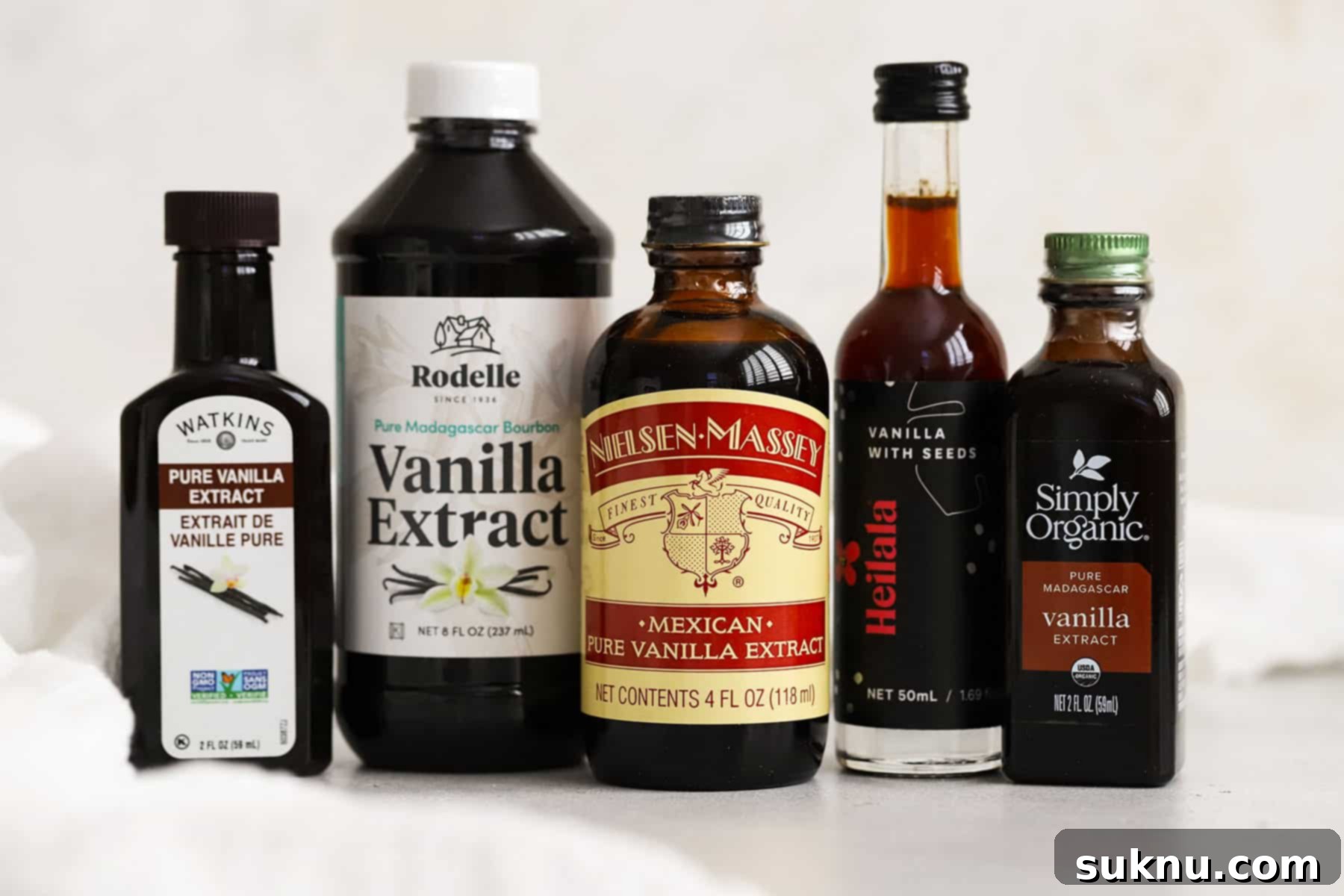
Vanilla Extract: The Baking Staple
Vanilla extract is undoubtedly the most common and widely used form of vanilla in home kitchens around the world. Its convenience, consistent flavor, and relatively affordable price make it a go-to ingredient for a vast array of baked goods and desserts. It’s liquid gold that infuses a comforting aroma and sweet notes into almost anything it touches.
What Is Vanilla Extract Made Out Of?
Authentic pure vanilla extract is typically made by steeping vanilla beans in an alcohol solution. The alcohol extracts the vanilla’s flavor compounds, resulting in a concentrated liquid. According to the U.S. Food and Drug Administration (FDA), pure vanilla extract must contain a minimum of 35% alcohol and at least 13.35 ounces of vanilla beans per gallon. Many high-quality vanilla extracts use specific types of alcohol like bourbon, vodka, or occasionally brandy, which can subtly influence the final flavor profile (hence labels like “bourbon vanilla”).
For those who avoid alcohol, alcohol-free vanilla extract alternatives are readily available. These typically use a base of glycerin, sugar syrup, corn syrup, or glucose syrup to extract and carry the vanilla flavor, offering a similar taste without the alcohol content. While the flavor may be slightly different due to the lack of alcohol as a solvent, these are a viable option for many.
Pure Vanilla Extract vs. Vanilla Flavoring (Imitation Vanilla)
Understanding the distinction between “pure vanilla extract” and “vanilla flavoring” (often called “imitation vanilla”) is crucial for discerning bakers:
- Pure Vanilla Extract: Made exclusively from real vanilla beans steeped in alcohol (or a non-alcoholic solvent). It offers a complex, nuanced flavor derived directly from the natural vanilla compounds.
- Vanilla Flavoring/Imitation Vanilla: This product uses artificial flavorings, primarily vanillin, which is the main flavor compound found in natural vanilla. Imitation vanilla is often made from lignin (a component of wood pulp) or petrochemicals. It’s significantly cheaper to produce and therefore much more affordable.
You can use both interchangeably in most recipes, but their flavor profiles are distinctly different. Pure vanilla extract provides a richer, more rounded, and authentic vanilla taste. Imitation vanilla, while providing a vanilla-like note, often tastes harsher, less complex, and can have a slightly chemical aftertaste, especially when used in uncooked applications or where vanilla is a dominant flavor. For recipes with strong flavors (like chocolate cake), imitation vanilla can be perfectly acceptable, but for delicate desserts (like custards or whipped cream), pure extract shines.
Can You Make Vanilla Extract From Scratch?
Yes, absolutely! Making your own pure vanilla extract is not only incredibly easy but also a rewarding project that results in a superior product and makes a thoughtful, personalized gift. It typically involves steeping split vanilla beans (often Grade B beans are perfect for this) in a neutral alcohol like vodka for several months. The longer it steeps, the more intense the flavor. You can find excellent vanilla extract recipes and guides online, including one by Sally’s Baking Addiction.
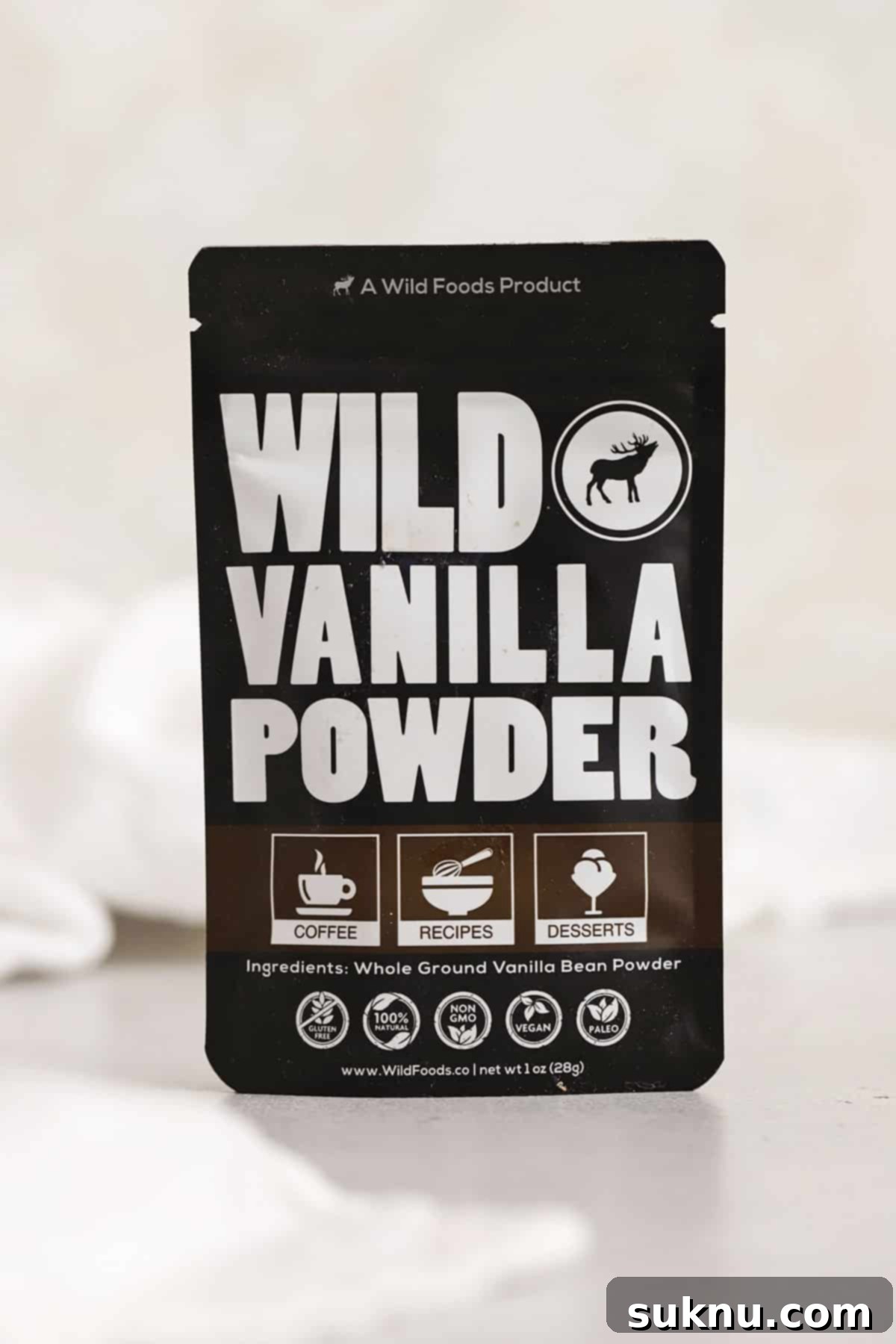
Vanilla Powder: The Dry, Concentrated Alternative
Vanilla powder is a lesser-known but incredibly useful form of vanilla, particularly valued in specific culinary applications. It offers a powerful, pure vanilla flavor without adding any liquid, making it ideal for delicate recipes or situations where moisture content is critical.
What Is Vanilla Powder Made From?
True vanilla powder is simply made from dried and finely ground vanilla beans. Its appearance will be dark, often matching the deep brown or black color of the beans themselves, and it may contain visible flecks of ground vanilla bean. It boasts an intense, fragrant vanilla taste and aroma, reflecting the concentrated essence of the pure bean. The key advantage of vanilla powder is that it doesn’t contain alcohol or a liquid base, which makes it perfect for applications like:
- Dry Mixes: Blends well into baking mixes, coffee, or hot chocolate powders.
- Delicate Batters: Ideal for meringues, macarons, or other recipes where added liquid could alter the texture.
- Flavoring Beverages: Stir into hot drinks without diluting them.
- Dusting: Can be lightly dusted over finished desserts for both flavor and visual appeal.
Be aware that some products marketed as “vanilla powder” might be imitation vanilla (vanillin) mixed with sugar or a carrier, so always check the ingredient list to ensure you’re getting pure, ground vanilla beans.
Is Vanilla Powder The Same As Vanilla Sugar?
No, vanilla powder is distinct from vanilla sugar, although both contain vanilla and sugar. The difference lies in their composition and intended use:
- Vanilla Powder: Pure, ground vanilla beans. It contains no sugar (unless explicitly blended with it). Its purpose is to deliver concentrated vanilla flavor without liquid or added sweetness.
- Vanilla Sugar: Granulated sugar that has been infused with vanilla bean (often by storing spent vanilla pods in a jar of sugar). It’s primarily sugar with a subtle vanilla aroma and flavor, used to replace regular sugar in recipes or for sweetening.
Vanilla Powder Equivalencies:
Because vanilla powder is highly concentrated, you’ll need less of it compared to extract or paste. The precise equivalencies can vary slightly by brand and the intensity of the beans used, but here’s a general guideline:
- 1/2 teaspoon vanilla powder ≈ 1 teaspoon vanilla extract
- 1/2 Tablespoon vanilla powder ≈ 1 Tablespoon vanilla bean paste
- 1/2 teaspoon vanilla powder ≈ 1 vanilla bean
Always consult the specific product packaging for the most accurate substitution ratios, as these can vary.
The Bottom Line: Choosing Your Perfect Vanilla
Vanilla, a truly indispensable ingredient in the world of baking and desserts, is available in four primary forms: whole vanilla beans, versatile vanilla bean paste, ubiquitous vanilla extract, and potent vanilla powder. Each variant offers a unique combination of flavor intensity, aroma, texture, and visual appeal, making them suitable for different culinary applications.
Understanding the nuances of each type allows you to make informed decisions that can significantly impact the final outcome of your dishes. While vanilla extract remains the most common and versatile choice for everyday baking, experimenting with vanilla beans or vanilla bean paste can elevate your special occasion desserts to gourmet status. Vanilla powder, though niche, provides a crucial solution for specific moisture-sensitive recipes.
When substituting one form of vanilla for another, it’s always advisable to consult your specific brand’s packaging for accurate equivalencies. Potency and formulation can vary between manufacturers, and paying attention to these details will ensure you achieve the best possible flavor and consistency in your culinary endeavors. Embrace the world of vanilla, experiment with its different forms, and savor the rich, aromatic results in your kitchen!
FAQ + Tips And Tricks For Vanilla
Here are some frequently asked questions and invaluable tips to help you master the art of baking with vanilla.
Where’s The Best Place To Buy Vanilla Beans? For the best value, consider buying vanilla beans in bulk. Online retailers specializing in spices, baking ingredient suppliers, or larger warehouse clubs like Costco often offer more competitive prices than standard grocery stores. Brands like Heilala or Nielsen-Massey also offer high-quality beans directly or through specialty retailers.
Look For Sustainable And Fair Trade Brands. The vanilla industry, unfortunately, has faced challenges related to ethical sourcing and farmer welfare. To support responsible practices, prioritize brands that explicitly state their commitment to sustainable agriculture, fair trade certifications, or direct-trade relationships with vanilla farmers. This ensures that the environmental impact is minimized and that the farmers receive fair compensation for their labor-intensive work.
How Long Does Vanilla Last? Proper Storage is Key. When stored correctly, vanilla products have an impressive shelf life:
- Vanilla Extract: Pure vanilla extract, due to its alcohol content, can last for many years, even decades, if stored in an airtight container away from direct sunlight and heat. While some say it lasts indefinitely, most manufacturers, like Rodelle, recommend using it within 5 years for optimal flavor. Always check the packaging for specific best-by dates.
- Vanilla Beans: Store vanilla beans in an airtight container (like a glass tube or sealed bag) in a cool, dark place, not the refrigerator (which can dry them out). If properly stored, they can remain fresh and pliable for up to two years.
- Vanilla Bean Paste: Typically lasts for 1-2 years when stored in a cool, dark pantry with the lid tightly sealed.
- Vanilla Powder: Keep vanilla powder in an airtight container in a cool, dry place. It can maintain its potency for 2-3 years.
How To Use Spent Vanilla Beans (Don’t Throw Them Away!). After you’ve scraped out the precious seeds from a vanilla bean pod, the pod itself still contains significant flavor compounds. Do not discard it! Repurpose it to maximize its value:
- Vanilla Sugar: Place dried spent pods in a jar of granulated sugar. Over time, the sugar will absorb the vanilla aroma, creating a fragrant vanilla sugar perfect for baking or sweetening coffee.
- Homemade Vanilla Extract: Add spent pods to a bottle of alcohol (like vodka) to start or enhance a batch of homemade vanilla extract.
- Infuse Liquids: Add spent pods to simmering milk, cream, or simple syrup when making custards, puddings, ice cream bases, or sauces. Just remove them before serving.
- Vanilla Powder: Allow the spent pods to dry completely, then grind them into a fine powder using a spice grinder or mortar and pestle.
Why Is Vanilla So Expensive? The Cost of Excellence. Vanilla’s high price tag is a reflection of its unique and demanding cultivation process. Unlike many other spices, vanilla orchids must be hand-pollinated within a very specific window of time (usually a few hours) on the day the flower blooms. The beans then undergo a lengthy and labor-intensive curing process that can take several months, involving sun-drying and sweating to develop their complex flavor. Furthermore, vanilla only grows in specific tropical climates, making it a rare and valuable commodity in the global market. All these factors contribute to its status as one of the world’s most expensive spices, second only to saffron.
WE ♥
TIPS & TRICKS
More tips to help you:
- Sprinkles 101: Types Of Sprinkles, Uses & More!
- How To Brown Butter
- 3 Ways To Separate Egg Yolks & Egg Whites
- How To Get Eggs To Room Temperature FAST
- How To Measure Flour Correctly(Scoop & Level Method)
- How To Check If Your Baking Soda & Baking Powder Are Fresh
- How To Freeze Cookie Dough (& Bake From Frozen)