Mastering the Art of Egg Separation: A Comprehensive Guide to Perfect Whites and Yolks for Baking and Cooking
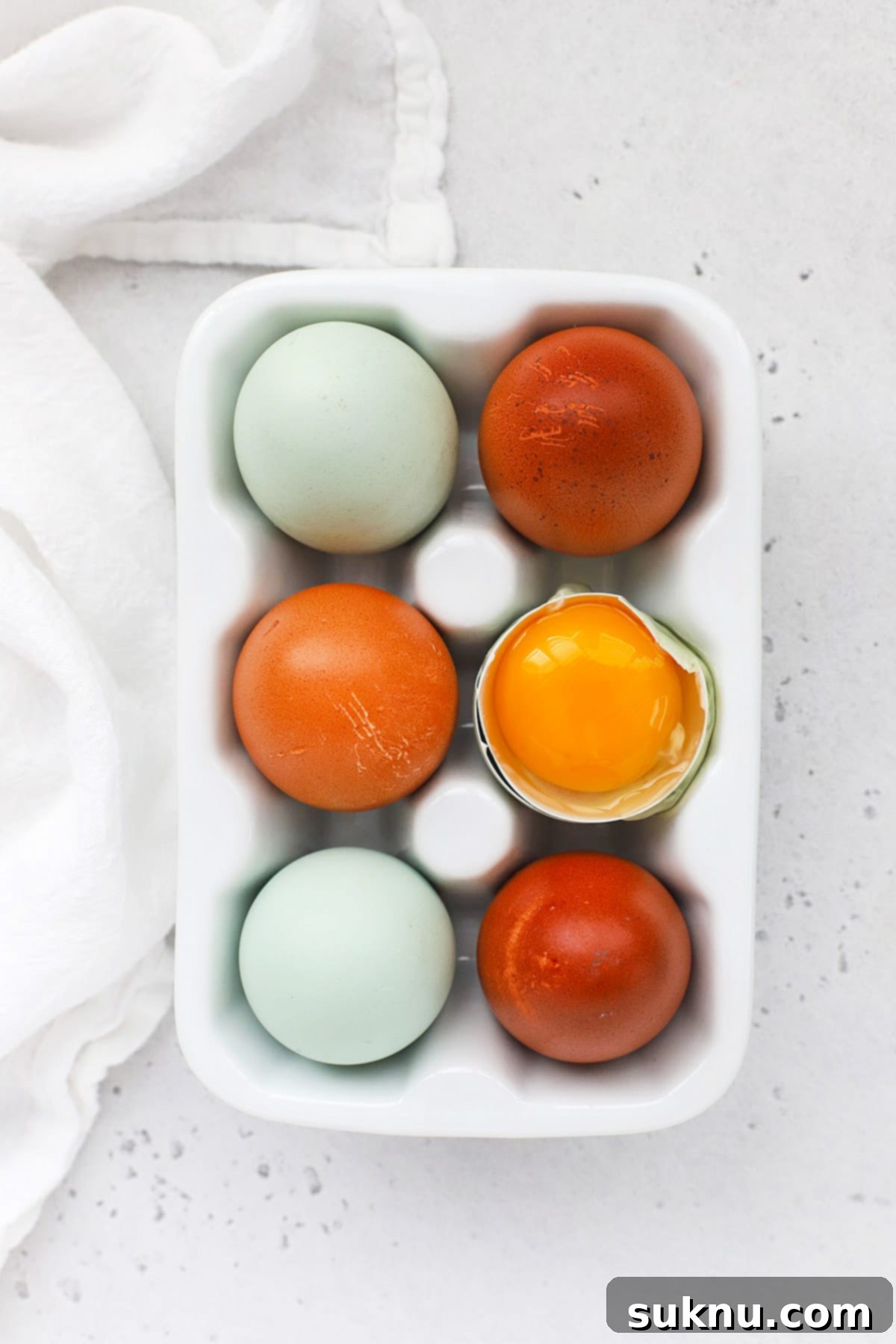
Welcome to another essential installment of our “Be A Better Baker” series! Today, we’re diving deep into a fundamental kitchen skill that can truly elevate your culinary creations: separating eggs. While you might not often need to separate eggs for everyday cooking, this technique becomes indispensable in the world of baking, especially for delicate pastries and gluten-free recipes where precision is key.
For many home cooks, the idea of separating egg yolks from egg whites can seem daunting, perhaps even a little messy. But don’t let this common perception deter you! With the right approach and a few clever tricks, mastering egg separation is far easier than you might imagine. This guide is designed to empower you with simple, effective methods that will build your confidence in the kitchen.
In this comprehensive post, you’ll discover three foolproof ways to separate eggs: using the traditional egg shell method, employing the quick and easy hand method, and leveraging the convenience of an egg separator tool. Whether you’re aiming to whip up airy meringues, add a rich texture to your favorite cookies, or create silky smooth custards, learning to perfectly separate eggs is your first step towards culinary success. Let’s get started and unlock the secrets to flawless egg separation!
First: What Exactly Is Egg Separation?
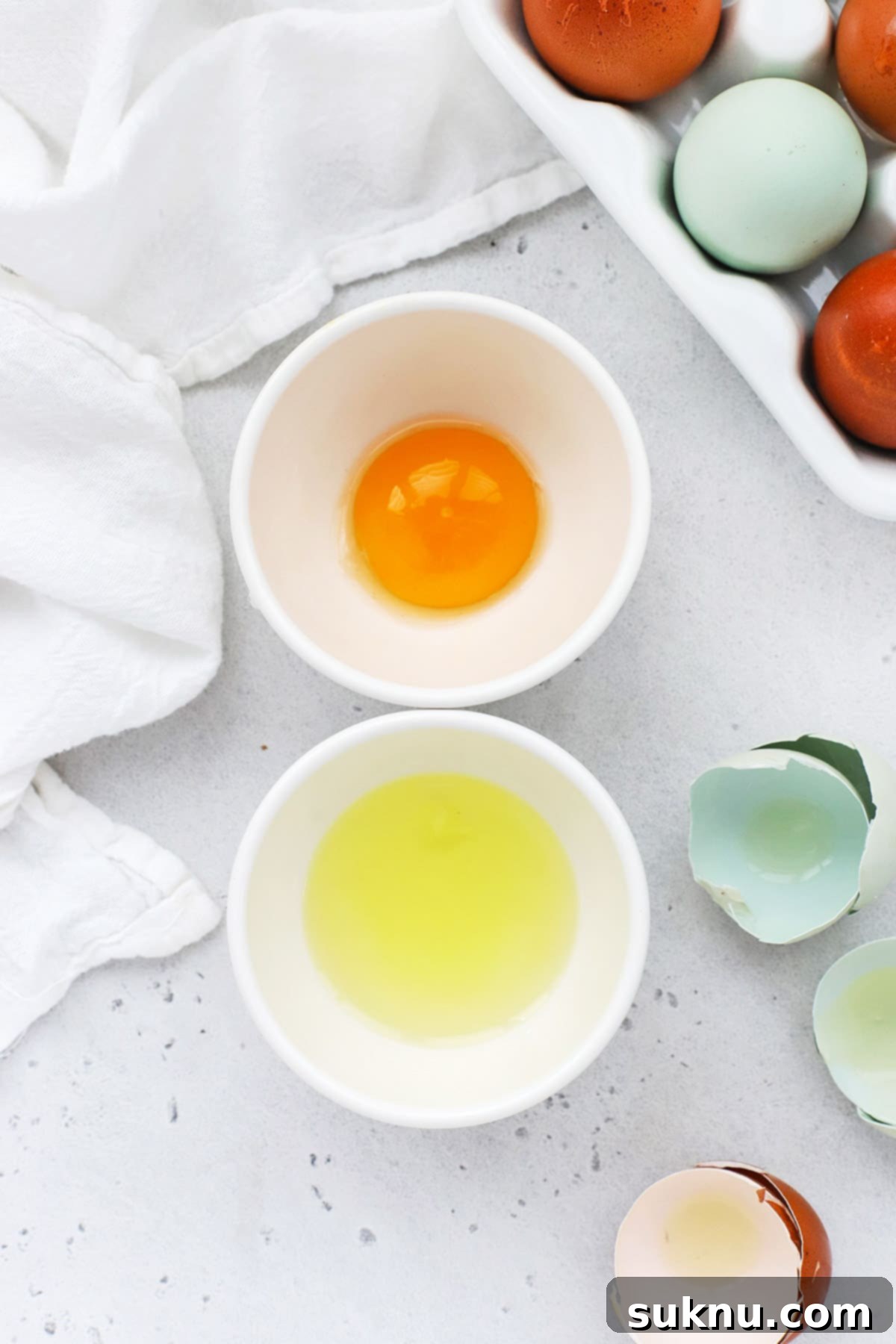
At its core, separating eggs simply means carefully dividing the egg yolks (the yellow, fatty center) from the egg whites (the clear, protein-rich liquid surrounding the yolk). This fundamental kitchen technique is a cornerstone in many baking and cooking endeavors, primarily because each component of the egg possesses unique properties and performs distinct functions within a recipe.
The egg yolk is primarily composed of fats and emulsifiers, providing richness, flavor, and a tender texture to dishes. It also acts as a binding agent. In contrast, egg whites are almost pure protein and water. When whipped, these proteins can trap air, creating incredible volume, lightness, and structure, making them ideal for creating airy textures. Understanding these differences highlights why separating eggs is so crucial for achieving specific results in your culinary projects.
Pro Tip for Separation Success: When embarking on egg separation, always start with cold eggs. Eggs straight from the refrigerator have firmer yolks, making them less likely to break during the separation process. Once separated, if your recipe calls for room-temperature egg whites (common for whipping), simply let them sit out for 20-30 minutes to warm up before proceeding.
Why Is Separating Eggs Essential for Your Recipes?
Recipes often specify separating egg whites and yolks because they harness the unique properties of each component. By isolating these parts, you can achieve textures, volumes, and consistencies that would be impossible with whole eggs. Here are the primary reasons why this technique is so vital:
- Achieving Incredible Volume and Lightness: Separated egg whites are indispensable for whipping into meringues, angel food cakes, macarons, soufflés, and light batters. When whipped, the proteins in egg whites denature and form a stable foam, trapping air and expanding dramatically. This creates an unparalleled airy and delicate structure in your baked goods. (Don’t miss our detailed tutorial on how to whip egg whites to stiff or soft peaks!)
- Enhancing Richness and Chewiness: Adding an extra egg yolk to recipes like cookies or brownies significantly boosts their richness, moisture, and chewiness. The fat content in the yolk prevents excessive gluten development, resulting in a tender crumb, while its emulsifying properties create a smoother, more luscious texture. This is one of my absolute favorite tricks for truly decadent desserts!
- Thickening Sauces and Custards: Egg yolks are natural thickening agents due to their fat and protein content. They are vital for creating silky smooth sauces like hollandaise for eggs benedict, rich custards, pastry cream, or homemade puddings. The yolks provide a creamy body and luxurious mouthfeel that transforms these dishes.
- Crafting Lighter Batters: For baked goods like waffles or certain cakes, separating eggs allows for a lighter final product. You can mix the egg yolks with other wet ingredients to contribute moisture and flavor, then gently fold in stiffly whipped egg whites at the end. This introduces a significant amount of air into the batter, resulting in an exceptionally fluffy and tender texture.
- Controlling Color in Delicate Baked Goods: In recipes like white cakes, using only egg whites ensures a pure, pristine white color, which is often desired for aesthetic reasons. The yellow pigment from the yolk would otherwise tint the batter.
3 Simple and Effective Ways to Separate Eggs Perfectly
Now that we understand the ‘why’ behind egg separation, let’s explore the ‘how.’ There are several techniques for separating eggs, each with its own advantages. Today, we’ll focus on three popular and incredibly effective methods that will make you an egg-separating pro in no time. You can choose the method that best suits your comfort level, kitchen tools, and current recipe needs:
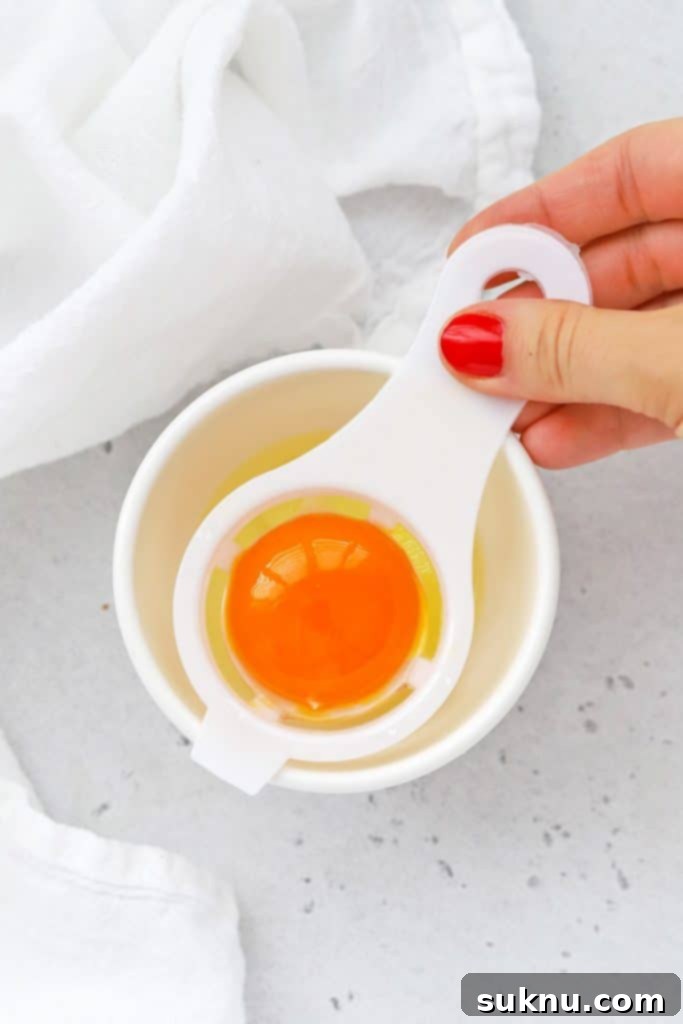
- Separating Eggs With An Egg Separator – Ideal for beginners and those seeking a mess-free, gadget-assisted approach.
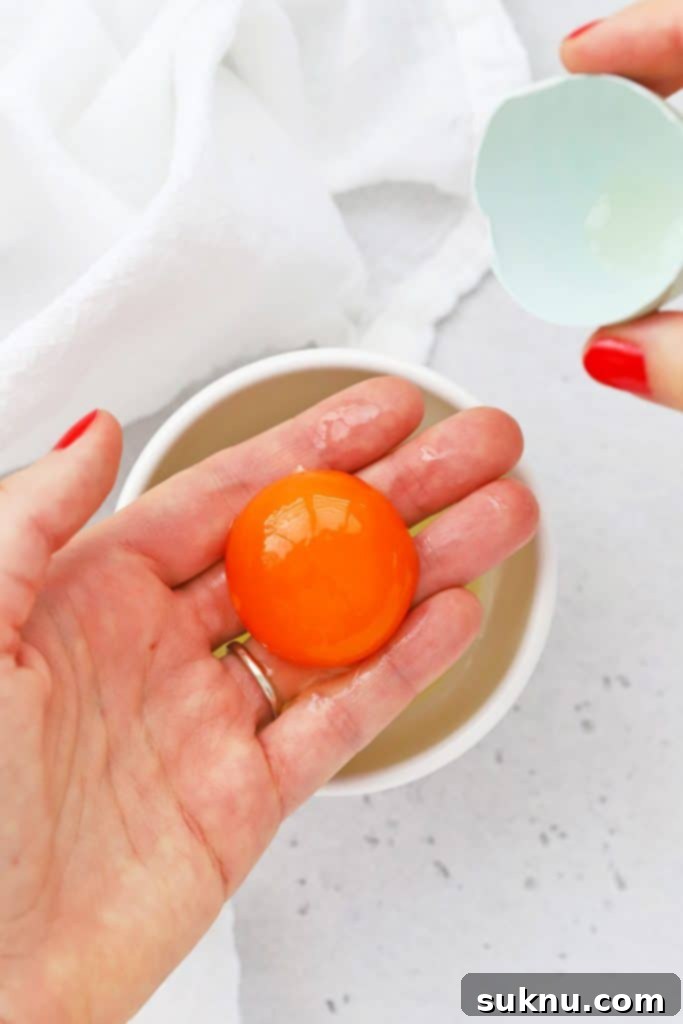
- Separating Eggs With Your Hands– A quick, tactile, and highly effective method once you get the hang of it, perfect for when you don’t want to use extra tools.
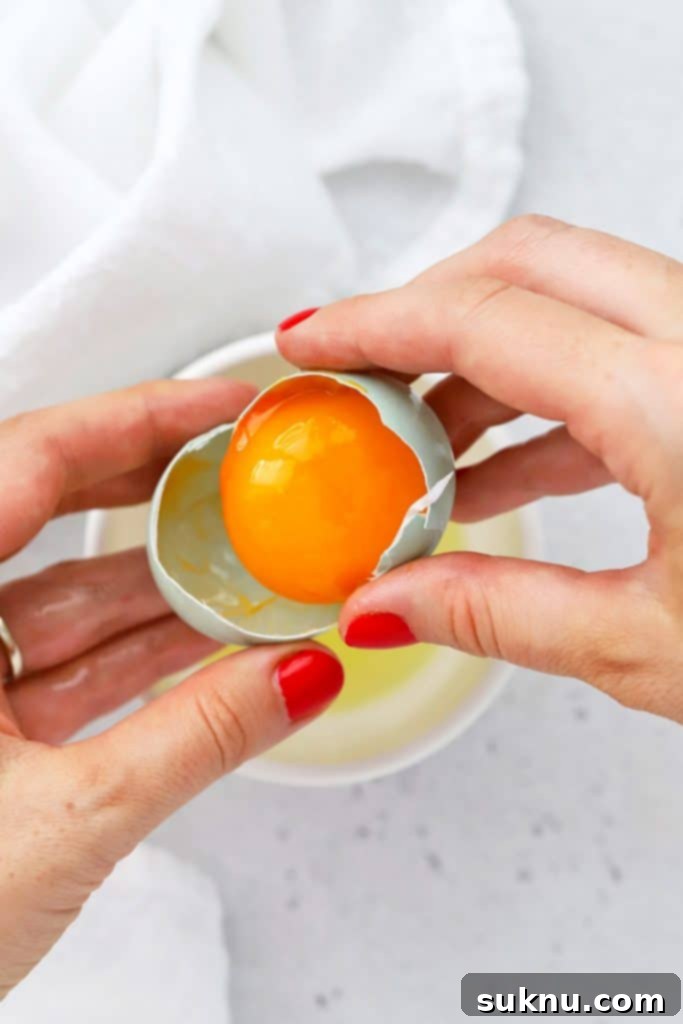
- Separating Eggs With The Egg Shell – The classic, traditional method that keeps your hands cleaner and is a favorite among experienced bakers.
Let’s delve into each of these methods with clear, step-by-step instructions to ensure your egg separation is always seamless and successful.
How To Separate Eggs Using An Egg Separator (Beginner-Friendly Method)
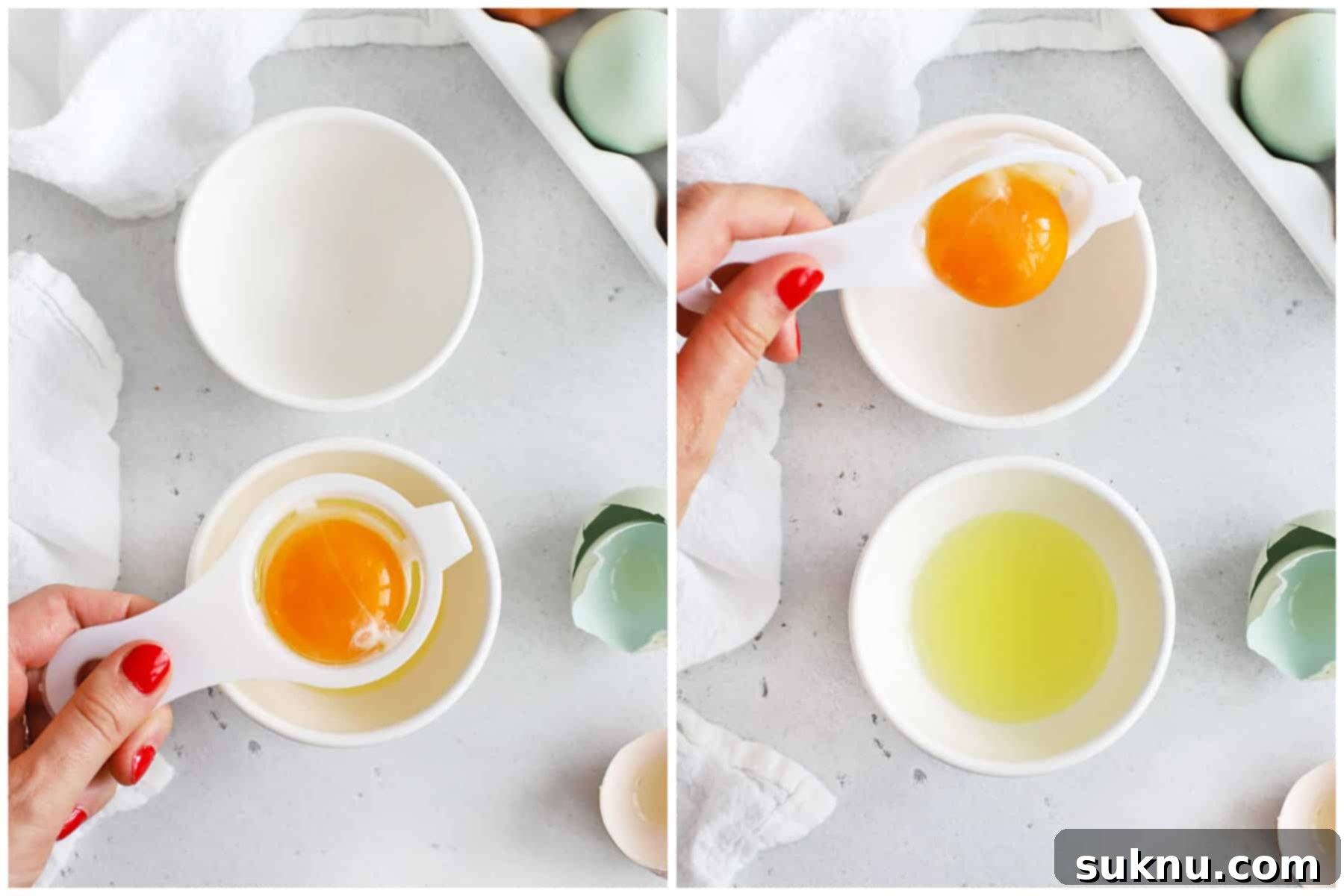
For those new to the art of egg separation or anyone looking for a super-clean and efficient process, using an egg separator is an excellent choice. This handy little gadget is specifically designed to simplify the task, minimizing mess and increasing your chances of a perfect separation every time. While I always encourage finding the method that feels most comfortable to you, the egg separator offers unparalleled ease, making it a favorite for many beginners.
An egg separator typically features a small cup or bowl with slots or ridges, acting like a strainer. When an egg is cracked into it, the whites drip through the openings into a bowl below, while the yolk is gently retained in the separator. There are various types, from spoon-like separators that sit over a bowl to models that attach to the rim. Regardless of the design, the principle remains the same. Here’s how to separate eggs with an egg separator, step-by-step:
- Prepare Your Bowls: Set out three bowls: one for collecting the egg whites, one for collecting the egg yolks, and a smaller, separate bowl for cracking each individual egg into initially. This “three-bowl method” is crucial for preventing cross-contamination if a yolk breaks.
- Position the Separator: Place your chosen egg separator securely over the rim of your small, individual cracking bowl. Ensure it’s stable and won’t tip over.
- Crack the Egg: Gently crack one egg on a flat surface (not the rim of a bowl, which can introduce shell fragments). Carefully open the shell and pour the entire egg into the egg separator.
- Allow for Separation: The egg white will naturally begin to drip through the slots of the separator and into the individual bowl below. The yolk will remain intact in the separator’s cup. You can gently shake or tilt the separator to encourage stubborn whites to fall through.
- Transfer Yolk and White: Once the white has fully separated, carefully transfer the yolk from the separator into your main egg yolk collection bowl. Then, pour the separated egg white from the individual cracking bowl into your main egg white collection bowl.
- Repeat as Needed: Clean your separator (if necessary) and repeat steps 2-5 for each additional egg you need to separate. This meticulous process ensures that if a yolk breaks, only that single egg is affected, saving the rest of your separated whites or yolks from contamination.
How To Separate Eggs Using Your Hands (The Tactile Method)
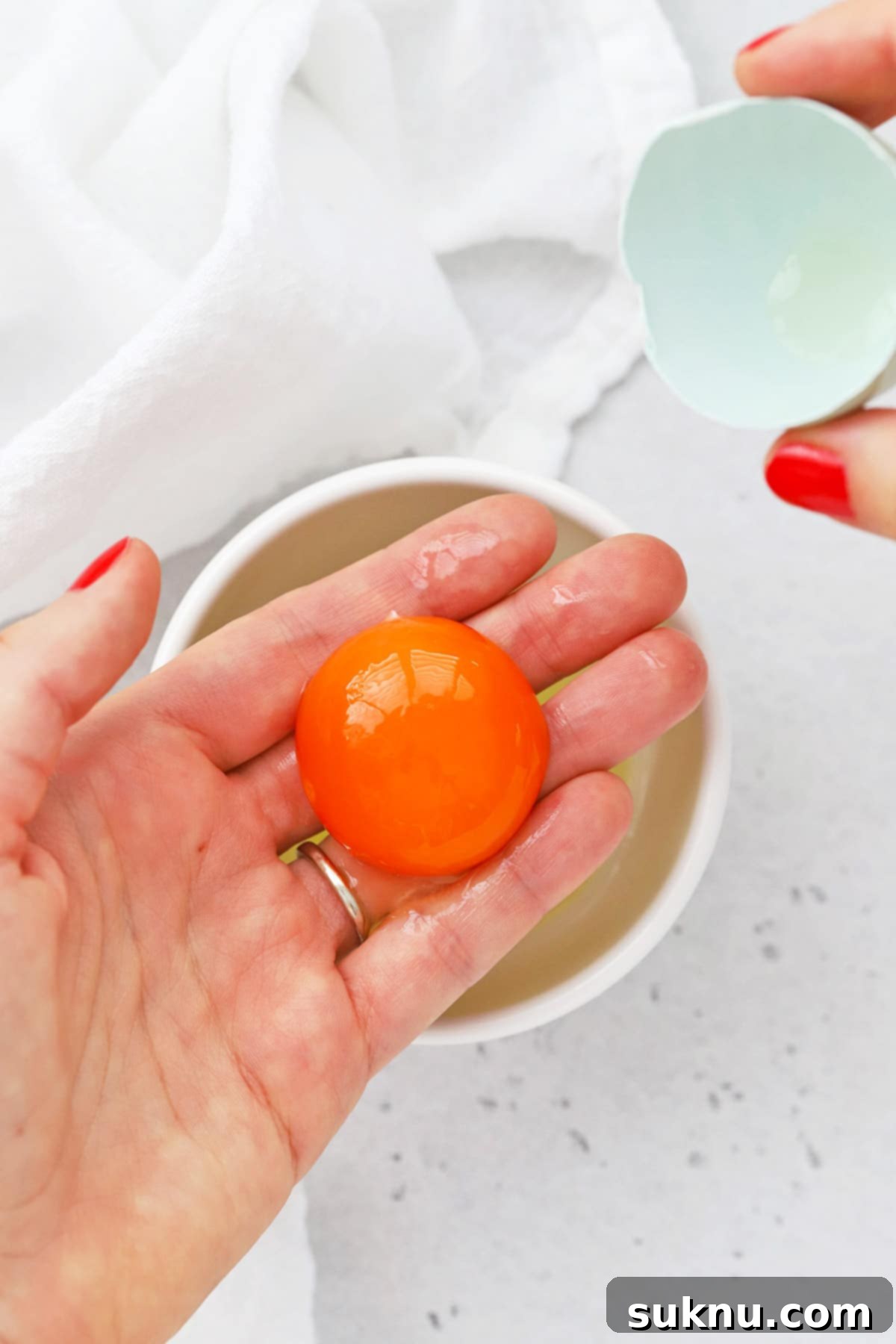
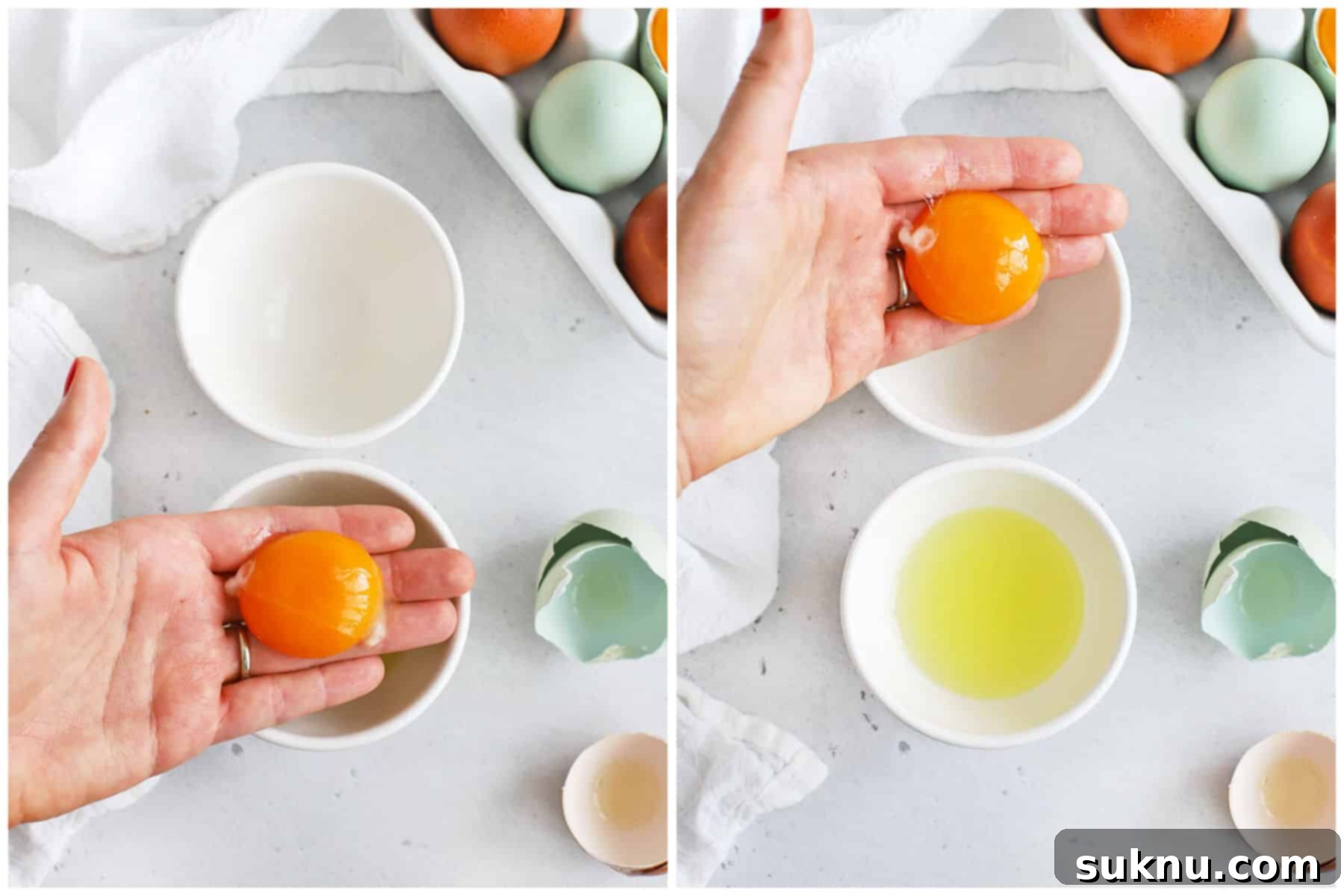
For those who prefer a more hands-on approach and want to skip the extra gadgets, separating eggs using your hands is a surprisingly effective and quick method. Many experienced cooks find this technique to offer the most control, allowing them to feel the distinct textures of the yolk and white. While it might be a bit messier, the direct tactile feedback can make it easier to ensure a clean separation. Here’s how to separate eggs using your hands, step-by-step:
- Prepare Your Setup and Wash Hands: Begin by washing your hands thoroughly with soap and water to ensure they are completely clean and free of any grease or residue – this is crucial for preventing contamination. Set out three bowls: one for the whites, one for the yolks, and a smaller, separate bowl for cracking each individual egg first.
- Crack the Egg: Gently crack one egg on a flat surface. Carefully open the shell and pour the entire contents of the egg into your clean, cupped hand. Position your hand directly over the small, individual cracking bowl.
- Allow for Separation with Fingers: With your fingers slightly spread apart, allow the viscous egg white to slowly drip through the gaps between your fingers and into the bowl below. The firmer, round yolk will remain safely cupped in the palm of your hand. You can gently shift your hand or slightly widen your fingers to encourage all the white to fall through.
- Transfer Yolk and White: Once all the egg white has dripped away, carefully transfer the intact egg yolk from your hand into your main egg yolk collection bowl. Then, pour the separated egg white from the individual cracking bowl into your main egg white collection bowl.
- Repeat as Needed: Briefly rinse your hand under cold water and dry it with a clean towel before separating the next egg. Repeat steps 2-4 for each additional egg. The “three-bowl method” with individual cracking prevents any accidental yolk breakage from ruining your entire batch of whites.
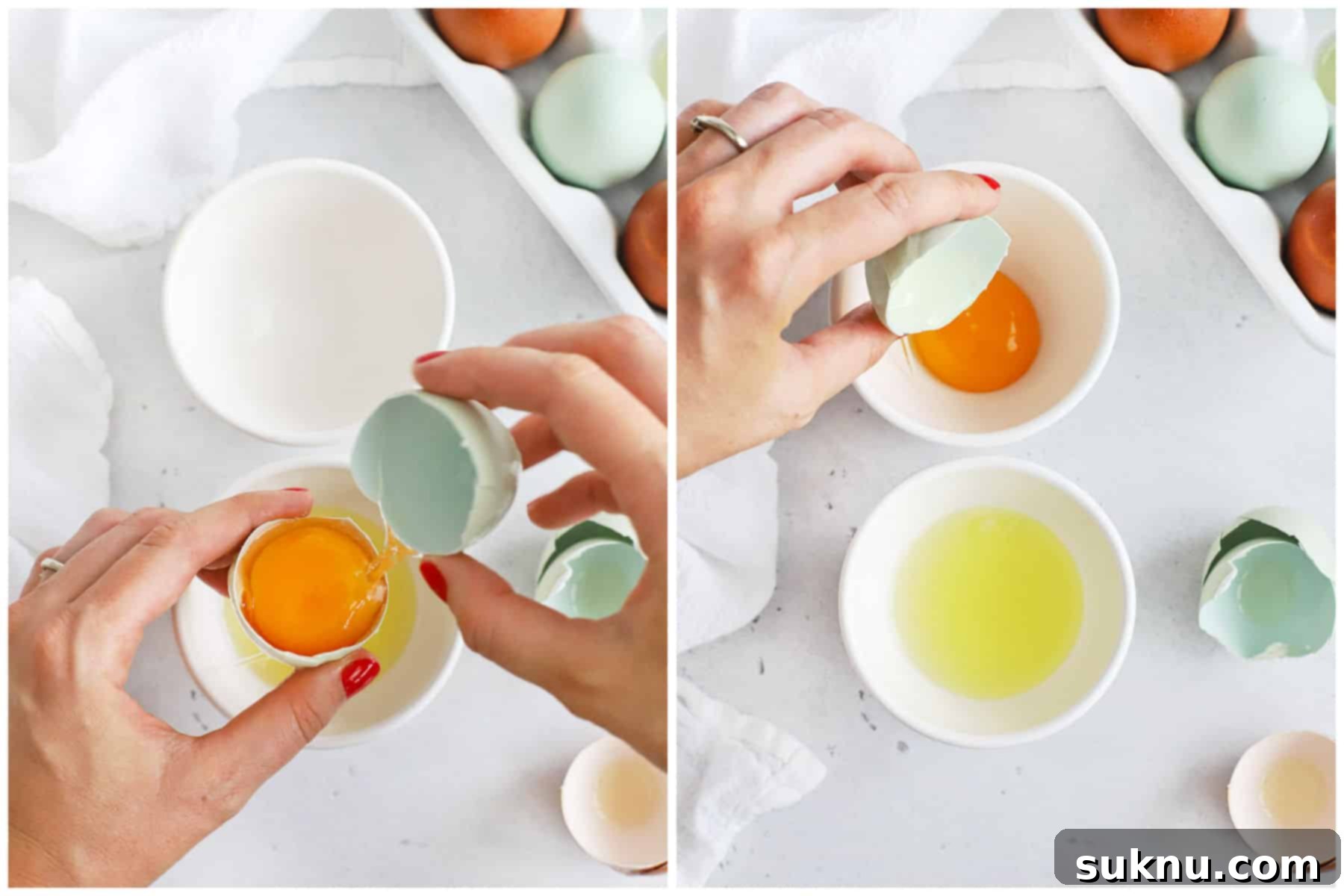
How To Separate Eggs Using The Egg Shell (The Classic Method)
This is arguably the most traditional and widely recognized method for separating eggs, and it’s my personal favorite for its elegance and effectiveness without requiring any special tools. It’s an excellent way to separate eggs if you don’t have an egg separator handy and prefer to keep your hands clean. For this technique, you’ll rely on the natural curvature of the eggshell halves to cradle the yolk while allowing the whites to slip away. Success with this method often comes with a bit of practice and starting with cold eggs, which have firmer yolks less prone to breaking.
- Set Up Your Bowls: Gather three bowls: one for the separated egg whites, one for the egg yolks, and a smaller, individual bowl for cracking each egg into first. The individual bowl acts as a safety net, ensuring that if a yolk breaks, it only contaminates that single egg and not your entire collection of whites.
- Crack the Egg: Hold the egg firmly and gently tap it against a flat surface, such as your countertop, to create a clean crack in the middle. Avoid cracking it on the rim of a bowl, which can push shell fragments into the egg and create jagged edges that might puncture the yolk.
- Open and Separate: Carefully pull the two halves of the shell apart. Keep the yolk in one half of the shell and slowly pour the white into the small, individual cracking bowl. The white will naturally fall away, leaving the yolk in the shell.
- “Pass” the Yolk: To ensure all the white is removed, gently transfer the yolk back and forth between the two shell halves, letting any remaining white drip into the individual bowl. Be gentle to avoid breaking the yolk on the sharp edges of the shell.
- Transfer Yolk and White: Once the yolk is completely free of white, carefully place it into your main egg yolk collection bowl. Then, pour the separated egg white from the individual cracking bowl into your main egg white collection bowl.
- Repeat as Needed: Wipe the shell halves clean with a paper towel if necessary (to prevent any yolk residue from contaminating subsequent whites) and repeat these steps for each additional egg.
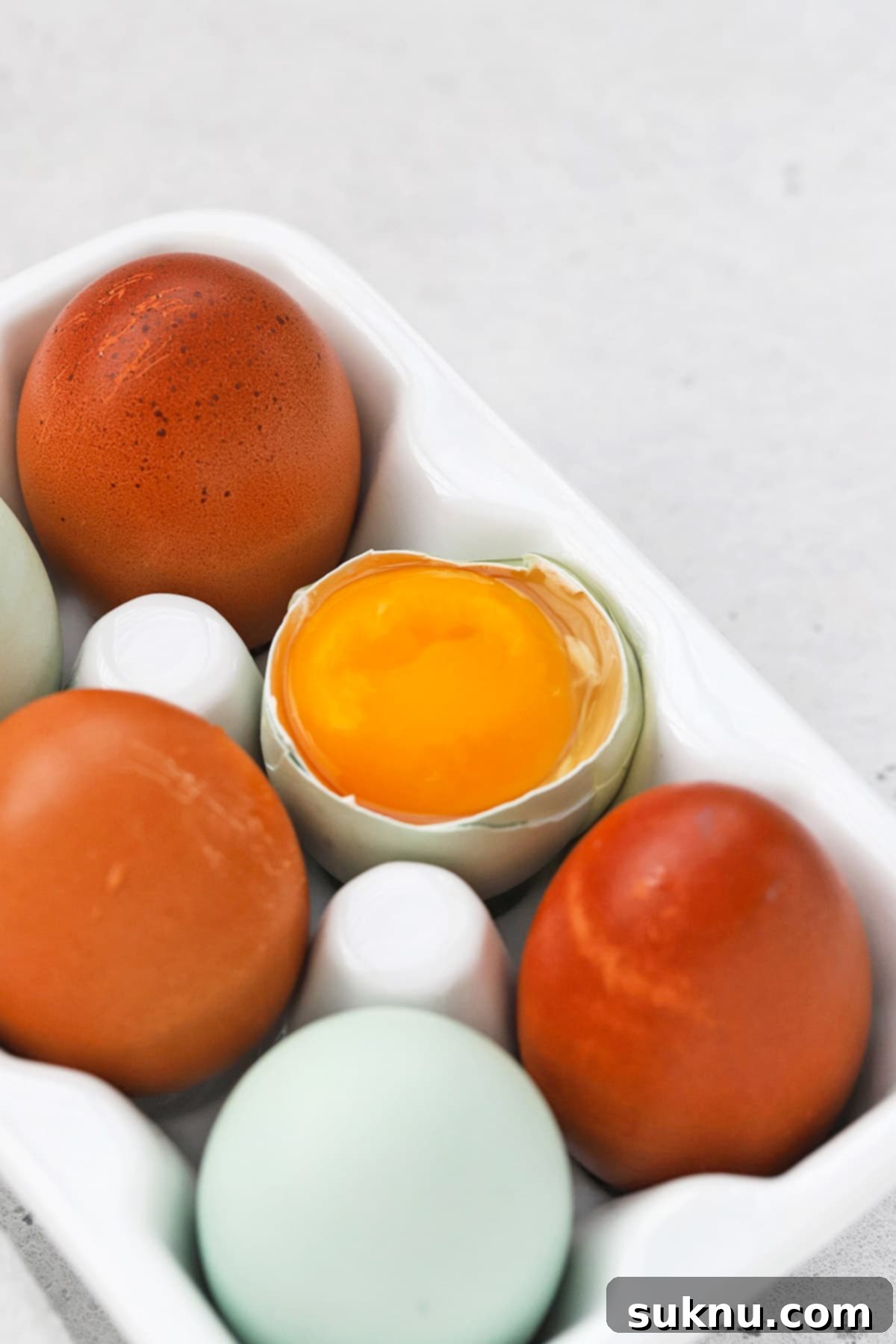
FAQ + Expert Tips and Tricks for Perfect Egg Separation
Even with the best techniques, sometimes things don’t go exactly as planned. Here are answers to common questions and additional tips to ensure your egg separation journey is always successful.
I got a little bit of egg yolk in my egg whites. What do I do?
Unfortunately, if you’re planning to whip the egg whites, even a tiny speck of egg yolk can ruin your efforts. The fat in the yolk interferes with the proteins in the egg whites, preventing them from denaturing properly and forming a stable foam needed for meringues, soufflés, or light cakes. It’s best to set these contaminated whites aside. Don’t throw them out, though! They are perfectly fine for recipes that don’t require whipping, such as scrambled eggs, omelets, or adding to a frittata. Think of it as a bonus ingredient for your next savory meal!
Is it okay if some egg white got in with the egg yolks?
This is much more forgiving! For most recipes calling for egg yolks, a small amount of egg white won’t cause any significant issues. If possible, you can try to scoop out any stray whites with a spoon or a piece of eggshell. However, if it’s just a little bit, your custards, puddings, or cookie batters will likely turn out just fine. For very high-end, delicate recipes where absolute purity is desired, you might consider starting over, but for everyday baking, it’s generally not a problem.
What can you make with leftover egg whites?
A surprising array of delicious dishes! Egg whites are incredibly versatile. Beyond the obvious meringues and angel food cakes, you can use them to make fluffy omelets or frittatas, financiers, pavlovas, or even add them to smoothies for an extra protein boost. For long-term storage, egg whites freeze exceptionally well. Simply store them in an airtight container or a freezer-safe bag, or portion them into ice cube trays and then transfer to a bag, and they’ll keep for several months. Just be sure to label them with the date and quantity!
What can you make with leftover egg yolks?
Don’t discard those rich, golden yolks! They are packed with flavor and can add incredible richness to many recipes. Use them to thicken creamy sauces like homemade mayonnaise or aioli, create luxurious ice cream bases, make classic crème brûlée, or enrich pasta dough for fresh, homemade noodles. They are also excellent for making lemon curd, custards, or adding extra moisture and chewiness to cookies, like our popular Brown Butter Toffee Chocolate Chip Cookies. Like egg whites, yolks can also be frozen, though it’s best to mix them with a pinch of salt or sugar (depending on whether you plan to use them in sweet or savory dishes) to prevent them from becoming too gelatinous.
How Long Do Separated Eggs Stay Fresh?
Proper storage is key to extending the life of your separated eggs:
- How long do egg whites stay fresh in the refrigerator? According to the FDA, separated egg whites will remain fresh and safe to use for 2-4 days when stored in an airtight container in the refrigerator. Ensure they are well-sealed to prevent them from absorbing odors from other foods.
- How long do egg yolks stay fresh in the refrigerator? Similarly, separated egg yolks should also be stored in an airtight container in the refrigerator and will stay fresh for 2-4 days. To prevent them from drying out or forming a skin, you can cover them with a tiny bit of water, milk, or oil before sealing the container.
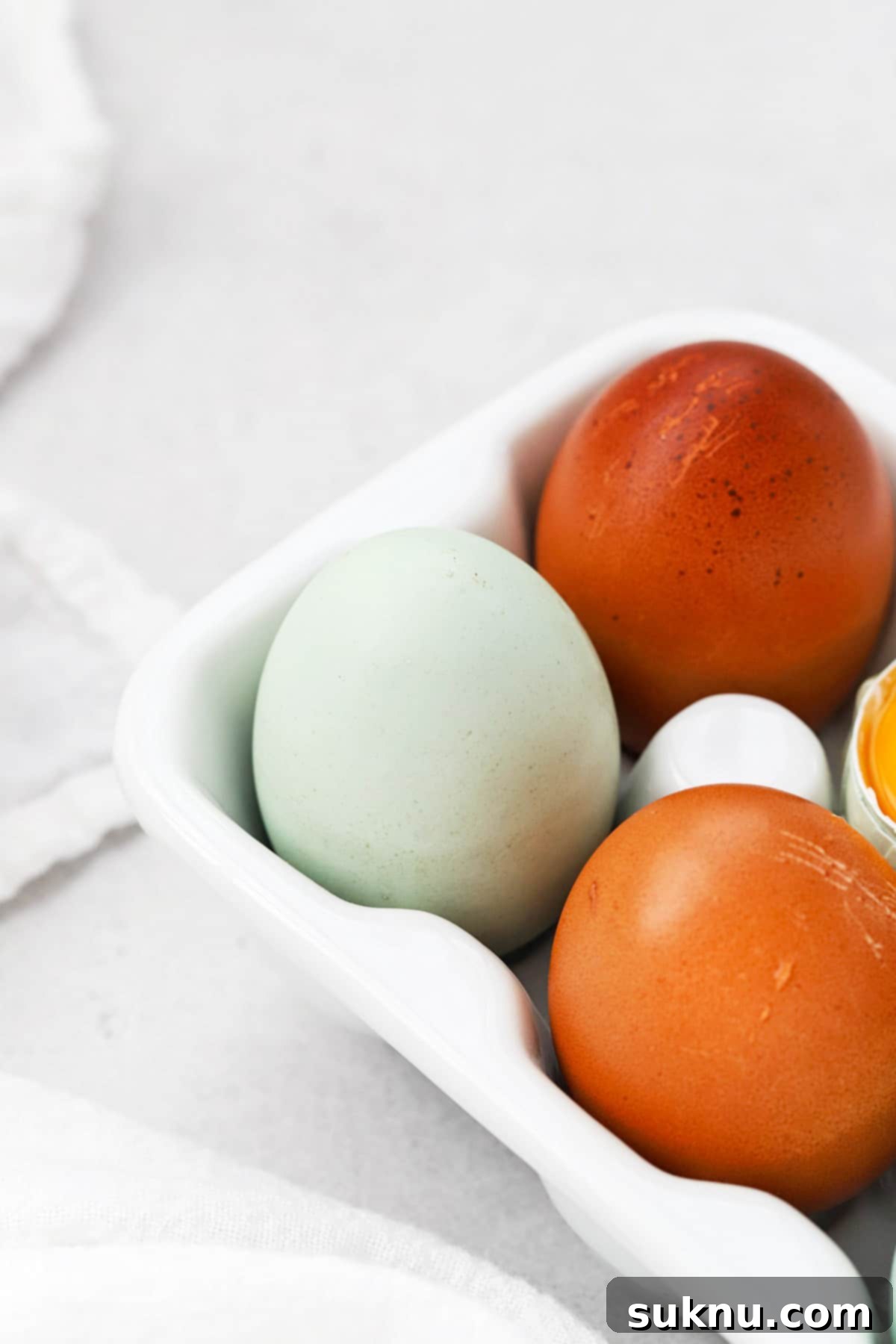
Elevate Your Baking Skills with More Easy Tips
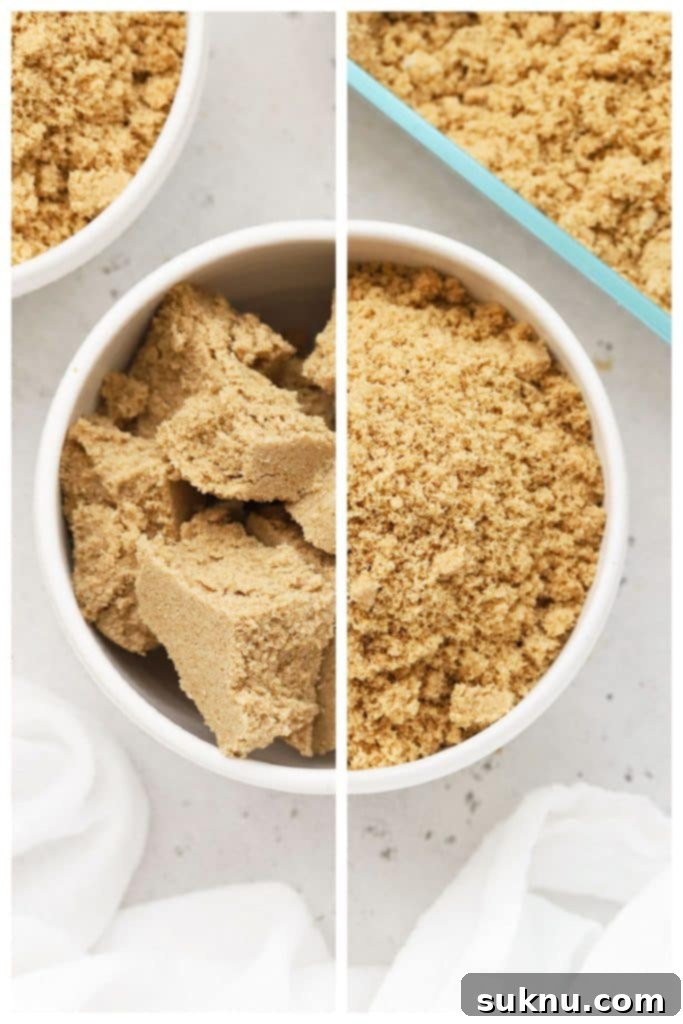
How to Soften Brown Sugar (5 Ways!)
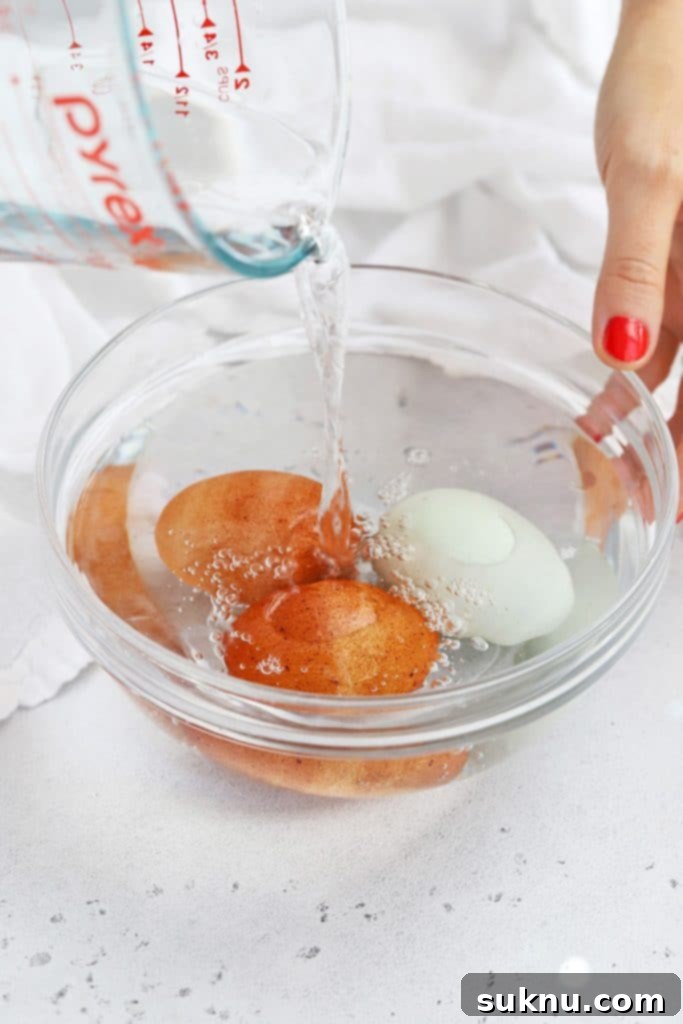
How to Get Eggs To Room Temperature FAST
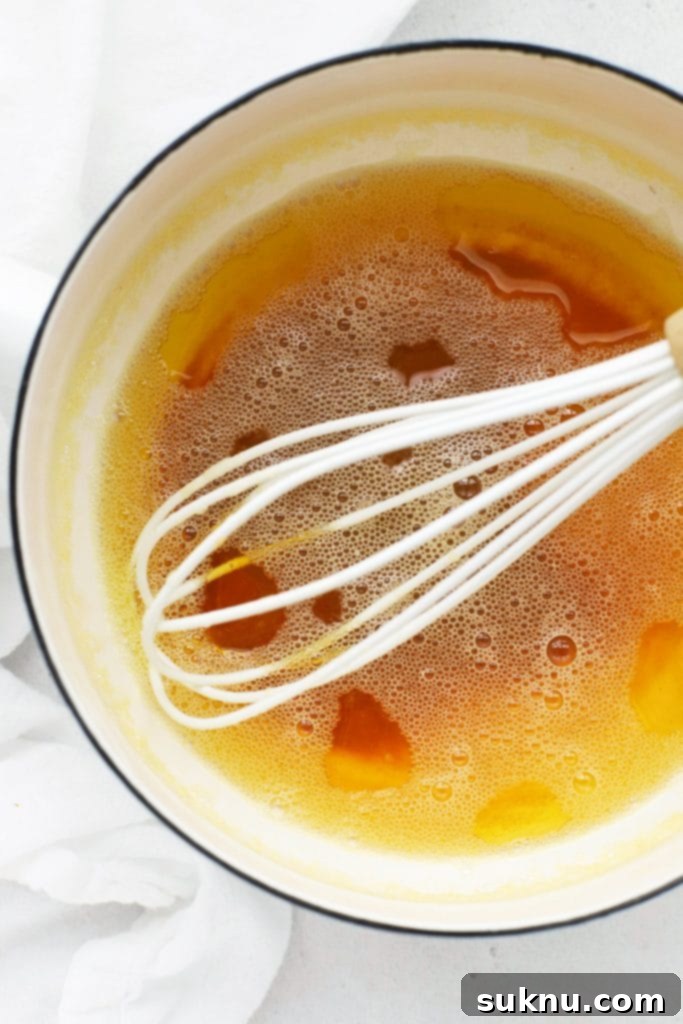
How to Brown Butter (Step By Step!)